The First Month With a Poodle Puppy
Bringing home a Poodle puppy is an incredibly exciting time, filled with dreams of fluffy snuggles and playful antics. But let's be honest, it can also feel utterly overwhelming, like suddenly you're responsible for a tiny, intelligent whirlwind with a boundless bladder and an endless need for attention. This guide is here to walk you through that critical first month, helping you navigate the joyful chaos and lay a strong foundation for a happy, healthy future with your new Poodle companion.
Setting Up for Success: Creating a Safe and Welcoming Environment
The Importance of a Designated "Safe Zone"
When your Poodle puppy first arrives, everything is new, a little scary, and a whole lot to take in. Just like a toddler, they need a secure space that's entirely their own, a refuge from the hustle and bustle of a new home. This "safe zone" isn't about isolation; it's about providing comfort, predictability, and a place to decompress. Think of it as their personal sanctuary, where they can chew a toy, nap undisturbed, and generally feel secure. This is where Crate Training a Poodle That Wants Company becomes incredibly useful, even for a breed that thrives on companionship.
A comfortable crate or a designated small room, blocked off with puppy gates, serves this purpose beautifully. Fill it with a soft bed, a few safe chew toys, and a fresh water bowl. For the first few days, keep interactions in this area calm and positive. You want your puppy to associate this space with good things, not punishment or loneliness. Allowing them to explore this small, controlled environment first helps build confidence before they tackle the grand adventure of your entire home. It’s an investment in their emotional well-being that pays dividends in a confident, well-adjusted adult Poodle.
Imagine a busy household with kids or other pets – a safe zone becomes paramount. It gives your Poodle puppy a much-needed break from constant stimulation, preventing overstimulation, which often leads to nipping, excessive barking, or even potty accidents. Consistency is key here; always direct them to their safe zone for naps, quiet play, or when you need a few moments of peace, reinforcing that it’s a calm and positive space. A tired or overstimulated puppy can quickly become a destructive or nippy one, so having a dedicated retreat can make all the difference in those initial weeks.
Essential Supplies You'll Need
Before your Poodle puppy even sets a paw in your home, you'll want to have a few key items ready. Trust me, scrambling for a leash when your tiny floof arrives is not the calm start you're hoping for! A shopping trip to a place like Chewy or your local pet store can cover most of these bases. The essentials will make their transition smoother and your life a whole lot easier. This isn't just about toys and treats; it's about preparing for every aspect of their initial care, ensuring you're ready for everything from meal times to unexpected messes.
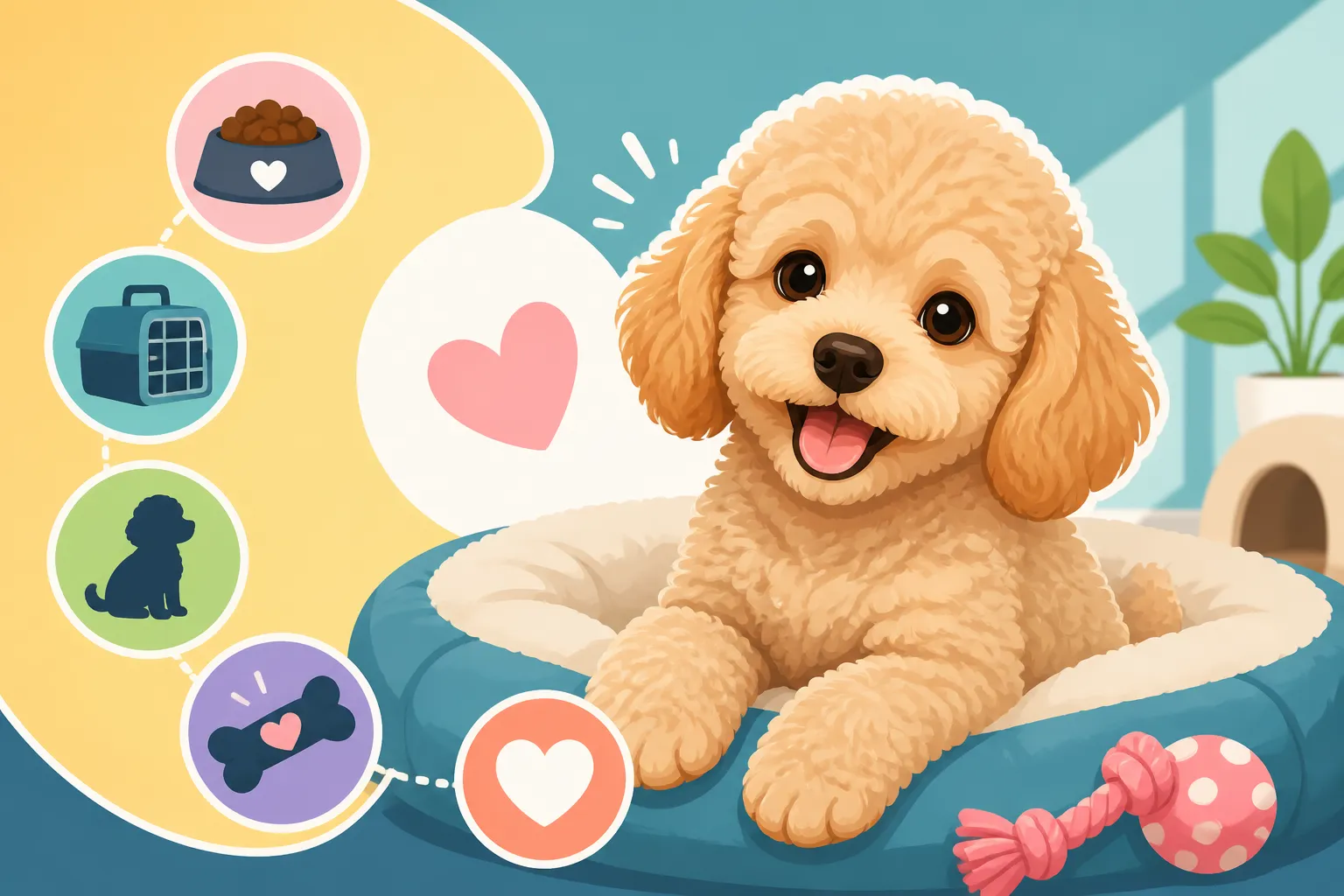
Let's break down the must-haves: a sturdy, appropriately sized crate (remember to consider adult size for Standard Poodles), food and water bowls, a comfortable bed or crate pad, a collar and lightweight leash, puppy-specific food (more on this later!), and a variety of safe chew toys. Don't forget grooming tools like a soft slicker brush and a wide-toothed comb – Poodle coats are beautiful but require diligence from day one. And, of course, plenty of puppy-safe cleaning supplies for those inevitable accidents. Having these items ready minimizes stress for both you and your new family member.
Here's a quick checklist to get you started:
| Item | Description | Quantity (Min) | Notes |
|---|---|---|---|
| Crate | Wire or plastic, size appropriate for adult Poodle | 1 | Essential for potty training and safe den. |
| Food & Water Bowls | Stainless steel or ceramic, easy to clean | 2 | Consider non-slip options. |
| Puppy Food | High-quality kibble, often what the breeder was feeding | 1 bag | Transition slowly if changing brands. |
| Treats | Small, soft, high-value for training | 1-2 bags | Essential for positive reinforcement. |
| Collar & Leash | Lightweight, adjustable collar; 4-6 ft leash | 1 each | Start with basic buckle collar, flat leash. |
| Bed/Crate Pad | Washable, comfortable for naps | 1-2 | Protect against accidents with waterproof covers. |
| Chew Toys | Variety of textures, puppy-safe, non-destructible | 3-5 | Crucial for teething and mental stimulation. |
| Grooming Tools | Slicker brush, wide-tooth comb, nail clippers/grinder, puppy shampoo | 1 each | Start early to accustom to handling. |
| Enzyme Cleaner | Specifically designed for pet accidents | 1 bottle | Essential for completely removing odor to prevent repeat marking. |
| Potty Pads (Optional) | For initial indoor training, especially with Toy Poodles | 1 pack | Use sparingly and transition outdoors quickly. |
Puppy-Proofing Your Home
Poodle puppies are curious little beings, and their intelligence means they'll quickly figure out how to get into trouble if given the chance. Before they arrive, it's absolutely crucial to puppy-proof your home. This isn't just about protecting your belongings; it's primarily about safeguarding your puppy from potential hazards. What seems harmless to you could be a serious danger to a small, inquisitive Poodle, who will use their mouth to explore everything.
Start by getting down on your hands and knees to see your home from a puppy's perspective. Are there electrical cords dangling invitingly? Cover them or secure them out of reach. Remove any small objects that could be swallowed, such as children's toys, coins, rubber bands, or loose socks. Houseplants can be toxic, so move them to higher ground or out of reach entirely. Secure cabinets with childproof latches, especially those containing cleaning products, medications, or chemicals. Remember, Poodles are smart; they will explore. Even a seemingly innocent blanket can pose a risk if chewed and ingested.
Beyond just removing hazards, consider setting up barriers. Baby gates are your best friend for restricting access to certain rooms or staircases until your puppy is reliably house-trained and understands boundaries. This controlled exploration helps prevent accidents and allows you to supervise them more effectively. The goal is to create an environment where your puppy can explore safely and confidently without constant intervention from you. This proactive approach prevents emergencies and makes their first month a much less stressful experience for everyone involved, saving you potential vet visits and property damage.
Navigating the First Few Days: Settling In and Routine Establishment
The First Night and Beyond
That first night with a Poodle puppy can be a real tear-jerker – for both of you! They've just been taken from their littermates and everything familiar, and it's completely natural for them to feel scared and lonely. Expect some crying and whimpering. Your instinct might be to rush to them, but it’s important to strike a balance between comfort and fostering independence. For their first night, place their crate in your bedroom. This allows them to hear and smell you, offering immense comfort without you directly reinforcing crying by letting them out.
You can make their crate extra cozy by adding a blanket that smells like their mother or litter, if the breeder provided one. A soft, warm towel, or even a ticking clock wrapped in a blanket (to mimic a heartbeat), can also provide soothing comfort. If the crying persists after a few minutes, gently speak to them in a calm voice without opening the crate. Only let them out for a potty break if you're sure that's what they need, then promptly return them to the crate. Consistency in this approach helps them understand that their crate is a safe place for sleep, not a prison. This teaches them to self-soothe and realize that you are still nearby, even if they can't be held.
As the first few days turn into a week, gradually move the crate further from your bed if you don't plan for them to sleep there long-term. Continue to stick to a consistent bedtime and morning routine. Poodles, being highly intelligent, thrive on predictability. They quickly learn what to expect, which reduces anxiety and helps them settle into their new rhythm. Remember, this initial adjustment period is crucial for building trust and establishing a secure bond, setting the stage for a lifetime of companionship.
Establishing a Consistent Schedule
Poodles are creatures of habit, and establishing a consistent schedule from day one is one of the most valuable things you can do for your new puppy. This isn't just about house-training; it's about setting clear expectations for everything from meal times to play and rest. A predictable routine reduces anxiety and helps your puppy learn what’s coming next, giving them a sense of security in their new world. Without a schedule, your puppy will be guessing, and that usually leads to mistakes, from accidents indoors to destructive chewing out of boredom.
Think of it like this: regular feeding times help regulate their digestive system, making potty breaks more predictable. Regular potty breaks prevent accidents and build good habits. Consistent play times ensure they're getting enough physical and mental stimulation, which is vital for a smart breed like a Poodle, preventing boredom-induced mischief. And scheduled naps are just as important; puppies need a lot of sleep for healthy development, and enforced nap times prevent them from getting overtired and cranky. An overtired puppy is often an unruly puppy, prone to nipping and zoomies at inappropriate times.
A typical puppy schedule might look something like this: wake up, immediate potty break, breakfast, play, potty break, nap in crate, wake up, immediate potty break, play, lunch, potty break, nap, and so on, right up until their last potty break before bed. Tailor this to your family's lifestyle, but once you set it, stick to it like glue. Even on weekends, try to maintain as much consistency as possible. This investment in routine now will save you countless headaches down the line and help your Poodle develop into a well-mannered companion, understanding the rhythms of your home.
Initial Potty Training Strategies
Potty training can feel like an uphill battle in the first month, especially with a tiny bladder! But with consistency, patience, and the right strategies, your Poodle puppy will get there. The golden rule of puppy potty training is "prevent, prevent, prevent." Every accident indoors is a missed opportunity for your puppy to learn where they should go, and it reinforces the wrong behavior. This is where your consistent schedule truly shines, making it easier to anticipate when they need to relieve themselves.
Take your Poodle puppy out frequently: immediately after waking up, after eating or drinking, after playing, and before bedtime. If you’re playing, take them out every 15-20 minutes, even if you think they just went. When they do potty outside, celebrate like they've won the lottery! Use enthusiastic praise, happy tones, and a high-value treat. This positive reinforcement teaches them that going outside is the best thing ever. Avoid scolding them for accidents indoors; they won't understand, and it can make them afraid to potty in front of you, potentially leading to them hiding to relieve themselves. Instead, interrupt them mid-act if possible, quickly scoop them up, and rush them outside.
Supervision is critical indoors. Keep your puppy on a leash attached to you, or in a puppy-proofed area or crate when you can't actively watch them. This management prevents them from sneaking off to have an accident in a hidden corner. Use a good enzyme cleaner for any indoor accidents, like those available through Chewy, to eliminate the odor completely; regular cleaners might mask the smell to humans, but dogs can still detect it and be drawn back to the same spot. Remember, puppies have tiny bladders, and even a well-trained one will have accidents. The key is to minimize them through proactive management and reward good choices, building a strong positive association with outdoor potty breaks.
Early Training and Socialization: Building Foundations
Beginning Basic Commands
Your Poodle puppy is a sponge, eager to learn, and the first month is an ideal time to start teaching them basic commands. Their incredible intelligence means they'll pick things up remarkably quickly, making training a rewarding experience for both of you. Don't wait until they're older; early positive experiences with training build confidence and strengthen your bond. The Age a Poodle Puppy Starts Learning is really from the moment they open their eyes, but structured training can begin right away, making the most of their inherent smarts.
Focus on foundational commands like "sit," "stay" (for very short durations), "come," and their name. Keep training sessions short, positive, and fun – five to ten minutes, several times a day, is far more effective than one long, boring session. Use high-value treats (tiny pieces of cooked chicken or cheese work wonders) and enthusiastic verbal praise. As soon as your puppy performs the desired behavior, mark it with a clear word like "yes!" or a clicker, then immediately reward them. This precision helps them understand exactly what they're being rewarded for, creating strong, positive associations with learning.
Remember, Poodles are sensitive, so harsh corrections or scolding will be counterproductive. They respond best to positive reinforcement and clear, consistent communication. If your puppy isn't getting it, break the command down into smaller steps or try a different approach. For instance, to teach "sit," you can lure them into position with a treat held over their head. These early successes lay the groundwork for more advanced training down the line and establish you as a benevolent leader in their eyes, making them eager to learn more.
Gentle Introduction to Grooming
Poodles are renowned for their stunning coats, but this beauty comes with a commitment to regular grooming. Introducing your puppy to grooming routines early and gently in their first month is non-negotiable. If you wait until mats become a problem or their first professional groom, it can turn into a battle. The goal here is to make grooming a positive, even enjoyable, experience, rather than something they dread. Getting a Poodle Puppy Used to Being Handled is paramount, as it teaches them to tolerate the necessary touching and manipulation involved in grooming.
Start with short, frequent sessions. Begin by simply handling their paws, ears, tail, and muzzle while offering praise and treats. Use a soft slicker brush and comb for a few strokes, then stop and reward. Don't try to tackle a full brush-out initially. Acclimate them to the sound of nail clippers or a grinder by letting them hear it while giving treats, then gradually introduce brief touches to their nails. Even a quick bath with puppy-safe shampoo should be a calm experience, followed by gentle towel drying and a very low-setting dryer, if at all. Avoid forcing them or making it a stressful event, which can create a lifelong aversion.
This early exposure isn't just about preventing future grooming struggles; it's also a great way to bond with your puppy and get them comfortable with being touched all over. This familiarity will also make future vet visits less stressful, as they'll be accustomed to people examining their body. Remember to always end on a positive note, even if it's just for a minute of brushing. Building a positive association now will make a lifetime of grooming much easier for both you and your Poodle, ensuring their beautiful coat can always be maintained without distress.
Critical Early Socialization
Socialization in the first month is one of the most critical aspects of raising a well-adjusted Poodle. This isn't just about playing with other dogs; it's about exposing your puppy to a wide variety of sights, sounds, people, and experiences in a positive and controlled manner. The "socialization window" for puppies is generally considered to be up to 16 weeks of age, so the sooner you start, the better. What a Poodle Puppy Should Meet by Sixteen Weeks outlines many of these experiences, emphasizing the importance of diverse exposure.
Before your puppy is fully vaccinated, you need to balance socialization with health precautions. Focus on safe, controlled environments. Introduce them to a diverse group of friendly, healthy people (of all ages, sizes, and genders) who can interact gently and offer treats. Carry your puppy in a sling or bag to public places like parks (without putting them on the ground), pet-friendly stores, or outdoor cafes so they can safely observe the world. Expose them to different surfaces, sounds (vacuum cleaners, doorbells, traffic), and objects (umbrellas, hats, strollers). Always ensure these experiences are positive, using treats and praise to create good associations.
Once your vet gives the go-ahead, enrolling in a well-run puppy class is an excellent next step. These classes, which might cost around Puppy Class Fees for a Fast-Learning Poodle, provide a safe and supervised environment for puppies to interact with each other and learn basic manners. A properly socialized Poodle is more confident, less fearful, and less likely to develop behavioral issues like fear-based aggression or excessive shyness. It’s an investment in their future temperament and happiness, helping them grow into a calm and confident adult dog.
Health and Nutrition in the First Month
First Vet Visit and Vaccination Schedule
One of the very first things you need to do when your Poodle puppy comes home is schedule a vet visit. Ideally, this happens within the first 2-3 days, following the health guarantee stipulations of most reputable breeders. This initial check-up is crucial for ensuring your puppy is healthy, establishing a relationship with your veterinarian, and setting up their ongoing Poodle Vaccination and Preventive Schedule. Your vet will perform a thorough physical exam, check for any congenital issues, and discuss parasite prevention.
During this visit, your vet will review your puppy's medical records from the breeder and outline the remaining vaccination schedule. Puppies receive a series of vaccinations over several weeks to build their immunity against common diseases like distemper, parvovirus, and adenovirus. It's incredibly important to complete this series. Until your vet advises otherwise, limit your puppy's exposure to unknown dogs or public places where unvaccinated dogs might be present, as their immune system is still developing and highly vulnerable.
Beyond vaccinations, your vet will also discuss deworming and flea/tick prevention. They might recommend starting heartworm preventative medication, which is crucial for protecting your Poodle. This first vet visit is also your opportunity to ask any questions you have about diet, behavior, or any specific concerns about your Poodle's health. It’s the cornerstone of their health journey, laying the foundation for many years of wellness. Don't forget to inquire about pet insurance options, like Healthy Paws, which can be invaluable for unexpected vet bills down the line. Yearly Routine Vet Spend for a Poodle can fluctuate, so having a plan is wise.
Choosing the Right Food
The food you choose for your Poodle puppy in their first month can significantly impact their growth and long-term health. It’s always best to start with the same food the breeder was feeding to avoid upsetting their stomach during an already stressful transition. If you decide to switch foods, do so gradually over 7-10 days, mixing increasing amounts of the new food with decreasing amounts of the old. Sudden changes can lead to digestive upset, which is the last thing you want with a new puppy.
When selecting a puppy food, look for a high-quality brand specifically formulated for puppies, as their nutritional needs differ from adult dogs. Poodle puppies, whether you have a tiny Toy or a rapidly growing Standard, need specific calorie and nutrient ratios for proper development. For Standard Poodle puppies, especially, look for large breed puppy formulas that support slower, more controlled growth to help prevent orthopedic issues. Feeding a Standard Poodle Puppy requires a careful balance. For smaller varieties, Feeding a Toy Poodle Puppy ensures they get adequate energy to sustain their high metabolism. Many owners consider options like Ollie, which provides fresh, human-grade food tailored to a dog’s specific needs, ensuring they get optimal nutrition.
Always follow the feeding guidelines on the food package, but adjust based on your puppy's individual growth and activity level. Avoid free-feeding; instead, offer meals at scheduled times (typically three to four times a day for young puppies) and remove any uneaten food after about 15-20 minutes. This helps establish a routine, aids in potty training, and prevents overeating. Fresh water should always be available. Monitor your puppy's stools; they should be firm and well-formed. Any changes, like diarrhea or vomiting, warrant a call to your vet, as dehydration can be a serious risk for puppies.
Recognizing Common Puppy Ailments
While we all hope for a perfectly healthy puppy, the first month can sometimes bring minor health concerns. Knowing what to look out for can help you address issues quickly and prevent them from becoming more serious. Puppies are vulnerable, and their small size, especially for Toy Poodles, can make even minor ailments more critical due to their delicate systems and rapid dehydration risk.
One of the most common issues is digestive upset. Diarrhea or vomiting can be caused by stress, a change in diet, parasites, or even ingesting something they shouldn’t have. If it's mild and resolves quickly, monitoring might be sufficient. However, persistent diarrhea, vomiting, lethargy, or loss of appetite requires immediate veterinary attention, especially in small puppies where dehydration can set in rapidly. Another concern, particularly for Toy Poodle puppies, is hypoglycemia (low blood sugar), which can manifest as weakness, lethargy, confusion, or even seizures. Keeping Emergency Sugar for a Crashing Toy Poodle like Karo syrup on hand can be lifesaving if advised by your vet.
Other things to watch for include coughing, sneezing, nasal discharge (which could indicate kennel cough or other respiratory infections), and any signs of limping or discomfort. Check their eyes and ears daily for discharge or redness. Poodle ears, with their drop structure, can sometimes be prone to issues if not kept clean and dry. Be vigilant for excessive scratching, licking, or any changes in behavior or energy levels. Trust your gut; if something feels off with your puppy, don't hesitate to contact your vet. Early detection and treatment are always best when it comes to puppy health, potentially saving their life and considerable future expense.
Disclaimer
This article is for general informational purposes only and does not constitute professional advice. Laws, prices and regulations vary by location and change over time. Consult a qualified professional for guidance on your specific situation.