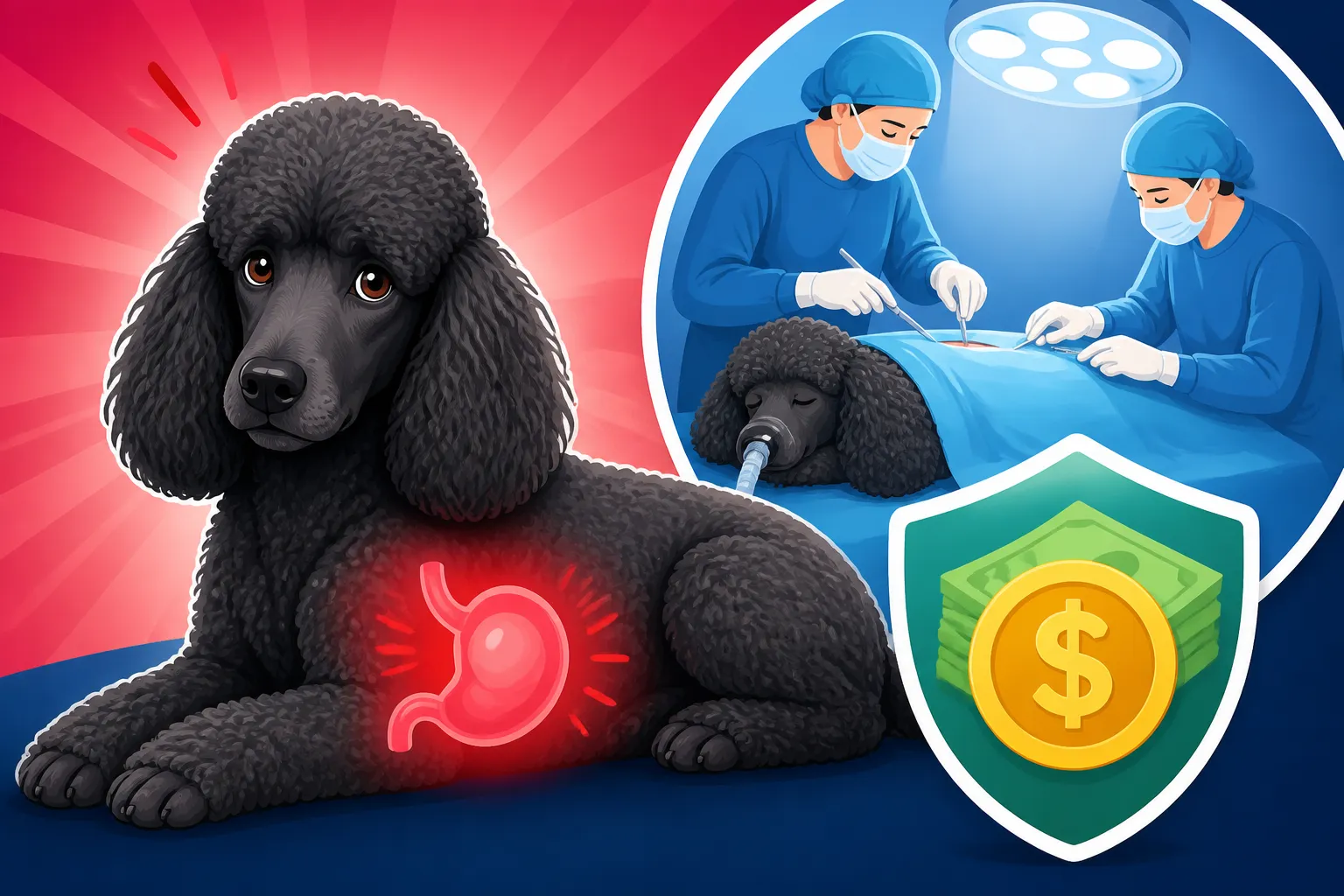
Emergency Bloat Surgery Prices for a Standard Poodle
A Standard Poodle suddenly acting distressed, pacing, trying to vomit unsuccessfully – it's a terrifying scenario no owner ever wants to face. This could be gastric dilatation-volvulus (GDV), commonly known as bloat, a life-threatening emergency that strikes quickly and demands immediate, often expensive, surgical intervention. Navigating the cost of emergency bloat surgery can add immense financial stress to an already heartbreaking situation, which is why understanding the potential expenses is so crucial. This guide aims to shed light on what you can expect regarding the prices for this critical procedure, helping you prepare for the unthinkable.
The Terrifying Reality of Bloat in Standard Poodles
Bloat is every Standard Poodle owner's nightmare, and for good reason. It's not just an upset stomach; it's a rapid, life-threatening condition where the stomach fills with gas and often twists upon itself, cutting off blood supply. The sudden onset and severe consequences make it one of the most feared emergencies in the veterinary world, particularly for deep-chested breeds like our beloved Poodles.
What Exactly is Gastric Dilatation-Volvulus GDV?
Imagine your dog's stomach, usually a flexible bag, suddenly expanding like an overinflated balloon. That's the 'dilatation' part – the stomach fills with gas, fluid, or food. If it stops there, it's still an emergency, but manageable. The real terror begins with 'volvulus,' which means the stomach then twists, often 180 to 360 degrees, effectively pinching off both the entrance (esophagus) and exit (duodenum). This twisting traps the contents and gas inside, leading to intense pressure on other organs, severely restricted blood flow, and a rapid decline in the dog's health. Without immediate intervention, the stomach tissue starts to die, and shock sets in, quickly leading to death.
It's a condition that doesn't wait for convenient times. It can strike in the middle of the night, on a holiday, or when you're far from your regular vet. This urgency is a huge factor in the eventual bill, as emergency vets operate with different pricing structures due to their specialized staff, equipment, and round-the-clock availability. The speed at which it can progress means that delays can be fatal, making rapid diagnosis and treatment paramount.
Why Standard Poodles Are Uniquely Susceptible
If you own a Standard Poodle, you've likely heard about bloat more times than you care to count. This isn't just anecdotal; it's a stark reality for the breed. Their deep, narrow chests are a significant anatomical predisposition. Breeds with this body type, including Great Danes, Weimaraners, German Shepherds, and of course, Standard Poodles, have a higher incidence of GDV. The theory is that this chest conformation allows the stomach more room to swing and twist within the abdominal cavity, making it easier for the volvulus to occur.
Beyond conformation, other factors contribute to their risk. Eating one large meal a day, eating rapidly, exercising vigorously before or after meals, and stress can all play a part. While we can try to mitigate some of these risks through careful management, the underlying genetic and anatomical predisposition remains. This is why vigilance is paramount for every Standard Poodle owner, as The Hour That Decides a Bloating Standard Poodle is often a narrow window where your quick action can literally save their life. Knowing your dog's normal behavior and recognizing any subtle changes can give you a critical head start.
The Daunting Price Tag of Emergency Bloat Surgery
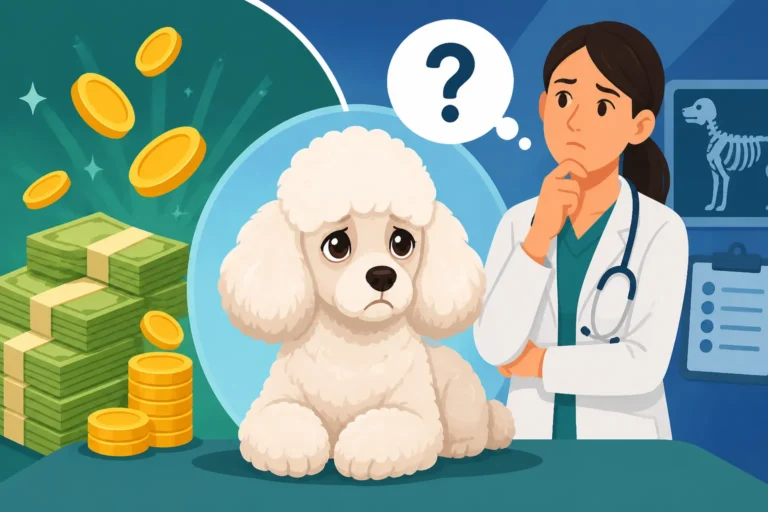
Let's be blunt: emergency bloat surgery is expensive. There's no way around that. When your beloved Poodle's life hangs in the balance, money often becomes secondary, but the financial strain is real and can be crippling if you're not prepared. Many owners are blindsided by the cost, which only adds to the intense emotional distress of such a critical situation.
What Contributes to the High Cost
The cost isn't just for the surgeon's time. It's a comprehensive bill reflecting the critical nature of the condition and the intense resources required. When a dog presents with GDV, it's not a routine procedure. It's an emergency, often performed late at night or on weekends, requiring a full team of veterinary professionals to drop everything and act. These are not "regular business hours" rates.
Here's what typically drives up the cost:
- Emergency Clinic Fees: Emergency veterinary clinics have higher overheads. They are staffed 24/7 with specialized vets, vet nurses, and technicians, and are equipped with advanced diagnostic and surgical tools ready at a moment's notice. This immediate availability and specialized expertise come at a premium.
- Rapid Diagnostics: Time is muscle, or in this case, stomach tissue. Quick X-rays and potentially blood work are needed to confirm GDV and assess the dog's overall stability. These tests must be performed quickly and accurately under high-pressure circumstances.
- Complex Surgical Procedure: Untwisting a stomach that is swollen and under immense pressure, and then performing a gastropexy (suturing the stomach to the abdominal wall to prevent future twisting), is a delicate and lengthy surgery. There's a risk of tissue damage, splenic torsion, or other complications that require highly skilled hands and often specialized equipment.
- Intensive Post-Operative Care: Recovery from bloat surgery is not a quick affair. Dogs often require 24-48 hours, sometimes longer, of intensive care in the ICU, with continuous monitoring, IV fluids, robust pain management, and specialized nursing care around the clock. This period is crucial for preventing complications like cardiac arrhythmias and ensures a stable recovery.
Average Cost Ranges and Inclusions
Based on current veterinary practices and regional variations, you can typically expect emergency bloat surgery for a Standard Poodle to range from $3,000 to $7,000, with some severe cases pushing beyond $10,000, especially if extensive complications arise during or after surgery, such as the need to remove necrotic stomach tissue.
This range usually includes:
- Initial Emergency Assessment: Stabilization, IV fluids, pain medication, possibly stomach decompression via a tube or needle. These immediate actions are vital for preserving life before surgery can even begin.
- Diagnostic Imaging: X-rays to confirm GDV and rule out other issues, which helps the vet formulate the most effective surgical plan.
- The Surgery Itself: Anesthesia, the actual untwisting of the stomach, careful assessment of stomach tissue viability, and a gastropexy. This is the most critical and complex part of the treatment.
- Post-Operative Hospitalization: This is often the largest component after the surgery, encompassing intensive care, continuous monitoring, medication, and nursing care for several days in a specialized ICU environment.
- Medications: Antibiotics, pain relief, anti-nausea drugs, and other supportive medications during hospitalization and for discharge. These are essential for managing pain, preventing infection, and ensuring comfort during recovery.
Geographical Variations in Pricing
Just like human healthcare, vet costs can vary significantly depending on where you live. Major metropolitan areas tend to have higher prices due to higher operating costs, specialized equipment, and demand for emergency services. For example, a bloat surgery in New York City, Los Angeles, or Miami will likely be on the higher end of the spectrum compared to a rural veterinary hospital in a less populated state or even a smaller city. The cost of living and specialized staff availability directly influence these prices.
It's always a good idea to know the emergency vet options and their approximate pricing policies in your area before an emergency strikes. You can call local 24/7 emergency clinics to inquire about their initial consultation fees and get a ballpark figure for common emergency surgeries, like GDV, though they won't give you an exact quote without seeing the dog and assessing its specific condition. This pre-emptive research can save precious time and reduce some of the shock during a crisis.
Itemizing the Bloat Surgery Bill: A Detailed Breakdown
When you receive that final bill, it can feel overwhelming. It’s a thick stack of line items, each representing a crucial step taken to save your Poodle. Let's break down the typical components so you can understand where every dollar goes. This transparency helps prepare you mentally and financially, even if you hope to never need this knowledge firsthand.
Pre-Operative Stabilization and Diagnostics
The moment you arrive at the emergency clinic with a suspected bloat case, the clock is ticking. The veterinary team will immediately jump into action to stabilize your Poodle and confirm the diagnosis. Every minute counts, and these initial steps are designed to keep your dog alive until surgery can begin.
- Emergency Exam and Triage: Your dog will be quickly assessed by an emergency vet. This initial fee covers their immediate evaluation, vital sign checks, and prioritizing your Poodle's critical condition.
- IV Catheter and Fluid Therapy: An IV catheter is placed into a vein to administer fluids rapidly, combat shock, and deliver medications directly into the bloodstream. IV fluids are critical for maintaining blood pressure, supporting organ function, and correcting dehydration.
- Pain Management: Powerful pain medications are given intravenously to alleviate the intense discomfort your Poodle is experiencing. Bloat is excruciatingly painful, and managing this pain is a top priority.
- Stomach Decompression: If the stomach is severely distended with gas, the vet might attempt to pass an orogastric tube down the esophagus into the stomach to release gas. This can be challenging and sometimes requires sedation. If this isn't possible, a large-bore needle might be inserted through the abdominal wall into the stomach (trocarization) to relieve pressure. This buys precious time by reducing pressure on vital organs.
- Radiographs (X-rays): One or two X-rays of the abdomen are usually taken to confirm the stomach's position and whether it has twisted. This is a non-negotiable diagnostic step; it provides definitive proof of GDV and guides the surgeon.
- Blood Work: Pre-surgical blood tests (like a complete blood count and chemistry panel) are often run to assess organ function, red blood cell count, and electrolyte balance, which is crucial for anesthetic safety and post-operative prognosis. These tests help the vet understand the severity of shock and tailor the treatment plan.
These initial steps alone can quickly add up to several hundred to over a thousand dollars before your Poodle even enters the operating room, reflecting the urgency and the specialized care involved.
The Surgical Procedure Itself
This is the core of the bloat treatment, and it's a complex undertaking that requires immense skill and precision. The surgeon must work quickly but meticulously to untwist the stomach and secure it.
- Anesthesia and Monitoring: Anesthesia for a dog in shock or critical condition requires a highly skilled veterinary anesthesiologist or technician. Continuous monitoring of heart rate, blood pressure, oxygen saturation, and temperature is vital throughout the surgery. Specialized anesthetic agents and equipment are used, and this often carries a significant cost due to the expertise and resources required to keep a critical patient stable under anesthesia.
- Abdominal Incision: A large incision is made in the abdomen to gain clear access to the stomach and surrounding organs.
- De-rotation of the Stomach: The surgeon carefully untwists the stomach, returning it to its normal anatomical position. This can be challenging if there are adhesions, severe distention, or if the spleen has also twisted.
- Assessment of Tissue Viability: Once untwisted, the surgeon thoroughly inspects the stomach wall and spleen for any signs of necrosis (tissue death) due to the lack of blood flow. If parts of the stomach are dead, these sections must be removed (partial gastrectomy). This significantly increases the complexity, time, and cost of the surgery, and sadly, it also worsens the overall prognosis.
- Gastropexy: This preventative measure is almost always performed during bloat surgery. The stomach is surgically attached to the abdominal wall to prevent future twisting. While it doesn't prevent dilatation (gas accumulation), it makes recurrence of the lethal 'volvulus' component extremely unlikely. Understanding Whether a Standard Poodle Should Have a Gastropexy is a crucial discussion point for all owners after a bloat scare.
Intensive Post-Operative Care and Medications
The surgery is just the beginning. The next 24-72 hours are critically important for recovery and often dictate the final outcome. This phase requires constant vigilance and specialized care to manage potential complications.
- ICU Hospitalization: Your Poodle will require intensive care in a veterinary ICU. This means dedicated staff monitoring their vitals, administering medications, managing pain, and watching for complications around the clock. ICU care is generally charged on a per-day or per-hour basis and is a substantial part of the bill due to the specialized staffing and equipment.
- Continuous Monitoring: Heart rhythm (ECG), blood pressure, respiratory rate, and oxygen levels are continuously monitored. Dogs recovering from bloat surgery are at high risk for cardiac arrhythmias, which can be life-threatening and require immediate intervention.
- Pain Management: Strong injectable pain medications are continued to keep your Poodle comfortable during recovery. Effective pain control is crucial for healing and overall well-being.
- Fluid Therapy and Electrolyte Balance: IV fluids continue to support hydration and correct any electrolyte imbalances that might have occurred due to shock and the surgical trauma.
- Anti-Nausea and Gastric Protectants: Medications to prevent vomiting and protect the stomach lining from ulcers are typically given. The stomach can be very sensitive post-surgery.
- Antibiotics: Antibiotics are often prescribed to prevent bacterial infections, especially if there was any compromised tissue or if the surgery was prolonged.
- Nutritional Support: Small, frequent meals of easily digestible food may be offered as soon as your Poodle can tolerate them. Many vets recommend specialized diets, and brands like Ollie with their fresh, human-grade ingredients can be a good option for sensitive post-op stomachs, though you should always follow your vet's specific dietary instructions carefully.
A stay in the ICU for a couple of days can easily add another $1,500 to $3,000 or more to the total cost, underscoring the comprehensive nature of the care provided.
Here's a simplified table illustrating potential cost breakdown:
| Item/Service | Estimated Cost Range (USD) | Notes |
|---|---|---|
| Emergency Exam & Triage | $100 – $250 | Initial assessment and stabilization by emergency vet. |
| IV Catheter & Fluids | $150 – $400 | Essential for shock management and rapid medication delivery. |
| Pain Medication (Emergency) | $50 – $150 | Immediate relief for severe discomfort. |
| Stomach Decompression (Tube/Trocarization) | $200 – $500 | Relieving gas pressure before definitive surgery. |
| Abdominal Radiographs (X-rays) | $200 – $500 | Confirms GDV and stomach position, guides surgical approach. |
| Pre-Anesthetic Bloodwork | $150 – $400 | Assesses organ function for anesthetic safety, monitors critical values. |
| Total Pre-Operative Costs | $850 – $2200 | |
| Anesthesia & Monitoring (Surgery) | $500 – $1,000 | Specialized care and vigilance during the procedure. |
| Surgical Procedure (De-rotation & Gastropexy) | $1,500 – $4,000 | Complex, time-sensitive surgery to untwist and secure stomach. |
| Additional Surgical Procedures (e.g., organ removal) | $500 – $2,000+ | If damaged tissue (stomach or spleen) requires resection, increases complexity. |
| Total Surgical Costs | $2000 – $7,000+ | |
| ICU Hospitalization (per day) | $500 – $1,500+ | Continuous monitoring, nursing, fluids, medications. Often 2-3 days minimum stay. |
| Post-Operative Medications (Discharge) | $100 – $300 | Pain relief, antibiotics, anti-nausea for home care. |
| Follow-up Exams | $50 – $150 | Essential check-ups post-discharge to ensure proper healing. |
| Total Post-Operative Costs (2-day ICU) | $1,150 – $3,450 | |
| GRAND TOTAL ESTIMATE | $3,000 – $12,000+ | This does not include potential complications or very prolonged ICU stays. |
(Please note: These are estimates and actual costs will vary based on clinic, location, and the specific needs of your Poodle. Prices can fluctuate.)
Navigating the Financial Burden of Emergency Pet Care
The sheer numbers can be shocking, and it’s completely normal to feel overwhelmed. However, there are proactive steps you can take to soften the blow and ensure you can provide the best care for your Poodle when an emergency like bloat strikes. Thinking ahead can make all the difference when a crisis hits.
The Lifeline of Pet Insurance
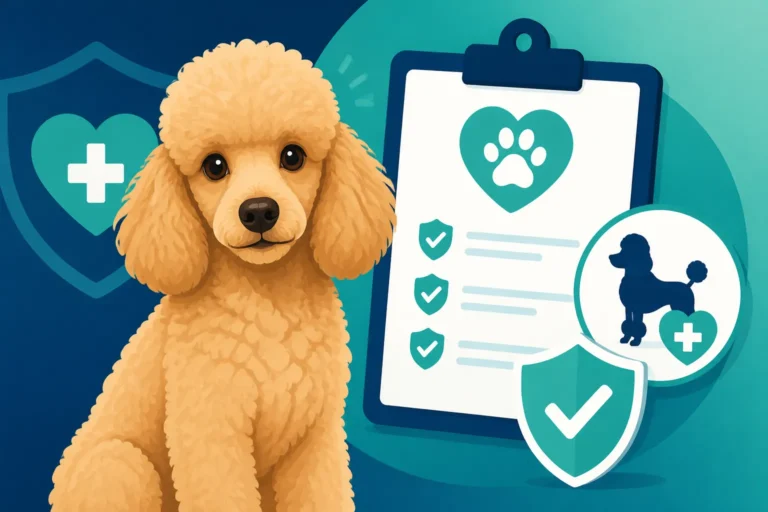
Pet insurance is truly a game-changer for high-cost emergencies like GDV. Investing in a good policy before any health issues arise can save you thousands of dollars, transforming a potentially devastating financial event into a manageable one. When looking for a policy, particularly for a Standard Poodle, consider providers known for comprehensive coverage that includes emergency care, diagnostics, and surgery.
Providers like Healthy Paws are often recommended because they offer unlimited lifetime benefits on all plans and cover accidents, illnesses, emergencies, cancer, and hereditary conditions. While they won't cover pre-existing conditions (meaning if your Poodle has already had bloat, a new policy won't cover a recurrence, though gastropexy significantly reduces that risk), they can be invaluable for the first unexpected emergency. Always read the fine print, understand the deductible, reimbursement percentage (e.g., 80% or 90%), and annual limits. Having insurance means you can focus on your dog's recovery without the added stress of a crushing vet bill, often allowing you to approve life-saving treatments you might otherwise hesitate over. It gives you the freedom to make medical decisions based on what's best for your Poodle, not solely on your wallet.
Emergency Savings and Alternative Funding
If pet insurance isn't an option, or you have a high deductible, an emergency fund is your next best friend. Having a dedicated savings account for pet emergencies, even if it's just a few hundred dollars accumulating each month, can make a huge difference in an emergency.
- Dedicated Savings: Aim to save at least $3,000-$5,000 over time. While it sounds like a lot, this amount can cover the bulk of most emergency surgeries and immediate post-op care. Treat it like a car repair fund, but for your Poodle.
- Credit Options: Many veterinary clinics offer payment plans through third-party services like CareCredit. These can provide deferred interest periods if paid off within a certain timeframe, acting as an emergency line of credit. However, if not paid off, interest rates can be high, so understand the terms thoroughly.
- Crowdfunding/Assistance Programs: In dire situations, some owners turn to crowdfunding platforms like GoFundMe or seek assistance from veterinary aid organizations (e.g., RedRover, Pet Fund). This isn't a guaranteed solution, but it can provide some relief and connect you with a supportive community.
- Working with Your Vet: Sometimes, if you have a long-standing relationship with your vet, they may be able to offer payment arrangements or direct you to local resources or charities that can help. It never hurts to ask, especially if you're a responsible, long-term client.
The Preventative Gastropexy and Its Cost
Given the high risk and devastating nature of bloat in Standard Poodles, many owners opt for a preventative gastropexy. This elective surgery permanently sutures the stomach to the abdominal wall, preventing it from twisting. While it doesn't stop the stomach from dilating (filling with gas), it effectively eliminates the lethal 'volvulus' component, which is the most dangerous aspect of bloat.
A preventative gastropexy is significantly less expensive than emergency bloat surgery because it's planned, performed during regular business hours, and typically on a healthy dog. The cost for a prophylactic gastropexy usually ranges from $800 to $2,000. It's often performed concurrently with spaying or neutering, which can reduce the overall cost by only requiring one anesthetic event and one recovery period. For a Standard Poodle owner, this is a serious consideration for peace of mind, as outlined in Gastropexy Surgery Costs for a Standard Poodle. It truly is one of the most impactful preventative measures you can take for your deep-chested Poodle, offering a substantial reduction in the risk of a fatal bloat episode.
Proactive Measures to Mitigate Bloat Risk
While a preventative gastropexy is the gold standard for reducing the risk of GDV, there are other daily management strategies that every Standard Poodle owner should adopt. These actions, combined with awareness, can further reduce the chances of a bloat emergency and help you feel more in control of your Poodle's health.
Smart Feeding Habits to Reduce Risk
The way you feed your Standard Poodle can play a crucial role in preventing bloat. It's not just what they eat, but how and when they eat. Even small changes can make a big difference in managing risk factors.
- Multiple Small Meals: Instead of one large meal, break your Poodle's daily food allowance into two or three smaller meals. This prevents the stomach from becoming overly distended at one time, reducing the pressure that can contribute to twisting.
- Slow Down Rapid Eaters: If your Poodle inhales their food, consider using a slow feeder bowl or puzzle feeder. These bowls have ridges or obstacles that force the dog to eat more slowly, reducing the amount of air they swallow with their food and promoting more thorough chewing. Brands available on platforms like Chewy offer a wide variety of these specialized bowls that can make a real difference in mealtime speed.
- Avoid Exercise Before and After Meals: Do not allow vigorous exercise (running, jumping, intense play, or even car rides that cause excitement) for at least one hour before and two hours after meals. This allows the stomach to digest food without being jostled or stressed, which can increase the likelihood of twisting.
- Water Access, But Not Excessive Gulping: Always provide fresh water, but monitor your Poodle's drinking habits. If they gulp large amounts of water immediately after eating or exercising, it might be wise to limit the volume available at those times and offer smaller amounts more frequently. Large volumes of water can also distend the stomach.
- Avoid Elevated Bowls: Historically, elevated bowls were recommended to prevent bloat, but recent studies have shown they may actually increase the risk in large, deep-chested breeds. It's generally best to feed your Poodle at ground level. This contradicts older advice, but newer research suggests that Bowl Height and Standard Poodle Bloat Risk is a factor to consider carefully.
- Diet Quality: While there's no magic "anti-bloat" food, some believe that high-quality, easily digestible diets may be beneficial. Avoid diets with a very high fat content in the first ingredients, or those with highly fermentable ingredients. If you're considering a fresh food diet, brands like Ollie offer meal plans that might suit a Poodle's sensitive stomach, but always introduce new foods slowly and consult your veterinarian for personalized dietary advice.
These Feeding Habits That Raise Poodle Bloat Risk are important to understand and modify if necessary. Every little bit of prevention helps reduce the chances of a bloat emergency.
Recognizing Early Signs and Acting Fast
Even with all the preventative measures, bloat can still happen. Your ability to recognize the early signs and act swiftly is absolutely critical for your Poodle's survival. Time is of the essence, and delaying can have fatal consequences.
- Pacing and Restlessness: One of the first and most common signs is often unusual restlessness. Your Poodle might seem uncomfortable, pacing, unable to settle down, or constantly shifting positions trying to find comfort. They may appear anxious or agitated.
- Distended Abdomen: The belly might appear visibly swollen, especially on the left side, and feel tight like a drum when gently tapped. However, this isn't always obvious in the early stages, in very furry Poodles, or in dogs that are lying down, so don't wait for this sign alone.
- Non-Productive Retching: This is a classic and highly concerning symptom. Your Poodle will repeatedly try to vomit, straining forcefully, but nothing comes up or only a small amount of foamy saliva. This indicates that the stomach entrance is blocked.
- Drooling and Pain: Excessive drooling (hypersalivation) and clear signs of pain (whining, groaning, panting heavily, standing with an arched back, or repeatedly looking at their flank/abdomen) are common.
- Weakness and Collapse: As the condition progresses, your Poodle might become weak, lethargic, have pale gums, a rapid heart rate, and eventually collapse due to shock. This is a very late-stage sign and indicates extreme danger.
If you observe any of these signs, particularly non-productive retching or a rapidly distending abdomen, do not wait. Get your Poodle to the nearest emergency veterinary clinic immediately. Do not try to treat it at home with home remedies or wait to see if it improves. A quick call to the clinic on your way can alert them to your arrival, allowing them to prepare for immediate intervention and save precious minutes. Recognizing Emergency Signs of Poodle Bloat is a skill every Standard Poodle owner must master.
The Road to Recovery and Beyond
Surviving bloat surgery is a huge hurdle, but the journey doesn't end there. Post-operative care is crucial for a full recovery, and long-term vigilance remains paramount. You and your Poodle have faced a significant challenge, and ongoing care is key to a healthy future.
Navigating the Recovery Period
Your Poodle will be coming home from the vet clinic often tired, sore, and with an incision that needs careful attention. The recovery period typically lasts several weeks and requires your dedication and adherence to veterinary instructions.
- Restricted Activity: For the first few weeks (usually 2-4 weeks), your Poodle's activity will be severely restricted. No running, jumping, climbing stairs, or strenuous play. Leash walks for potty breaks only, and always supervised. This prevents strain on the incision site and allows internal healing of the stomach attachment to the abdominal wall.
- Medication Schedule: You'll be sent home with a regimen of pain medication and possibly antibiotics, anti-nausea drugs, or gastric protectants. Adhere strictly to the schedule provided by your vet. Administering medication on time is crucial for comfort and preventing complications.
- Incision Care: Keep the incision site clean and dry. Monitor it daily for any signs of redness, swelling, heat, discharge, or if your Poodle is excessively licking it. An E-collar (cone of shame) will likely be essential to prevent licking or chewing at the stitches, which can lead to infection or dehiscence (opening of the wound).
- Dietary Adjustments: Your vet will advise on a gradual return to normal food, likely starting with small, frequent meals of easily digestible, bland food. Continue to follow the bloat-prevention feeding habits discussed earlier, making them a permanent part of your Poodle's routine.
- Follow-Up Appointments: Schedule and attend all follow-up appointments with your regular veterinarian to ensure proper healing, staple/suture removal, and to address any concerns. This is also a good time to discuss any long-term management plans or lingering questions.
It’s important to remember that even with a gastropexy, your Poodle can still experience gastric dilatation (bloating with gas without twisting). So, continued vigilance with feeding practices and recognizing potential distress, even if it's not a full-blown twisted stomach, is always necessary. Your Poodle still relies on your keen observation.
Emotional Impact and Support for Owners
Experiencing a bloat emergency with your Poodle is incredibly traumatic. The fear, the suddenness, the high stakes, and the intense financial burden can take a heavy emotional toll on owners. It's completely normal to feel stressed, exhausted, guilty for not noticing sooner, or even a sense of shock and disbelief, even if you did everything right. This is an emotionally charged event, and your feelings are valid.
Reach out to your support system – friends, family, or online Poodle communities. Sharing your experience can be cathartic and provide valuable advice and emotional solace. Many Poodle owners have been through similar ordeals and understand the unique pressures of owning a deep-chested breed. It's a journey, and you don't have to go through it alone. Remember, your Poodle is incredibly resilient, and with your diligent care and the expertise of your vet team, they have a strong chance of returning to a happy, healthy life. Be kind to yourself through this process, too.
Disclaimer
The information provided in this article is for general informational purposes only and is not intended as a substitute for professional veterinary advice. Always consult with a qualified veterinarian for any health concerns or before making any decisions related to your Poodle's health and treatment. Costs mentioned are estimates and can vary significantly based on location, veterinary practice, and individual circumstances.