Poodle Obedience and Rally Titles
Many Poodle owners know they have an intelligent dog on their hands, but sometimes it feels like that clever brain is just plotting how to counter-surf or open the pantry door. The truth is, Poodles thrive on having a "job," and channeling their innate smarts and eagerness into structured activities like obedience and rally can be incredibly rewarding for both of you. This guide will walk you through the exciting world of Poodle obedience and rally titles, explaining what these sports entail, why Poodles are natural stars, and how you can get started on earning those coveted ribbons with your amazing companion.
Understanding Obedience and Rally: What Are They?
Before you even think about stepping into a ring, it helps to understand what exactly "obedience" and "rally" mean in the dog world. These aren't just about good manners at home; they're competitive dog sports designed to showcase the harmonious relationship and communication between a dog and its handler. They test a dog's willingness to comply with commands and a handler's ability to clearly direct their canine partner.
The Core of AKC Obedience Trials
Traditional obedience, often referred to simply as "obedience," is all about precision, control, and reliability. Think of it as a series of formal exercises where your Poodle demonstrates its ability to follow commands accurately and promptly, regardless of distractions. You’ll perform specific movements like heeling, staying in position for extended periods, coming when called, and retrieving objects. The judge observes every nuance, from the Poodle’s straightness in heel to the speed of its retrieve. Each exercise has a perfect score, and points are deducted for any imperfections. It's a sport that truly demands a strong, clear bond and a Poodle that is keen to work with you. A Poodle's innate desire to please, combined with their sharp minds, often makes them excellent candidates for this demanding sport, which is why Training the Second Smartest Dog Breed often includes a heavy emphasis on these foundation skills.
Imagine standing on a precise spot, your Poodle perfectly positioned at your left side. You give a command, and they sit instantly, waiting for your next instruction. Then, with a fluid motion, you begin to heel, turning, stopping, and changing pace, all while your Poodle maintains that ideal position, their eyes on you. This isn't just about the dog knowing the commands; it's about the precision and consistency with which they execute them, even when a tasty crumb or an interesting smell might be lurking nearby. It’s a testament to many hours of dedicated training and building a profound level of mutual understanding.
Decoding Rally Obedience
Rally obedience, often called "Rally-O," is a fantastic bridge between basic obedience and the more formal traditional obedience. It’s designed to be more dynamic and handler-friendly, emphasizing continuous communication and teamwork as you navigate a course of numbered stations. At each station, there's a sign instructing you and your Poodle to perform a specific exercise, such as "Sit, Down, Sit," "Spiral Right – Dog Outside," or "Figure 8." Unlike traditional obedience, you can talk to and encourage your Poodle throughout the course. This constant verbal encouragement and praise is not only allowed but encouraged, making it a very positive and engaging experience for both ends of the leash. For a Poodle, who thrives on interaction, rally can be incredibly fun!
Picture a series of signs laid out in a path, almost like a puzzle. You and your Poodle approach the first sign, read the instruction, and perform the maneuver. Then, you briskly move to the next sign, engaging your Poodle with upbeat chatter and praise. It’s less about military precision and more about demonstrating a joyful, willing partnership. If your Poodle lags a bit or needs a quick verbal cue to refocus, that’s perfectly fine and part of the sport's spirit. This freedom to communicate openly makes it an appealing entry point for many Poodle owners who want to explore dog sports without the intense pressure of traditional obedience. It's truly a celebration of the unique connection you share.
The Progression of Titles
Both obedience and rally offer a clear progression of titles, allowing you and your Poodle to advance your skills and earn recognition for your hard work.
-
Obedience Titles:
- Companion Dog (CD): This is the entry-level title. It requires successful completion of novice exercises like heel on leash, figure eight, stand for examination, recall, and a group stay. Earning a CD shows your Poodle is a well-mannered companion capable of performing basic commands reliably.
- Companion Dog Excellent (CDX): This title involves open-level exercises, which include off-leash heeling, drop on recall, retrieve on the flat, retrieve over the high jump, broad jump, and a long sit/down stay with the handler out of sight. It demands a much higher degree of off-leash control and more complex retrieves.
- Utility Dog (UD): The highest regular obedience title, Utility introduces challenging exercises like scent discrimination (your Poodle must find an article you touched among many untouched ones), directed retrieve (sending your Poodle to retrieve a specific glove), signal exercises (performing commands with only hand signals), and a moving stand for examination.
- Utility Dog Excellent (UDX) and Obedience Grand Master (OGM): These are advanced titles earned by repeatedly qualifying in Open and Utility classes, showcasing exceptional consistency.
-
Rally Titles:
- Rally Novice (RN): The entry level, performed on leash. Courses typically have 10-15 stations with basic exercises.
- Rally Advanced (RA): This level introduces off-leash work and more complex maneuvers, with 12-17 stations.
- Rally Excellent (RE): At this level, all exercises are off-leash and the courses are more challenging, featuring advanced movements and increased distractions.
- Rally Master (RM) and Rally Championship (RACH): These are advanced titles earned by accumulating points and qualifying scores at the Excellent and Master levels, demonstrating a high degree of proficiency and consistency.
Each title requires three qualifying scores (Q's) under different judges. Achieving these titles means countless hours of practice, building a deeper connection, and proving your Poodle's incredible capabilities. Many Poodle owners find that the journey of earning these titles is even more fulfilling than the titles themselves.
Why Poodles Shine in Obedience and Rally
It's no secret that Poodles are remarkably intelligent, and this characteristic, combined with their athletic build and inherent desire to work, makes them truly exceptional candidates for obedience and rally sports. They often excel where other breeds might struggle, turning training into a dynamic and engaging experience.
Poodle Intelligence and Eagerness to Please
Poodles consistently rank among the most intelligent dog breeds. Dr. Stanley Coren, in his book "The Intelligence of Dogs," placed the Poodle as the second most intelligent breed, capable of learning new commands in fewer than five repetitions and obeying known commands 95% of the time or better. This isn't just a fun fact; it's a huge advantage in sports like obedience and rally. They pick up new exercises quickly, understand complex sequences, and remember cues with impressive recall. This quick learning often means you can progress faster than with other breeds, provided you keep training sessions engaging and varied. Poodle Intelligence and Coren's Ranking delves deeper into why they are such quick studies.
Beyond their raw intelligence, Poodles possess a powerful eagerness to please their handlers. They thrive on positive interaction and praise, and they genuinely enjoy the collaborative process of learning and performing. This "can-do" attitude means they're often willing partners, even when faced with challenging new exercises or the distractions of a trial environment. They want to work with you, and that desire translates into enthusiastic and focused performance. However, this intelligence can also be a double-edged sword; a bored Poodle is often a mischievous Poodle, so keeping their minds active with sports like rally or obedience is paramount. Why a Bright Poodle Gets Bored explores this aspect further.
Athleticism and Trainability Across Sizes
One of the great things about Poodles is that their inherent qualities for these sports aren't limited to just one size. Whether you have a majestic Standard Poodle, a lively Miniature, or a spunky Toy Poodle, they all possess the physical and mental attributes to excel.
- Standard Poodles: These elegant athletes have the stamina and drive for demanding obedience routines, including retrieving larger dumbbells and performing broad jumps. Their confident demeanor and ground-covering gait make their heeling a joy to watch.
- Miniature Poodles: Miniatures offer a wonderful balance of athleticism and portability. They are incredibly agile, quick to respond, and have boundless energy for rally courses and complex obedience exercises. Their medium size makes them versatile for many settings.
- Toy Poodles: Don't let their small stature fool you! Toy Poodles are just as intelligent and trainable as their larger cousins. They can execute every obedience and rally exercise, often with an adorable enthusiasm. Their small size makes them perfect for indoor training spaces and easy to travel with to trials.
All Poodle sizes are built for movement. Their strong, compact bodies and springy gaits allow them to perform retrieves, jumps, and intricate heel patterns with grace and precision. This physical capability, coupled with their sharp minds, means they are not only capable of learning the exercises but also of performing them with the necessary athleticism and style. Why Poodle Health Splits by Size touches on how each size has its own considerations, but trainability is universal.
The Bond and Communication Advantage
Obedience and rally are ultimately about the partnership between dog and handler, and this is where the Poodle truly excels. They are often described as "Velcro dogs," forming incredibly strong bonds with their human companions and thriving on constant interaction. This close bond creates a natural advantage in both sports.
In rally, where continuous communication is encouraged, a Poodle’s attentiveness to its handler is a huge asset. You can use your voice, body language, and hand signals freely, constantly guiding and encouraging your Poodle through the course. Their ability to read subtle cues and respond enthusiastically makes rally a flowing and enjoyable experience. For example, a Poodle that naturally shadows you everywhere might pick up on your body language shifts for a 'Left About Turn' almost intuitively.
Even in the more formal traditional obedience, where verbal communication is minimal during exercises, the depth of the handler-Poodle bond shines through. The intense focus a Poodle places on its handler allows for precision and accuracy. They trust your leadership and are motivated by your approval, which translates into unwavering performance, even in distracting environments. This deep connection, built on mutual respect and positive reinforcement, is the secret sauce that makes Poodles not just good, but often phenomenal, in these competitive sports.
Getting Started with Your Poodle
The idea of earning titles with your Poodle might seem daunting at first, but every champion started with a single step. Getting involved in obedience and rally is an incredibly enriching journey that strengthens your bond and provides your Poodle with a wonderful outlet for their intelligence and energy.
Foundation Training at Home
Before you even think about stepping into a formal class, a solid foundation of basic obedience at home is crucial. This isn't just about teaching commands; it's about establishing clear communication, trust, and a positive working relationship with your Poodle. Start with the absolute basics:
- Sit and Down: These are fundamental positions used in almost every exercise. Practice them reliably in various environments.
- Stay: A strong stay is critical for obedience and rally, teaching your Poodle to hold a position until released. Start with short durations and gradually increase distance and time.
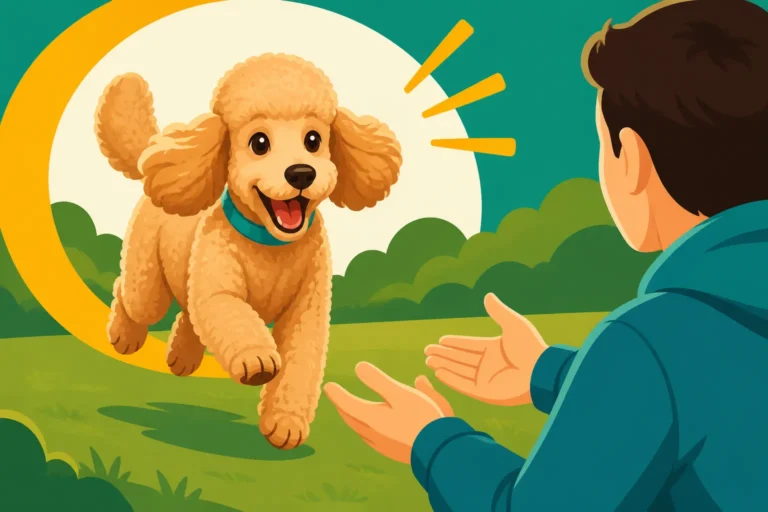
- Come (Recall): A reliable recall is perhaps the most important command for any dog, and it's a cornerstone of obedience. Make coming to you the most rewarding thing your Poodle can do.
- Loose-Leash Walking/Heel: Teaching your Poodle to walk politely by your side, without pulling, is essential for heeling exercises and navigating rally courses. A good fitting harness or collar and consistent practice are key. Leash Manners for a Standard Poodle has some excellent tips for any size Poodle.
Use positive reinforcement methods exclusively. Poodles are sensitive and intelligent; harsh corrections can easily shut them down and damage their willingness to work. Rewards like high-value treats (small, soft, and easy to swallow, especially for Toy Poodles), enthusiastic praise, and favorite toys will motivate your Poodle to offer desired behaviors. Remember, Treats Small Enough for a Toy Poodle can be found easily and make a huge difference in training effectiveness. Short, frequent training sessions (5-10 minutes) are far more effective than long, drawn-out ones, especially when starting out.
Finding the Right Class and Instructor
Once your Poodle has a solid grasp of home basics, finding a structured class is the next vital step. This provides a controlled environment with distractions, expert guidance, and the camaraderie of other dog owners.
- Look for Local Dog Clubs: Many local kennel clubs or all-breed clubs offer a range of obedience and rally classes, often at more affordable rates than private trainers. They usually have experienced instructors who compete themselves.
- Seek Positive Reinforcement Trainers: Prioritize trainers who use modern, science-based, positive reinforcement methods. Avoid any trainer who advocates for force, intimidation, or punitive tools. A good instructor will help you understand why your Poodle performs a certain way and how to build motivation.
- Observe a Class: Before committing, ask if you can observe a class without your Poodle. Watch how the instructor interacts with the dogs and handlers. Do the dogs seem happy and engaged? Are the handlers learning effectively? This helps you gauge the teaching style and ensure it aligns with your philosophy.
- Consider Online Resources: For those without local options, or who prefer to learn at their own pace, online training programs can be incredibly helpful. Platforms like BAXTER & Bella offer comprehensive online puppy and dog training programs that cover everything from foundational manners to preparing for competitive sports. Their curriculum often includes video tutorials, live Q&A sessions, and personalized support, which can be invaluable for Poodle owners looking for expert guidance from home.
The right instructor can make all the difference, transforming a potentially frustrating experience into a joyful learning adventure for both you and your Poodle. A trainer who understands the Poodle temperament will get the best out of your dog. Finding a Trainer a Poodle Will Not Shut Down For is a crucial read here.
Essential Gear for Training and Trials
Having the right equipment can significantly impact your training success and comfort in the ring. You don't need a lot, but a few key items will make a world of difference.
- Leash: A standard 6-foot leash made of leather or nylon is ideal for training and Novice rally. For competition, avoid retractable leashes or anything too bulky.
- Collar: A flat buckle collar or a martingale collar (especially good for Poodles with their often slender necks to prevent slipping out) are standard. Chain or prong collars are not permitted in the ring and are generally not recommended for Poodles due to their sensitive nature.
- Treat Pouch: An absolute must-have! A treat pouch keeps rewards easily accessible, allowing for precise timing of reinforcement. Look for one that attaches securely to your waist and has a wide opening. You can find many excellent options on Amazon that cater to different styles and preferences, making it easy to keep your Poodle motivated.
- High-Value Treats: As mentioned, Poodles are highly motivated by food. Have a variety of soft, pea-sized treats that your Poodle absolutely loves. Cut them small so they can be consumed quickly without breaking focus.
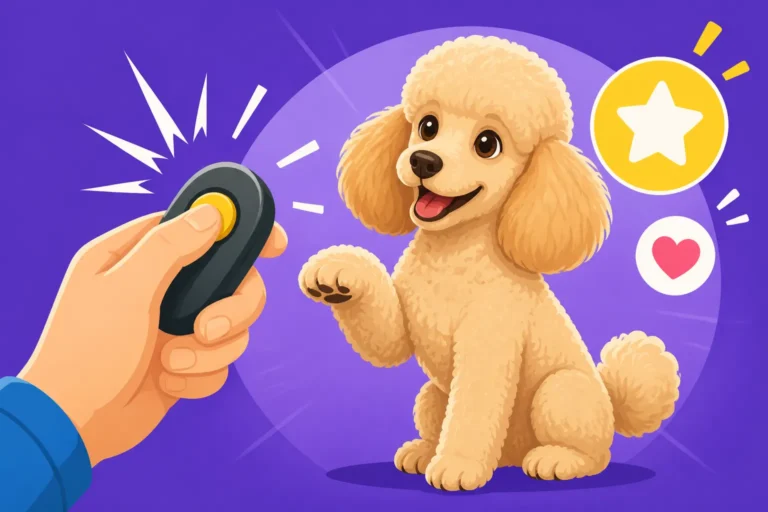
- Target Stick/Clicker: While not strictly necessary for trials, these tools can be incredibly effective for teaching new behaviors and shaping complex movements during initial training. Poodles, with their intelligence, often respond wonderfully to clicker training, which helps with Clicker Timing With a Fast-Learning Poodle.
- Cones or Markers: Simple household items like plastic cups or small toys can serve as markers for practicing turns, heeling patterns, or rally stations in your yard.
- Water and Bowl: Always bring fresh water for your Poodle, especially at classes or trials.
- Crate: A comfortable crate provides a safe, quiet space for your Poodle to rest between exercises or while waiting for their turn at a trial.
Investing in quality, comfortable gear for both you and your Poodle will make your training sessions more enjoyable and effective, setting you up for success in the ring.
Navigating the Trial Process
Once you and your Poodle have mastered the exercises and you feel ready, the next exciting step is to enter an actual trial. This is where all your hard work comes together, and you get to showcase your Poodle's talent and your strong partnership.
Entering a Trial and Understanding Rules
The first hurdle is often figuring out how to actually enter a trial.
- Finding Trials: Sanctioning bodies like the American Kennel Club (AKC) list upcoming events on their websites. You can search by state, date, and sport. Local dog clubs also publicize their trials. Plan to enter well in advance, as popular trials can fill quickly.
- Premium Lists: Once you find a trial, you'll download a "premium list." This document contains all the essential information: judge names, entry fees, class offerings, rules, and entry deadlines. Read it thoroughly!
- Registration: Entries are typically submitted through an event secretary or an online entry service. You'll need your Poodle's registered name and number.
- Rules and Regulations: It's absolutely crucial to understand the rules for the specific class you're entering. For example, in Novice Obedience, the dog must be on leash for certain exercises, while in Rally Novice, you can use continuous verbal encouragement. Knowing what's allowed and what incurs deductions will save you from accidental faults. Ignorance of the rules won't prevent disqualification. Many clubs offer "run-throughs" before trials, which are informal practice sessions under trial conditions, giving you a chance to iron out any last-minute kinks and get comfortable with the ring environment.
On trial day, arrive early to allow your Poodle time to adjust to the new surroundings, relieve themselves, and warm up. Watch other competitors in your class if possible; it can help you get a feel for the judge's pacing and expectations. Most importantly, stay calm and positive for your Poodle. They feed off your emotions.
Common Challenges and How to Overcome Them
Even the most well-trained Poodle and experienced handler can encounter challenges in the trial ring. It's a high-pressure environment, and things sometimes go awry.
- Ring Stress/Nerves: Both Poodles and handlers can get nervous. Your Poodle might be distracted by the new environment, other dogs, or the judge. Your own nerves can also transmit down the leash.
- Solution: Practice in varied locations, gradually exposing your Poodle to new sights and sounds. Attend "match shows" or "run-throughs" to simulate trial conditions without the pressure. Focus on deep breathing and positive self-talk to manage your own stress. Always make the experience positive for your Poodle, even if you make mistakes.
- Lack of Focus: Your Poodle might break a stay to sniff, look at a spectator, or lose interest mid-exercise.
- Solution: Build focus through engagement games at home. Use high-value rewards that your Poodle finds irresistible in the ring. Keep training sessions fun and upbeat. If your Poodle starts to drift, a quick, happy word or a change in your tone can sometimes bring them back. Remember that sometimes Poodle Addison's Mistaken for Sulking can manifest as a lack of drive or focus, so rule out any underlying health issues.
- Handler Errors: This is probably the most common challenge! Forgetting a command, giving a wrong cue, or messing up a retrieve.
- Solution: This is where thorough practice and knowing the rules come in. Visualize the entire sequence of exercises before you enter the ring. If you make a mistake, acknowledge it, learn from it, and move on. Don't punish your Poodle for your error.
The key to overcoming challenges is preparation, patience, and maintaining a positive attitude. Every trial is a learning experience, regardless of the score.
Celebrating Your Poodle's Achievements
The moment you hear the steward announce that you've earned a qualifying score, or even better, completed the requirements for a new title, is incredibly special. It’s a culmination of hours of training, dedication, and the unwavering bond you share with your Poodle.
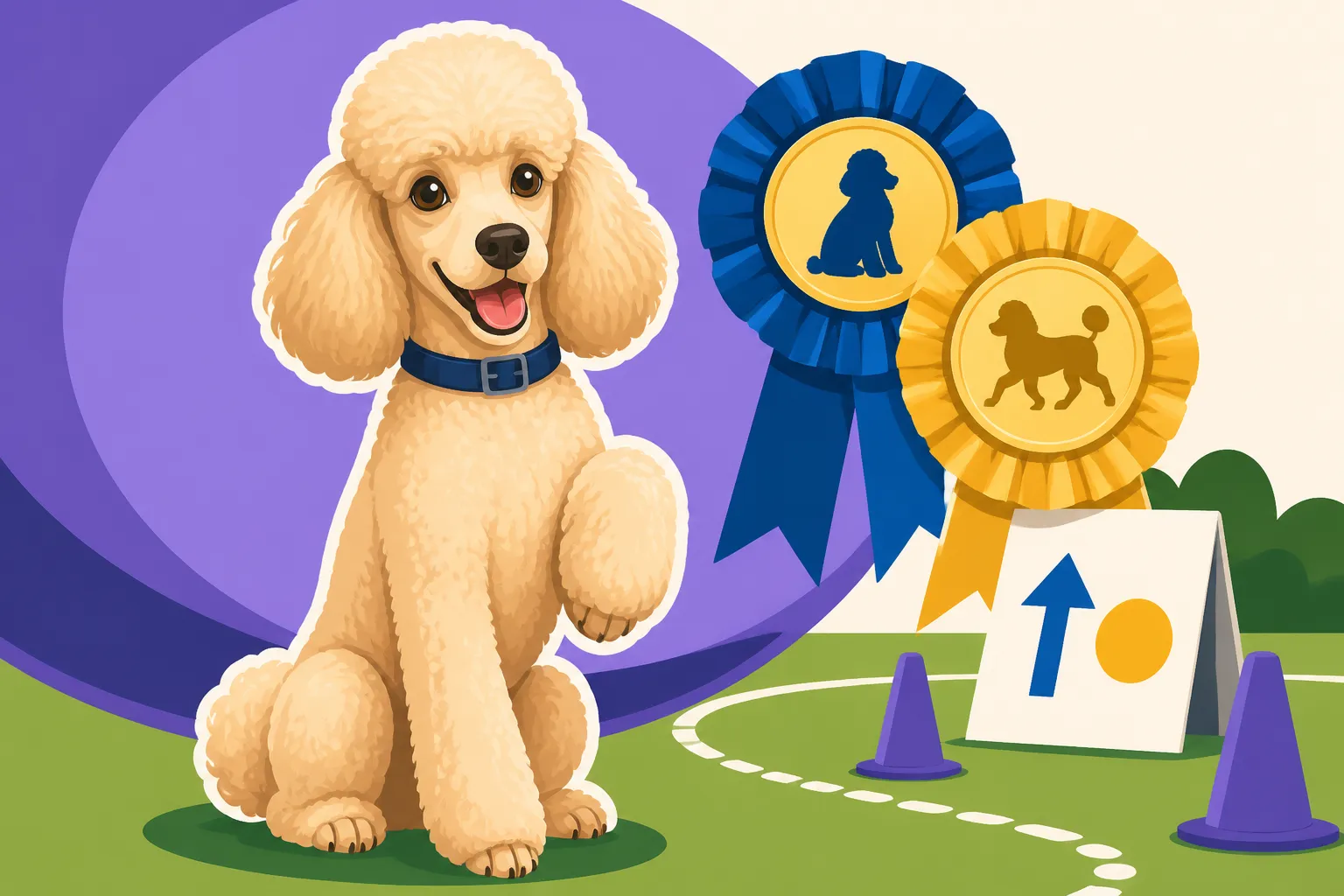
- Ribbons and Certificates: For each qualifying score, you'll typically receive a ribbon. Once you've earned enough scores for a title, the sanctioning body (like the AKC) will send you an official certificate. These tangible rewards are lovely reminders of your shared journey.
- Pride and Accomplishment: Beyond the physical awards, there's an immense sense of pride and accomplishment. You've taught your Poodle complex behaviors, navigated stressful environments, and demonstrated a beautiful partnership. For your Poodle, it's a testament to their intelligence and willingness to work with their favorite person.
- Deepened Bond: The process of training and competing fundamentally deepens your relationship. You learn to communicate more effectively, understand each other's subtle cues, and trust each other in new ways. This enhanced bond extends far beyond the trial ring and enriches your daily life together.
Whether you earn a Rally Novice title or climb all the way to a Utility Dog, celebrate every success, big or small. Treat your Poodle to an extra special meal, a new toy, or an extended play session. They earned it, and so did you! The journey itself, filled with learning and growth, is often the greatest reward.
Beyond the Basics: Advanced Poodle Performance
Once you've tasted the thrill of the beginner titles, you might find yourself hooked! Obedience and rally offer endless opportunities for continued learning and progression, pushing both you and your Poodle to new heights.
Exploring Advanced Obedience Exercises
Moving into Open and Utility obedience introduces a level of complexity and precision that truly showcases a Poodle's advanced capabilities. These exercises go far beyond basic commands and require nuanced understanding and consistent performance.
- Off-Leash Heeling: In Open, all heeling is done off-leash. This means your Poodle must stay perfectly by your side, through turns and changes of pace, relying solely on your verbal cues and body language. It demands impeccable focus and trust.
- Retrieve Over High Jump and Broad Jump: These retrieve exercises test not just the retrieve, but also your Poodle's athleticism and willingness to jump obstacles on command. Your Poodle must clear a solid jump and then return over it with the retrieved dumbbell, or clear a series of low hurdles for the broad jump.
- Scent Discrimination: This is often considered one of the most challenging Utility exercises. Your Poodle must find a specific article (either leather or metal) from a pile of identical articles, identifying the one you briefly handled by scent alone. It highlights their incredible olfactory senses and focus.
- Directed Retrieve: In this exercise, your Poodle is sent from the handler to retrieve a specific glove, choosing from multiple gloves placed around the ring, demonstrating their ability to follow precise directional commands.
- Signal Exercises: Perhaps the most elegant of Utility exercises, your Poodle must perform all basic commands (heel, stand, sit, down, come) using only silent hand signals, showcasing a deep level of communication and understanding without a single word.
These advanced exercises are not just about difficulty; they're about refining your Poodle's understanding, enhancing their drive, and demonstrating a profound partnership. They demand intricate training, patience, and a Poodle who is truly a keen and intelligent partner.
Mastering Rally Courses and Strategic Planning
Advanced and Excellent rally courses, and particularly the Master level, are a far cry from the straightforward Novice walks. They introduce more intricate sign combinations, increased difficulty in execution, and a need for strategic planning from the handler.
- Complex Sign Combinations: You might encounter sequences like "Figure 8," immediately followed by a "Spiral Left – Dog Inside," and then a "Send Over Jump." These require quick thinking and seamless transitions.
- Advanced Maneuvers: Signs will include pivot turns, back up, moving stand exercises, and even some scent-based elements or distance work. The dog must perform these with enthusiasm and accuracy.
- Strategic Course Walking: Before your turn, you'll "walk the course" without your dog. This is your chance to plan your path, identify potential trouble spots, and decide how you'll approach each station. Will you use a specific hand signal, a quick verbal reminder, or change your pace? This strategic element adds another layer of mental engagement for the handler.
- Flow and Pace: While rally encourages continuous communication, the higher levels also reward a smooth, flowing performance. You want to maintain a brisk pace without rushing or sacrificing accuracy, showing off your Poodle's joyful willingness to work.
Mastering advanced rally is a fantastic way to keep your Poodle's mind sharp and their body active. It continually challenges their problem-solving skills and reinforces the joy of working together as a team.
The Journey of Lifelong Learning
Participating in obedience and rally, whether at the beginner or advanced level, is more than just earning titles; it's a commitment to lifelong learning and engagement with your Poodle. Poodles, with their high intelligence, truly thrive when they have a purpose. Without mental stimulation, they can become bored, which often leads to undesirable behaviors. Why a Poodle Needs a Job Rather Than a Walk highlights this perfectly.
These sports provide that essential "job" that keeps their minds active and their bodies fit. As your Poodle ages, you can adjust your training, focusing on maintaining skills or even exploring new sports like nose work or trick training. The beauty of these activities is that they are scalable; you can always find a way to keep your Poodle engaged, challenged, and happy, no matter their age or physical condition. Caring for an Aging Poodle is a good resource for keeping senior Poodles active and healthy.
Ultimately, the journey through Poodle obedience and rally titles is about strengthening an already incredible bond, celebrating your Poodle's unique brilliance, and creating a lifetime of shared experiences and achievements. So, go ahead, grab that leash, some tasty treats, and embark on this wonderful adventure with your amazing Poodle!
| Aspect | Traditional Obedience | Rally Obedience |
|---|---|---|
| Primary Goal | Precision and reliability in specific exercises | Teamwork and communication through a course |
| Course Structure | Set exercises performed in a specific order | Numbered signs dictate exercises along a path |
| Handler Communication | Minimal during exercises; handler acts as director | Continuous verbal encouragement and hand signals allowed |
| Dog's Attitude | Calm, focused, precise | Enthusiastic, engaged, happy |
| Pacing | Controlled, deliberate, structured | Brisk, flowing, dynamic |
| Entry Level | Companion Dog (CD) | Rally Novice (RN) |
| Advanced Levels | Companion Dog Excellent (CDX), Utility Dog (UD) | Rally Advanced (RA), Rally Excellent (RE), Rally Master (RM) |
| Off-leash Work | Required at Open and Utility levels | Introduced at Advanced level, required at Excellent and Master |
| Judge's Focus | Exact execution and absence of faults | Overall teamwork, attitude, and accuracy |
| Suitable For | Poodles who thrive on structure and precision | Poodles who enjoy constant interaction and encouragement |
Disclaimer
This article is for general informational purposes only and does not constitute professional advice. Laws, prices and regulations vary by location and change over time. Consult a qualified professional for guidance on your specific situation.