Introducing Clippers to a Poodle Puppy
Bringing a new Poodle puppy home is such an exciting time, full of cuddles and anticipation of all the joy they'll bring. But let's be honest, that beautiful, curly Poodle coat comes with a serious grooming commitment, and often, new owners feel a deep sense of dread when it comes to introducing the noisy, vibrating clippers. This guide is here to walk you through a gentle, positive approach to help your little Poodle learn to not just tolerate, but actually enjoy their grooming sessions, making life easier for both of you in the long run.
Why Early Clipper Introduction Matters So Much for Poodles
Poodles aren't like many other breeds that shed their coat seasonally. Their hair grows continuously, which is why they're often touted as "hypoallergenic," but it also means they need consistent, regular grooming to prevent painful matting. Ignoring this critical aspect of their care can lead to serious skin issues, discomfort, and even expensive trips to the vet or professional groomer for a complete shave-down. Starting early with positive associations makes all the difference in establishing a lifelong grooming routine that isn't a battle.
The Poodle Coat's Unique Demands
The Poodle's dense, curly coat is truly a marvel, but it's also a magnet for tangles and mats if not properly maintained. Unlike breeds with double coats that shed seasonally, Poodle hair just keeps growing, intertwining with itself. This means that from a very young age, your Poodle puppy needs to become accustomed to being brushed, bathed, and, yes, clipped. Imagine trying to introduce a loud, vibrating tool to an adult dog who's never experienced it before – it's a recipe for stress, fear, and even aggression. This unique coat is precisely why early desensitization to clippers is not optional, but essential.
Think of it this way: your Poodle puppy will need a full-body clip every 4-8 weeks for their entire life, which could be 12 to 18 years! That's a lot of grooming sessions. If each one is a struggle, full of fear and restraint, it takes a toll on both you and your dog. You’ll find yourself dreading it, and your Poodle will associate grooming with anxiety. This early foundational work prevents a lifetime of stress and ensures your Poodle can stay comfortable and healthy in their beautiful coat. You can learn more about The Poodle Coat and Why It Never Stops Growing.
Building a Positive Association Early On
The goal isn't just tolerance; it's positive association. We want your Poodle puppy to view grooming, and specifically the clippers, as a neutral or even pleasant experience, rather than a scary one. This isn't achieved by forcing them, but by pairing the clippers with high-value rewards and making the process gradual and fun. Just as you would socialize your puppy to new people and places, you need to socialize them to grooming tools.
For instance, if your puppy associates the sight and sound of clippers with getting a super yummy treat or a game of tug, they're much more likely to cooperate. It’s all about creating positive emotional responses. If you’ve ever tried to force a child to do something they don’t want to do, you know how quickly it can backfire. Dogs are no different. They learn through association. The earlier you start, the more malleable their minds are, and the easier it is to ingrain positive feelings about these necessary tools. Starting this early also helps with Getting a Poodle Puppy Used to Being Handled, which is crucial for all aspects of their care.
Essential Tools and Creating the Right Environment
Before you even think about turning on a clipper, you need to set yourself and your Poodle puppy up for success. This means having the right equipment and establishing a calm, positive atmosphere. Rushing into it with unsuitable tools or in a chaotic environment will only make the experience more difficult and potentially traumatic for your puppy.
Choosing Quiet, Cordless Clippers
One of the biggest fear factors for puppies (and even adult dogs) is the noise and vibration of clippers. This is why investing in good quality, quiet, and preferably cordless clippers is paramount. Cheaper clippers can be incredibly loud and vibrate intensely, making them terrifying for a sensitive Poodle puppy. Look for clippers specifically designed for dogs, as they are generally quieter than human hair clippers. Cordless options offer more flexibility and prevent the cord from becoming a tripping hazard or a distraction for a wiggly puppy.
Consider brands that specialize in quiet operation. While I can't name specific models or prices, a quick search on a platform like Amazon for "quiet dog clippers" will give you a good starting point. Read reviews from other Poodle owners about noise levels. Having a smooth, low-vibration clipper will significantly reduce your puppy's apprehension and make the desensitization process much smoother. You might also want to explore Clippers Worth Buying for a Poodle for more in-depth advice on equipment.
Setting the Stage for Success
The environment plays a huge role in your puppy's comfort level. Choose a quiet, familiar space where your puppy already feels safe and relaxed, like a corner of the living room or their designated "happy place." Make sure there are no other distractions like loud TVs, other pets, or busy foot traffic. Have a non-slip surface for your puppy to stand on – a bath mat or a grooming table with a rubber surface works wonderfully. This prevents them from slipping and feeling insecure, which can add to their stress.
Have all your supplies ready beforehand: treats (small, high-value ones are best!), the clippers (off, to start), a brush, and maybe a lick mat with peanut butter. The goal is to make this dedicated space and time a positive experience. Think of it as a calm, fun training session, not a chore. The more consistent you are with the location and routine, the quicker your Poodle will understand what's happening and relax into the process. This careful preparation mirrors good practices for Teaching a Poodle to Hold Still on the Table.
A Step-by-Step Guide to Clipper Desensitization
Desensitization is all about breaking down a potentially scary experience into tiny, manageable steps, pairing each step with something positive. It requires patience and consistency, but the payoff is a Poodle who accepts grooming with grace, or at least without significant protest. Remember, slow and steady wins the race here. Do not rush any step.
Phase 1: Introducing the Sound and Feel (Off)
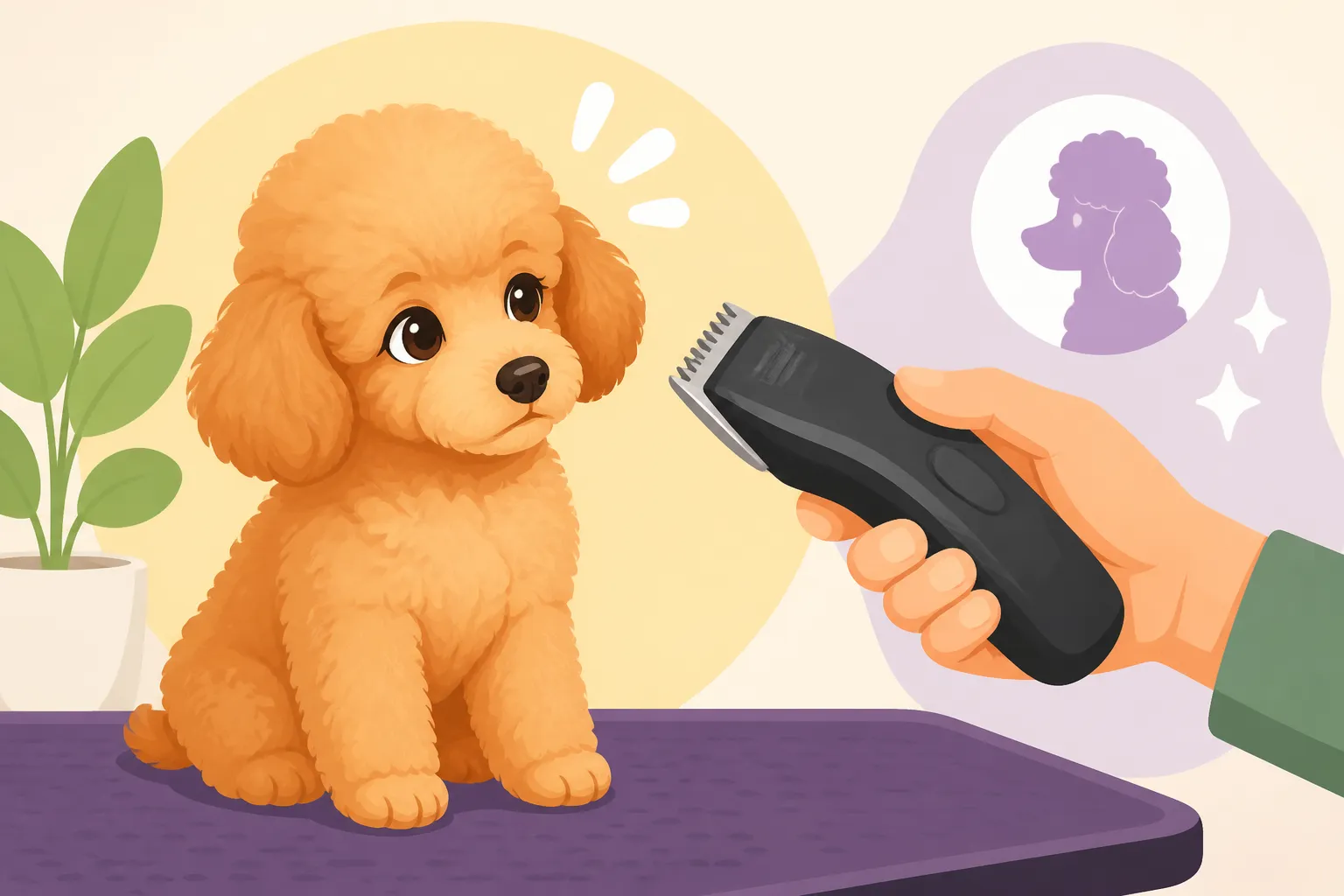
Start by simply having the clippers visible in the room. Let your puppy see them, sniff them, and don't make a big deal out of it. Praise and treat them for calm curiosity. Next, hold the off clippers in your hand while you pet your puppy. Let them feel the weight and shape against their body, without any vibration or sound. Again, plenty of praise and treats for any calm acceptance.
Once they're comfortable with that, introduce the sound without direct contact. Turn the clippers on for just a second or two, a few feet away from your puppy, while simultaneously offering a high-value treat. As soon as the clippers go off, the treat delivery stops. This helps create the association: clippers on = yummy treat. Gradually decrease the distance between the clippers and your puppy, always ensuring the treat appears the moment the clippers are on, even for the briefest moment. Keep sessions short – just a few minutes at a time, several times a day if possible. This stage is crucial for Desensitizing a Poodle to Clippers.
Phase 2: Gentle Vibrations and Short Sessions (On)
Once your puppy is completely unfazed by the sound of the clippers nearby, it's time to introduce the vibration. With the clippers on, gently touch the back of the clippers (the non-blade end) to your puppy's paw, or a less sensitive area like their shoulder or rump, for just a second. Immediately follow with a treat and praise. Remove the clippers. Repeat this a few times, always keeping it super short and positive.
The key here is brevity and reward. You want to build up positive micro-experiences. If your puppy shows any signs of fear – tensing up, trying to pull away, whining – you've moved too fast. Go back to the previous step where they were comfortable. The goal is to end each session on a positive note, even if it means just touching the clippers to their paw for a split second and giving the "jackpot" treat. This methodical approach will prevent your sensitive Poodle from shutting down, which can happen if you move too quickly or apply too much pressure. Consider a clicker for precise timing of your rewards, as covered in Clicker Timing With a Fast-Learning Poodle.
Phase 3: Making Light Contact and Rewards
Now that your puppy is comfortable with the sound and vibration on their body, you can introduce the blade (ensure it's clean and cool, never hot!). Start with a very low-contact, easy-to-reach area, like the top of a paw or a tiny patch on their back. With the clippers on, lightly skim the blade over the hair for just a second, then immediately reward with a treat and praise. The goal isn't to remove hair yet, but to create the sensation.
Gradually increase the duration of the contact. One second, then two, then three. Always stop before your puppy gets stressed. It's better to do many very short, positive sessions than one long, unpleasant one. Work on one small area at a time, praising and treating generously. For instance, do one paw, then take a break. Later, work on another paw. Slowly, you can work your way up to clipping the sensitive areas like their face and feet, which often require special attention. Make sure you have Treats Small Enough for a Toy Poodle if you have a smaller Poodle variety, to avoid overfeeding during these frequent reward sessions.
Common Challenges and Troubleshooting
Even with the best intentions and a gentle approach, you might hit some bumps in the road. It's completely normal for puppies to have off days, or for certain areas of their body to be more sensitive than others. Don't get discouraged!
When Your Poodle Puppy Is Still Scared
If your Poodle puppy is showing significant fear, stress, or even aggression towards the clippers, it's a clear sign you've moved too quickly. The first step is to stop immediately. Pushing a frightened puppy will only make the fear worse and harder to overcome. Go back to the very first step where your puppy was comfortable, even if it means just having the clippers in the room. Spend more time at each phase, ensuring complete comfort before moving on.
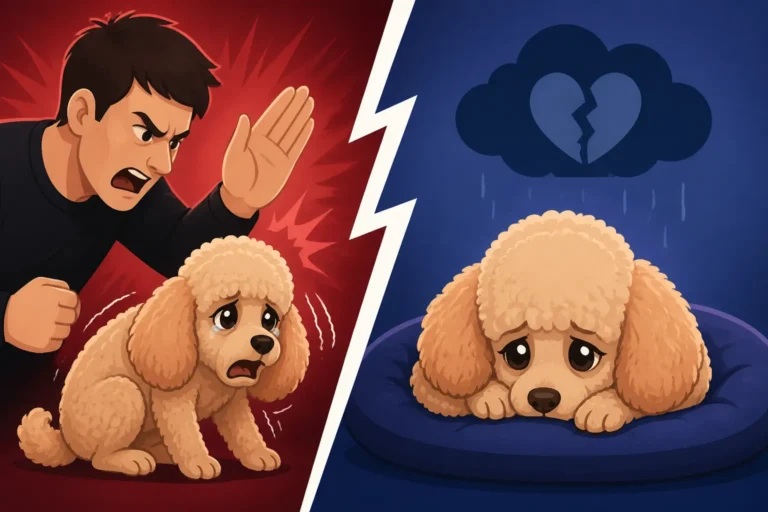
Sometimes, a change of scenery or even a different type of treat can make a difference. Some puppies respond better to a puzzle feeder with a smeared treat than individual pieces. If you're really struggling, don't hesitate to consult a professional positive reinforcement dog trainer or a groomer experienced in cooperative care. They can offer personalized guidance and help identify specific triggers. Remember, Why a Poodle Shuts Down When Scolded applies here – negative reinforcement is counterproductive.
Maintaining Consistency and Patience
Consistency is truly the magic ingredient in desensitization. Short, frequent sessions (even just 2-5 minutes, 2-3 times a day) are far more effective than one long, infrequent session. The more often your puppy has a positive, low-stress experience with the clippers, the faster they will learn that there's nothing to fear. Think of it as tiny deposits in their "positive association bank account."
Patience is equally important. Your Poodle puppy is learning something entirely new and potentially intimidating. Some puppies will take to it quickly, while others will need weeks or even months of gradual work. Celebrate every small victory – a moment of calm, a relaxed ear, a willingness to lean into the touch. Don't compare your puppy's progress to others. Every dog is an individual. Building this strong foundation of trust and positive association now will pay dividends throughout your Poodle's long, happy life, making all future grooming sessions a breeze.
| Phase | Action | Goal | Success Indicators |
|---|---|---|---|
| 1: Introduction | Clippers visible, then held (off) | Neutrality to presence & touch (no sound) | Puppy sniffs, ignores, or is curious; no fear signs |
| 2: Sound Exposure | Clippers on (away), pair with treats | Positive association with sound (no contact) | Puppy looks for treat when clippers turn on; no flinching |
| 3: Vibration Touch | Back of clippers (on) briefly touches body | Acceptance of vibration on non-sensitive areas | Puppy tolerates touch, takes treat, remains relaxed |
| 4: Blade Contact | Blade (on) lightly skims hair, short duration | Acceptance of blade sensation, hair removal | Puppy allows light skimming, takes treat, no protest |
| Troubleshooting | Stop, go back a step, consult trainer | Re-establish comfort, identify triggers | Puppy shows curiosity or relaxed body language |
Disclaimer
This article is for general informational purposes only and does not constitute professional advice. Laws, prices and regulations vary by location and change over time. Consult a qualified professional for guidance on your specific situation.