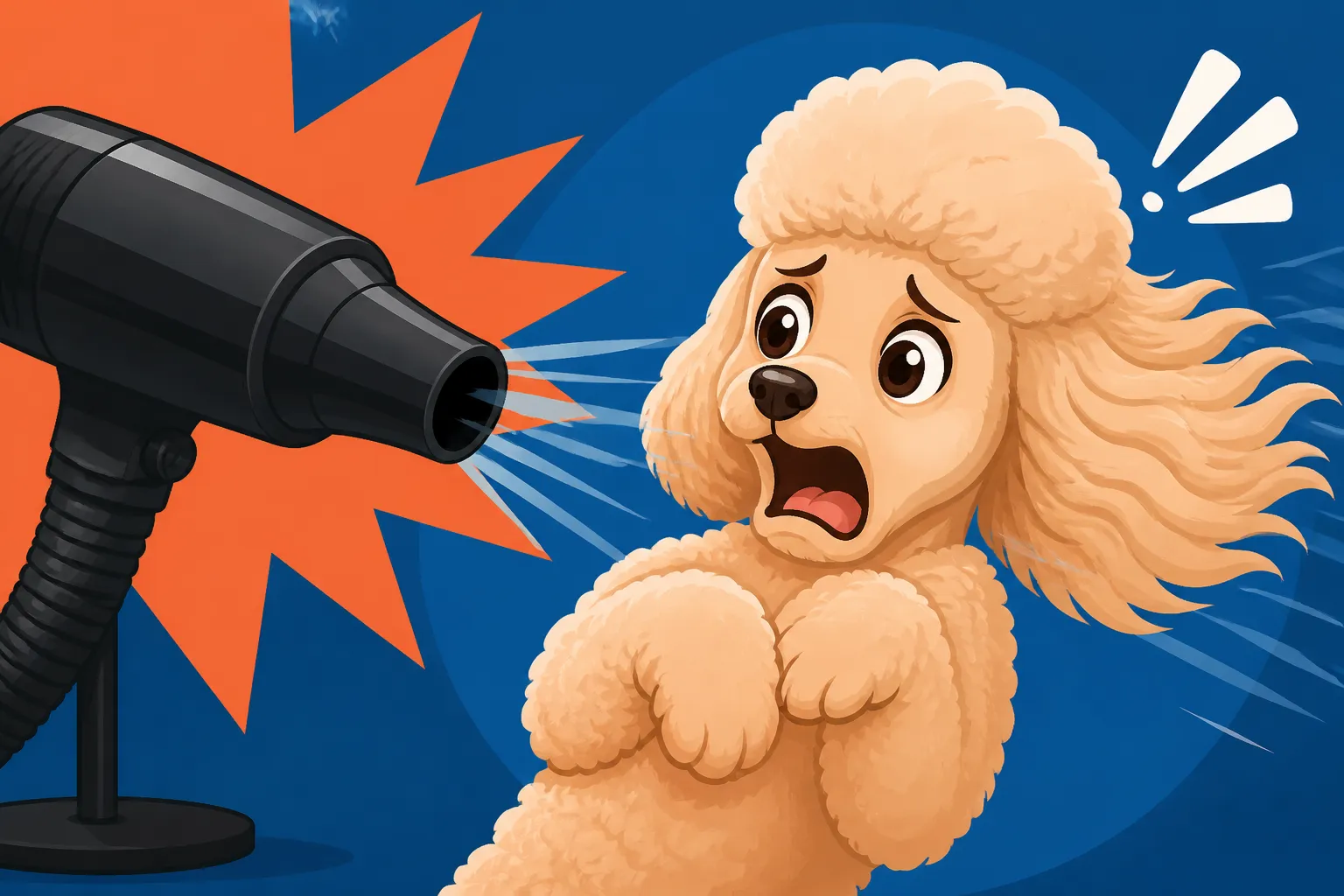
Why a Poodle Fears the High Velocity Dryer
It can be incredibly disheartening, and frankly, quite stressful, when your beloved Poodle absolutely melts down at the mere sight or sound of a high-velocity dryer. You know how important thorough drying is for their unique coat, but seeing them cower, shake, or even snap makes you question if you're doing something wrong. This guide aims to shed light on why many Poodles develop such an intense fear of high-velocity dryers and, more importantly, offers empathetic, actionable strategies to help your Poodle overcome this challenge, making grooming a much calmer experience for everyone involved.
The Sensory Overload of a High-Velocity Dryer
Imagine a powerful leaf blower aimed at your body, accompanied by the roar of a jet engine, and you might start to understand what a high-velocity dryer feels like to a sensitive Poodle. Their world is already heightened by incredible hearing and touch, and this piece of equipment can be a genuine assault on their senses. It’s not just one thing that scares them; it’s a symphony of overwhelming stimuli.
The Sheer Volume and Pitch
Poodles have fantastic hearing, far superior to ours, allowing them to detect sounds at much higher frequencies and lower volumes. What sounds like a tolerable hum to us can be an ear-splitting shriek to them. High-velocity dryers are, by their very design, loud. They need to move a lot of air quickly, and that comes with a significant decibel level. The particular pitch of the motor combined with the rush of air can be genuinely painful for some Poodles, causing them to flinch, pull away, or even try to bite out of sheer terror. It’s not disobedience; it’s a primal reaction to discomfort.
Consider a Poodle standing calmly for a bath, enjoying the warm water, and then suddenly a deafening roar starts. Their natural instinct isn't to stand still, it's to escape the source of the overwhelming noise. This initial shock can create a lasting negative association, making subsequent drying sessions even harder. It’s why some Poodles will start to tremble the moment they see the dryer come out, even before it’s turned on – they’re anticipating the terrifying sound.
The Force and Sensation of the Air
Beyond the noise, the sheer force of the air coming out of a high-velocity dryer is a major factor. These dryers are designed to blast water off the coat, not just gently blow-dry. This strong gust of air can feel like a powerful wind or even a physical assault to a Poodle, especially around sensitive areas like their face, ears, and belly. Imagine a strong fan blowing directly into your eyes or ears for an extended period – it’s not pleasant.
For a Poodle, this can be incredibly disorienting and uncomfortable. The sensation of their skin being pushed and pulled by the air, the fluttering of their delicate ear leathers, or the unexpected blast on their muzzle can be deeply unsettling. Some Poodles interpret this as a threat, leading to defensive behaviors. They might try to duck, turn their head away frantically, or even snap at the nozzle to make it stop. This isn’t aggression; it’s an attempt to regain control over an uncomfortable and frightening situation.
Unfamiliar Vibrations and Heat
While high-velocity dryers aren't typically known for excessive heat (they primarily use air velocity), the air can still feel warm, especially if held too close or for too long in one spot. More subtly, the vibration from the dryer's motor, transferred through the nozzle or even the floor if the dryer is placed nearby, can also be disconcerting. Poodles are highly attuned to their environment, and these unexpected vibrations can add another layer of sensory confusion to an already overwhelming experience.
Think about how many Poodles are sensitive to thunderstorms or vacuums – it’s not just the sound, but often the subtle changes in air pressure and vibration that trigger their anxiety. A high-velocity dryer combines all these elements into one intense package. For a Poodle, being subjected to a loud, forceful, vibrating, and warm air stream can be utterly terrifying, making it clear why they might develop a profound fear of this essential grooming tool. It truly is a full-body, overwhelming experience that requires a gentle, patient approach to overcome.
Early Experiences and Negative Associations
Just like humans, a Poodle’s early experiences can profoundly shape their reactions to new things. A single bad encounter with a high-velocity dryer, particularly during their impressionable puppyhood, can lay the foundation for a lifelong fear. It’s not always about malice; sometimes, it’s simply a lack of understanding or rushed circumstances that create these lasting negative associations.
Puppyhood Trauma or Overwhelm
The critical socialization window for Poodles typically runs from around 3 weeks to 16 weeks of age. During this time, puppies are sponges, absorbing information about the world and forming their opinions on what is safe and what is scary. If a Poodle puppy is introduced to a high-velocity dryer too abruptly, without proper desensitization, or if the experience is genuinely frightening, that fear can cement itself quickly. For example, a young puppy, perhaps on their very first professional groom, might be blasted with a dryer before they’ve had a chance to understand the noise or feel of it. The groomer might be efficient but unintentionally create a negative memory.
Imagine a small, fluffy Poodle puppy, barely weaned, being placed on a grooming table. They're already nervous about the new surroundings, strange smells, and being handled by unfamiliar hands. Then, suddenly, a loud, roaring machine starts, blowing strong air that buffets their tiny body. This single, overwhelming event can teach them that the dryer, the grooming table, and even the groomer are all things to be feared. This early trauma can manifest as extreme avoidance, aggression, or profound anxiety during future grooming sessions, making it challenging for even the most patient owners.
Lack of Gradual Introduction and Positive Reinforcement
Often, the biggest mistake isn't an intentional act of cruelty, but simply a missed opportunity for proper introduction. Many Poodles are exposed to the dryer directly, at full power, without a slow, step-by-step process to help them acclimate. They might not have been given treats, praise, or breaks to make the experience positive. Instead, the focus is often on getting the job done quickly, which can inadvertently create stress.
Without positive reinforcement, the Poodle has no reason to associate the dryer with anything good. If every encounter with the dryer is just endured, with no comfort or reward, they learn that it's simply a scary thing they must tolerate. This can be compounded if the owner or groomer becomes frustrated, which a sensitive Poodle will pick up on immediately, adding to their anxiety. Teaching a Poodle that Training a Poodle to Enjoy Grooming requires patience and consistent positive experiences.
Owner or Groomer Frustration
Let's be honest, trying to dry a Poodle thoroughly can be a lengthy process, and when your dog is fighting you every step of the way, it's easy to get frustrated. This frustration, however subtle, is often perceived by a Poodle. They are incredibly intuitive creatures, often called "Velcro dogs" for their close bond, and they pick up on our emotions. If an owner sighs loudly, holds the Poodle tighter than necessary, or speaks in a sharp tone, the Poodle can interpret this as confirmation that the situation is indeed scary and that their human is unhappy with them. This feedback loop can escalate the fear.
Groomers, too, are under time constraints and may not have the luxury of spending hours desensitizing a single dog. If a Poodle is particularly difficult, a groomer might become less gentle, inadvertently reinforcing the Poodle’s fear. This is why finding a groomer who understands Poodle sensitivity and prioritizes positive experiences is so crucial. A poor experience, even if it seems minor to us, can be a major setback for a Poodle's confidence and willingness to cooperate, reinforcing the belief that the dryer is something to be absolutely terrified of. Addressing these foundational fears means going back to basics and rebuilding trust around the grooming process.
Desensitization and Counter-Conditioning Strategies
Overcoming a Poodle's fear of the high-velocity dryer isn't a quick fix; it's a marathon, not a sprint. It requires immense patience, consistency, and a deep understanding of desensitization and counter-conditioning. The goal is to gradually expose your Poodle to the dryer in a way that doesn't trigger fear, while simultaneously creating positive associations with it. This process can be lengthy, but the reward is a calmer, happier Poodle during grooming.
Starting From Scratch: Baby Steps
The absolute key is to break down the terrifying experience into minuscule, non-threatening steps. You want to stay under your Poodle's fear threshold at all times. This means if your Poodle panics at the sight of the dryer, you start with just having the dryer in the room, turned off, and rewarding them for calm behavior. If they are fine with that, maybe you move it slightly closer. The increments should be so small that your Poodle barely notices or isn't bothered by them.
For example, begin by simply placing the dryer in a corner of the room where you usually groom, completely unplugged. Walk by it, toss treats near it (not on it), and praise your Poodle for any curiosity or indifference. Do this for several days until the dryer is just "furniture." Next, plug it in, but don't turn it on. When your Poodle is comfortable, turn it on for literally one second, from a distance, and immediately turn it off, followed by a shower of high-value treats and praise. The moment they hear the sound, they get something amazing. Gradually increase the duration and decrease the distance over days or even weeks. This gentle approach helps rewire their brain's association with the dryer. Remember, Teaching a Poodle to Hold Still on the Table also benefits from this kind of incremental practice.
Creating Positive Associations with Treats and Play
Every single step of desensitization must be paired with something incredibly positive for your Poodle. This is where high-value treats come in – think boiled chicken, cheese, or liver paste – things they rarely get otherwise. The goal is to create a strong "food equals dryer" link in their brain. So, if the dryer turns on for one second, they get a jackpot of treats. If you pick up the nozzle, they get a treat. If you gently touch their paw with the cold, off nozzle, they get a treat.
You can also incorporate play. If your Poodle loves a squeaky toy or a game of tug, use that as a reward. The moment the dryer goes off, initiate a quick play session. The idea is to make the dryer predict good things. This is counter-conditioning in action: changing their emotional response from fear to anticipation of a reward. This process helps to build a more resilient Poodle, capable of Rebuilding Trust With a Frightened Poodle if past experiences were negative.
Utilizing Noise Control and Calming Aids
While desensitization is paramount, sometimes you need a little help to manage the initial sensory overload. Consider using quiet-friendly grooming tools. While a high-velocity dryer is still loud, some models are designed to be slightly quieter or have variable speed controls. For your Poodle, even a small reduction in decibels can make a big difference.
You can also use external aids. Dog-specific ear muffs or cotton balls in the ears (ensure they are easily removable and don't go too deep) can help muffle the sound. Play calming music during grooming sessions. Some owners find success with pheromone sprays or diffusers that create a sense of calm. A calming chew or supplement given an hour before grooming might also take the edge off for extremely anxious Poodles, though always consult your vet before introducing new supplements. The goal here is to reduce the overall sensory input just enough to allow the desensitization to be effective. Remember, your aim is to help your Poodle, not force them to endure, and combining these methods can make a real impact on their comfort level.
Tools and Techniques for a Calmer Grooming Session
Once you've made significant progress with desensitization and counter-conditioning, incorporating the right tools and techniques can further solidify positive grooming experiences. It's about setting your Poodle up for success and minimizing any potential setbacks. A calm environment and thoughtful approach are just as important as the grooming itself.
The Right Equipment and Gradual Power Usage
Investing in a quality, quieter high-velocity dryer can make a world of difference. While no high-velocity dryer is truly silent, some models offer better noise reduction and more precise control over airflow. Look for dryers with variable speed and heat settings. Brands often available on platforms like Amazon will have reviews that speak to their noise levels, which can be a good indicator.
Start your drying sessions on the lowest possible setting, both for speed and heat, and gradually increase it only as your Poodle tolerates it. Don't blast them with full power right away, even if they're making progress. Always keep the nozzle moving and never hold it in one spot for too long, as this can cause discomfort or even clipper burn if the air gets too warm. Ensure the nozzle is held a reasonable distance from their skin. When you're ready to teach them to tolerate this, remember that Teaching a Poodle to Accept the Dryer needs to be a slow, steady process.
Strategic Drying and Body Language Awareness
Don't attempt to dry your Poodle's most sensitive areas first. Start with less sensitive parts of their body, like their back or legs, moving the dryer in long, sweeping motions. Work your way up to the belly, armpits, and eventually the face and ears. For the face, many Poodles do better with a lower setting or even a towel dry, or a human hair dryer (on a cool setting, held far away) which is typically much quieter, followed by thorough brushing.
Crucially, pay close attention to your Poodle's body language. Are their ears pinned back? Is their tail tucked? Are they yawning excessively, lip-licking, or trying to turn away? These are all signs of stress. If you see these signals, stop immediately. Take a break, offer a treat, and try again later or with an even lower setting. Poodles are very expressive, and understanding Reading Pain in a Sensitive Poodle is vital. Never push them past their comfort zone, as this can undo all your hard work and rebuild their fear. If your Poodle begins to show signs of extreme stress or shuts down completely, refer to resources like BAXTER & Bella for professional guidance on handling fearful dogs, as sometimes an extra set of eyes and expert advice can be invaluable.
Consistency and Professional Help
Consistency is absolutely key. Short, frequent sessions (even just a few minutes every day or every other day) are much more effective than long, infrequent ones. Each positive, brief exposure reinforces the idea that the dryer isn't scary. Keep these sessions upbeat, positive, and always end on a good note, even if it means stopping before the Poodle is completely dry. The goal is to build confidence, not to achieve perfect dryness every time initially.
If you find yourself struggling, or your Poodle's fear is deeply ingrained, don't hesitate to seek professional help. A certified professional groomer who specializes in fearful dogs, or a veterinary behaviorist, can provide tailored guidance and techniques. They might recommend specific conditioning exercises, medication to help manage anxiety during the retraining process, or simply offer an objective perspective on your Poodle's behavior. Sometimes, a fresh approach from an experienced professional is what it takes to turn the tide, especially when dealing with deeply rooted fears. Remember that for deeply ingrained fears, Whether a Fearful Poodle Needs Sedation to Groom might be a temporary option while you work on desensitization.
| Sensory Element | How a Poodle Might Perceive It | Impact on Fear | Desensitization Strategy |
|---|---|---|---|
| Noise (Volume) | Loud, jarring, potentially painful high-pitched sound | Startles, causes anxiety, ear discomfort | Gradual introduction, low volume, ear protection |
| Air Force | Powerful gust, feels like a physical assault | Disorienting, uncomfortable, perceived threat | Start low, keep nozzle moving, distant application |
| Vibration | Unsettling, unexpected tremors | Creates unease, adds to sensory overload | Familiarize with dryer off, calm environment |
| Heat | Warm air, potential for skin discomfort | Unpleasant sensation, can cause avoidance | Use cool/low heat settings, keep distance, constant motion |
Disclaimer
This article is for general informational purposes only and does not constitute professional advice. Laws, prices and regulations vary by location and change over time. Consult a qualified professional for guidance on your specific situation.