Teaching a Poodle to Fetch and Deliver
It’s a common sight: a Poodle, with its keen intellect and natural athletic ability, eagerly chasing down a thrown toy. They snatch it up with gusto, then… they run off with it. Or they bring it back, but just out of reach, initiating a frustrating game of keep-away. We all know the Poodle was bred to retrieve, but translating that raw instinct into a reliable "fetch and deliver" can feel like a puzzle, especially when your clever canine decides the game is more fun if they set the rules. This guide is all about channeling that innate drive into a rewarding, cooperative game of fetch that benefits both you and your Poodle.
Understanding the Poodle's Natural Drive to Retrieve
Poodles, regardless of size, carry the strong genetic legacy of their ancestors: waterfowl retrievers. The very name "Poodle" comes from the German word "Pudel," meaning "to splash in water," a direct nod to their original job. This history means they are predisposed to chase, catch, and carry items. However, carrying an item is not the same as delivering it to your hand. That's where training comes in, bridging the gap between instinct and a polished, useful behavior.
The Instinctual Chase and Carry
Imagine their ancestors, plunging into icy water to retrieve ducks. They weren't just grabbing the duck; they were holding it gently but firmly, then bringing it back to the hunter. Your Poodle still possesses that fundamental drive. They love to move, to use their bodies and their brains, and a good game of fetch taps right into that. It’s a physical outlet that also provides mental stimulation, which is incredibly important for such intelligent dogs. When you throw a ball, their brains immediately light up with the primal command: go get it. The challenge for us, as modern Poodle guardians, is to ensure that "go get it" includes the "bring it back to me" part. The Poodle's Retrieving Instinct goes into more detail about this fascinating history.
Why "Deliver" Can Be a Sticking Point
The "deliver" portion of fetch is often where things fall apart for Poodle owners. Your Poodle might bring the toy close, perhaps drop it a few feet away, or even play a quick game of "catch me if you can." This isn't usually defiance; it's often a combination of factors:
- Self-rewarding behavior: Running off with the toy is fun! Keeping it from you might feel like a game.
- Lack of clear instruction: They haven't been taught that bringing it to your hand is the most rewarding outcome.
- Anticipation of the next throw: Sometimes, dogs think if they drop it too close, you'll just immediately throw it again, so they hold onto it to prolong the interaction or control the game.
- Resource guarding (less common, but possible): While Poodles generally aren't prone to severe resource guarding, some might feel a slight possessiveness over a high-value toy, making them reluctant to surrender it.
Recognizing these reasons helps us approach training with empathy and strategy. It's about making delivery the most attractive option, not forcing a surrender.
Breaking Down the "Fetch and Deliver" Process
To teach a truly reliable fetch and deliver, we need to break it down into smaller, manageable steps. Think of it like teaching a child to read; you don't start with full novels. You start with letters, then words, then sentences.
Step 1: Encouraging the Retrieve (The "Go Get It" Part)
Before your Poodle can deliver, they need to consistently retrieve. This might seem obvious, but for some dogs, even the initial chase needs a little boost.
- Choose the right toy: What does your Poodle absolutely love? Is it a squeaky plush, a bouncy rubber ball, a crinkly fabric toy? Start with their absolute favorite. Make sure it's something they can easily pick up and carry comfortably. For a Toy Poodle, a tiny squeaky mouse might be perfect, while a Standard Poodle needs something more substantial. Check out options on online retailers like Amazon, as they often have a vast selection of sizes and materials.
- Start in a distraction-free zone: A quiet living room or a fenced backyard with no other dogs or exciting smells is ideal. The fewer distractions, the more your Poodle can focus on you and the game.
- Make it exciting: Don't just toss the toy. Wiggle it, squeak it, drag it along the floor, make happy noises. Get your Poodle excited about the toy before you throw it.
- Short tosses: Begin with very short tosses, just a few feet away. The goal is to make it so easy for them to get the toy that they can't fail. As soon as they grab it, praise them enthusiastically! You want them to associate picking up the toy with positive reinforcement.
Step 2: Luring the Return (Getting Them Close to You)
Once your Poodle reliably picks up the toy, the next step is to encourage them to bring it towards you.
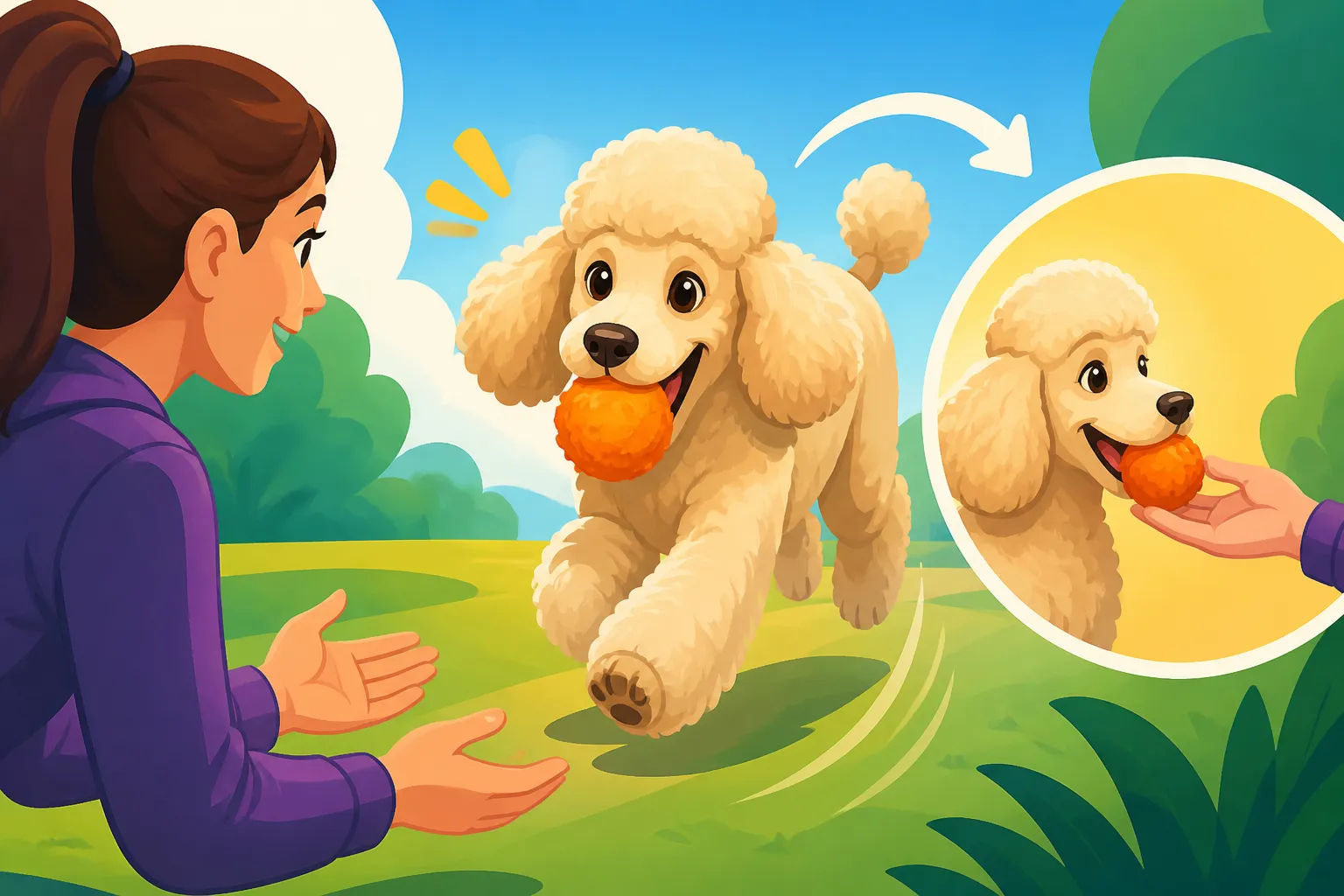
- Use enthusiastic praise and body language: As soon as they pick up the toy, start backing away from them with happy, encouraging sounds. Clap your hands, pat your thighs, say "Good Poodle, bring it!" The idea is to make yourself the most interesting thing in the environment.
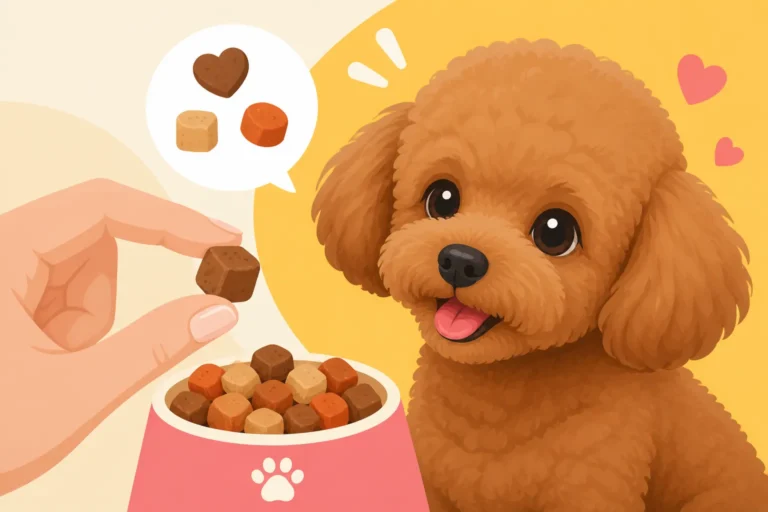
- Treats as a magnet: Once they're close, even if they're not right in front of you, show them a high-value treat. Most Poodles are incredibly food motivated. Hold the treat near your leg or chest, slightly above their nose. When they get close, even just a step or two, mark the behavior with a verbal cue like "Yes!" or a clicker, and give them the treat.
- Keep a second toy: This is a fantastic trick! As your Poodle approaches with the first toy, show them a second, equally exciting toy. Wiggle it, make it squeak. The idea is that they'll drop the first toy in anticipation of the second one being thrown. This helps avoid direct confrontation over the toy and makes dropping it a positive experience. Once they drop the first, immediately toss the second with praise.
Mastering the "Bring It" and "Drop It" Commands
These two commands are the backbone of reliable fetch and deliver. Your Poodle needs to understand that "bring it" means come all the way to you, and "drop it" means release the item into your hand or directly at your feet.
Teaching "Bring It"
"Bring It" is the command that encourages your Poodle to return with the retrieved item.
- Initial association: Start with your Poodle already holding the toy. Kneel down, make yourself small and inviting, and use a cheerful, encouraging voice to say "Bring it!" while backing away slightly.
- Reward proximity: As they move towards you, even if they're just a few steps, immediately reward them with a small, soft treat. Gradually increase the distance they need to travel before getting the reward.
- Use a long line (optional but helpful): If your Poodle tends to run off with the toy once retrieved, a lightweight long line (often available on Amazon) can be incredibly useful. When they pick up the toy, gently reel them in with the line while saying "Bring it!" Reward them when they get close. This provides a gentle physical guide that helps them understand the expectation.
- Practice in various locations: Once they're consistent in a quiet space, gradually introduce more distractions. A park with fewer people, then a busier park. This generalizes the command. This helps them understand Poodle Recall Training applies even when they have a toy.
Teaching "Drop It"
This is often the trickiest part. The key is to make "dropping it" more rewarding than holding onto it.
- The "trade" game: This is the most effective method. Your Poodle has a toy in their mouth. Present a higher value treat right under their nose. As they open their mouth to take the treat, say "Drop it!" As soon as the toy hits the ground (or your hand), immediately give them the treat and lavish praise.
- Consistency is crucial: Practice this repeatedly. After they drop it, you can sometimes pick up the original toy and immediately throw it again, especially if it's their favorite. This teaches them that "drop it" doesn't mean the fun is over; it means a better reward (treat, or another throw) is coming.
- Avoid chasing: Never chase your Poodle to get the toy back. This instantly turns it into a game of keep-away, which your Poodle will likely find hilarious and reinforcing. If they run off, simply turn your back, ignore them for a few seconds, or walk away. Often, they'll come back when they realize the game has stopped.
- The second toy method for "drop it": As mentioned before, if your Poodle is reluctant to trade for a treat, having two identical or equally exciting toys can work wonders. When they bring the first toy close, show them the second toy. As they drop the first one to grab the second, say "Drop it!" and toss the second toy. This creates a continuous, high-energy game.
Troubleshooting Common Fetch Fails
Even with the best intentions, you might run into some snags. Here are common issues and how to tackle them with your clever Poodle.
My Poodle Runs Off with the Toy After Retrieving
This is perhaps the most common frustration. Your Poodle picks up the toy, turns, and streaks in the opposite direction, tail wagging.
- Go back to basics with a long line: If this is happening, your Poodle hasn't fully grasped that bringing it to you is part of the game. Attach a long, lightweight leash (15-30 feet) to their harness. Throw the toy a short distance. When they pick it up, gently reel them in while giving your "Bring it!" command and showering them with praise. Reward them the moment they are within reach. This physical guidance helps them connect the action with the reward.
- Make yourself more interesting: Sometimes, the toy itself is more rewarding than you. Work on making yourself the epicenter of fun. Use high-pitched, excited vocalizations, quick movements (like backing up or kneeling down), and irresistible treats. Your goal is to be more exciting than a solo run with the toy.
- The "two-toy tango": As discussed, holding a second, equally exciting toy can redirect their attention. As they approach with the first toy, wiggle the second one. As they drop the first to investigate the second, immediately praise and throw the second. This teaches them that dropping a toy leads to more fun, not the end of it.
My Poodle Drops the Toy Just Out of Reach
Ah, the classic "Poodle smirk" move! They drop it tantalizingly close, daring you to take the last step.
- Increase the value of direct delivery: Your Poodle is likely getting some reward from dropping it nearby (attention, a mini-chase). You need to make dropping it in your hand or at your feet significantly more rewarding.
- Be patient and don't chase: Resist the urge to reach for the toy. If they drop it out of reach, stay still and silent. Wait them out. They might nudge it closer, or eventually come all the way. The moment they bring it even a millimeter closer, or actually deliver, that's when the jackpot reward (big praise, high-value treat, immediate re-throw of a different toy) comes out.
- Use a target: You can train your Poodle to touch their nose to your hand, or drop the toy onto a specific mat. Start by rewarding them for touching your hand with their nose (no toy). Then, have them hold the toy and touch their nose to your hand. When they open their mouth for the nose-touch reward, the toy will fall. Gradually combine this with the "Drop it" command. This gives them a clear target for delivery.
My Poodle Loses Interest After One or Two Fetches
Many smart Poodles get bored quickly if the game isn't dynamic. This isn't laziness; it's often a sign they need more mental engagement.
- Keep sessions short and sweet: Poodles thrive on variety. Don't exhaust them with endless repetitions. Five to ten successful retrieves is often better than twenty boring ones. End on a high note!
- Introduce variations: Instead of just throwing, hide the toy and have them "find" it before bringing it back. Use different toys. Throw it to different locations. Combine fetch with other commands like "sit" or "stay" before the throw, or a "down" before the "drop it."
- Puzzle toys as a reward: Sometimes, the reward for fetch can be a puzzle toy they have to figure out, making the entire interaction more stimulating. For inspiration, many advanced training programs, like those offered by BAXTER & Bella, include ideas for mental enrichment games that can be tied into fetch.
- Make it unpredictable: Don't throw the same way every time. Vary the distance, the direction, and the speed of the throw. A Poodle who knows exactly what's coming will often disengage. Keep them guessing, keep them engaged! This is part of Keeping a Poodle Mind Occupied.
Elevating Fetch to a Rewarding Partnership
Fetch isn't just about a thrown toy; it's an opportunity to build communication, reinforce your bond, and provide critical mental and physical exercise for your Poodle. When done right, it's a true partnership.
Incorporating Fetch into Daily Exercise
For Poodles, especially Standard Poodles, fetch can be an excellent way to burn off energy and satisfy their working dog instincts.
- Morning energizer: A quick 15-minute fetch session in the yard can set a positive tone for the day, helping them expend some of that morning energy before you settle into your routine.
- Mid-day break: If you work from home, a short fetch game can serve as a mental and physical break for both of you. It prevents boredom and potential destructive behaviors later. What an Unexercised Poodle Does to the House is a great read on this topic.
- Mix with walks: Instead of just walking, find safe, open spaces where you can incorporate short bursts of fetch. This adds variety to their exercise routine and engages their prey drive in a controlled way.
- Water fetch: If your Poodle loves water (many do!), integrate fetch into swimming sessions. Using a floating toy adds an extra layer of engagement and fulfills their water retriever heritage. Always prioritize safety around water.
Using Fetch for Mental Enrichment and Bonding
Beyond physical exercise, fetch is a powerful tool for cognitive stimulation and strengthening your relationship.
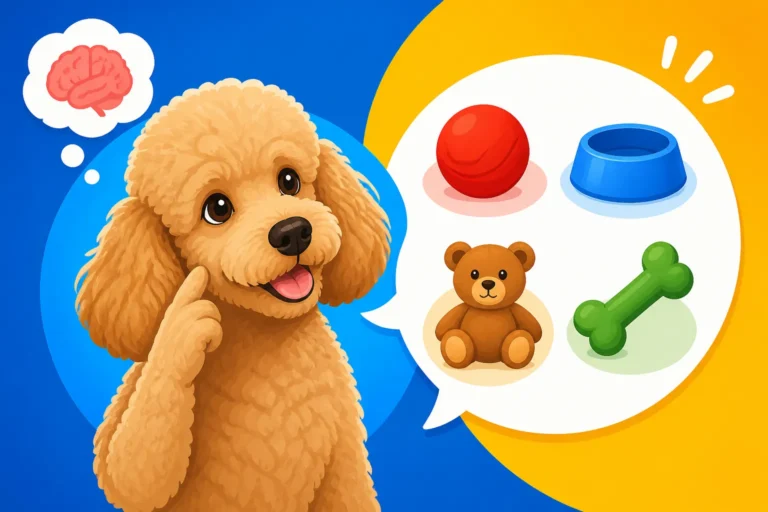
- Learning object names: Poodles are incredibly intelligent and can learn the names of many objects. Start with two distinct toys. Say "Get (toy name)!" and reward them when they bring the correct one. Gradually increase the number of named toys. This is a fantastic brain game! Teaching a Poodle to Put Toys Away is another fun way to use object recognition.
- Hide and seek fetch: Hide a favorite toy in another room or under a blanket and tell your Poodle to "Find it!" When they locate it, encourage them to "Bring it!" This combines scent work with retrieval, making it even more challenging.
- Positive reinforcement and praise: Make every successful retrieve a party! Poodles thrive on praise and positive attention from their people. Happy, enthusiastic vocalizations, gentle pets, and treats reinforce the behavior and make them want to engage more. They want to please you, and showing them their efforts are appreciated builds immense confidence and strengthens your bond.
- Consistency builds reliability: Like any training, consistency is key. Short, regular sessions are more effective than infrequent, long ones. The more you practice, the more reliable your Poodle's fetch and deliver will become, turning a fun game into a reliable behavior you can count on.
| Fetch Problem | Why It Happens | Training Solution | Key Command Focus |
|---|---|---|---|
| Runs off with toy | Self-rewarding fun; lack of clear instruction | Long line guidance, higher value for returning to handler, "two-toy tango" method | "Bring It" |
| Drops toy just out of reach | Getting attention/reward for partial return | Only reward full delivery (to hand/feet), make handler more interesting, use a specific delivery target (mat/hand) | "Drop It" |
| Loses interest quickly | Boredom, lack of mental engagement | Short sessions, variety in throws/toys, puzzle toy rewards, incorporate other commands | Both |
| Reluctant to pick up toy | Toy not high value, low energy, distractions | Use favorite toy, make toy exciting, eliminate distractions, start with very short throws | "Go Get It" |
| Mouths/damages toy on return | Over-arousal, lack of soft-mouth training | Teach "gentle," use softer toys initially, reward immediate release, don't prolong hold time | "Drop It" |
Remember, every Poodle is an individual. What motivates one might not motivate another. Be patient, be consistent, and always strive to make training a fun and engaging experience. Your Poodle's intelligence means they're quick learners, but also that they'll quickly tune out if they're bored. Keep it fresh, keep it positive, and you'll soon have a fetch champion on your hands!
Disclaimer
This article is for general informational purposes only and does not constitute professional advice. Laws, prices and regulations vary by location and change over time. Consult a qualified professional for guidance on your specific situation.