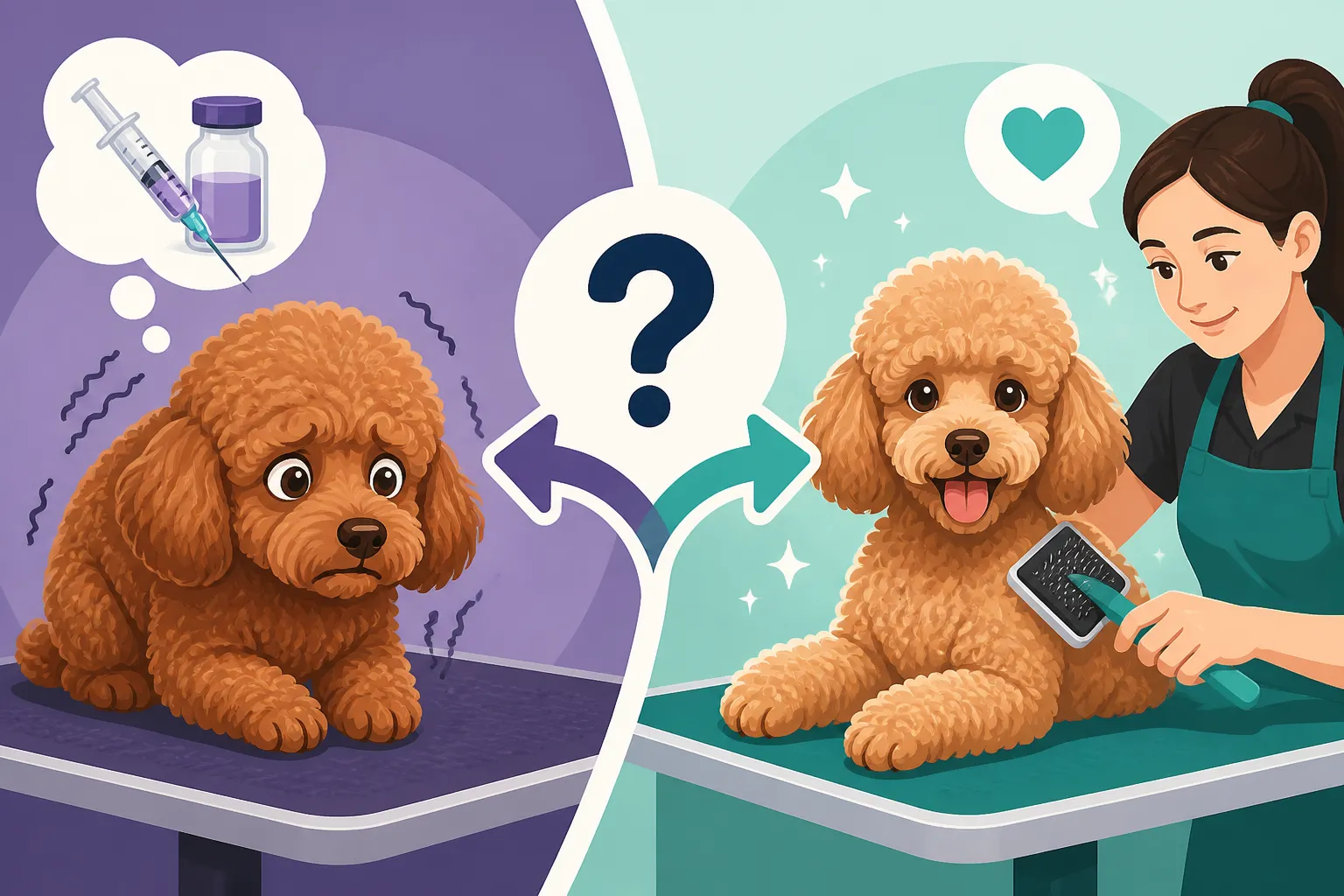
Whether a Fearful Poodle Needs Sedation to Groom
It’s a heartbreaking scenario many Poodle owners face: you love your fluffy companion, but the mere mention of a grooming appointment sends them into a trembling, anxious mess. This isn't just a minor inconvenience; it's a genuine fear that can lead to stressful experiences for both you and your Poodle, often making professional grooming feel impossible without some form of intervention. This guide will explore the nuances of grooming anxiety in Poodles, help you understand when veterinary sedation might be considered, and offer practical, compassionate alternatives to ease your Poodle's grooming fears.
Understanding Grooming Anxiety in Poodles
Poodles are incredibly intelligent and sensitive dogs, a combination that can unfortunately make them particularly prone to anxiety, especially around unfamiliar or perceived threatening situations like grooming. Their deep connection to their owners also means they often pick up on our stress, creating a feedback loop that only heightens their own apprehension. It’s crucial to remember that your Poodle isn't being "naughty" or "stubborn"; they are genuinely fearful, and that fear needs to be addressed with empathy and understanding.
The Roots of Fear in a Sensitive Breed
Think about it from your Poodle’s perspective. Grooming involves being held still, having sharp tools near their skin, loud noises from clippers and dryers, and often being handled by strangers. For a dog that thrives on routine and positive interaction, this can be deeply unsettling. A Poodle's sensitive nature means they are often more attuned to sensations and sounds than other breeds. A simple nail trim might feel like an invasion, and the buzzing of clippers can be genuinely terrifying. Early negative experiences, even unintentional ones, can solidify this fear, making each subsequent grooming session more challenging. Perhaps they had a quick, scary experience at a busy grooming salon as a puppy, or maybe a previous owner used harsh methods. These initial moments, particularly during their critical socialization period, can profoundly shape their lifelong perception of grooming. This heightened sensitivity means that building trust and positive associations is absolutely paramount. Why Harsh Handling Breaks a Poodle is something every owner should understand, as it directly impacts their willingness to cooperate.
Recognizing the Signs of Stress and Fear
It's vital to become fluent in your Poodle’s body language, especially when they're feeling stressed. This isn't always overt growling or snapping; often, it starts much more subtly. You might notice your Poodle yawning excessively, lip licking, panting when not hot, or pinning their ears back. They might try to hide, cower, or pull away when approached with grooming tools. Some Poodles might even "freeze" or become completely still, a classic sign of extreme fear. In more advanced stages, you could see shaking, whining, or even aggressive behaviors like nipping or growling, which are usually a last resort when they feel trapped and unable to escape the perceived threat. These aren't signs of defiance; they are desperate pleas for help. Ignoring these early warning signals can escalate their anxiety, making future grooming much harder and potentially leading to more dangerous situations for both the Poodle and the groomer. It’s important to learn how to Reading Pain in a Sensitive Poodle so you can distinguish discomfort from outright terror.
When Sedation Becomes a Necessary Discussion
For some Poodles, despite the best efforts in desensitization and positive reinforcement, grooming remains an insurmountable hurdle due to extreme fear or anxiety. In these cases, the stress and potential for injury – both to the dog and the handler – might outweigh the risks associated with sedation. This is when a conversation with your veterinarian becomes absolutely critical. Sedation is not a magic fix, nor should it be the first resort, but it can be a humane option for dogs for whom other methods have failed or when immediate grooming is medically necessary.
Veterinary-Prescribed Sedation: What It Entails
When we talk about sedation for grooming, we're not talking about simply knocking your dog out. A veterinarian can prescribe various medications, often a combination, designed to reduce anxiety and promote relaxation without rendering the dog completely unconscious. These might include anxiolytics (anti-anxiety medications) given orally before the appointment, or mild sedatives administered at the clinic. The type and dosage will depend on your Poodle's size, overall health, and the level of anxiety they exhibit. Your vet will conduct a thorough examination and may recommend blood tests to ensure your Poodle is healthy enough to safely metabolize the medication. They will guide you on how to administer the medication, what to expect, and what to look out for in terms of side effects. It’s a process that requires careful planning and professional oversight to minimize risks and ensure your Poodle's safety. This is a very different approach than simply trying to "muscle through" a grooming session, which only compounds the fear. For some Poodles, this might be a one-time solution for an urgent need, while for others, it may be a recurring part of their grooming routine.
Weighing the Pros and Cons of Sedation
Sedation offers several clear advantages. Firstly, it significantly reduces the immediate stress and fear your Poodle experiences during grooming. This can prevent negative associations from worsening and can make it possible to perform necessary tasks like nail trims, ear cleaning, and hair clipping that would otherwise be impossible. For matted Poodles, where shaving is essential to prevent skin issues, sedation might be the only humane way to proceed without causing immense pain and trauma. Surcharges Groomers Add for a Matted Poodle often reflect the extra time and care needed, and sometimes the difficulty of working with a fearful, matted dog.
However, sedation also comes with potential downsides. There's always a degree of risk associated with any medication, especially for older Poodles or those with underlying health conditions. Side effects can range from mild disorientation to more serious cardiovascular or respiratory issues, though these are rare under careful veterinary supervision. Sedation doesn't "cure" the fear; it merely manages it temporarily. Without additional training and desensitization efforts, your Poodle's anxiety will likely return for future sessions once the medication wears off. Furthermore, the cost of veterinary consultation, blood work, and the medication itself can add up, especially if it becomes a regular necessity.
Here’s a quick overview to help weigh your options:
| Feature | Sedation (Veterinary Prescribed) | Training & Desensitization (Non-Sedation) |
|---|---|---|
| Immediate Stress Relief | High | Gradual, over time |
| Risk Factors | Potential for medication side effects, pre-screening needed | Minimal to none (unless improper techniques used) |
| Long-Term Solution | Temporary management, doesn't address root cause | Addresses root cause, builds lasting positive associations |
| Cost | Vet consultation, blood work, medication fees | Time commitment, specialized tools, optional trainer fees |
| Effectiveness | High for immediate tasks | High for long-term emotional well-being and cooperation |
| Required Expertise | Veterinarian for prescription, groomer for execution | Owner, possibly professional trainer |
| Timeframe | Short-term relief for immediate needs | Weeks to months for lasting change |
Alternative Strategies: Training and Management
While sedation can be a lifesaver in extreme cases, the ultimate goal for any Poodle owner is to help their furry friend feel comfortable and confident during grooming without medication. This requires patience, consistency, and a commitment to positive reinforcement training. Think of it as investing in your Poodle's emotional well-being, transforming a dreaded experience into a tolerable, or even enjoyable, one.
Building Positive Associations and Desensitization
The key here is to gradually introduce grooming tools and procedures in a way that your Poodle associates with positive outcomes. Start small: simply bring out a brush and place it near your Poodle while offering high-value treats. Don't even touch them with it initially. Over several sessions, slowly move the brush closer, then gently touch their back for a second, always followed by a treat and praise. This process, known as desensitization, is about lowering their reactivity by exposing them to the stimulus at a level they can tolerate.
Pair this with counter-conditioning, which means changing their emotional response. If they associate clippers with fear, you want them to associate them with delicious treats. Turn the clippers on in another room, very quietly, while giving your Poodle treats. Gradually bring the clippers closer, always keeping the sound low and the treats flowing. Never push your Poodle past their comfort level; one step back is better than two steps forward and a major setback. This method is incredibly effective and forms the foundation of Training a Poodle to Enjoy Grooming. You can find many excellent resources for this, including online training programs. For instance, the BAXTER & Bella online puppy school offers comprehensive modules that can be adapted for adult dogs, focusing on positive reinforcement and building confidence in various scenarios, including handling and grooming preparation. Their step-by-step guidance can be invaluable for owners looking to build a strong foundation of trust and cooperation with their Poodle.
Calming Aids and Environmental Adjustments
Beyond direct training, several calming aids and environmental adjustments can make a significant difference. Pheromone diffusers or sprays, like those containing dog-appeasing pheromones, can create a more relaxed atmosphere in the home or grooming area. Thundershirts or other anxiety wraps apply gentle, constant pressure, which can have a calming effect on some dogs, similar to swaddling a baby.
Music specifically designed for dogs, or classical music, can mask frightening grooming sounds like clippers and dryers. Ensuring the grooming space is quiet, well-lit (but not harshly bright), and free from other stressors can also help. For home grooming, having a non-slip surface for your Poodle to stand on is crucial for their comfort and stability. Consider using a grooming arm and loop for gentle, secure positioning, which can make both of you feel safer. Many of these items, from calming treats to specialized grooming tables, are readily available on platforms like Amazon, making it easier for owners to create a supportive environment. For very sensitive Poodles, even a simple change like using a quiet, cordless clipper can reduce stress dramatically compared to a loud, vibrating corded model. When grooming at home, remember to make it a calm, unhurried process, offering breaks and rewards frequently.
Partnering with Your Vet and Groomer for Success
Successfully managing a fearful Poodle's grooming needs is truly a team effort. You, your veterinarian, and your professional groomer (if you use one) all play crucial roles in ensuring your Poodle's physical health and emotional well-being. Open communication and a shared understanding of your Poodle’s specific anxieties are paramount to developing a cohesive and effective plan.
Open Communication and a Cohesive Plan
Before any grooming appointment, whether it involves sedation or not, have a frank discussion with your veterinarian. Explain your Poodle's history of fear, describe the specific behaviors you observe, and ask for their professional advice. They can help you determine if sedation is appropriate, suggest alternative calming medications, or even refer you to a veterinary behaviorist if the anxiety is severe and impacting other areas of your Poodle's life. Similarly, if you use a professional groomer, schedule a consultation without your Poodle present first. Discuss their approach to fearful dogs, what kind of safety measures they employ, and if they are willing to work within a desensitization plan. Some groomers specialize in working with anxious dogs and employ techniques like "force-free" grooming or "cooperative care," which can make a world of difference. They might suggest shorter, more frequent appointments, known as "happy visits," where your Poodle simply comes in for a treat and leaves, gradually building positive associations with the salon environment. Your groomer can also advise on appropriate clips that are easier to maintain between professional visits, reducing the stress of very long, intricate sessions.
Home Grooming as a Bridge to Professional Care
Even if your Poodle eventually tolerates professional grooming, maintaining their coat at home is a continuous responsibility, especially for a breed like the Poodle whose hair never stops growing. Regular home grooming sessions, even short ones, are an invaluable bridge to professional care. These sessions reinforce positive associations, keep minor matting at bay, and help your Poodle become accustomed to being handled. Start with simple tasks like gentle brushing, focusing on areas they are comfortable with, and gradually working towards more sensitive spots like paws and face. Brushing a Poodle to the Skin is essential to prevent mats, and practicing this at home in a calm environment will make professional grooming easier.
Invest in quality home grooming tools, like a good slicker brush, a metal comb, and a pair of blunt-nosed scissors for quick trims around the eyes or paws. Many owners find instructional videos helpful for learning how to safely groom at home. Remember, every positive interaction with a brush or a clipper helps chip away at their fear. Even if your Poodle never loves grooming, the goal is for them to tolerate it without extreme distress. By combining a supportive home environment, open dialogue with professionals, and a willingness to explore all options, you can ensure your fearful Poodle receives the essential care they need with as much comfort and compassion as possible.
Disclaimer
This article is for general informational purposes only and does not constitute professional advice. Laws, prices and regulations vary by location and change over time. Consult a qualified professional for guidance on your specific situation.