Whether Every Poodle Will Swim
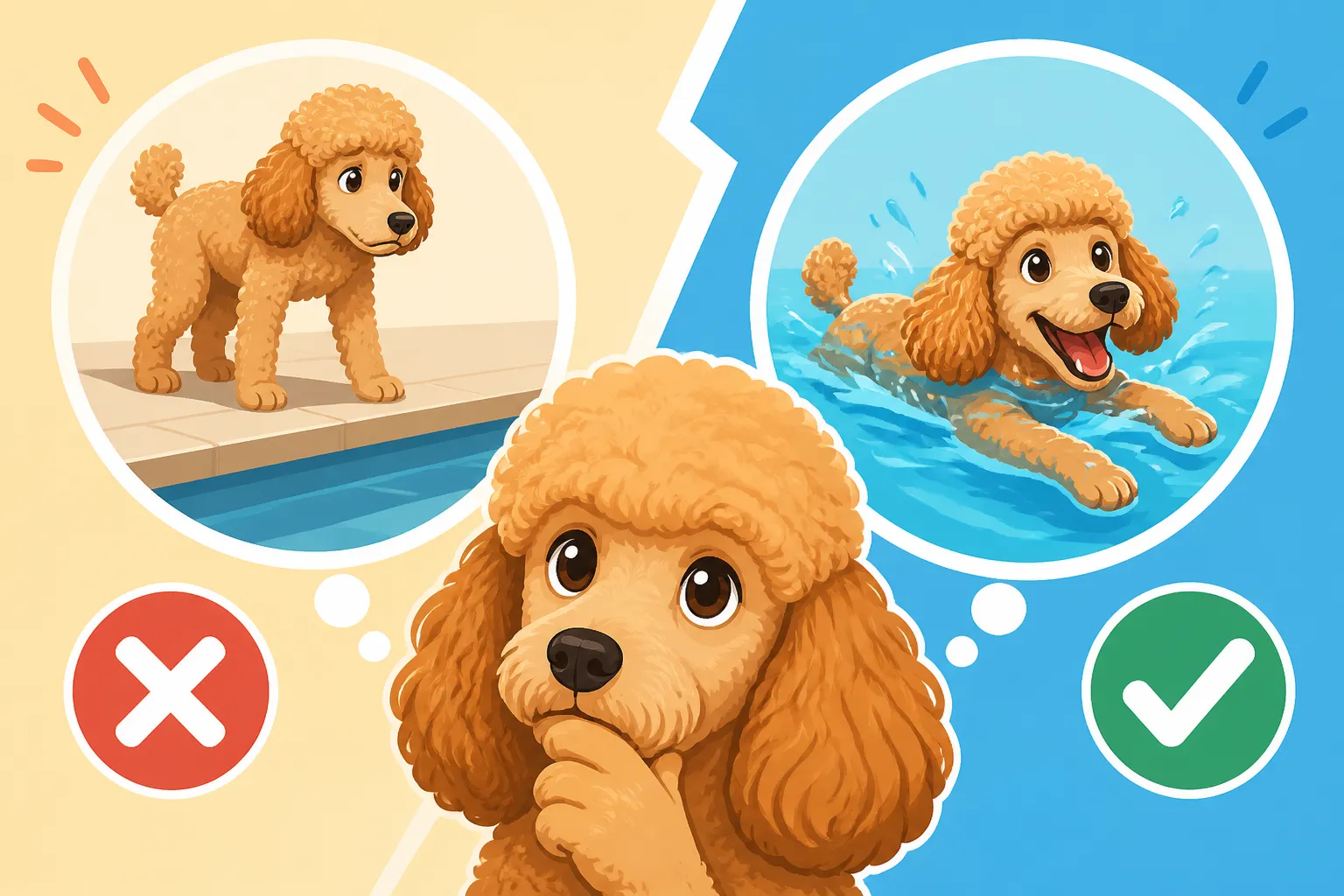
Many Poodle owners, and even those just admiring the breed from afar, often assume that because Poodles are "water dogs," every single one of them will naturally dive into the nearest lake or pool with unbridled enthusiasm. The reality, however, is a bit more nuanced than that. While Poodles certainly have a rich history rooted in water retrieving, individual personalities, early experiences, and even genetics can mean that some Poodles are champion swimmers, while others prefer to watch from the sidelines – or even actively avoid getting their paws wet. This guide will delve into the Poodle's relationship with water, exploring their historical role, why some might be hesitant, and how you can help your Poodle develop a positive, safe relationship with swimming, should they be inclined.
The Poodle's Deep Roots in Water Work
It's not just a cute nickname; the Poodle's heritage as a water dog is a fundamental part of their breed identity. Understanding this history helps us appreciate why so many Poodles do love the water, even if it's not a universal trait.
Tracing Back Their Ancestry as Water Retrievers
The very name "Poodle" comes from the German word "Pudel" or "Pudeln," which means "to splash in water." This isn't a coincidence. Historically, Poodles were developed in Germany (though refined in France) as expert waterfowl retrievers. They weren't just pretty faces; they were tough, intelligent working dogs tasked with plunging into icy lakes and rivers to bring back downed game. Imagine the scene: a hunter's shot rings out, a duck falls, and a keen-eyed Poodle, with its distinctive clip, is sent to retrieve it, navigating through reeds and cold water with purpose. This role required not only a natural affinity for water but also immense bravery, stamina, and intelligence to follow commands in challenging environments.
This strong genetic predisposition for water work means that many Poodles still carry that innate desire to fetch from the water or simply enjoy a good splash. It’s part of their core being, a memory passed down through generations. When you see a Poodle eagerly leap into a pond, you're witnessing generations of selective breeding at play, a direct link to their ancestors who earned their keep in the wetlands. To learn more about this fascinating history, you might be interested in The Water Dog Behind the Poodle.
How Their Unique Coat and Build Supported Water Tasks
The Poodle's iconic coat, which often gets dismissed as purely aesthetic, actually served a crucial function in their water-retrieving days. Unlike many other breeds with fur that sheds and offers less protection, the Poodle's dense, curly, non-shedding coat is surprisingly water-resistant. It acts almost like a wetsuit, providing insulation against cold water and helping them stay buoyant. The specific clips, like the Continental clip with its shaved hindquarters and joint pompoms, were not just for show. Shaving certain areas reduced drag in the water, allowing for more efficient swimming, while leaving hair on joints and vital organs provided protection against the cold and harsh elements. The "pompoms" over the hips, chest, and sometimes ankles weren't mere adornments; they were left to protect critical areas from the cold, much like how a modern diver's wetsuit prioritizes warmth in key spots.
Beyond their coat, a Poodle's physical build is also well-suited for swimming. They typically have strong, well-muscled hindquarters that provide powerful propulsion in the water, and their webbed feet are an advantage for paddling. Their deep chest (especially in Standard Poodles) contributes to good lung capacity, further aiding stamina during retrieves. This combination of a protective coat, strong build, and keen intelligence made them exceptional partners for hunters, enabling them to work tirelessly in and around water.
Why Not Every Poodle Takes to the Water Instinctively
Despite their strong heritage, it's a common misconception that all Poodles are automatic water lovers. Just like humans, individual dogs have unique personalities, experiences, and sensitivities that shape their preferences. Don't be discouraged if your Poodle isn't an instant Olympic swimmer.
The Role of Genetics and Early Exposure
While the Poodle breed as a whole has a genetic predisposition for water, not every individual Poodle will inherit this trait with the same intensity. Think of it like a family trait – you might come from a long line of accomplished musicians, but that doesn't guarantee you'll have perfect pitch or a love for playing an instrument. Some Poodle lines might have been bred more for conformation (show ring appearance) or companionship over generations, and the strong retrieving instinct, including water work, may have faded slightly.
Perhaps even more critical than specific genetic lines is early exposure. A Poodle puppy introduced to water in a positive, gentle way during their crucial socialization period (roughly 3-16 weeks) is far more likely to develop a comfortable and enjoyable relationship with it. If a puppy's first experience with water is negative – a sudden dunk, being forced, or a scary fall – it can create a lasting fear. Conversely, a Poodle who grows up with access to a shallow kiddie pool on warm days, or watches older, confident dogs swim happily, often becomes a water enthusiast. This early positive association can override any genetic hesitations. This is why Socializing a Poodle Before It Turns Wary is so important for all aspects of their development.
Temperament, Fear, and Negative Experiences
A Poodle's temperament plays a huge role in their willingness to embrace new experiences, including swimming. Poodles are known for being intelligent and sensitive. While this sensitivity makes them highly trainable and attuned to their owners, it also means they can be easily spooked or have strong reactions to perceived threats. A loud splash, slippery entry into a pool, or even the feeling of being out of their depth can trigger fear. If your Poodle has had a bad experience, even one you weren't aware of, they might associate water with something frightening. Perhaps they fell into a pool accidentally, or were startled by a strong current in a natural body of water.
Some Poodles are simply more cautious by nature, or perhaps they are particularly sensitive to sounds or textures. The sound of rushing water, the feeling of cold water on their skin, or the instability of trying to paddle can all be overwhelming for a sensitive dog. It's vital to respect these individual differences and never force a Poodle into a situation that causes them distress. Forcing them can lead to a deeper fear and a breakdown in trust, making future attempts even harder. Learning to recognize subtle signs of discomfort is key; you can read more about Reading Pain in a Sensitive Poodle to better understand your dog's signals.
Guiding Your Poodle Towards a Positive Water Experience
If your Poodle isn't a natural water baby, don't despair! With patience, positive reinforcement, and the right approach, you can often help them become more comfortable and even enjoy the water. The key is making it a fun, safe, and entirely voluntary experience.
Creating a Safe and Inviting Introduction to Water
The first rule of introducing your Poodle to water is never force it. Start small, gentle, and in a controlled environment. A shallow kiddie pool in your backyard is often ideal.
- Start with the Paws: On a warm day, fill a kiddie pool with just a few inches of lukewarm water. Toss in some favorite floating toys or treats. Let your Poodle investigate at their own pace. Don't push them in. If they just dip a paw, that's a huge success! Praise them lavishly and offer a high-value treat.
- Gradual Increase: Over several sessions, as your Poodle gets more comfortable with their paws in the water, you can gradually increase the water depth. Always keep it shallow enough for them to stand comfortably.
- Lead by Example (or with a Confident Friend): If you're comfortable getting in the water with them (again, start shallow!), sit or stand in the water and play. Make it look like the most fun thing ever. If you have another dog who loves water and is a good role model, having them play nearby can also encourage your Poodle.
- Positive Association: Always associate water with positive things. Bring their favorite squeaky toy, offer high-value treats, and keep your tone upbeat and encouraging. This is where a company like BAXTER & Bella can be really helpful, as their approach to positive reinforcement training can translate well into building confidence in new environments and activities, including water. They emphasize building a strong foundation of trust and motivation, which is perfect for hesitant Poodles.
- Choose the Right Location: Once they are comfortable with a kiddie pool, consider a calm, shallow entry lake or a dog-friendly pool with a ramp. Avoid places with strong currents, steep drop-offs, or loud, intimidating sounds. Some Poodles are particularly sensitive to new noises, so Sound Work for a Noise-Sensitive Poodle might be helpful if they are wary of the sounds associated with water.
Remember, every step is a victory. If they only wade up to their knees, that's wonderful. Celebrate every small success. More detailed steps on this can be found in Introducing a Poodle to Water.
Essential Gear and Training Aids for Water Safety
Safety is paramount, especially when your Poodle is learning to swim. Even Poodles with a natural inclination can benefit from the right gear.
- Life Vest: This is non-negotiable, especially for beginners or any Poodle swimming in open water. A well-fitting life vest provides buoyancy, helps maintain a horizontal swimming position (preventing them from swimming vertically, which is inefficient and tiring), and often has a handle on the back for easy lifting. Look for vests with good flotation and secure straps. You can find excellent options on Amazon, often with bright colors for visibility.
- Non-Slip Entry: If you're using a pool, consider a dog-friendly ramp or steps that provide a non-slip surface. Slippery edges can make a Poodle feel insecure and make entry/exit challenging.
- Floating Toys: These are fantastic for motivation. Start by tossing them just a foot or two from the edge, gradually increasing the distance as your Poodle gains confidence. Avoid heavy toys that sink.
- Long Line: For open water, a long line (a long lead that you can hold while they explore) can offer a sense of security for both you and your Poodle, allowing them some freedom while ensuring you can safely guide them back if needed.
- Grooming Tools: After any water activity, especially in pools or lakes, your Poodle's coat will need attention. A good quality shampoo, conditioner, and a high-velocity dryer are essential to prevent matting and skin issues. More on that later in this article.
| Gear Item | Purpose | Key Features to Look For |
|---|---|---|
| Life Vest | Buoyancy, safety, confidence | Secure fit, handle on back, bright color, strong D-ring |
| Dog Ramp/Steps | Safe entry/exit for pools | Non-slip surface, sturdy, suitable for Poodle's size |
| Floating Toys | Motivation, enrichment | Durable, highly visible, easy for dog to grasp |
| Long Line | Controlled exploration in open water | Lightweight, tangle-resistant, appropriate length |
| High-Velocity Dryer | Efficient coat drying after swimming | Powerful airflow, variable speed/heat, quiet operation if possible |
Overcoming Hesitation and Building Confidence
Patience is your greatest tool here. If your Poodle is truly hesitant or fearful, pushing them will only backfire.
- Go at Their Pace: Let them decide how much water they want to interact with. If they only want to splash their paws, that's fine. Celebrate it.
- Make it Play, Not a Chore: Turn water interaction into a game. Splash gently yourself, throw toys, and keep the energy light and fun.
- Short, Frequent Sessions: Instead of one long, overwhelming session, try several short, positive interactions. Five minutes of happy splashing is better than 30 minutes of stress.
- Positive Reinforcement: Every positive interaction with water, no matter how small, should be rewarded with praise, treats, or their favorite toy.
- Consult a Professional: If your Poodle has a deep-seated fear, consider working with a certified professional dog trainer. They can offer tailored strategies and help build confidence in a controlled manner. Remember, Why Harsh Handling Breaks a Poodle is a real concern with sensitive breeds, so always opt for positive, gentle methods.
Once your Poodle is comfortable, swimming can be an incredible form of exercise, especially for breeds like Standard Poodles who need a good outlet for their energy. It's low-impact and great for their joints. For ideas on incorporating swimming into their routine, look into Daily Exercise for a Standard Poodle or Water Work and the Poodle.
When Swimming Isn't Their Forte: Embracing Alternatives
Even with the best intentions and most patient efforts, some Poodles simply won't become avid swimmers. And that's perfectly okay! Every dog is an individual, and it's important to respect their preferences.
Accepting a Non-Swimmer and Exploring Other Activities
If your Poodle consistently shows disinterest or fear despite your gentle introductions, it's time to accept that swimming might not be their thing. Forcing them will only create stress and potentially damage your bond. Your Poodle can still live a full, happy, and well-exercised life without ever dipping a paw in the deep end.
There are countless other activities that Poodles excel at, which can provide excellent physical and mental stimulation. Poodles are incredibly intelligent and versatile, making them stars in many dog sports and activities:
- Agility: Their athleticism and problem-solving skills make them fantastic agility dogs.
- Obedience and Rally: Their intelligence and desire to please shine in formal obedience.
- Scent Work/Nose Work: Poodles have excellent noses, and these activities are incredibly engaging and tiring for their minds.
- Trick Training: A Poodle loves to learn and show off! This is a wonderful way to bond and keep their minds active.
- Hiking/Walking: For the most part, Poodles enjoy long walks and hikes, especially Standard Poodles. Always consider Swimming With a Poodle Bred to Retrieve if yours does love water, but otherwise, terrestrial adventures are great.
- Fetch (on land): Many Poodles still retain a strong retrieving drive, even if they don't want to do it in water. A good game of fetch in the park can be just as satisfying.
The most important thing is to find activities your Poodle enjoys and that help them burn off energy and use their incredible brains.
Post-Swim Care for the Water-Loving Poodle
For those Poodles who do embrace swimming, proper post-swim care is essential to keep their skin and coat healthy. Poodles are prone to skin issues if their dense coats aren't dried thoroughly.
- Rinse Thoroughly: Immediately after swimming, especially in chlorinated pools or natural bodies of water that might contain irritants, thoroughly rinse your Poodle's coat with clean, fresh water. This helps remove chlorine, salt, dirt, and any potential microorganisms. For chlorinated water, a good guide is Rinsing Chlorine From a Poodle Coat.
- Shampoo and Condition (as needed): Depending on the frequency of swimming, you might need to shampoo and condition your Poodle's coat more regularly to prevent dryness or skin irritation. Use a gentle, dog-specific shampoo and a moisturizing conditioner.
- Dry Completely: This is crucial. Poodle coats can hold moisture close to the skin, creating a perfect breeding ground for yeast and bacterial infections ("hot spots"). Use a high-velocity dryer to dry their coat down to the skin. If you don't have one, towel dry as much as possible, then use a regular hairdryer on a cool setting, constantly moving it to avoid skin burns. Brush while drying to prevent mats.
- Check Ears: Poodles have drop ears, which trap moisture. After swimming, always check and thoroughly dry their ear canals to prevent ear infections. You might need to gently clean them with a dog-specific ear cleaner.
- Paw Care: Inspect their paw pads for any cuts or irritation, especially after swimming in rocky or rough terrain.
- Grooming Schedule: Regular grooming is always important for a Poodle, but even more so for frequent swimmers. Consider a shorter clip, like a Sporting or Kennel clip, which can make post-swim drying much easier and reduce the risk of matting. This can also help with Whether a Short Clip Keeps a Poodle Cooler in warm weather when they're likely to be swimming. Remember to budget for your Poodle's grooming needs; it's a significant part of their care, as outlined in What a Poodle Owner Spends on Blades and Shampoo.
Whether your Poodle becomes a water enthusiast or prefers dry land, cherishing their unique personality and ensuring their safety and well-being should always be your top priority.
Disclaimer
This article is for general informational purposes only and does not constitute professional advice. Laws, prices and regulations vary by location and change over time. Consult a qualified professional for guidance on your specific situation.