Portion Control for a Poodle
Portion control strategies based on size, age, and activity level prevent canine obesity and health issues in Standard, Miniature, and Toy Poodles.
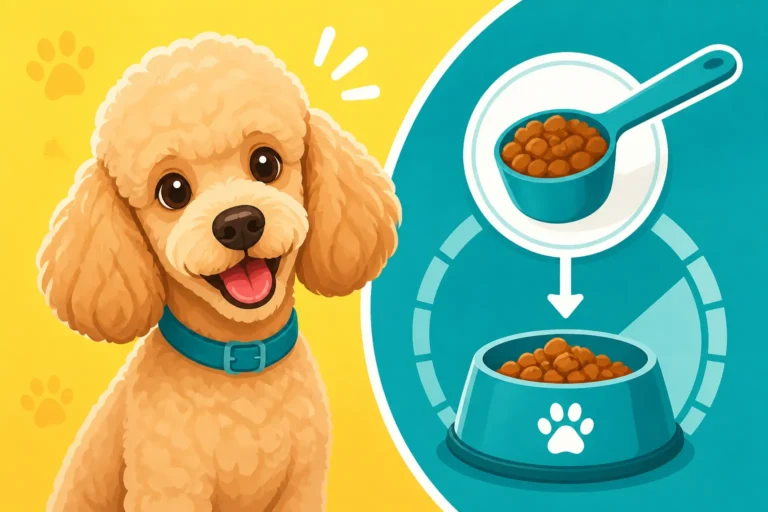
Portion control strategies based on size, age, and activity level prevent canine obesity and health issues in Standard, Miniature, and Toy Poodles.
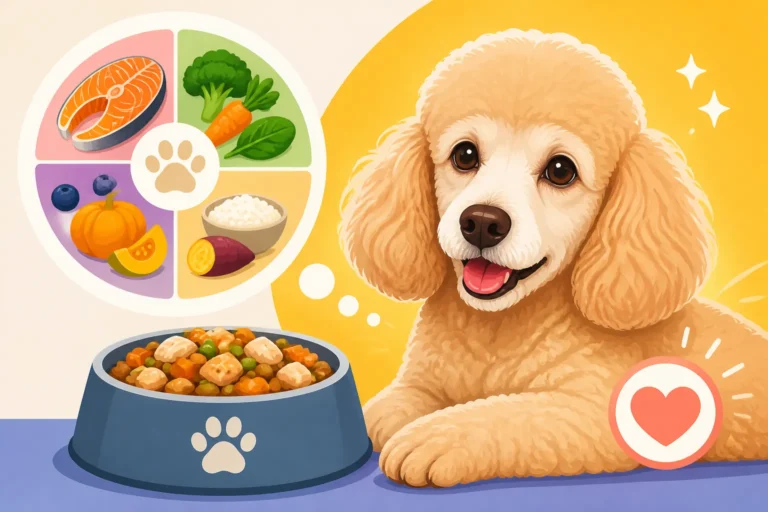
Senior Poodle nutrition changes explain how to manage metabolism slowdown, weight gain, and muscle mass loss past age ten.
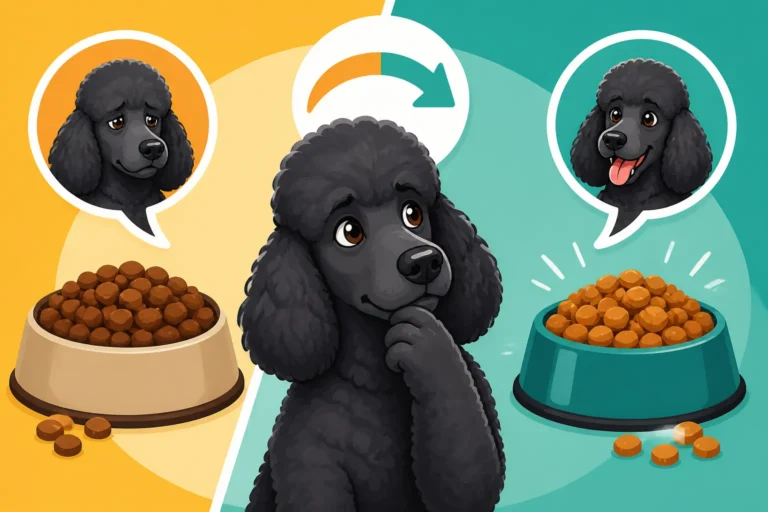
Standard Poodle dietary transitions explain growth plate closure timing between twelve and eighteen months and signs to move to adult food.
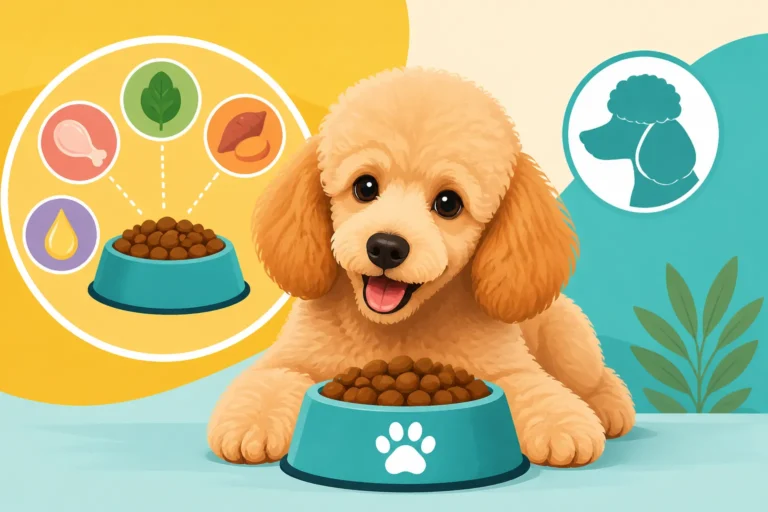
Standard Poodle puppy nutrition requirements, rapid growth management, and large breed formula selection to prevent developmental orthopedic diseases.
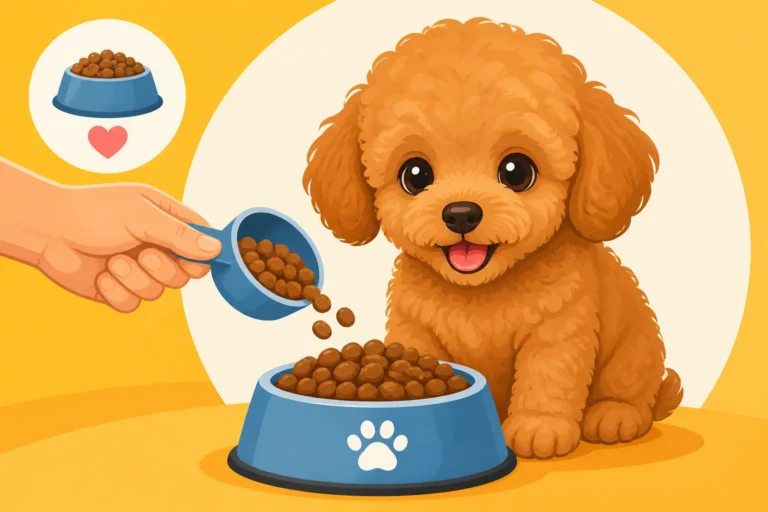
Toy Poodle puppy nutrition requires small, frequent meals of calorie-dense food to prevent hypoglycemia and support rapid growth.

Adolescent Poodle coat change explains the transition from puppy fluff to adult density, preventing severe matting in growing dogs.
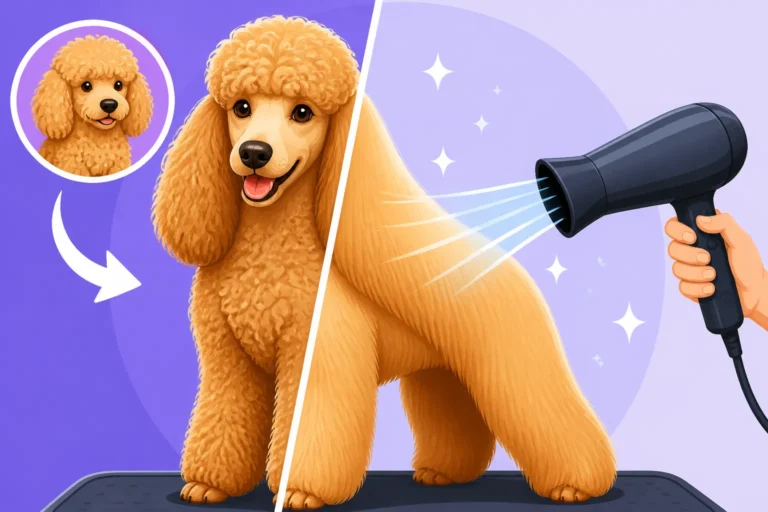
Proper drying techniques and high-velocity dryers prevent painful skin infections and mats, keeping the dense Poodle coat healthy and straight.
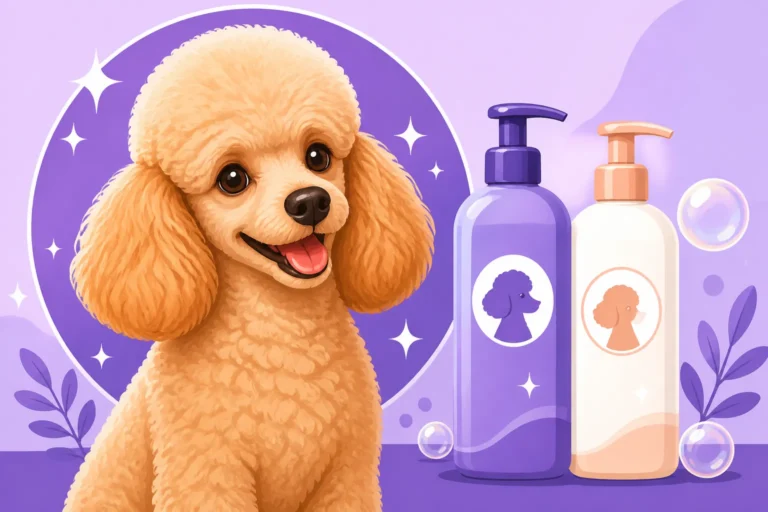
Proper shampoo and conditioner selection preserves skin health, prevents matting, and maintains soft curls for continuous hair growth.

Poodle bathing frequency depends on lifestyle, activity level, and coat maintenance to prevent painful mats and skin issues.
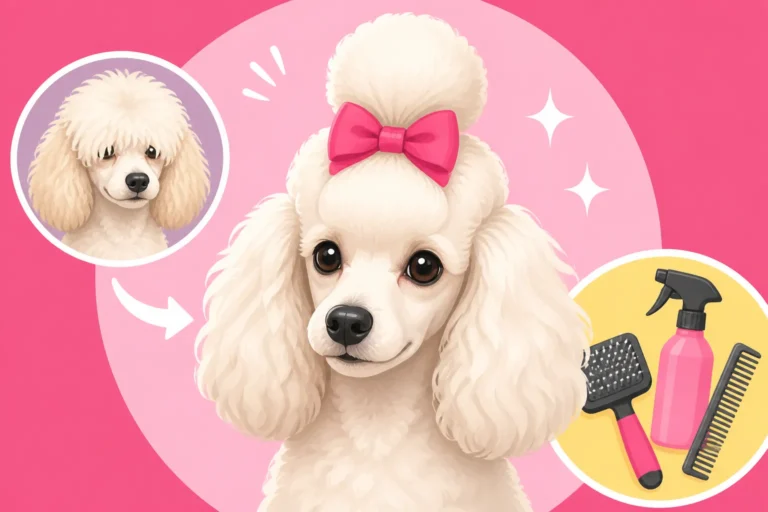
Poodle topknot maintenance requires daily care for dense curly hair, preventing painful mats and managing tear staining around the eyes.