Boarding a Poodle Without Wrecking the Coat
The moment you plan a trip and realize your beloved Poodle needs to be boarded, a wave of anxiety often hits – and it's not just about missing them! For Poodle parents, a huge, nagging worry is the state of their dog's beautiful coat upon return. Nobody wants to pick up their Poodle looking like a matted mop, and this guide is here to walk you through exactly how to prevent that nightmare scenario and ensure your Poodle returns home as fluffy and fabulous as they left.
The Unique Challenges of Poodle Coat Care in Boarding
Let's be honest, Poodle coats are magnificent, but they are also a lot of work. This isn't a coat you can just ignore for a week or two, especially in a new, active environment like a boarding kennel. Understanding why Poodle coats are so prone to issues during boarding is the first step toward preventing them.
Why the Poodle Coat is Different and Prone to Mats
Unlike many other breeds with double coats that shed seasonally, your Poodle has a single layer of continuously growing hair. Think of it like human hair – if you don't brush and care for it regularly, it will tangle, knot, and eventually form painful mats. This characteristic is fantastic for allergy sufferers, as it means less shedding around the house, but it places a significant responsibility on us, their human stylists and guardians.
When a Poodle is in a boarding environment, they're often more active than at home. They might be playing with other dogs, rolling around on different surfaces, or simply moving in ways that create more friction on their coat. Add to that potential humidity from group housing or outdoor play, and you have a perfect storm for matting. A single neglected day can turn into several small tangles, which then snowball into large, tight mats that are not only difficult to remove but can also pull at the skin, causing discomfort and even skin infections. This is why understanding the nuances of how to Line Brushing a Poodle Explained is so critical, even when they're away from home.
Common Boarding Environments and Their Coat Impact
Boarding facilities vary wildly, from luxury pet hotels with individual suites and dedicated staff to more traditional kennels with indoor/outdoor runs and group play. Each environment presents its own set of challenges for a Poodle's coat.
Consider a typical kennel with concrete floors or wire crates. While practical for hygiene, these surfaces can create immense friction as your Poodle moves around, lays down, or shifts positions. This constant rubbing can snag the hair, leading to tangles in vulnerable areas like armpits, behind the ears, and along the belly. Furthermore, if your Poodle participates in group play, they might get slobbered on by other dogs, roll in dirt or mud, or even get wet if there are water features. All of these elements introduce moisture and foreign debris into the coat, which, if not immediately brushed out and dried, will accelerate matting. The very design of some standard boarding setups, which prioritize sanitation and high-volume care, can inadvertently become a Poodle owner's grooming nightmare.
What to Look for in a Poodle-Friendly Boarding Facility
Choosing the right boarding facility is paramount to protecting your Poodle's coat. It’s not just about finding a safe place; it’s about finding a place that understands and respects the unique needs of a Poodle. Don't be afraid to ask detailed questions and even request a tour.
Staff Training and Grooming Protocols
This is arguably the most crucial aspect. A boarding facility might look pristine, but if the staff aren't knowledgeable about Poodle coats, your dog could still come home with a tangled mess. When you visit or call, ask specific questions:
- Do your staff have experience with Poodles and their grooming needs? Look for facilities where staff can articulate the difference between a Poodle's coat and, say, a Labrador's.
- What are your daily grooming protocols? Do they offer daily brushing? Is it an extra service? How long do they spend on each dog?
- What tools do they use? A good facility will have a proper slicker brush and a metal comb. If they only mention a basic brush or don't seem to know, it's a red flag.
- Do you offer an exit bath and brush-out? Many facilities offer this, and it can be a lifesaver. Clarify if this includes a thorough brush-out or just a quick wash. Some places will even offer full professional grooming costs by Poodle size for an additional fee, which can be well worth it.
- Are staff able to identify matting? You want staff who can spot a developing mat early, rather than letting it become a serious problem.
A facility that prioritizes the coat health of long-haired breeds often has dedicated staff or at least offers training on coat care. This investment shows they understand the commitment Poodle owners have.
Facility Layout and Material Considerations
The physical environment of the boarding facility also plays a significant role in coat preservation.
- Bedding: Ask about the type of bedding provided. Hard, abrasive surfaces like concrete can cause friction. Look for facilities that offer soft, clean, raised cots (like Kuranda beds) or allow you to bring your own bedding (check their policy first!). Plush, clean blankets can significantly reduce friction points.
- Play Surfaces: Inquire about the surfaces in their play yards. Grass is generally better than gravel or rough asphalt, which can pick up debris and irritate the coat. If there's water play, ask about how dogs are dried afterward. A Poodle left to air-dry after a dip is almost guaranteed to mat.
- Cleanliness and Ventilation: A clean environment minimizes the amount of dirt and grime that can get into the coat. Good ventilation helps keep coats dry and reduces humidity, which can exacerbate matting.
You want to envision your Poodle moving through their day in the facility. Will they be constantly rubbing against harsh surfaces, or do they have soft spots to rest and clean areas to play?
Communication and Customization
Effective communication with the boarding facility is crucial. You are entrusting them with a precious member of your family, and their willingness to listen to your specific requests speaks volumes.
- Detailed Instructions: Can you provide a detailed care sheet outlining your Poodle's grooming schedule, any sensitive areas, and preferred products? A facility that welcomes this shows a commitment to personalized care.
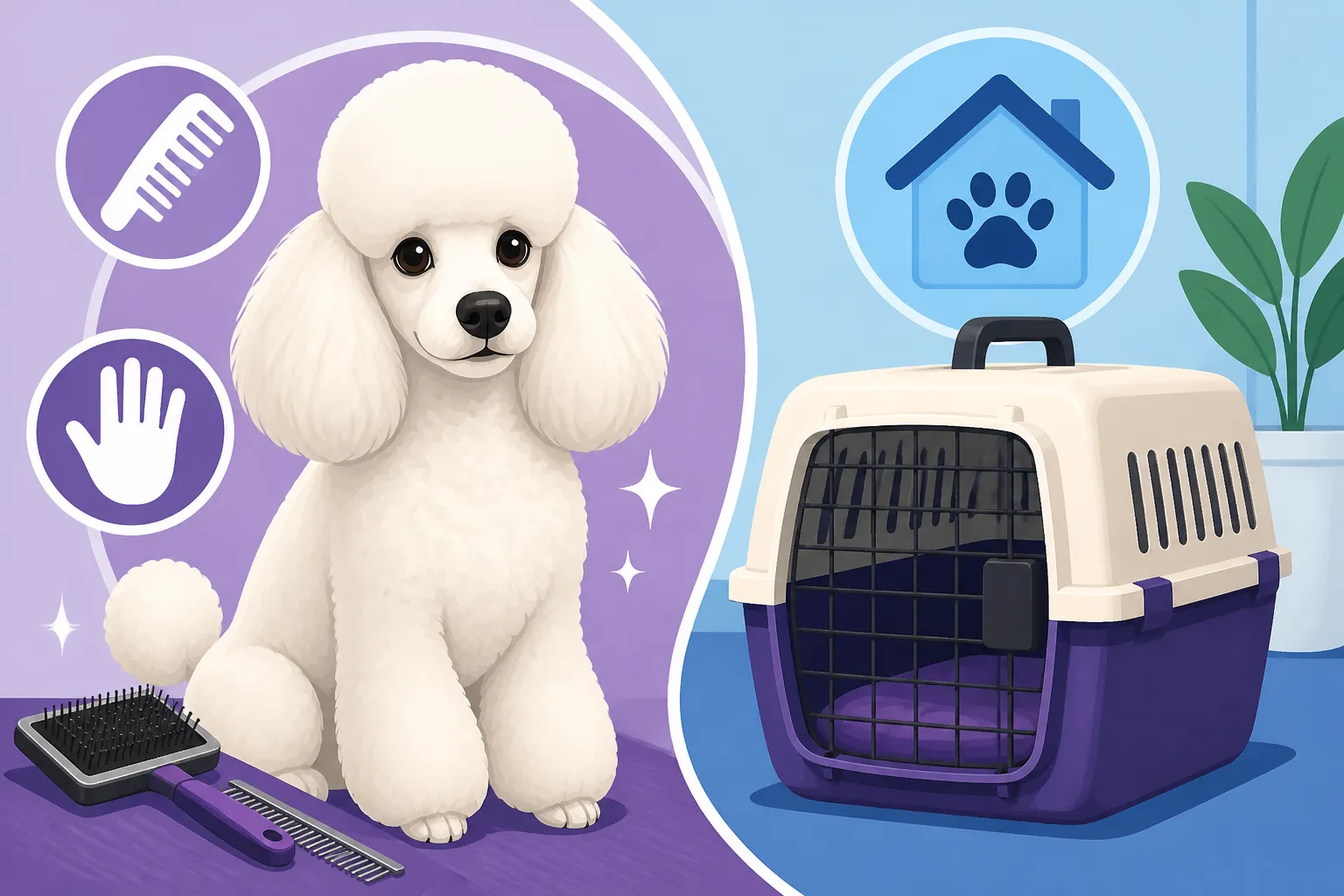
- Your Own Supplies: Ask if you can bring your own grooming tools. Often, your Poodle is used to your specific brush and comb, and familiar scents from home can also be comforting. Clearly label any items you bring. I always recommend packing a good slicker brush and a sturdy metal comb, along with a detangling spray (like those from reputable brands such as Chris Christensen or detangling products sometimes found on Chewy).
- Updates: What is their policy on updates? Some facilities offer daily "pupdates" with photos, which can give you peace of mind and even a visual check on the coat's condition. While it's not foolproof, seeing your Poodle looking happy and groomed can alleviate a lot of stress.
Remember, every Poodle is an individual, and a good facility will acknowledge and accommodate these individual needs where possible.
Preparing Your Poodle for a Successful, Mat-Free Boarding Stay
Even with the perfect facility, your preparation is key to ensuring your Poodle's coat remains in top condition. Think of it as laying the groundwork for success.
Pre-Boarding Grooming Essentials
This is non-negotiable. Your Poodle needs to go into boarding in absolutely pristine condition.
- Professional Full Groom: Schedule a full professional groom a day or two before drop-off. This means a thorough bath, blow-dry (to ensure every strand is straight and tangle-free), and a complete brush-out and clip. Ensure the groomer takes extra care to brush a Poodle to the skin, reaching all the way to the roots, especially in high-friction areas.
- Consider a Shorter Clip: Discuss with your groomer the benefits of a shorter, more practical clip for boarding. A sporting clip or a kennel clip (where the body is clipped short, often leaving a topknot and tail plume) can significantly reduce the risk of matting. While you might love a longer, fancier cut, a shorter style like the Sporting and Kennel Poodle Clips is far more manageable for staff who may not have the time for intricate daily brushing. This isn't about sacrificing style permanently but choosing a practical option for a temporary situation.
- Nail Trim and Ear Cleaning: Don't forget these details. Clean ears (especially if your Poodle has hair plucked from their canals) and trimmed nails reduce irritation and prevent self-inflicted scratches if they do get an itch.
Sending your Poodle to boarding with a freshly groomed, mat-free coat is like sending a child to school with a full backpack – it sets them up for success.
Packing the Right Grooming Toolkit
Even if the facility says they have brushes, bringing your own specific tools can make a difference. Your Poodle is likely accustomed to your tools, and they might be more effective on their particular coat type.
- Slicker Brush: A high-quality slicker brush is indispensable. Brands like Chris Christensen or Activet make excellent ones that penetrate the Poodle coat without causing discomfort.
- Metal Comb: A sturdy metal comb with both fine and wide teeth is essential for checking for tangles and working through any small knots that might form. Remember, the comb finds what the slicker misses.
- Detangling Spray: A good leave-in detangling spray helps lubricate the hair, making it less prone to tangles and easier to brush through. Again, brands like Cowboy Magic or Isle of Dogs offer good options.
- Small Treats: Include a small bag of your Poodle's favorite high-value treats to encourage cooperation during brushing sessions by the boarding staff.
- Clear Instructions: Create a small, laminated card or print-out with clear, concise instructions for daily brushing. Point out areas that mat easily (armpits, behind ears, inner thighs).
Make sure everything is clearly labeled with your Poodle's name and your last name. This helps ensure your items return home with your dog.
Acclimating Your Poodle to Handling
Some Poodles are more tolerant of handling and brushing than others. If your Poodle tends to be sensitive or particular about their grooming routine, a boarding stay can be extra stressful.
- Practice with "Strangers": Before boarding, ask friends or family members to practice brushing your Poodle. This helps your dog get used to different hands and techniques. Reward generously with treats and praise.
- Positive Association: Make grooming a positive experience. Keep sessions short, use lots of positive reinforcement, and associate brushing with good things like cuddles or a favorite toy. This can help them accept being handled by boarding staff more readily.
- Short "Test Stays": If your Poodle has never been boarded, consider scheduling a one-night or two-night stay beforehand. This allows them to get used to the environment, and you can see how their coat fares. It's a great way to gauge the facility's commitment to coat care and to give your Poodle a low-stakes trial run. This also helps with Separation Anxiety in a Velcro Poodle if your dog is prone to it.
The more comfortable your Poodle is with being handled and groomed by various people, the smoother their boarding experience (and their coat!) will be.
Working with Boarding Staff to Protect the Coat
You've done your homework and chosen a great facility, and your Poodle is prepped. Now it's time to ensure effective communication with the people who will be caring for your dog.
Clear Communication and Written Instructions
Don't just assume the staff will know what to do. Be proactive and provide them with all the necessary information.
- Detailed Care Sheet: Prepare a written sheet with your Poodle's name, your contact information, emergency vet details, and specific grooming instructions. Include:
- Brushing frequency: "Please brush daily for 10-15 minutes."
- Problem areas: "Mats tend to form quickly under [Poodle's name]'s armpits and behind their ears. Please pay extra attention there."
- Tool usage: "Please use the slicker brush followed by the metal comb provided."
- Detangling spray: "Please use the detangling spray before brushing."
- Check-in Conversation: During drop-off, have a face-to-face conversation with the staff member who will be primarily caring for your Poodle. Go over your written instructions, point out the grooming supplies you've brought, and reiterate your concerns about matting. Show them what a mat looks like and emphasize how important it is to you. A good facility will appreciate your thoroughness.
- Emergency Contact: Ensure they have your current contact information and an emergency contact person who can make decisions if you're unreachable. This is especially important for medical emergencies, but also for situations where they might need to consult you about a severe matting issue.
Offering Incentives or Demonstrations
Sometimes, a little extra effort on your part can go a long way in ensuring your Poodle receives the attention their coat needs.
- Extra Treats/Tip: Consider leaving a small bag of high-value treats specifically for brushing sessions. This creates a positive association for your Poodle and an incentive for the staff. Some owners even discreetly offer a small cash tip for staff who provide extra grooming care, especially for longer stays. This isn't mandatory, but it can be a nice gesture if you feel the staff go above and beyond.
- Brief Demonstration: If the staff member seems open to it, offer a quick, 60-second demonstration of how you typically brush your Poodle. Show them how to hold the skin taut, how to brush in layers (line brushing), and how to use the comb to check for missed tangles. Even a small visual cue can be incredibly helpful for someone who isn't a Poodle coat expert. You can share insights from articles like How to Line Brush a Poodle Properly to help them understand the technique.
Remember, you're building a partnership with the boarding facility. A collaborative approach usually yields the best results for your Poodle.
Post-Boarding Coat Recovery and Prevention
The moment of pick-up can be exhilarating, but it's also when you assess the success of your coat-protection strategy. Don't be disheartened if there are a few tangles – some are almost inevitable.
Immediate Actions Upon Pickup
No matter how well you prepared or how good the facility was, some minor tangles are common. The key is to address them gently and promptly.
- Full Body Check: As soon as you get home, do a gentle but thorough check of your Poodle's entire coat. Pay special attention to the armpits, behind the ears, the groin area, and around the collar or harness. These are the "hot spots" where mats typically form due to friction and moisture. Feel for any lumps or hard spots that indicate a mat.
- Bath and Brush-Out: Even if the facility gave your Poodle an exit bath, it's a good idea to give them another one yourself within a day or two. This allows you to use your preferred shampoo and conditioner (often from brands like Earthbath or Bio-Groom, which you can find on Chewy), and, most importantly, perform a thorough blow-dry and brush-out. Remember the golden rule: never brush a dry, tangled Poodle coat, and never try to brush a Poodle when wet without thoroughly conditioning and partially drying first. The water will tighten tangles into mats. A good bath and line-dry will loosen most minor tangles, making them easier to brush out without pain. This is a perfect time to apply the lessons from Bathing and Drying a Poodle.
- Look for Skin Irritation: While you're brushing, check for any skin redness, rashes, or "clipper burn" if they received a clip. Sometimes, even the best facilities can have minor issues, and catching them early is important.
If you find significant matting that you can't comfortably handle, call your professional groomer immediately. Do not try to cut out mats with scissors yourself, as it's incredibly easy to cut the skin beneath.
Long-Term Strategies for Future Stays
To make future boarding experiences smoother for both you and your Poodle, consider these long-term strategies.
- Consistent Home Grooming: The absolute best defense against matting, whether boarding or not, is consistent daily or every-other-day brushing at home. The more frequently you brush your Poodle to the skin, the less likely mats will form, and the easier any small tangles will be to remove. Learning to Clip a Poodle at Home can also give you more control over their coat maintenance between professional grooms, especially if you opt for a simpler, shorter clip.
- Shorter, Practical Clips: If you board your Poodle frequently, seriously consider maintaining a shorter, more uniform clip year-round. While the elaborate show clips are beautiful, they are incredibly high maintenance and unrealistic for many active Poodles and their owners, especially during boarding. A practical kennel or sporting clip keeps your Poodle comfortable, reduces matting risk, and makes maintenance much easier for boarding staff.
- Building a Relationship with One Facility: Once you find a Poodle-friendly boarding facility that understands and respects your dog's coat needs, stick with them. They will get to know your Poodle, their coat quirks, and your expectations. This continuity creates a more personalized and positive experience for everyone involved.
- Invest in Pet Insurance: While not directly coat-related, unexpected vet bills can arise from skin irritations or injuries sometimes sustained in boarding environments, or just general Poodle health issues. Having a robust pet insurance plan (like those offered by Healthy Paws) can provide peace of mind for the wider health picture, allowing you to focus on the coat during boarding.
Costs Associated with Poodle Boarding and Grooming Protection
Let's talk about the finances. Protecting your Poodle's coat during boarding isn't just about time and effort; there are often associated costs. Being prepared for these can help you budget appropriately.
Understanding Boarding Facility Pricing Tiers
Boarding prices aren't one-size-fits-all. They often depend on the level of luxury, services, and location.
- Basic Kennels: These might offer standard runs and minimal interaction, often at the lowest price point. They are less likely to include specialized Poodle coat care.
- Mid-Range Facilities: These often provide indoor/outdoor runs, group play options, and potentially add-on services like extra walks or "cuddle time." They might have staff with more general dog experience but not necessarily Poodle-specific grooming expertise.
- Luxury Pet Hotels/Boutique Boarding: These facilities offer private suites, webcams, tailored activity schedules, and often include or offer advanced grooming services. They are more likely to have staff who are trained in specific breed needs, including Poodle coat care. However, they come with a premium price tag.
- Home Boarding/Pet Sitters: Sometimes, a private pet sitter who cares for your Poodle in their home or yours (via services like Rover or professional agencies) can offer the most personalized attention, including dedicated grooming time. This can be an excellent option for highly sensitive Poodles or those with very intricate coats, though prices can vary widely.
When comparing costs, always ask what is included. Daily brushing for a Poodle might be an extra charge at some facilities, while it's standard at others. Ensure you know the full cost before committing.
| Feature/Service | Basic Kennel (Low Cost) | Mid-Range Facility (Moderate Cost) | Luxury Pet Hotel/Home Boarding (High Cost) | Poodle Coat Considerations |
|---|---|---|---|---|
| Housing | Wire/concrete runs, shared spaces | Individual kennels, small outdoor runs | Private suites, home environment | Friction Risk: High on hard surfaces, wire. Better on soft bedding. |
| Grooming Services | Minimal, exit bath only (extra) | Basic brushing (extra), exit bath | Daily brushing (included/extra), full grooming services available | Expertise: May be lacking in basic. High in luxury/home. Essential for Poodles. |
| Play/Exercise | Group play, limited supervision | Supervised group play, individual walks | Personalized play, varied surfaces | Matting Risk: High with rough play, water, outdoor debris. Managed with supervision/drying. |
| Bedding Provided | Basic mat, often hard | Standard dog bed, raised cot | Plush bedding, owner's bedding allowed | Friction Reduction: Soft bedding significantly reduces tangles. |
| Communication | Basic check-in/out | Updates via email/app, some personalization | Detailed updates, direct contact with caregiver | Specific Needs: Crucial for communicating Poodle coat instructions. |
| Cost (per night, est.) | $30 – $50 | $50 – $80 | $80 – $150+ | Higher cost often equates to better, personalized care for the coat. |
This table provides a general overview, and actual prices and services will vary by location and specific provider.
Budgeting for Pre and Post-Boarding Grooming
The actual boarding fee is only part of the equation when you own a Poodle. You also need to factor in grooming costs around the stay.
- Pre-Boarding Groom: As discussed, a full professional groom right before boarding is highly recommended. This can cost anywhere from $70 for a Toy Poodle to $150+ for a Standard Poodle, depending on your location and the groomer's rates. It’s an investment, but it drastically reduces the risk of expensive mat removal later.
- Post-Boarding "Cleanup": Even with the best efforts, your Poodle might still need a bath and brush-out (or even a mini-groom) upon their return. If severe matting occurs, the cost of de-matting can be significant, often incurring surcharges groomers add for a matted Poodle. In the worst-case scenario, if the coat is severely pelted, a full shave-down might be necessary, which can be emotionally difficult and still carry a professional grooming fee.
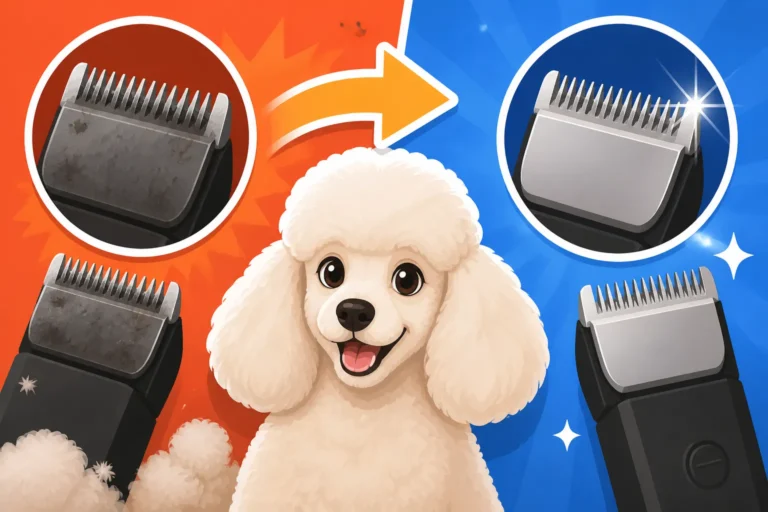
- Home Grooming Supplies: If you plan to do some of the brushing yourself, budget for quality tools. A good slicker brush and metal comb are essential, and a high-velocity dryer (especially for Standard Poodles) can be a game-changer for drying after baths. While the initial outlay for Poodle clippers and blades might seem high, it can save you money in the long run if you regularly maintain a shorter clip.
- Dietary Needs: Keeping your Poodle on a good, balanced diet, perhaps with some supplements for skin and coat health (like those found at Ollie or Chewy), can contribute to a healthier, more resilient coat overall. This won't prevent mats, but a healthy coat is generally easier to maintain.
Boarding a Poodle without wrecking their coat requires foresight, clear communication, and a willingness to invest a bit more time and money into their unique grooming needs. By taking these steps, you can enjoy your time away knowing your Poodle will return home looking and feeling their very best.
Disclaimer
This article is intended for informational purposes only and is not a substitute for professional veterinary advice. Always consult with a qualified veterinarian or professional groomer for any health or grooming concerns specific to your Poodle.