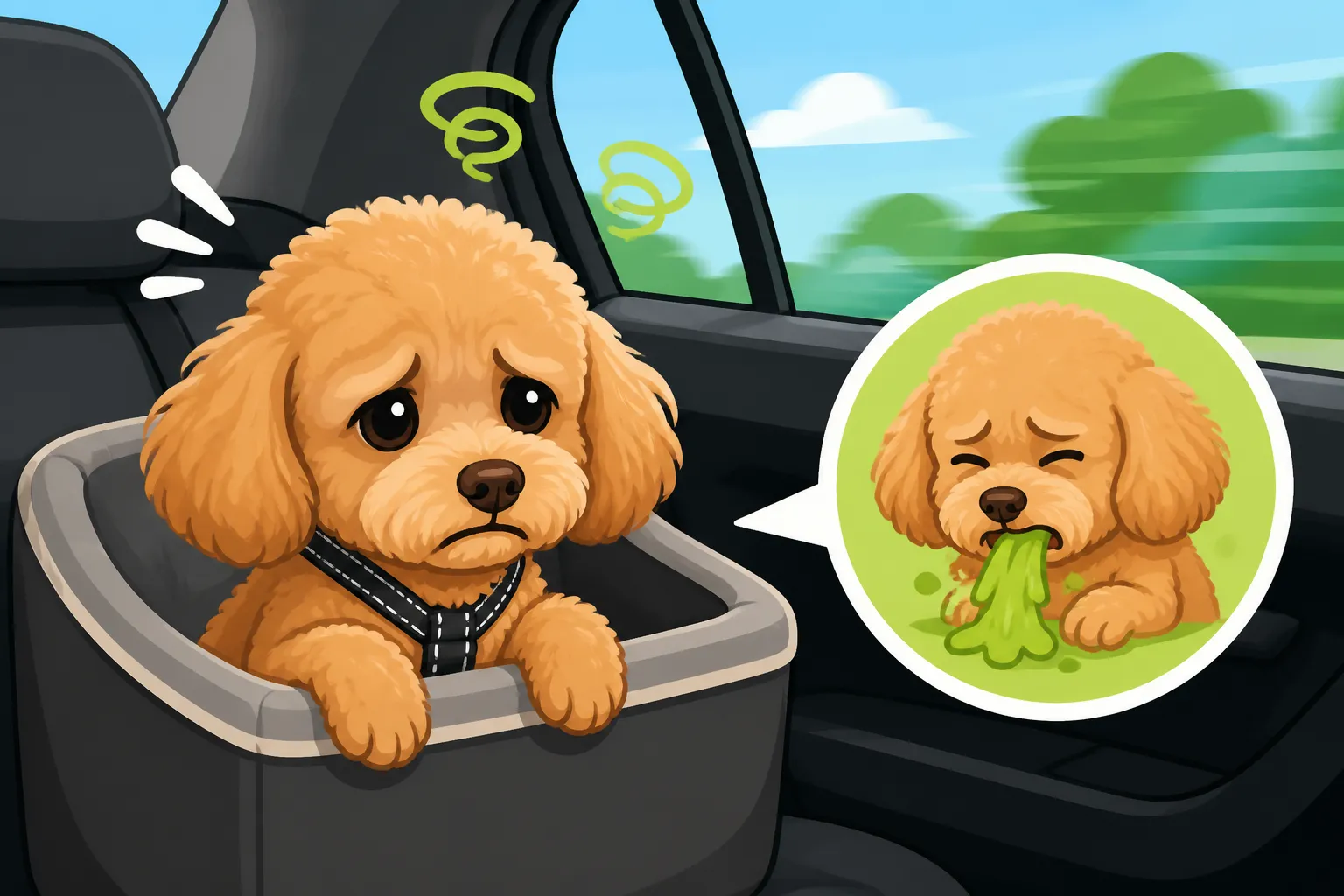
Car Sickness in a Toy Poodle
It's a familiar and frustrating scenario for many Toy Poodle parents: you buckle your beloved little one into the car, hopeful for a smooth journey, only for them to start drooling, panting, whining, and eventually, well, regurgitating their breakfast all over your backseat. Car sickness in Toy Poodles isn't just an inconvenience; it can make travel a source of immense stress for both you and your sensitive companion, limiting your adventures together. This comprehensive guide will delve into why these tiny bundles of joy often struggle with car rides and, more importantly, equip you with practical strategies to alleviate their discomfort and make car travel a much more pleasant experience for everyone.
Understanding Why Toy Poodles Get Car Sick
Car sickness, or motion sickness, is a common issue for many dogs, and Toy Poodles, with their particular physiology and often more sensitive dispositions, can be especially prone to it. It's not just about a queasy stomach; it's a complex interplay of physical and emotional factors. Understanding these root causes is the first step toward finding effective solutions.
The Vestibular System and Sensory Mismatch
At the heart of motion sickness is the vestibular system, located in the inner ear. This system is responsible for sensing balance, spatial orientation, and motion. When your Toy Poodle is in a moving car, their eyes might see a static car interior, but their inner ear is detecting all the motion – turns, acceleration, braking, and bumps. This creates a sensory mismatch: what their eyes perceive doesn't align with what their inner ear and body are feeling. This conflicting information can lead to confusion in the brain, triggering the nausea and discomfort associated with car sickness.
For tiny dogs like Toy Poodles, this effect can sometimes be exacerbated simply due to their lower vantage point. They might not be able to see out of the window as easily as a larger dog, further intensifying the sensory disconnect. Imagine being in a moving box where you can't see the outside world moving by – it's disorienting. Additionally, the developing vestibular systems of puppies are particularly sensitive, making young Toy Poodles more susceptible to car sickness than older dogs. This is often why many dogs "grow out of" car sickness, though some sensitive individuals may struggle with it their entire lives.
Anxiety and Negative Associations with Car Travel
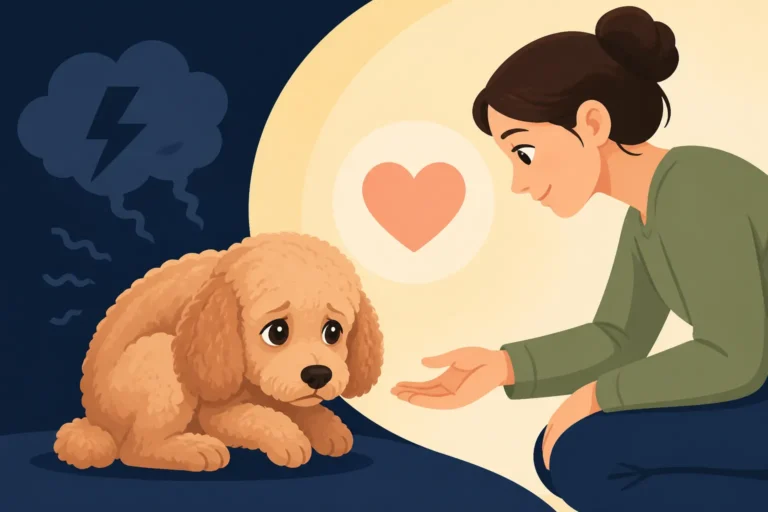
Beyond the purely physical aspect, anxiety plays a massive role in car sickness for many Toy Poodles. If early car rides were associated with unpleasant experiences, like a trip to the vet for shots or a traumatic grooming session, your Poodle might develop a negative association with the car itself. Even if they don't feel physically ill, the sheer anticipation of an unpleasant destination can trigger stress and a psychosomatic response of nausea.
Think about it: the moment you grab your keys, your Poodle might start showing signs of distress – whining, panting, trembling, or trying to hide. These are classic anxiety signals. This learned aversion can create a vicious cycle: the dog gets anxious about the car, the anxiety makes them feel sick, and getting sick reinforces their fear of the car. Breaking this cycle requires patience, positive reinforcement, and often, a dedicated desensitization program. For dogs who have a general tendency to be Fearful and Reactive Poodles, car travel can be a particularly challenging trigger.
Recognizing the Signs of Car Sickness in Your Tiny Poodle
Because Toy Poodles are often sensitive creatures, they might not always throw up immediately. They can display a range of subtle signs before full-blown vomiting occurs. Learning to read these early indicators is crucial so you can intervene and comfort your Poodle before their discomfort escalates.
Subtle Early Warnings
Often, the first signs of car sickness are behavioral. Your usually happy-go-lucky Toy Poodle might start to act a little "off" the moment they realize a car ride is imminent or when the car starts moving. You might notice them yawning excessively, which isn't always a sign of tiredness but can be a subtle indicator of nausea or anxiety. Frequent lip-licking or swallowing can also signal an upset stomach, as can excessive drooling – sometimes to the point where they're soaking their chin.
Another early warning sign might be an increased restlessness or an inability to settle down, even if they usually love cuddling up for a nap. They might shift positions constantly, whine softly, or paw at you, seeking reassurance. Some Poodles might even tuck their tail or try to hide under the seat or in a corner of their carrier, indicating a desire to escape the unsettling motion. Paying close attention to these nuances can give you a head start in preventing a full-blown episode.
Obvious Physical Symptoms
As car sickness progresses, the signs become much more overt and unmistakable. The excessive drooling will likely become more pronounced, perhaps even dripping from their mouth. They might start panting rapidly, even if the car isn't particularly warm, as a sign of stress and nausea. You might see them pacing, trembling, or becoming visibly agitated, often letting out distressed cries or whimpers.
Of course, the most obvious and dreaded symptom is vomiting. This can range from mild regurgitation to more severe heaving. Diarrhea, though less common than vomiting, can also occur in highly anxious or severely affected Poodles. Once these symptoms manifest, your Poodle is likely in considerable distress, and the goal should be to bring the vehicle to a safe stop, offer comfort, and assess if they need a break from travel. Remember, a single bad experience can deeply entrench a fear of car rides, making future travel even harder.
| Symptom Category | Early/Subtle Signs | Advanced/Obvious Signs |
|---|---|---|
| Behavioral | Excessive yawning, lip licking, frequent swallowing, restlessness, pacing, seeking reassurance, hiding | Whining, crying, trembling, refusing to settle, trying to escape |
| Physical | Mild drooling, slight panting | Heavy drooling, rapid panting, vomiting, diarrhea (less common) |
| Emotional | Unease, nervousness, slight apprehension | Intense anxiety, fear, distress, panic |
Practical Steps to Prevent and Manage Car Sickness
Addressing car sickness in a Toy Poodle often requires a multi-pronged approach, tackling both the physical discomfort and any underlying anxiety. The good news is there are many strategies you can employ to make car rides more tolerable, and even enjoyable, for your little friend.
Desensitization and Positive Reinforcement
One of the most effective long-term strategies is a gradual desensitization program combined with positive reinforcement. This means slowly introducing your Poodle to the car in a way that builds positive associations and reduces fear. Start by simply letting your Poodle explore the stationary car. Let them sniff around, jump in and out voluntarily, and give them high-value treats and praise. You can even feed them their meals in the car without it ever moving. Treats Small Enough for a Toy Poodle are perfect for this, as they can be given frequently without adding too many calories.
Once they're comfortable with the stationary car, move on to short sessions with the engine running, still without driving anywhere. Progress to very short drives – just around the block or to the end of the driveway and back. Keep these initial trips short and always end on a positive note, perhaps with a fun walk or playtime. The key is to never push them beyond their comfort zone. If they show any signs of stress, revert to an easier step. For more advanced training ideas, resources like BAXTER & Bella offer online puppy training programs that emphasize positive reinforcement and could be adapted for desensitizing to car travel. Consistency is paramount, as is understanding your Poodle's subtle cues to avoid making them Rebuilding Trust With a Frightened Poodle.
Car Set-Up and Travel Accessories
The environment within the car itself can significantly impact your Toy Poodle's comfort. Ensure they have a secure and comfortable place to ride. A crash-tested car seat or a well-ventilated travel crate can provide a sense of security and limit their ability to move around, which can help reduce motion sickness. Many excellent options are available on platforms like Amazon, offering different sizes and features suitable for Toy Poodles. A small, comfy bed or blanket inside the carrier can also make it feel like a safe den.
Consider positioning their carrier or car seat so they can see out the front window, as this can help align their visual input with their vestibular input, reducing the sensory mismatch. Some Poodles prefer to look out, while others do better with slightly obscured views if the moving scenery overstimulates them. Experiment to see what works best for your individual Poodle. Always ensure fresh air circulation in the car, and keep the temperature comfortable – neither too hot nor too cold. Secure carriers are important for their safety too; an unsecured pet can become a projectile in a sudden stop. Look for Carrier Sizes That Fit a Toy Poodle to ensure comfort and safety.
Food Management and Medication
What and when your Toy Poodle eats before a car trip can also make a difference. Avoid feeding them a large meal right before travel. A light meal a few hours prior is usually best, or even no food at all for several hours if they are particularly prone to vomiting. Consult with your veterinarian about appropriate feeding schedules. Offering small, easily digestible treats during the trip (if they are not already nauseous) can also create a positive association.
For Toy Poodles with severe car sickness, medication might be a necessary and humane option. Your veterinarian can prescribe anti-nausea medications specifically for dogs that can significantly reduce discomfort. There are also over-the-counter options, such as certain antihistamines, that can have a sedating effect and help with nausea, but always discuss these with your vet before administering any human medication to your Poodle, as dosages and suitability vary greatly. For dogs with anxiety-driven car sickness, your vet might also suggest calming supplements or pheromone sprays, some of which can be found on sites like Amazon. Remember, medication is often best used in conjunction with behavioral strategies, not as a standalone solution.
Long-Term Strategies for a Happier Traveler
Turning a car-sick Toy Poodle into a happy traveler is a marathon, not a sprint. It requires patience, consistency, and a willingness to explore various avenues to find what works best for your unique companion.
Consistent Training and Routine
Building a positive association with the car involves consistent training and integrating car rides into a positive routine. Don't just associate the car with trips to the vet; take your Poodle on short, pleasant excursions to the park, a friend's house, or a dog-friendly cafe. The more positive experiences they have in the car, the less likely they are to associate it solely with negative outcomes. This regular, low-stress exposure helps normalize car travel.
Furthermore, ensure that basic obedience cues are solid. A confident dog is often a calmer dog. If your Poodle is comfortable with commands like "settle" or "lie down" in various environments, they might feel more secure in the car. Programs like those offered by BAXTER & Bella can help establish this foundational training, fostering a confident and adaptable dog. For Poodles who struggle with separation anxiety, or are prone to being a Poodle That Follows You Everywhere, making the car a place where they can relax independently can be a significant step. Starting with Crate Training a Poodle That Wants Company can generalize to feeling secure in a car carrier.
Managing Anxiety Beyond the Car
Sometimes, car sickness isn't just about the car; it's a symptom of broader anxiety. If your Toy Poodle is generally a Sound Work for a Noise-Sensitive Poodle or gets easily stressed in new situations, addressing these underlying anxieties can indirectly improve their car sickness. This might involve environmental enrichment at home, consistent exercise, puzzle toys, and continued positive reinforcement training.
For highly anxious Poodles, consulting with a certified professional dog trainer or a veterinary behaviorist can be incredibly beneficial. They can help you identify specific triggers, implement advanced desensitization protocols, and suggest additional management techniques or behavioral modification plans. It’s an investment, but a happier, less anxious Poodle is priceless, and it opens up a world of travel possibilities. If they often feel Why a Poodle Shuts Down When Scolded, a gentle, force-free trainer is essential to rebuild their confidence.
Considerations for Long Journeys
If you must embark on a long journey with a car-sick Toy Poodle, planning is essential. Schedule frequent stops for potty breaks and a chance to stretch their legs outside the car. Offer water during stops but keep food intake minimal. Consider using their anti-nausea medication as prescribed by your vet to ensure maximum comfort.
A well-ventilated, comfortable space is non-negotiable for longer trips. You might even consider using calming wraps or pheromone sprays in their carrier, which are available on platforms like Amazon, to provide an extra layer of reassurance. Remember, the goal is to make every part of the journey as stress-free as possible. Even a Toy Poodle puppy needs appropriate crate size and comfort for travel, and you can learn about general crate considerations from Crate Size for Each Poodle Variety. With consistent effort and understanding, your Toy Poodle can learn to associate car rides with adventure and joy, rather than nausea and fear.
Disclaimer
This article is for general informational purposes only and does not constitute professional advice. Laws, prices and regulations vary by location and change over time. Consult a qualified professional for guidance on your specific situation.