Poodle Dental Disease by Size
Poodle dental disease varies by size due to jaw structure and crowding, causing plaque, tartar, and severe periodontal infections.
Know what to watch for.
Breed-specific conditions, screening and DNA tests, what surgery actually costs, and the daily habits that stretch a healthy lifespan.
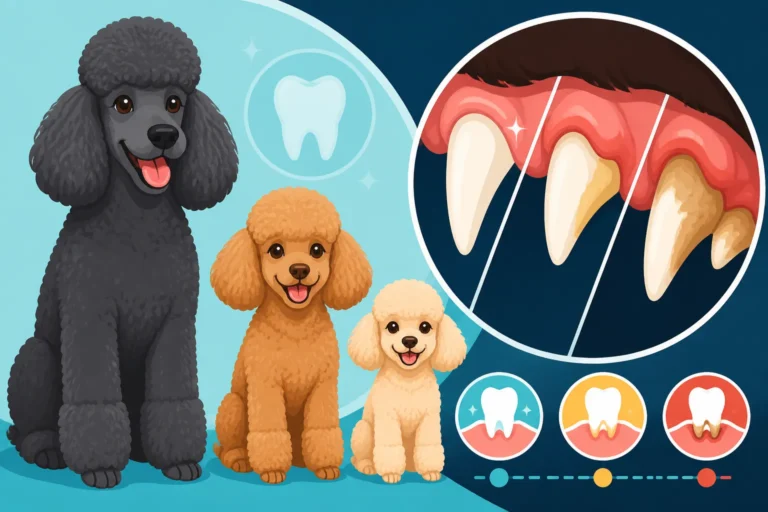
Poodle dental disease varies by size due to jaw structure and crowding, causing plaque, tartar, and severe periodontal infections.
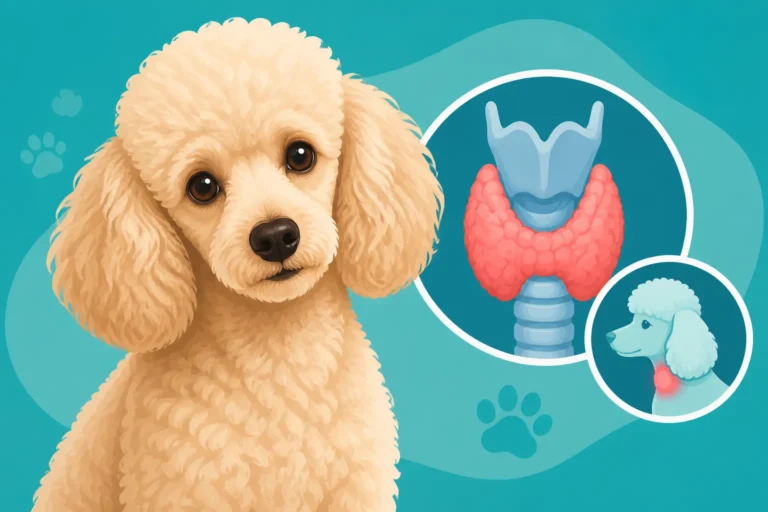
Thyroid disease in Poodles causes weight gain, fatigue, and coat changes due to autoimmune thyroiditis attacking the gland.
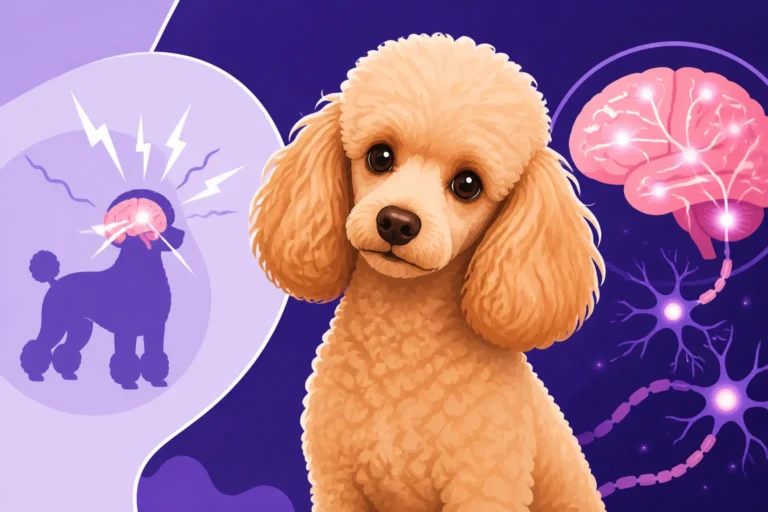
Idiopathic epilepsy in Miniature Poodles is an inherited neurological disorder causing seizures, usually starting between six and five years.

Toy Poodle puppy hypoglycemia causes low blood sugar because small bodies and immature livers cannot store enough energy.
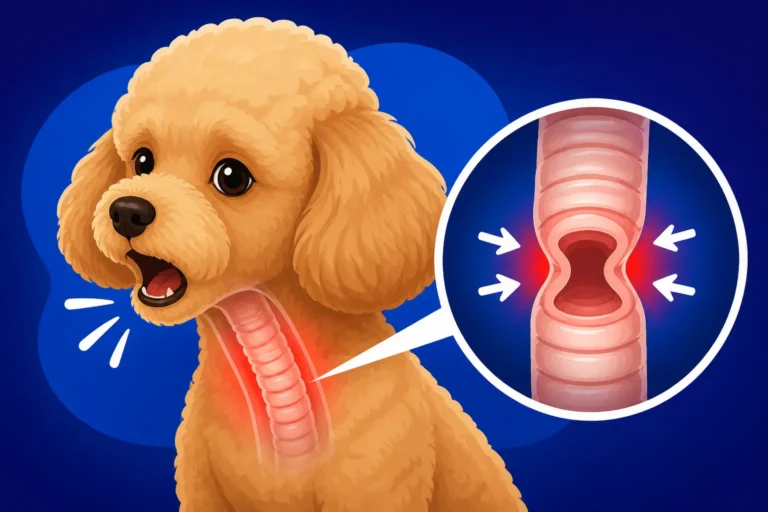
Tracheal collapse in Toy Poodles causes goose honking coughs and breathing problems due to weakened C-shaped cartilage rings.
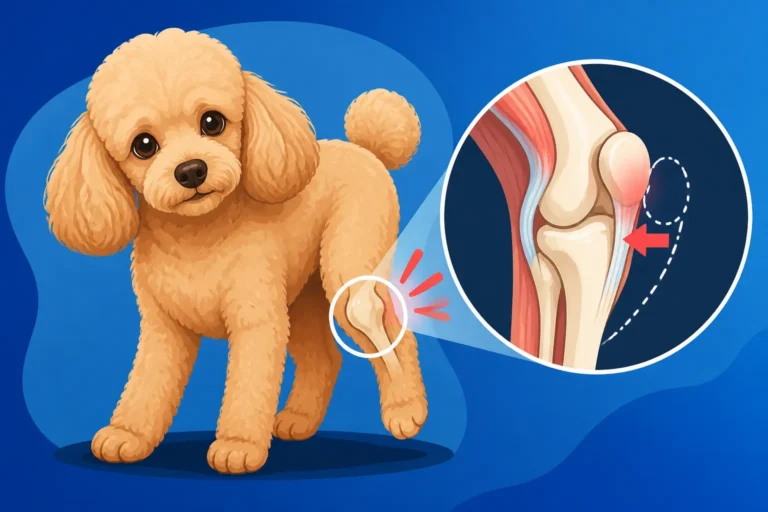
Luxating patella in Toy and Miniature Poodles causes kneecaps to slip out of place, leading to pain and mobility issues.
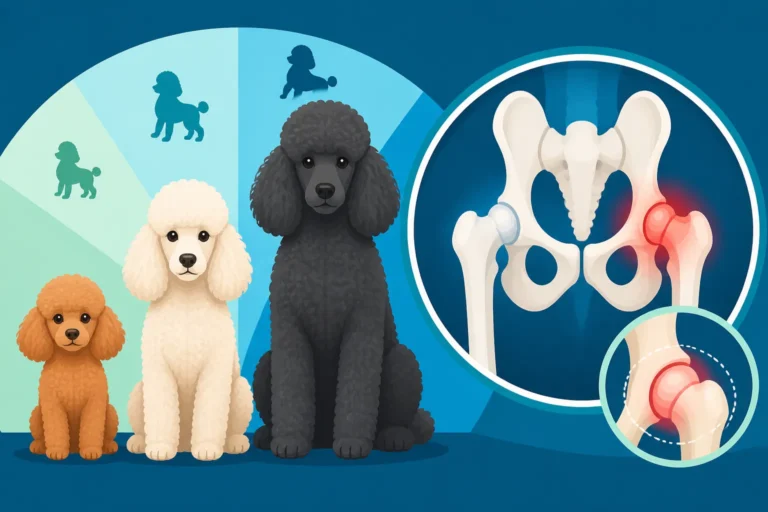
Poodle hip dysplasia affects Standard, Miniature, and Toy varieties, causing joint malformation, chronic pain, and reduced mobility.
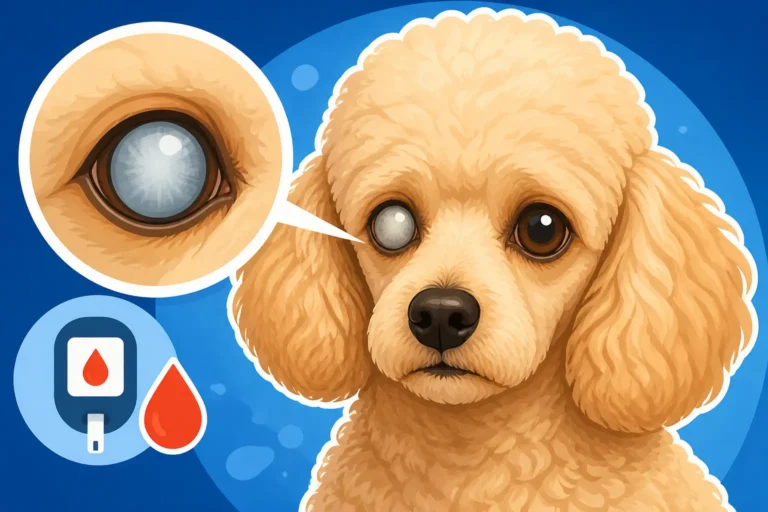
Diabetic cataracts in Poodles develop when excess glucose converts to sorbitol, pulling water into the eye lens and causing rapid cloudiness.
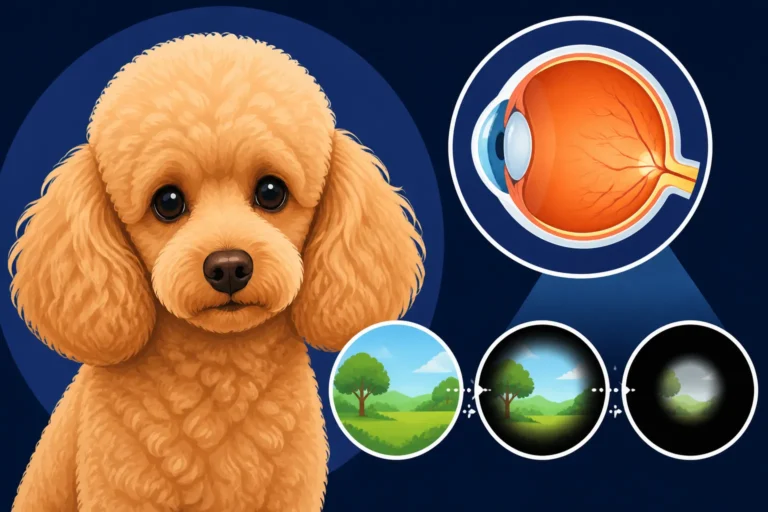
Progressive Retinal Atrophy in Miniature Poodles causes gradual blindness through inherited photoreceptor cell deterioration over time.
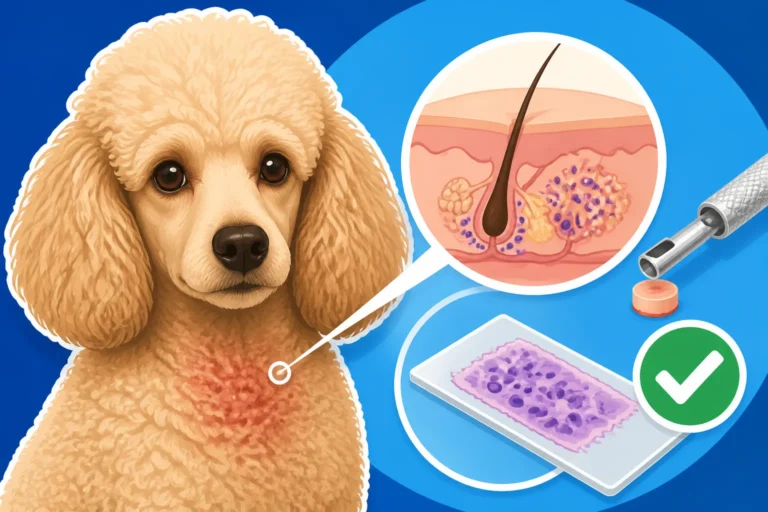
Skin biopsies confirm sebaceous adenitis in Poodles, explaining how veterinarians diagnose this inherited inflammatory skin disease.