Caring for an Aging Poodle
Senior Poodle care covers early aging signs, changing coat textures, and lifespan differences across toy, miniature, and standard sizes.
Know what to watch for.
Breed-specific conditions, screening and DNA tests, what surgery actually costs, and the daily habits that stretch a healthy lifespan.

Senior Poodle care covers early aging signs, changing coat textures, and lifespan differences across toy, miniature, and standard sizes.

Poodle health testing details necessary screenings for Standard, Miniature, and Toy puppies to prevent inherited diseases.

Standard, Miniature, and Toy Poodle lifespans range from 10 to 15 years, influenced by health challenges like bloat and epilepsy.

Blood sugar crashes in Toy Poodles cause dangerous drops in glucose, requiring owners to recognize early warning signs and prevent emergencies.
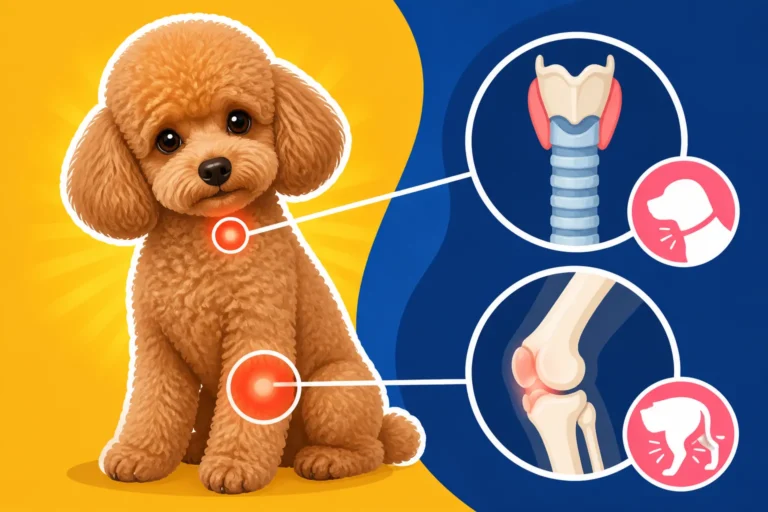
Toy Poodle luxating patella and collapsing trachea conditions explained, detailing skeletal vulnerabilities and early veterinary care.

Inherited blindness in Poodles involves genetic eye diseases like Progressive Retinal Atrophy causing progressive or congenital vision loss.
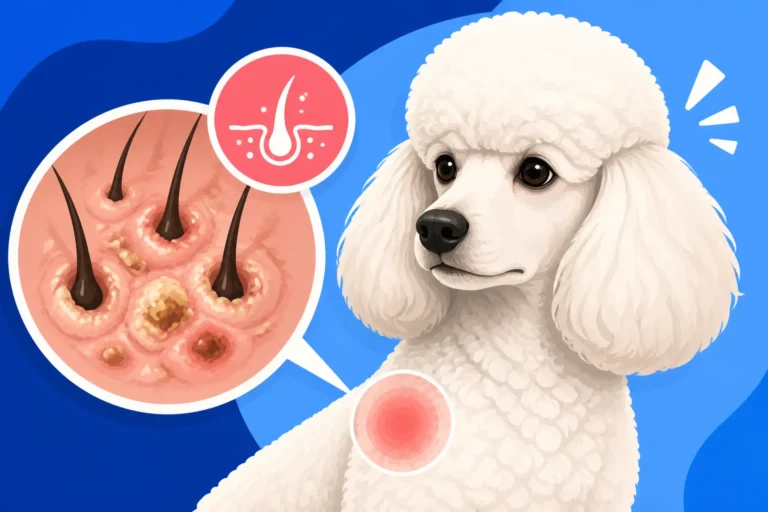
Sebaceous adenitis is an immune-mediated disease destroying sebaceous glands, causing dry skin, brittle hair, and infections in Poodles.
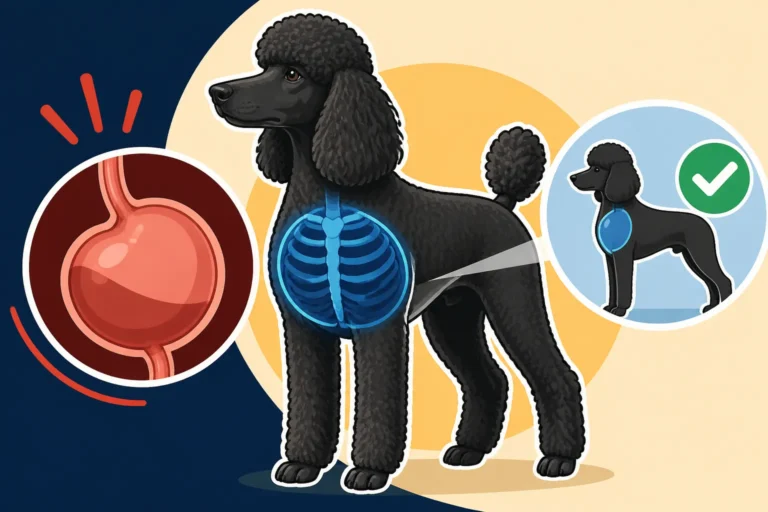
Gastric dilatation-volvulus in Standard Poodles explains why deep chests cause bloat and details urgent life-saving signs.

Addison’s disease in Standard Poodles involves adrenal gland hormone deficiencies affecting metabolism, stress response, and electrolyte balance.

Poodle health variations stem from distinct breeding pathways and reduced gene pools that create unique genetic predispositions.