Early Sebaceous Adenitis on a Poodle’s Topknot
Noticing a change in your beloved Poodle's topknot can be incredibly alarming. That beautiful, meticulously cared-for hair, suddenly dry, flaky, and sparse, can make any Poodle parent's heart sink. It's frustrating when you're doing everything right with grooming, yet your Poodle's coat seems to be failing. This guide will delve into the early signs of Sebaceous Adenitis (SA) specifically on a Poodle's topknot, helping you understand this challenging condition and how to identify it.
Understanding Sebaceous Adenitis and Its Impact on the Poodle Coat
Sebaceous Adenitis (SA) is a truly perplexing and often heartbreaking autoimmune skin disease that predominantly affects Poodles, especially Standard Poodles, though Miniature and Toy Poodles can also be affected. Imagine your dog's skin as a delicate ecosystem, and within it, tiny glands called sebaceous glands. Their job is to produce sebum, a natural oily substance that lubricates the skin and hair follicles, keeping the coat shiny, healthy, and moisturized. In Poodles with SA, for reasons still not fully understood, the immune system mistakenly attacks and destroys these very essential glands.
When the sebaceous glands are compromised, they can no longer produce enough sebum. This leads to a cascade of problems for the Poodle's distinctive coat. Instead of soft, resilient hair, you start seeing dry, brittle strands that break easily. The skin beneath becomes dry and flaky, and without that protective oily layer, it's more susceptible to bacterial and yeast infections. For Poodle owners, this is particularly distressing because the coat is such a hallmark of the breed's beauty and requires diligent care. You might be putting in all the effort with brushing and bathing, yet the coat still deteriorates, leaving you feeling helpless and confused. This condition is a significant reason why some Poodle lines have struggled, and it’s something responsible breeders screen for. You can learn more about how Sebaceous Adenitis and the Poodle Coat are intertwined.
Why the Topknot is Often an Early Indicator
The topknot, being one of the densest and most prominent areas of a Poodle's coat, can often be one of the first places where the subtle signs of SA become noticeable. Think about it: a Poodle's signature look relies heavily on that full, plush topknot. When something is wrong, it tends to manifest there. The hair on the top of the head and along the neck is constantly growing, and the sebaceous glands in this region are working hard. If these glands start to fail, the impact on the hair shafts in such a concentrated area is quick to appear.
Owners often report seeing the first signs not as bald patches, but as a change in texture and luster. The hair that was once springy and vibrant might suddenly feel coarse, dull, and lifeless. This is because the individual hair shafts are no longer receiving the vital lubrication they need from the sebaceous glands. It’s like trying to grow a garden without water – the plants become stunted and unhealthy. This early manifestation on the topknot can be a crucial warning sign, prompting you to investigate further before the condition progresses to other areas of the body.
The Autoimmune Aspect: What It Means for Your Poodle
The term "autoimmune" is key here. It means the body's own defense system, which is designed to protect against foreign invaders like bacteria and viruses, turns against its own healthy cells and tissues. In the case of SA, the immune system targets the sebaceous glands. This isn't an infection your Poodle caught, nor is it due to something you did or didn't do with their grooming. It's an internal malfunction.
This autoimmune nature makes SA a chronic condition. There's no quick cure, and management often involves a lifelong commitment to various treatments aimed at soothing the skin, replacing lost lipids, and controlling secondary infections. The frustration for owners often stems from this chronic, unpredictable nature. One day the coat might look a little better, the next it might seem to regress. Understanding that it's an autoimmune process helps reframe the situation; it moves beyond simply "bad skin" to a complex immune system challenge that requires consistent, informed care. It's a difficult journey, and being prepared for the long haul is essential.
Recognizing Early Signs of Sebaceous Adenitis on the Topknot
When you're dealing with an insidious disease like Sebaceous Adenitis, early detection is absolutely key to managing it effectively. The problem is, many early signs can easily be mistaken for common grooming challenges or minor skin irritations, making diagnosis a tricky business. But if you know what to look for, especially on that prominent topknot, you can often catch it sooner rather than later.
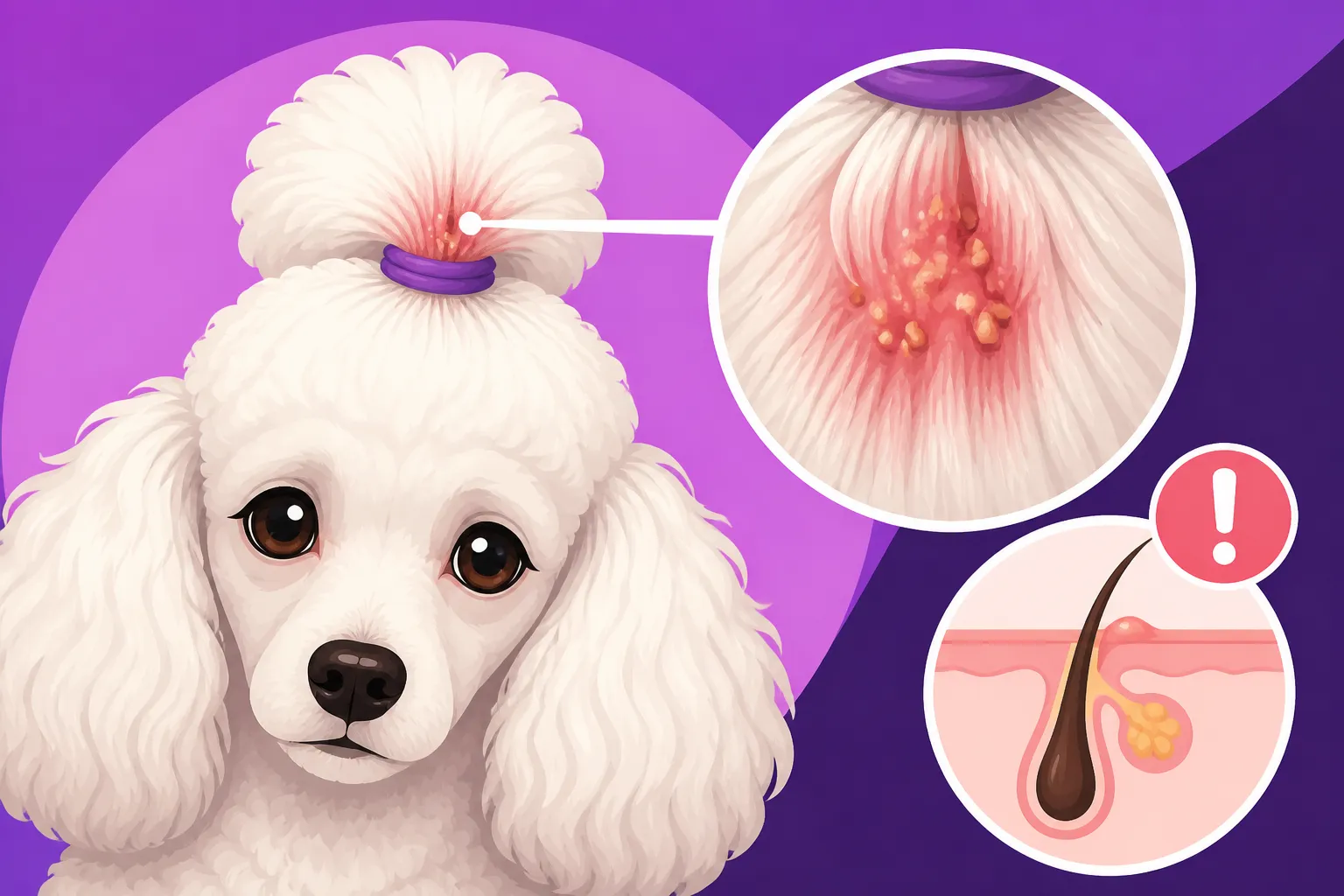
You might first notice a subtle dullness in your Poodle's topknot. That once vibrant, lustrous hair starts to look a bit lifeless, almost like it's been coated in dust or just isn't reflecting light anymore. This is often followed by a noticeable change in texture. The hair can become brittle, dry, and coarse to the touch. It might even feel "gummy" or "waxy" at the base where the hair meets the skin, which is a tell-tale sign of sebum and dead skin cell buildup. It's not uncommon for owners to think they just need a better conditioner or more frequent baths at this stage, trying different shampoos and remedies, only to see no lasting improvement.
As the condition progresses, you'll start to see more obvious signs. Fine, silvery-white flakes, almost like dandruff, will appear, particularly when you brush the topknot. These aren't just superficial flakes; they often adhere to the hair shaft and can be tough to remove. Then, the hair thinning begins. You might notice small, patchy areas where the hair density is clearly reduced, or the topknot just doesn't feel as full as it once did. In some cases, tiny, almost imperceptible scabs or bumps can form on the skin underneath, which are signs of irritation or early infection. These early indicators, though seemingly minor, are crucial red flags that warrant a veterinary visit.
Dullness, Dry Flakes, and Brittle Hair: The First Clues
The initial changes in your Poodle's topknot are often insidious. You might brush your Poodle daily, as all good Poodle owners do, and suddenly notice the brush isn't gliding through the hair quite as smoothly. The hair might feel rougher, less elastic. The distinctive shine that Poodles are known for might dim, making the coat appear dull, even after a fresh bath.
Then come the flakes. Not just a few loose hairs with some dust, but persistent, fine, silvery scales that cling to the hair shafts, especially at the roots. These aren't like typical dandruff from dry skin; they often have a more waxy, almost greasy feel despite the overall dryness of the coat. This combination of dryness and waxy buildup is highly characteristic of SA. The hair itself might become so brittle that it snaps easily when you brush it, or you might find more hair coming out on your brush than usual, signaling excessive breakage rather than shedding. These aren't simply cosmetic issues; they are indicators that something fundamental is amiss with the skin's health.
Thinning Hair and Small Bald Spots
As the sebaceous glands continue to degrade, the hair follicles become severely malnourished. The hair can't grow properly, and existing hairs become so fragile they fall out or break. This leads to noticeable thinning of the topknot. What once was a magnificent crown of curls might start to look sparse and uneven. You might run your hand over your Poodle's head and feel patches where the hair is distinctly less dense.
Eventually, small, localized bald spots can develop. These aren't always large, dramatic patches initially, but rather coin-sized or smaller areas where the hair has completely fallen out, leaving smooth, slightly scaly skin. These areas might feel a bit bumpy or thickened compared to the surrounding healthy skin. It's important to differentiate this from typical hair loss due to rubbing or matting. With SA, the hair loss often appears symmetrically or in patches that don't seem to correlate with physical trauma. If you start seeing these small bald spots, especially in conjunction with the other signs, it's a strong indication that you're dealing with more than just a bad hair day.
Secondary Infections: When the Skin Reacts
One of the most unfortunate consequences of SA is the heightened risk of secondary skin infections. The loss of the skin's natural lipid barrier, coupled with the buildup of dead skin cells and debris, creates a perfect breeding ground for bacteria and yeast. Your Poodle's skin is now vulnerable.
You might notice a distinct, often unpleasant, odor coming from the topknot area, even after bathing. This "doggy" smell, often described as musty or yeasty, is a classic sign of an overgrowth of yeast or bacteria. The skin beneath the topknot might appear red, inflamed, or greasy, despite feeling dry and scaly. Your Poodle might also start scratching or rubbing their head more frequently, indicating discomfort and itchiness. Sometimes, small pustules or pimples can form, or the skin might develop crusts or scabs where it's been irritated. These secondary infections exacerbate the problem, causing more itchiness, discomfort, and further hair loss. They can make an already difficult situation even more challenging for both you and your Poodle. It's a reminder that addressing the underlying SA is crucial, as these infections will recur if the primary condition isn't managed.
Diagnosing Sebaceous Adenitis and Initial Steps
Finding out your Poodle might have Sebaceous Adenitis can be a really tough pill to swallow. It’s not a simple fix, and the diagnostic process itself can be a frustrating journey, often involving multiple vet visits and tests before a definitive answer is found. Many owners initially assume it’s an allergy or a grooming issue, trying various remedies that just don't work, which only adds to the sense of helplessness. The reality is, SA often mimics other skin conditions, making it what some vets affectionately call "the great pretender" of dermatological issues.
When you first bring your Poodle in with concerns about their topknot, your vet will likely start with a thorough physical examination, looking at the entire coat, not just the affected area. They’ll ask about your Poodle’s history, diet, and grooming routine. Initial tests might include skin scrapings to rule out parasites like mites, or fungal cultures to exclude ringworm. Blood tests might also be performed to check for other systemic issues like Thyroid Disease in Poodles that can also cause coat problems. The challenge comes because SA isn't diagnosed with a simple blood test or visual inspection. The definitive way to diagnose it is through a skin biopsy. This involves taking small tissue samples from the affected areas, usually under sedation or general anesthesia, and sending them to a specialized veterinary dermatopathologist. The pathologist will examine the samples under a microscope to look for the characteristic absence or inflammation of sebaceous glands. Waiting for these results can feel like an eternity, especially when your Poodle is visibly uncomfortable.
The Importance of a Skin Biopsy
A skin biopsy, while a bit more invasive than a simple swab, is truly the gold standard for diagnosing Sebaceous Adenitis. Without it, you're essentially guessing, and treating the wrong condition can be counterproductive and even harmful. Imagine treating a bacterial infection when the real problem is an autoimmune attack on glands; the treatment simply won't work, and the disease will continue to progress.
The biopsy specifically looks for the absence or severe destruction of the sebaceous glands, along with inflammatory cells around where the glands should be. It's a unique pattern that helps distinguish SA from other conditions like allergies, hypothyroidism, or even certain types of skin infections. Your veterinarian will typically take several small punch biopsies from different affected areas, including the topknot, to get a comprehensive picture. These samples are then preserved and sent off for analysis. While the thought of a biopsy can be daunting, it's the most reliable path to getting an accurate diagnosis, which then allows for a targeted and effective treatment plan. Without this clarity, you might spend months, or even years, trying various treatments that bring no real relief, which is incredibly frustrating for both you and your dog. Knowing for sure means you can finally start on the right path to management. You can learn more about Skin Biopsies That Confirm Poodle Adenitis.
Differentiating SA from Other Skin Conditions
This is where the expertise of your veterinarian, and possibly a veterinary dermatologist, really comes into play. As mentioned, SA has a knack for masquerading as other, more common skin problems. For instance, the flakiness and itching can be easily confused with environmental allergies in a Poodle, or even dietary allergies. The thinning hair and dull coat can resemble symptoms of hormonal imbalances, like hypothyroidism. Even simple dry skin from over-bathing or using the wrong products can initially look similar.
A good diagnostic process will systematically rule out these other possibilities. This might involve allergy testing, dietary trials, or comprehensive blood panels to check thyroid function and other organ systems. The unique aspect of SA, however, is the very specific pattern of sebaceous gland destruction. While other conditions might cause secondary issues with sebum production, they don't typically involve the direct immunological attack on the glands themselves. This is why the biopsy is so critical – it provides the definitive evidence needed to say, "Yes, this is SA," or "No, it's something else entirely." This differentiation is vital because the treatments for SA are quite specific and differ greatly from, say, allergy management or thyroid medication. Getting it right ensures your Poodle receives the most appropriate care, saving you time, money, and emotional distress in the long run.
Managing Sebaceous Adenitis on the Topknot
Once your Poodle receives a confirmed diagnosis of Sebaceous Adenitis, the focus shifts from diagnosis to long-term management. It’s important to understand upfront that SA is a chronic condition, and while there’s no outright cure, there are many effective ways to manage the symptoms, improve your Poodle’s coat health, and ensure their comfort. This often involves a multi-pronged approach tailored to your individual Poodle, and patience becomes your greatest asset. It’s a commitment, but seeing your Poodle more comfortable and their coat improve makes every effort worthwhile.
The cornerstone of SA management, especially for the topknot and other affected areas, often revolves around topical treatments aimed at rehydrating the skin, replacing lost lipids, and removing excess scale. Oil soaks are frequently recommended, as they directly address the lack of sebum. Medicated shampoos also play a crucial role in controlling secondary bacterial or yeast infections that thrive on compromised skin. Beyond topicals, your vet might discuss dietary supplements, particularly those rich in omega fatty acids, which can support skin barrier function from the inside out. In more severe or widespread cases, systemic medications, such as corticosteroids or other immunosuppressants, might be considered to modulate the immune response, but these usually come with their own set of considerations and potential side effects.
Remember, consistency is vital. Skipping treatments can quickly lead to flare-ups and undo much of the progress you've made. It's a learning curve, and working closely with your vet or a veterinary dermatologist will help you fine-tune the regimen to best suit your Poodle's needs. Organizations like Healthy Paws pet insurance often help cover the ongoing costs of these chronic treatments, which can be a real lifeline for owners facing long-term care for conditions like SA.
Oil Soaks and Medicated Shampoos
For the topknot, which is often severely affected, oil soaks are a game-changer. The idea is to deeply rehydrate the skin and hair shafts, providing the lubrication that the damaged sebaceous glands can no longer produce. This typically involves applying a therapeutic oil, such as mineral oil, coconut oil, or even certain specialty veterinary oils, directly to the affected skin and hair. You'd usually apply it generously, massage it in, and then let it sit for several hours, sometimes even overnight, before bathing. This allows the oil to penetrate and soften the scales, making them easier to remove, and deeply moisturizing the skin. For the topknot, this can make a visible difference in texture and reduce flaking dramatically. You can find more detailed instructions on Oil Soaks for a Poodle With Adenitis.
Following an oil soak, or as a standalone treatment, medicated shampoos are indispensable. These aren't just your regular dog shampoos; they often contain ingredients like sulfur, salicylic acid, or benzoyl peroxide to help desquamate (shed) the excess scales and follicular plugs. If secondary bacterial infections are present, your vet might prescribe a shampoo with chlorhexidine; for yeast, miconazole or ketoconazole are common ingredients. The key is allowing these shampoos sufficient contact time, usually 10-15 minutes, before rinsing thoroughly. The combination of oil soaks to rehydrate and loosen debris, followed by medicated shampoos to cleanse and treat, creates a powerful topical regimen that can significantly improve the condition of the topknot and surrounding skin.
Dietary Supplements and Nutritional Support
What your Poodle eats, and what supplements they receive, can play a supportive role in managing Sebaceous Adenitis. While diet alone won't cure SA, certain nutrients can help improve skin barrier function and reduce inflammation. Omega-3 and Omega-6 fatty acids are often recommended. These essential fatty acids, found in sources like fish oil (salmon, sardine, anchovy) or flaxseed oil, are natural anti-inflammatories and crucial components of healthy skin and coat. Supplementing with a high-quality omega fatty acid product can help support the skin's lipid layer and potentially reduce the severity of symptoms over time. Your vet might recommend a specific dosage based on your Poodle's size and the severity of their condition.
Some Poodles may also benefit from a diet formulated for sensitive skin, though this is usually secondary to the specific SA treatments. The goal is to provide optimal nutrition that supports overall health and strengthens the body's natural defenses. Always discuss any dietary changes or supplements with your veterinarian, as they can interact with other medications or might not be suitable for all Poodles. Remember that Healthy Paws and similar pet insurance providers may cover prescribed therapeutic diets or supplements if deemed medically necessary for managing the condition.
Systemic Medications for Severe Cases
For Poodles with widespread or particularly severe Sebaceous Adenitis that doesn't respond adequately to topical management and supplements, systemic medications may be necessary. These medications work throughout the body to modulate the immune system.
The most common systemic treatments include:
- Corticosteroids: Drugs like prednisone can quickly reduce inflammation and suppress the overactive immune response. However, long-term use can lead to significant side effects, so they are usually used for short-term control during severe flare-ups or at the lowest effective dose for maintenance.
- Cyclosporine: This is an immunosuppressant that specifically targets T-cells, which are often implicated in autoimmune diseases. Cyclosporine can be very effective in controlling SA and has fewer long-term side effects than high-dose steroids, though it can be expensive and may cause initial gastrointestinal upset. It's often considered a first-line systemic therapy.
- Other Immunomodulators: Sometimes, other medications like azathioprine or tetracycline/niacinamide combinations might be explored, often in consultation with a veterinary dermatologist.
The decision to use systemic medications is a serious one, weighing the benefits against potential risks. Your vet will monitor your Poodle closely for side effects and adjust dosages as needed. It's a journey that requires careful observation and open communication with your veterinary team. While these medications can offer significant relief and improve quality of life, they are part of a long-term management strategy, not a cure. The ongoing costs associated with these medications are also something to consider, and pet insurance like Healthy Paws can be invaluable here.
Comparing Early SA Symptoms to Other Poodle Skin Issues
It’s easy to feel overwhelmed when your Poodle's beautiful coat starts to show problems. Because Sebaceous Adenitis symptoms can overlap with other common Poodle skin ailments, it's really helpful to understand the distinctions. This way, you can provide your vet with more precise observations, leading to a quicker and more accurate diagnosis.
Here's a table comparing common symptoms:
| Symptom | Sebaceous Adenitis (SA) | Allergies (Environmental/Food) | Hypothyroidism | Poor Grooming/Dry Skin |
|---|---|---|---|---|
| Dull Coat | Prominent, especially on topknot | Can be present due to irritation | Common, overall lack of luster | Mild, often resolved with good products |
| Dry Flakes/Scales | Silvery, tenacious, often waxy-feeling, clings to hair | Fine, powdery, widespread, often itchy | Fine, generalized, skin can be thickened/darkened | Fine, loose, usually resolves with moisturizing |
| Brittle Hair | Very common, hair snaps easily, especially on topknot | Less common, but can occur if severe scratching damages hair | Common, coat quality deteriorates | Can occur if hair is over-processed or dry |
| Hair Thinning | Patchy or generalized, often starting on topknot/back | Localized to areas of intense scratching/licking | Generalized, symmetrical, "rat tail" often seen | Can occur with severe matting or clipper burn |
| Bald Spots | Small, smooth patches, especially on topknot | Irregular, self-inflicted from scratching/licking | Symmetrical, non-itchy | Due to severe matting, skin infection, or injury |
| Itchiness | Variable, often due to secondary infection | Primary symptom, intense, widespread | Generally absent | Mild to moderate, usually localized |
| Skin Odor | Often yeasty/musty from secondary infections | Can be present with secondary infections | Rare, unless secondary infection | Rare, unless due to uncleanliness |
| Skin Feel | Dry, scaly, sometimes thick/greasy at hair base | Red, inflamed, sometimes thickened ("elephant skin") | Thickened, cool to the touch | Dry, sometimes flaky, no underlying inflammation |
This table highlights why SA is so tricky. While some symptoms, like hair thinning, overlap, the quality of the flakes (waxy, clinging) and the distribution of the problem (often starting with the topknot and spreading) can be key indicators for SA. For example, if your Poodle is intensely itchy all over with red, inflamed skin, allergies might be higher on the list. If they have symmetrical hair loss, a dull coat, and seem lethargic, hypothyroidism might be suspected. But if the primary issue is a dull, brittle topknot with stubborn, waxy scales and gradual thinning, SA moves to the forefront of possibilities. Always provide your vet with a detailed history of when symptoms started, how they've progressed, and what you've observed. This comprehensive approach is vital to unraveling the mystery of your Poodle's changing coat.
Disclaimer
The information provided in this article is for educational purposes only and is not intended to be a substitute for professional veterinary advice, diagnosis, or treatment. Always seek the advice of your veterinarian or other qualified animal health provider with any questions you may have regarding a medical condition. Never disregard professional veterinary advice or delay in seeking it because of something you have read here.