Neutering a Toy Poodle and Joint Growth
Deciding when to neuter your beloved Toy Poodle can feel like navigating a minefield of conflicting advice, especially when you're deeply concerned about their long-term health and growth. Many owners worry about disrupting natural development, fearing it might lead to orthopedic problems later in life, and that anxiety is completely valid. This guide will delve into the nuanced relationship between neutering timing, sex hormones, and joint growth specifically in Toy Poodles, helping you understand the latest research and make an informed decision for your furry family member.
The Complex Decision of Neutering Timing for Toy Poodles
For years, the standard advice was simple: spay or neuter your dog around six months of age. It was almost a given, a blanket recommendation for all breeds and sizes. However, as veterinary science and research progress, we're finding that what's best for a giant breed might not be ideal for a pint-sized Poodle, and owners are right to question the one-size-fits-all approach.
The Traditional View vs. Emerging Research
The traditional view on early neutering (often between 4-6 months) stemmed from clear benefits like preventing unwanted pregnancies, reducing the risk of certain cancers (like mammary tumors in females and testicular cancer in males), and mitigating some behavioral issues like roaming or marking. For a long time, these benefits were seen as outweighing any potential drawbacks, which weren't as widely understood or researched.
However, recent studies, particularly over the last decade, have started to paint a more complex picture. Researchers have been looking more closely at the role of sex hormones (estrogen and testosterone) in skeletal development, immune function, and even cognitive health. What they've found challenges the universal early neuter recommendation, especially for larger breeds where joint issues like hip and elbow dysplasia are prevalent. These studies suggest that removing hormones too early can impact the closure of growth plates, potentially leading to longer limbs and altered joint angles, which could theoretically increase the risk of certain orthopedic problems. This has left many Toy Poodle owners, who are already aware of breed-specific vulnerabilities, understandably worried.
Unique Considerations for Smaller Breeds Like Toy Poodles
When we talk about joint health and neutering, it's crucial to acknowledge that not all dogs are created equal. What applies to a 70-pound Labrador might not hold true for a 7-pound Toy Poodle. Toy Poodles, like many small breeds, have their own set of orthopedic predispositions. Conditions such as patellar luxation, where the kneecap slips out of place, are far more common in Toy Poodles than in their larger Standard Poodle cousins. You can read more about this specific concern in our detailed article on Luxating Patella in Toy and Miniature Poodles.
While studies on large breeds have shown a potential link between early neutering and an increased incidence of certain joint disorders like cranial cruciate ligament ruptures or hip dysplasia, the evidence for small breeds, and specifically Toy Poodles, is less definitive and often shows different trends. Their smaller stature means their joints bear less weight, and their growth plates close at different rates and ages compared to larger dogs. This doesn't mean hormones are irrelevant, but their impact on Toy Poodle joint structure might manifest differently, or be less pronounced for some conditions. It's a key distinction that often gets lost in generalized discussions about neutering.
Hormones, Growth Plates, and Poodle Joint Health
To truly understand the debate around neutering timing and joint growth, we need to delve a little into the biology behind it. It's not just about avoiding puppies; it's about understanding how a dog's body develops and the intricate dance of hormones involved.
Understanding Growth Plate Closure and Bone Development
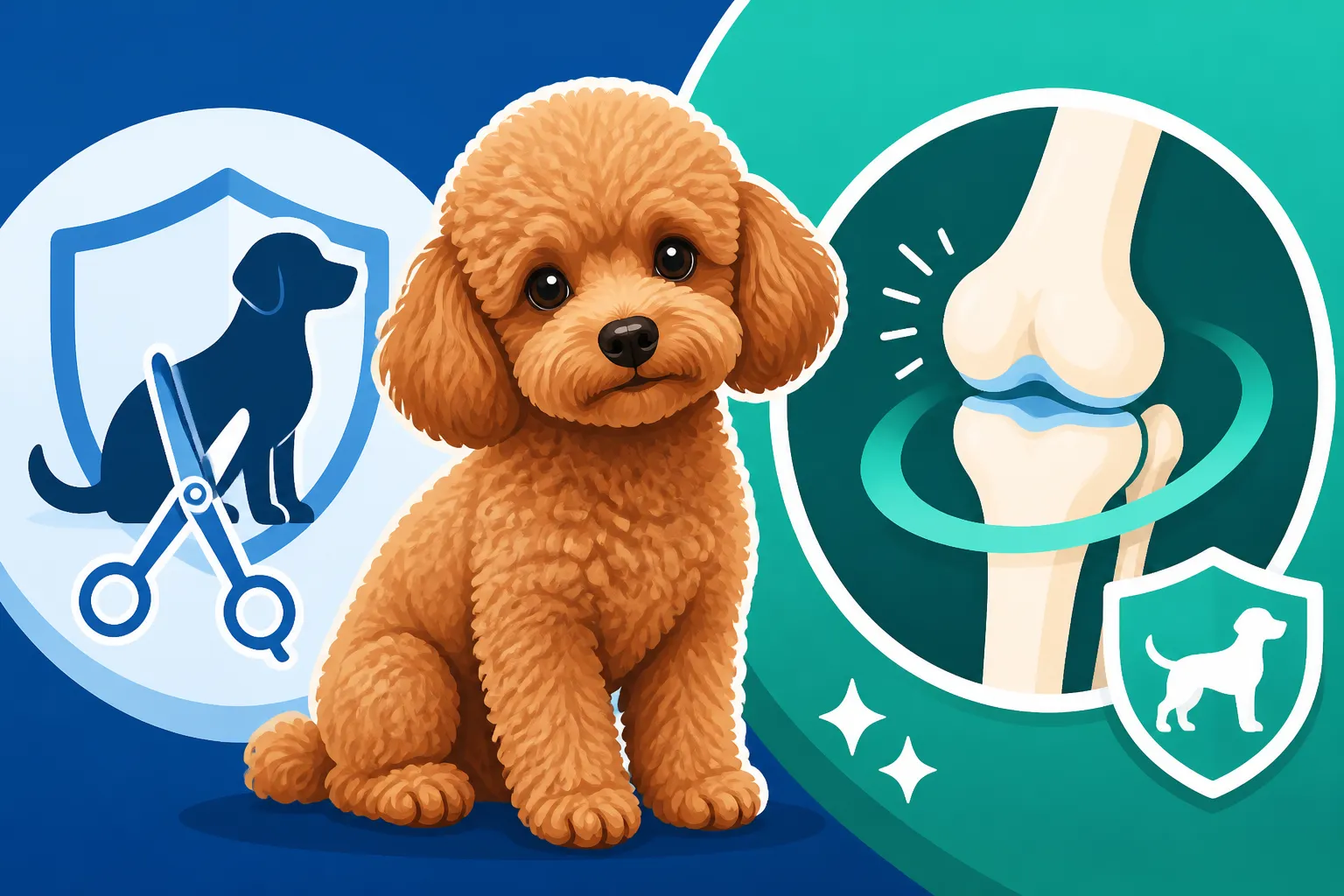
Every puppy is born with open growth plates, also known as epiphyseal plates, located near the ends of their long bones. These plates are made of cartilage and are where new bone tissue is produced, allowing the bones to lengthen as the puppy grows. As a dog approaches maturity, these growth plates gradually close, meaning the cartilage is replaced by solid bone, and no further lengthening can occur. This closure process typically happens between 8 to 14 months of age, though the exact timing varies by breed and individual dog. For a Toy Poodle, their growth plates tend to close earlier than a giant breed like a Great Dane, which is an important factor.
When the growth plates close prematurely or remain open longer than they should, it can affect the final length and shape of the bones. If one side of a bone's growth plate closes too early, while the other continues to grow, it can lead to angular limb deformities. This is why injury to a growth plate in a young puppy can have such profound consequences on their adult structure.
The Role of Sex Hormones in Skeletal Maturity
This is where the neutering discussion gets really interesting. Sex hormones – primarily testosterone in males and estrogen in females – play a critical role in signaling the growth plates to close. They act like a "stop" button for bone lengthening. If a dog is neutered before its growth plates have fully closed, it removes these hormonal signals. Consequently, the growth plates may remain open for a longer period, leading to slightly longer bones and, potentially, an altered overall skeletal structure.
For some larger breeds, this prolonged growth has been associated with an increased risk of orthopedic issues like hip dysplasia, elbow dysplasia, and cranial cruciate ligament tears. The theory is that longer bones might change joint angles or put different stresses on ligaments and cartilage. However, for Toy Poodles, the direct link to these specific problems is less clear. Their smaller size naturally places less strain on joints, and conditions like Poodle Hip Dysplasia by Size are less common in Toy and Miniature Poodles compared to Standards. This doesn't mean we can disregard hormones entirely, but it emphasizes that the impact might be nuanced and specific to the breed's conformation.
Specific Orthopedic Concerns for Toy Poodles
As mentioned, Toy Poodles are predisposed to certain orthopedic conditions that are important to consider in this discussion. The most prominent is Luxating Patella in Toy and Miniature Poodles, where the kneecap dislocates from its groove. While genetics play a significant role in this condition, it's worth considering if altered bone growth due to neutering timing could, in some cases, exacerbate or influence its presentation, or if it's largely independent of hormonal influences. So far, the direct scientific evidence linking early neutering to an increased incidence or severity of luxating patella in Toy Poodles is limited and often conflicting. Many vets will tell you that the primary drivers are genetics and conformation, with trauma also playing a part.
Another concern for smaller breeds is Legg-Calve-Perthes disease, a condition affecting the hip joint, though it's less common in Poodles specifically. Again, the link to neutering timing isn't as robustly established as it is for other conditions in larger breeds. It's important to differentiate between conditions that are strongly hormonally influenced in larger breeds and those that are more genetically driven or less affected by sex hormones in smaller breeds like the Toy Poodle. Owners often grapple with the fear of any potential harm, and this specific breakdown helps clarify what truly warrants concern for their delicate Toy Poodle.
Weighing the Benefits and Risks of Neutering Timing
Making a decision about neutering timing requires balancing various health and behavioral factors. There's no single right answer for every Toy Poodle, and it’s a decision best made in close consultation with your veterinarian and an understanding of your dog's individual circumstances.
Potential Benefits of Early Neutering
Let's not forget the undeniable advantages of early neutering, which were the driving force behind the traditional recommendation. For female Toy Poodles, spaying before their first heat cycle drastically reduces the risk of mammary cancer, a serious and often aggressive disease. It also completely eliminates the risk of pyometra, a life-threatening uterine infection common in intact older females, and obviously prevents unwanted pregnancies. Given their small size, a pregnancy can be particularly taxing on a Toy Poodle's body, and if you're not a breeder with the right knowledge and facilities, it's best avoided.
For male Toy Poodles, neutering removes the risk of testicular cancer, a common cancer in older intact males. It can also reduce the incidence of certain prostate problems, such as benign prostatic hyperplasia (BPH). Behaviorally, neutering often lessens hormonally driven behaviors like urine marking, aggression towards other intact males, and the urge to roam in search of a mate. For an alert and often vocal breed like the Poodle, managing these instincts can contribute to a calmer home environment.
Potential Risks of Early Neutering on Joints
Now, let's address the primary concern for many Toy Poodle owners: the potential orthopedic risks associated with early neutering. As discussed, removing sex hormones before growth plate closure can lead to longer limb bones. While this effect is generally less dramatic in smaller breeds than in larger ones, the theoretical concern remains. The main worry is that altered bone lengths might subtly change joint angles or lead to weaker ligaments, potentially predisposing dogs to orthopedic issues.
For a Toy Poodle, where Toy Poodle Kneecaps and Windpipes are already delicate areas, any factor influencing skeletal development needs careful consideration. Some veterinary studies have hinted at a possible, albeit less consistent, increase in certain orthopedic problems in neutered small breeds, but the findings are often not statistically significant or are overshadowed by genetic predispositions. For example, some data suggest a slight increase in patellar luxation in early-neutered small breed females, but this is still an area of ongoing research. The consensus isn't as strong as it is for conditions like cruciate ligament tears in large breeds. This makes the decision even harder, as the risks aren't as clear-cut.
The "Goldilocks" Timing: Finding What's Right for Your Toy Poodle
So, what's the "just right" timing? Unfortunately, there isn't a single universal answer, but rather a spectrum of informed choices. Many veterinarians are now advocating for delayed neutering for most breeds, allowing dogs to mature more fully before undergoing the procedure. For Toy Poodles, this often means waiting until at least 9-12 months of age, or even after the first heat cycle for females, to allow for full skeletal and hormonal development.
A table comparing the typical health risks associated with early vs. delayed neutering can be helpful:
| Condition / Risk | Early Neutering (e.g., 6 months) | Delayed Neutering (e.g., 9-18 months or after first heat) |
|---|---|---|
| Mammary Cancer (Females) | Significantly reduced risk (especially if spayed before first heat). | Slightly increased risk compared to early spay, but still lower than intact females (risk increases with each heat cycle). |
| Pyometra (Females) | Eliminated. | Risk present as long as uterus is intact; increases with age. |
| Testicular Cancer (Males) | Eliminated. | Risk present as long as testicles are intact; increases with age. |
| Prostate Issues (Males) | Reduced risk of BPH. | Risk of BPH present; neutering later can still mitigate. |
| Unwanted Pregnancy | Eliminated. | Risk present until spayed; requires vigilant management of intact females. |
| Growth Plate Closure & Bone Length | May lead to slightly longer bones due to delayed closure (less pronounced in Toy Poodles). | Allows natural hormonal signaling for growth plate closure, potentially supporting more natural skeletal development, though genetic predisposition for conditions like Poodle Hip Dysplasia by Size is still primary. |
| Patellar Luxation (Toy Poodles) | Some studies suggest a possible slight increase in some small breed females, but evidence is limited and conflicting. | No clear evidence of reduced risk compared to early neutering; largely influenced by genetics and conformation. However, ensuring proper skeletal maturity might theoretically offer a minimal protective effect by allowing structures to fully develop. Consider discussions on When a Toy Poodle's Kneecap Needs Surgery. |
| Behavioral Issues | Can reduce roaming, marking, and inter-male aggression. | May retain more hormonally driven behaviors, though training is paramount for all dogs. |
| Anesthetic Risk | Generally lower for younger, healthier dogs. | Generally similar, but risks can slightly increase with age or underlying health issues. |
Ultimately, the goal is to balance the reduction of reproductive health risks and behavioral challenges with allowing your Toy Poodle's body to mature as naturally as possible. This "Goldilocks" timing is about finding that sweet spot for your individual dog.
Making an Informed Decision and Partnering with Your Vet
Feeling overwhelmed yet? It's okay, this is a big decision! The most important takeaway is that you're not alone in this, and you have resources and professionals who can help guide you through it.
Consulting with Your Veterinarian and Breeder
Your primary partner in this decision should always be your veterinarian. They know your individual Toy Poodle, their medical history, and can perform a thorough physical examination to assess their current growth and health. Discuss your concerns openly with them. Ask about their current recommendations for neutering timing for small breeds, specifically Toy Poodles, in light of the latest research. A good vet will be up-to-date and able to explain the pros and cons in the context of your dog. They might suggest waiting until your Poodle is a year old, for instance, or after a first heat cycle.
It's also invaluable to talk to the breeder of your Toy Poodle, especially if they are reputable. A responsible breeder will be knowledgeable about the health history of their lines, including any predispositions to orthopedic issues. They might have specific insights into how their dogs mature and what timing has worked best for offspring in the past. Breeders who perform Genetic Panels for the Three Poodle Sizes can also offer insights into potential inherited risks.
Monitoring Your Toy Poodle's Growth and Development
During the period leading up to potential neutering, it's a good idea to pay close attention to your Toy Poodle's physical development. Observe how they move, how they use their joints, and if there's any lameness or discomfort. As a small, often sensitive breed, Poodles can sometimes mask pain, so knowing Reading Pain in a Sensitive Poodle is crucial. Your vet will monitor their growth during routine check-ups, ensuring they are hitting appropriate milestones.
Look for signs of growth plate closure – your vet can physically palpate joints and may even suggest X-rays in specific cases, though this isn't typically done routinely for neutering decisions. Generally, by the time a Toy Poodle is 9-12 months old, their major growth plates are well on their way to closure, if not fully closed. This natural progression is what many vets now consider the ideal window for neutering to minimize potential orthopedic impacts.
Proactive Joint Care and Long-Term Wellness
Regardless of when you choose to neuter your Toy Poodle, proactive joint care is always a smart strategy for their lifelong wellness. This involves several key components:
- Nutrition: Feed a high-quality diet appropriate for their life stage and size. Ensure they maintain a healthy weight, as even a few extra pounds can put undue stress on delicate joints. Discuss Joint Supplements Worth Giving a Poodle with your vet, particularly if your Poodle has a known predisposition to joint issues.
- Exercise: Provide appropriate, regular exercise that strengthens muscles around the joints without over-stressing them. For a Toy Poodle, this might mean several short walks a day, supervised play, and mental stimulation. Avoid high-impact activities or excessive jumping, especially during their growth phases. Our guide on When a Poodle Puppy May Start Jumping can offer more insights here.
- Safe Environment: Ensure your home environment is safe and minimizes risks of falls or jumps from high places. Small ramps or stairs for beds and sofas can protect their joints.
- Regular Vet Check-ups: Maintain a consistent schedule of veterinary check-ups to catch any emerging issues early. Your vet can monitor their gait, joint health, and overall condition.
- Pet Insurance: Given the potential for orthopedic issues in Poodles (though some are more prevalent in Standards, like Poodle Hip Dysplasia by Size), considering pet insurance can be a huge relief. Plans from providers like Healthy Paws can help offset the significant costs associated with diagnosing and treating joint problems, including diagnostics, medications, and potential surgeries, such as those discussed in Knee Surgery Prices for a Toy Poodle. Having a robust policy in place, even if you delay neutering, means you're prepared for whatever life throws your way, giving you peace of mind that you can afford the best care for your furry friend. When looking at long-term wellness and managing potential health costs, especially with breed-specific concerns, insurance through a company like Healthy Paws can be an invaluable part of your financial planning. You can also explore options for insuring against other common Poodle ailments, as discussed in Insuring a Poodle Against Addison's and Bloat.
By combining careful consideration of neutering timing with comprehensive proactive care, you'll be giving your Toy Poodle the best possible foundation for a long, healthy, and happy life.
Disclaimer
Please remember that the information provided in this article is for general educational purposes only and should not be considered a substitute for professional veterinary advice. Always consult with your veterinarian for any health concerns or before making any decisions about your Poodle's medical care, including neutering timing.