The Age a Poodle Changes to Adult Food
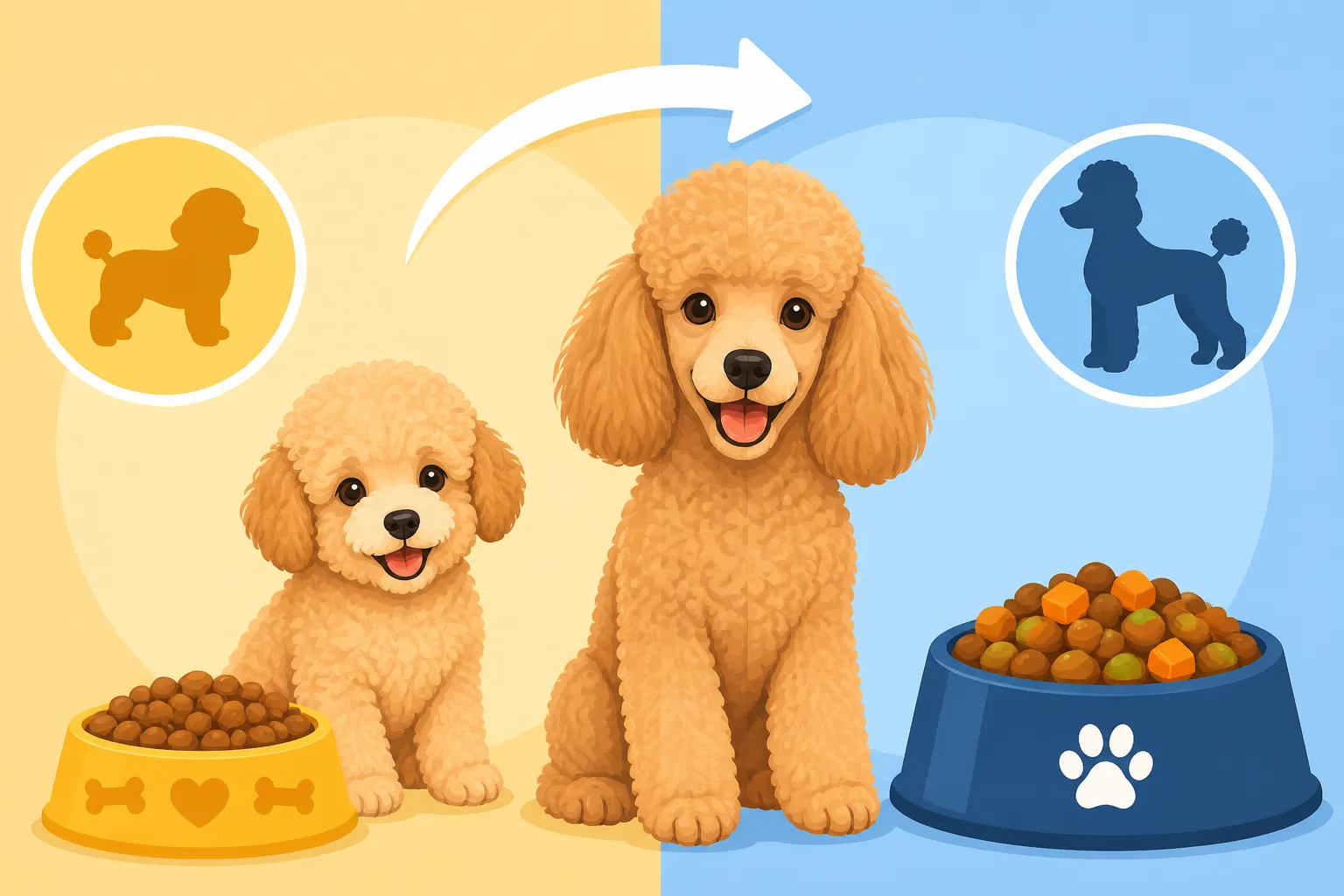
One of the most common questions new Poodle parents grapple with is precisely when to wave goodbye to puppy food and introduce adult formulas. It’s a moment that often feels like a rite of passage, but getting the timing right is crucial for your Poodle's long-term health, growth, and overall well-being. This guide will walk you through the nuances of this important transition, ensuring your beloved Poodle gets the nutrition they need at every stage of their life.
Understanding Poodle Growth Stages and Their Nutritional Needs
Poodles, despite being one breed, come in three distinct sizes – Toy, Miniature, and Standard – and their growth rates vary significantly. This size difference is the absolute bedrock of understanding when to transition them from puppy to adult food. A rapidly growing Toy Poodle will reach full skeletal maturity much sooner than a large Standard Poodle, whose bones and joints are developing for a longer period. Ignoring these natural timelines can lead to health issues, from stunted growth to orthopedic problems down the line. Puppy foods are typically higher in calories, protein, and certain minerals to support rapid development, while adult formulas are designed for maintenance and sustained health.
The Rapid Growth of Toy and Miniature Poodles
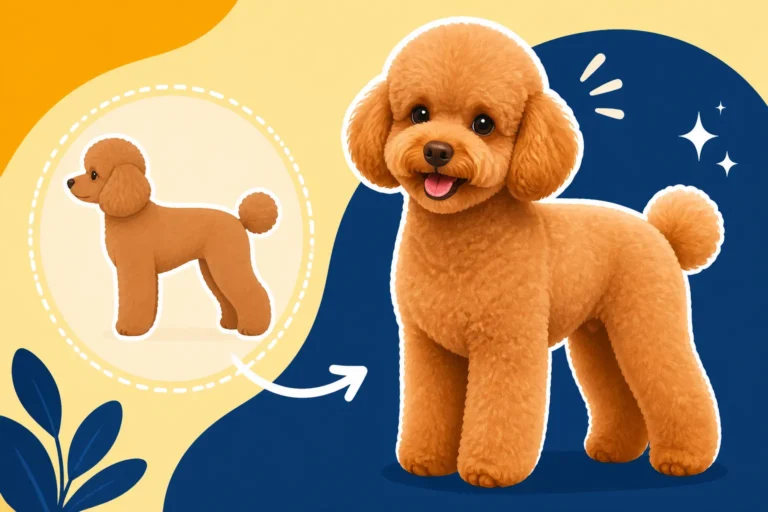
If you have a pint-sized bundle of joy, like a Toy or Miniature Poodle, you’ll notice they seem to sprout up overnight. These smaller varieties hit their growth milestones at a much quicker pace compared to their larger cousins. A Toy Poodle often reaches their full adult height and weight by about 8 to 10 months of age, sometimes even earlier. Miniature Poodles follow a similar, slightly extended timeline, typically reaching maturity between 10 to 12 months.
Because their bodies are developing so rapidly in those early months, puppy food provides the concentrated energy and specific nutrient ratios they need. Once they reach their adult size, continuing to feed puppy food can actually be detrimental. The higher caloric density and excess nutrients, especially calcium and phosphorus, can contribute to weight gain, which is a particular concern for smaller Poodles whose delicate joints can be easily stressed. It's often around this time that you'll also be considering things like The Age a Toy Poodle Goes to Two Meals, moving away from the more frequent small meals of early puppyhood.
The Extended Adolescence of Standard Poodles
Standard Poodles, with their impressive stature, have a far more protracted growth period. Their bones and joints, which will eventually support a substantial adult dog, need a longer, more gradual development phase. Typically, a Standard Poodle won't reach full physical maturity until they are 18 to 24 months old, sometimes even a little later for very large individuals. This prolonged growth means they need puppy or large-breed puppy formulas for a longer duration than Toy or Miniature Poodles.
The specific nutritional balance in large-breed puppy food is critical for Standard Poodles. These formulas are designed to support steady, controlled growth, which is paramount for preventing orthopedic issues like hip and elbow dysplasia. Rapid growth, often fueled by overly rich, high-calorie puppy foods not formulated for large breeds, can put undue stress on their developing skeletal system. This is why discussions around Why a Standard Poodle Puppy Should Grow Slowly are so vital in the Poodle community. Providing the right nutrition through their entire growth phase is one of the best investments you can make in your Standard Poodle's future joint health.
Signs Your Poodle Is Ready for Adult Food
While age ranges provide a good general guideline, every Poodle is an individual. Just like children, some mature a little faster or slower than their peers. Therefore, it's incredibly important to observe your Poodle for key physical and behavioral indicators that suggest they're ready to switch from their puppy diet to an adult one. Relying solely on a calendar date might mean transitioning too early or too late for your specific dog.
Physical Indicators of Maturity
The most obvious sign your Poodle is ready for adult food is when they've stopped growing in height. Take note if your Poodle's legs seem to have reached their final length and their overall frame appears set. You might notice their body proportion becoming more adult-like, losing that gangly, awkward puppy phase look. Their ribs should be easily palpable under a thin layer of fat, and their waist should be visible when viewed from above. If they are filling out in a healthy, muscular way, rather than continuing to grow taller, it's a good indicator.
Their coat, too, might show signs of maturity, settling into its adult texture and density, though true coat change can happen a little later. For Standards, particularly, pay attention to their bone structure. Are their joints looking robust and in proportion to the rest of their body? If they've reached their expected adult size, and their weight is stable according to breed standards (you can always refer to resources like What a Poodle Should Weigh by Variety), then their skeletal system has likely finished its primary development, signaling readiness for an adult diet designed for maintenance rather than intensive growth.
Behavioral and Energy Level Shifts
Beyond the physical, your Poodle's behavior and energy levels can offer telling clues about their readiness for an adult diet. That boundless, often chaotic, "puppy energy" tends to mellow out as they mature. While Poodles are naturally energetic and intelligent dogs that always need an outlet for their minds and bodies, the frantic, non-stop play and sudden bursts of zoomies might become less frequent. They might start to settle more readily, showing a greater capacity for calm, especially after appropriate exercise.
If you observe your Poodle spending more time relaxing, requiring slightly less constant supervision, or seeming less driven by sheer puppy curiosity, these can be subtle indicators of maturity. This shift in energy expenditure means their caloric needs are likely decreasing. Continuing to feed a high-calorie puppy food to a Poodle who has settled into a more adult energy pattern can quickly lead to unwanted weight gain, even if they're still active. Listen to your Poodle; their behavior often speaks volumes about their changing needs.
The Transition Process: How to Switch Foods Smoothly
Once you've determined your Poodle is ready for adult food, the next crucial step is making the switch correctly. A sudden change in diet can wreak havoc on a dog's digestive system, leading to upset stomachs, vomiting, or diarrhea. Remember, a Poodle’s sensitive system, especially a Toy Poodle's, might react quite strongly, so patience and a gradual approach are key to a smooth transition that keeps everyone happy and healthy.
A Gradual Introduction
The golden rule for any dietary change in dogs is gradual introduction. Aim for a transition period of about 7 to 10 days. Start by mixing a small amount of the new adult food with their current puppy food. For the first two days, make it about 75% old food and 25% new food. This gives your Poodle's digestive system, particularly their gut microbiome, time to adjust to the new ingredients and nutrient profile.
Over the next few days, you'll slowly shift the ratio. Days 3-4 could be 50% old, 50% new. Days 5-6 might be 25% old, 75% new. Finally, by day 7-10, they should be eating 100% of the new adult food. Observe your Poodle closely during this time for any signs of digestive upset. If you notice soft stools or a loss of appetite, slow down the transition. You can extend each phase for a few extra days until their system adjusts. This careful approach is precisely what we mean when we talk about Changing a Poodle's Food Over Ten Days.
Monitoring for Digestive Upset
During the transition, your job is to become a detective of digestive health. Keep a close eye on your Poodle's stool quality, appetite, and general demeanor. Look for any changes that might indicate their system isn't happy with the new food. Loose stools, diarrhea, vomiting, excessive gas, or a sudden decrease in appetite are all red flags. If these symptoms appear, it’s a clear signal to slow down the transition even further, perhaps reverting to the previous ratio for a few more days.
Sometimes, a Poodle might simply pick around the new kibble, which can be frustrating but also a sign that the new food isn't quite as palatable as the old. If significant issues persist despite a slow transition, the new food might not be the right fit for your Poodle. In such cases, it’s always wise to consult your veterinarian. They can offer advice, suggest specific brands known for digestibility, or rule out any underlying health concerns that might be contributing to the issue.
Choosing the Right Adult Formula
Selecting the right adult dog food for your Poodle is just as important as the timing of the switch. The market is flooded with options—kibble, wet, fresh, raw—and it can feel overwhelming. Focus on high-quality ingredients, with real meat as the first ingredient. Look for formulas that are nutritionally complete and balanced, ideally developed by veterinary nutritionists. Many reputable brands offer specific formulas tailored to different activity levels, breed sizes, or even sensitivities.
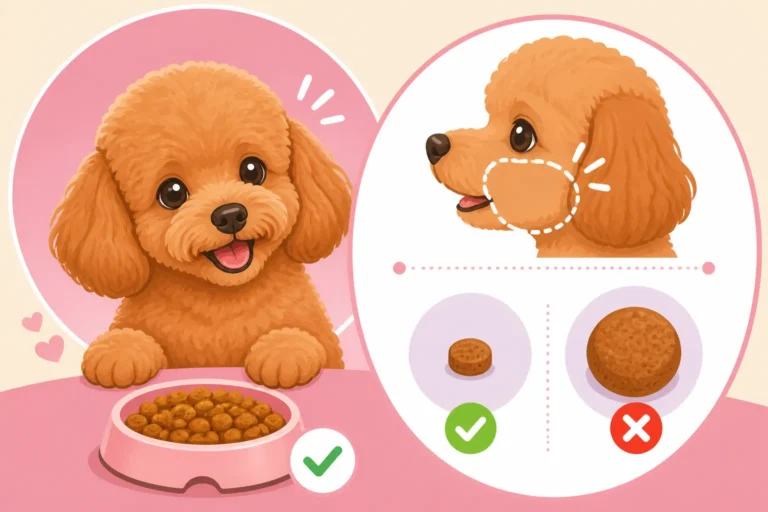
For Standard Poodles, consider large breed adult formulas, which often contain joint-supporting ingredients like glucosamine and chondroitin. For all Poodle sizes, ensure the kibble size is appropriate – smaller bites for Toy Poodles, for instance. You can explore a wide range of options on platforms like Chewy, which often have detailed ingredient lists and customer reviews to help you compare. Services like Ollie deliver fresh, human-grade food tailored to your dog's specific needs, which can be an excellent option for Poodles. Before making a final decision, always read reviews, perhaps on Amazon, and look for brands that prioritize quality. Remember, even specific details like Kibble Size for a Toy Poodle's Jaw can impact enjoyment and digestion.
Special Considerations for Poodle Adult Diets
Transitioning to adult food isn't just about the 'when'; it's also about the 'what' and 'how.' Poodles have specific needs, some of which are tied to their size and genetic predispositions. Taking these into account when choosing and managing their adult diet can go a long way in promoting their overall health and longevity.
Large Breed Formulas for Standard Poodles
For Standard Poodles, the choice of adult food continues to be critical for supporting their larger frame and maintaining healthy joints. While puppy food specifically for large breeds is vital during growth, the principles of controlled nutrition continue into adulthood. Many large breed adult formulas are designed with slightly lower caloric density to help prevent obesity, which can put immense strain on their hips and elbows. They often include supplements like glucosamine and chondroitin, which support joint health—a common area of concern for larger dogs.
It's tempting to think any adult food will do once they've stopped growing, but investing in a high-quality large breed specific formula can significantly contribute to their comfort and mobility as they age. Look for ingredients that support cartilage and bone health. Always remember the foundational advice on Why a Standard Poodle Puppy Should Grow Slowly extends to their adult weight management too. Keeping them lean and well-nourished, but not overfed, is the key.
Maintaining Ideal Weight
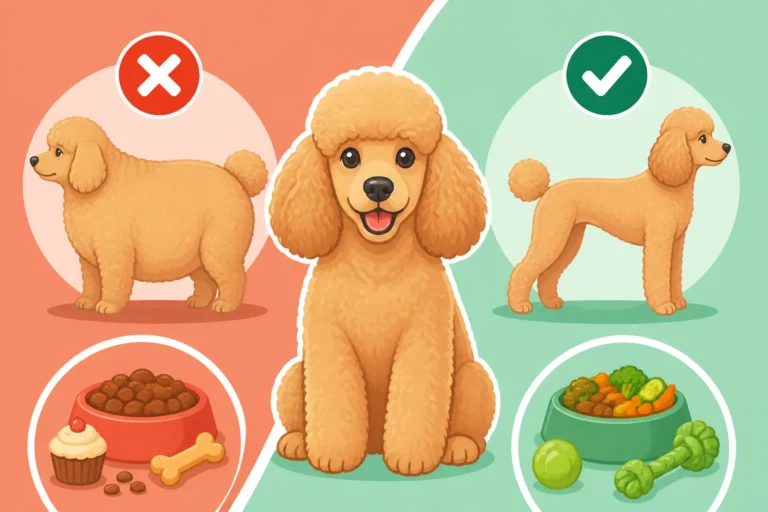
Regardless of size, maintaining an ideal weight is paramount for your Poodle. Poodles can be prone to becoming overweight, especially if they are not exercised regularly and their food portions are not carefully managed. Excess weight puts additional strain on their joints, contributes to heart disease, diabetes, and can shorten their lifespan. Once your Poodle is on an adult diet, monitoring their weight and body condition becomes an ongoing task.
Feel their ribs; you should be able to feel them easily without pressing hard, but they shouldn't be visibly prominent. Look for a discernible waist when viewed from above and a tuck-up when viewed from the side. If you notice your Poodle gaining weight, don't just cut portions drastically; review their treats, snacks, and overall activity level. Consider a lower-calorie adult formula or speak to your vet about a weight management plan. It's an important part of ensuring Poodle Obesity and Its Consequences don't become a reality for your cherished companion.
Consulting Your Veterinarian
While this guide provides general advice, nothing replaces the personalized wisdom of your veterinarian. They have a complete medical history of your Poodle, are familiar with their individual growth curve, and can offer tailored recommendations based on their breed, size, activity level, and any specific health concerns. Before making the final switch, or if you have any doubts during the transition, schedule a check-up.
Your vet can confirm if your Poodle has reached full skeletal maturity, assess their current body condition score, and suggest specific food brands or dietary adjustments. They can also advise on whether a specific type of diet, such as a prescription food, might be beneficial if your Poodle has allergies or other health conditions. Think of your vet as your co-pilot in navigating your Poodle's nutritional journey—their expertise is invaluable.
Poodle Adult Food Transition Timeline by Size
To help you visualize the general guidelines for each Poodle variety, here's a quick reference table. Remember, these are averages, and individual Poodles may vary slightly.
| Poodle Size | Typical Age to Reach Adult Size (Approx.) | Recommended Age to Transition to Adult Food (Approx.) | Key Considerations for Transition |
|---|---|---|---|
| Toy Poodle | 8-10 months | 8-10 months | Rapid growth, prone to quick weight gain on puppy food |
| Miniature Poodle | 10-12 months | 10-12 months | Moderate growth, monitor for ideal body condition |
| Standard Poodle | 18-24 months | 18-24 months | Slower, controlled growth, focus on large breed formulas for joint support |
This table illustrates the broad differences, emphasizing that a one-size-fits-all approach to Poodle nutrition simply doesn't work. Each size has its own journey to adulthood, and their diet should reflect that.
Ultimately, transitioning your Poodle to adult food is a significant milestone that requires thoughtful consideration. By understanding their growth stages, recognizing their individual signs of maturity, implementing a gradual transition, and selecting the right adult formula, you'll be setting your Poodle up for a lifetime of health and happiness. And remember, when in doubt, your veterinarian is always your best resource for personalized advice.
Disclaimer
This article is for general informational purposes only and does not constitute professional advice. Laws, prices and regulations vary by location and change over time. Consult a qualified professional for guidance on your specific situation.