Keeping a Poodle at the Right Weight
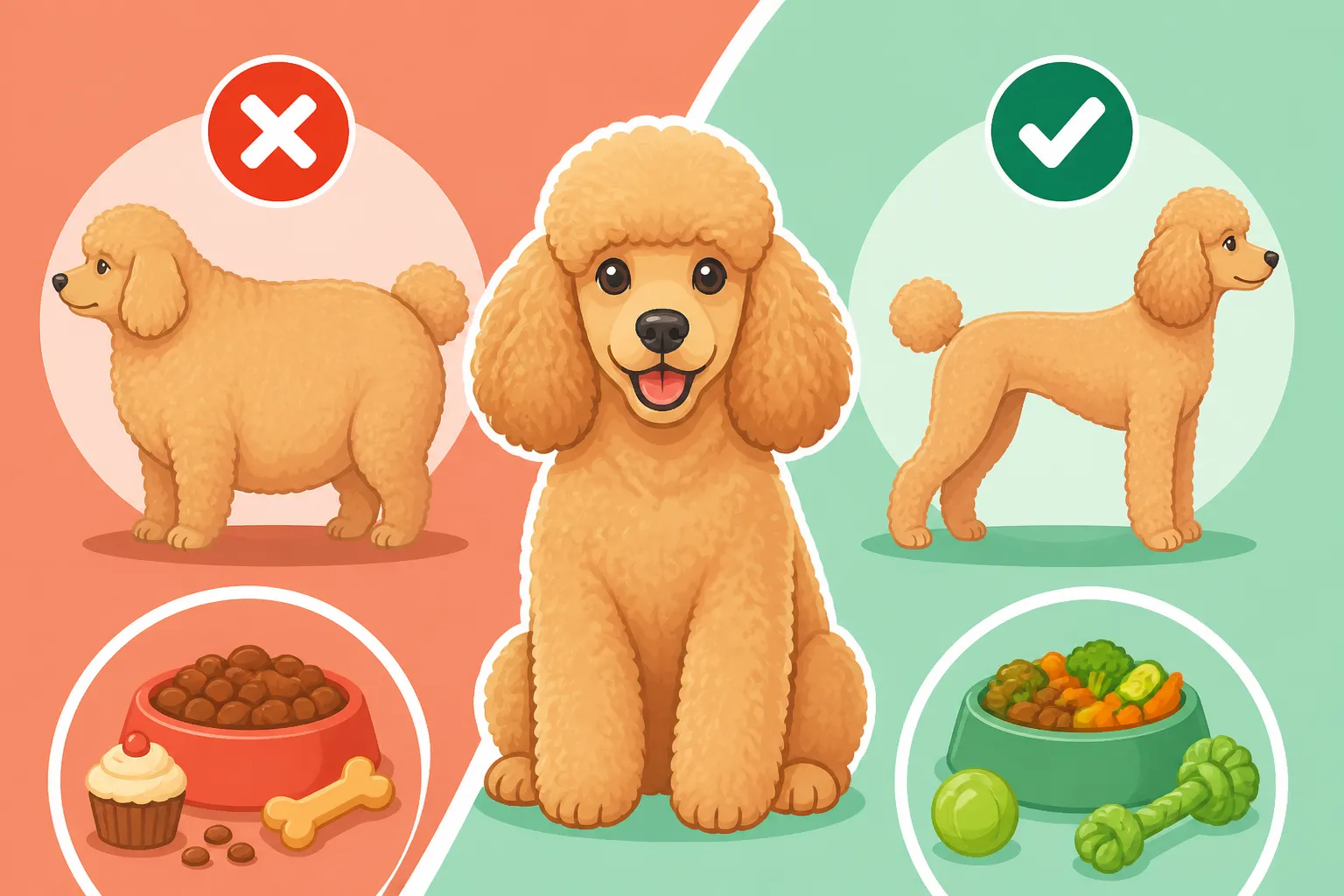
It's an age-old conundrum for Poodle parents: how do you truly know if your fluffy companion is at a healthy weight when their beautiful, dense coat hides so much? It’s frustrating to feel like you’re guessing, especially when obesity or being too thin can lead to significant health problems. This comprehensive guide will walk you through the nuances of accurately assessing your Poodle's body condition and implementing practical strategies for maintaining their ideal weight and vibrant health.
Why Poodle Weight Management is a Unique Challenge
Living with a Poodle means embracing their glorious coat, but it also means dealing with its uncanny ability to camouflage what's underneath. Unlike a short-haired breed where every rib or curve is visible, a Poodle's lush curls can be a master of deception when it comes to weight. This unique characteristic, combined with their varying sizes and smart, food-motivated personalities, creates a distinct set of challenges for owners trying to keep them in peak physical condition.
The Deceptive Poodle Coat
Oh, the Poodle coat! It's magnificent, isn't it? From the plush puppy clip to the elegant continental, it's a huge part of what makes our Poodles so captivating. But let's be honest, it's also a fluffy blanket that can hide a multitude of sins – or, in this case, a few extra pounds (or too few!). Many a Poodle owner has gone to the groomer, only for their dog to come back looking suspiciously smaller and revealed to be carrying more weight than they realized. It's not always obvious by sight if your Poodle is getting a bit chunky around the middle or if they've leaned out too much, because that luxurious hair just puffs right out.
This means that simply looking at your Poodle isn't enough. You can't rely on visual cues alone, especially if they're in a longer clip. What looks like a healthy, full dog might actually be an overweight one, or conversely, a Poodle that appears lean could be underweight, with their coat adding deceptive volume. This frustration often leads to a delay in addressing weight issues, as owners don't realize there's a problem until it becomes more pronounced or a vet points it out. We have to learn to "feel" our Poodles, rather than just "see" them, which is a whole different skill set to acquire.
The coat itself can even complicate the physical assessment of fat deposits. When you run your hands over your Poodle, you're navigating through dense, springy hair, which can make it hard to feel the underlying bone structure or the true amount of padding on their ribs and spine. This is why regular, hands-on checks are crucial, even if it means getting a little more "up close and personal" with your Poodle than you might with other breeds. You're not just petting them; you're performing a vital health check.
Poodle Size Variations and Metabolism
Poodles aren't just one breed; they come in a delightful trio of sizes: Standard, Miniature, and Toy. And as you can imagine, what's a healthy weight for a Standard Poodle is drastically different from what's ideal for a Toy Poodle. This size variation isn't just about the number on the scale; it's also about their metabolic rates, energy requirements, and predisposition to certain health issues that can be exacerbated by incorrect weight. A tiny Toy Poodle, for example, might be prone to Hypoglycemia in a Toy Poodle Puppy if they don't eat regularly or carry enough reserve.
Standard Poodles, with their larger frames, have a higher caloric need overall but are also susceptible to conditions like Bloat and the Deep Standard Poodle Chest, where overeating or eating too quickly can be a contributing factor. Miniatures sit somewhere in the middle, requiring careful balance. Their varied metabolisms mean that a "one-size-fits-all" approach to feeding or exercise is simply never going to work. What keeps a Standard lean and muscular could make a Toy dangerously underweight, and vice-versa.
Understanding the typical weight range for your Poodle's specific size is important, but it's just a starting point. Within each size, there's still a spectrum of individual build and activity levels. A working Standard Poodle, engaged in agility or hunting, will naturally have different caloric needs and a leaner physique than a more sedentary house pet. The same goes for a petite Toy versus a more robust one. It's all about individualizing the approach, which can feel overwhelming, but it truly boils down to attentive observation and regular assessment.
Poodle Sensitivity and Food Motivation
Poodles are famously intelligent, and while that makes them a joy to train and live with, it also means they can be remarkably adept at manipulating their humans for extra treats and meals. They read us like open books, learning which glance, paw tap, or whine will melt our hearts and earn them another delicious morsel. Their sensitive nature also plays a role; a strict diet might feel like a punishment to a Poodle who thrives on positive interaction, and food can often be a huge part of that bond.
Many Poodles are highly food-motivated, which can be both a blessing and a curse. It's fantastic for training, making them eager to learn new commands for a tasty reward. However, it also means they might always act hungry, even when they've had plenty to eat. They'll stare at you while you're eating, follow you into the kitchen, and even try to counter-surf if given the opportunity. Distinguishing genuine hunger from a Poodle's clever theatrics requires a firm resolve and an understanding that showing love doesn't always mean sharing your dinner.
The joy they derive from food can make it difficult for owners to say "no." We want our Poodles to be happy, and for many of them, food equals happiness. This emotional component can lead to overfeeding, especially with snacks. It's crucial to find alternative ways to show affection that don't involve extra calories, such as engaging playtime, a good grooming session, or a long cuddle on the sofa. By understanding their cleverness and sensitivity, we can manage their food intake without making them feel deprived, ensuring their physical health aligns with their emotional well-being.
How to Accurately Assess Your Poodle's Body Condition
Since a Poodle's magnificent coat can be so deceiving, relying solely on a glance or the number on the scale isn't enough. To truly know if your Poodle is at a healthy weight, you need to get hands-on and learn to interpret what you feel. This process is called body condition scoring, and it's a vital tool for every Poodle parent. It allows you to look past the fluff and understand the true physique underneath, empowering you to make informed decisions about their diet and exercise.
The Rib Test: Feeling for the Sweet Spot
The "rib test" is one of the most reliable ways to assess your Poodle's body condition. Forget what you see; it's all about what you feel. To perform this, place both your hands on your Poodle's sides, just behind their front legs, and gently run your fingers along their rib cage. You're looking for a specific sensation – not too bony, not too padded.
When your Poodle is at their ideal weight, you should be able to feel their ribs easily, much like feeling the knuckles on the back of your hand, but without having to press hard. Each rib should be distinct, covered by a thin layer of fat. If you can clearly see the ribs or they feel prominent and sharp with no fat covering, your Poodle is likely too thin. Conversely, if you have to press firmly to feel the ribs, or if you can't feel them at all because there's a thick layer of fat, then your Poodle is carrying too much weight. This hands-on method is discussed in more detail in Feeling Ribs Under a Thick Poodle Coat.
Practicing this regularly will help you become attuned to your Poodle's ideal body type. It's a skill that improves with time, allowing you to quickly spot small changes before they become significant issues. Remember, your Poodle's coat thickness will impact the initial feel, so always ensure you're getting your fingers through the hair and onto the skin and muscle. This test is a cornerstone of responsible Poodle ownership and should be done weekly, especially when grooming.
The Waistline and Tummy Tuck Check
Beyond the ribs, checking your Poodle's waistline and "tummy tuck" provides crucial information about their overall body condition. This can be a bit trickier with a long, fluffy Poodle coat, but it's not impossible! First, try to observe your Poodle from above. When viewed from overhead, a Poodle at a healthy weight should have a noticeable waist, an indentation behind their rib cage. It shouldn't be a straight line from their ribs to their hips, nor should their sides bulge out.
Next, look at your Poodle from the side. You should see an abdominal tuck, meaning their belly should gently slope upwards from their chest to their hind legs, rather than hanging low or being parallel to the ground. For a very fluffy Poodle, you might need to gently lift their front legs or feel along their flank to properly gauge this tuck. This subtle curve indicates a healthy body fat percentage.
If you struggle to see these visual cues due to a particularly dense or long coat, don't despair! Use your hands. Run your palms along their sides, feeling for that subtle inward curve behind the ribs. Then, gently lift their hind leg slightly and feel the area where their abdomen meets their pelvis. You should feel a slight inward slope, not a bulging fat pad. This hands-on approach helps you bypass the visual deception of the coat and connect directly with their underlying physique.
Using a Body Condition Score (BCS) Chart
A Body Condition Score (BCS) chart is a standardized tool that veterinarians use to assess an animal's fat reserves. It typically uses a scale of 1 to 5 (with 3 being ideal) or 1 to 9 (with 4 or 5 being ideal). The beauty of a BCS chart is that it provides visual examples and descriptions for each score, helping you compare your Poodle's physical attributes to a guideline. This removes some of the guesswork and makes your assessment more objective.
To use a BCS chart effectively, you'll combine your rib and waistline tests with visual assessment where possible. A score of 1 indicates a severely emaciated dog, with ribs, spine, and hip bones prominently visible and easily felt. A score of 5 (or 9) indicates severe obesity, where ribs are impossible to feel, there's a heavy fat covering, and a distended abdomen. Your goal is to keep your Poodle right in the middle, a score of 3 out of 5, or 4-5 out of 9.
Here’s a simplified version of a 5-point BCS chart that you can use as a quick reference for your Poodle:
| Score | Description | Poodle Appearance/Feel |
|---|---|---|
| 1 | Very Underweight | Ribs, spine, hip bones very prominent, no fat; severe waist tuck. |
| 2 | Underweight | Ribs easily visible, minimal fat; evident waist tuck. |
| 3 | Ideal Weight | Ribs easily felt with minimal fat cover; visible waist and abdominal tuck. |
| 4 | Overweight | Ribs difficult to feel with moderate fat cover; slight or no waist; tummy tuck lost. |
| 5 | Obese | Ribs impossible to feel; heavy fat deposits; no waist or abdominal tuck; distended abdomen. |
Using this chart consistently, perhaps once a month or after each grooming, helps you track changes over time and ensures you're always making decisions based on solid assessment, not just fluffy aesthetics. If you're unsure about your Poodle's BCS, always consult your veterinarian; they can provide a professional opinion and guide you.
The Dangers of Being Overweight for Poodles
While a slightly chubby Poodle might look endearing, carrying extra weight is far from harmless. For our Poodles, it's a silent threat that can significantly impact their quality of life, shorten their lifespan, and exacerbate genetic predispositions to certain health issues. It's not just about aesthetics; it's about their comfort, mobility, and overall health. Understanding these dangers is the first step in motivating ourselves to keep them trim and active.
Joint Strain and Mobility Issues
One of the most immediate and impactful dangers of an overweight Poodle is the excessive strain it puts on their joints. Poodles, especially Standard Poodles, can be prone to conditions like Poodle Hip Dysplasia by Size, and carrying extra weight will only worsen the symptoms and accelerate the progression of arthritis. For our smaller Poodles, like Toys and Miniatures, conditions such as Luxating Patella in Toy and Miniature Poodles are common, and excess weight places undue pressure on those delicate kneecaps, increasing pain and the likelihood of surgical intervention.
Imagine carrying a heavy backpack all day, every day – that's what being overweight feels like for your dog. Simple movements like walking, jumping onto the sofa, or climbing stairs become strenuous and painful. This reduced mobility isn't just a matter of inconvenience; it diminishes their ability to play, explore, and engage in the activities that bring them joy. A Poodle who can't run or jump freely is a Poodle whose quality of life is severely compromised.
Over time, this constant joint stress leads to chronic pain, inflammation, and degenerative joint disease. What starts as a little stiffness might progress to severe lameness, requiring expensive medications, supplements, or even surgeries to manage. Prevention, through maintaining an ideal weight, is always easier and more humane than trying to treat the advanced stages of joint degeneration caused by obesity. It safeguards their agility and ensures they can enjoy a comfortable, active life well into their senior years.
Increased Risk of Health Conditions
Beyond joint problems, an overweight Poodle faces a significantly higher risk of developing a range of serious health conditions that can dramatically shorten their lifespan. Obesity is directly linked to metabolic disorders, similar to humans. Conditions like canine diabetes are far more prevalent in overweight dogs, requiring lifelong insulin injections and careful dietary management. The extra fat also puts a strain on their cardiovascular system, leading to heart disease and high blood pressure, which can limit their activity and overall vitality.
For Toy Poodles, who sometimes already contend with delicate respiratory systems, being overweight can be particularly detrimental. Extra fat around the chest and neck can exacerbate issues like Collapsing Trachea in a Toy Poodle, making breathing more difficult and potentially leading to respiratory crises. Every pant becomes harder work, and their tolerance for exercise drastically declines. This isn't just uncomfortable; it's a constant battle for essential oxygen.
Furthermore, an overweight Poodle's body can experience chronic inflammation, which has been linked to a weaker immune system and an increased susceptibility to various illnesses, including certain types of cancer. It can also complicate existing conditions like Thyroid Disease in Poodles, making management more challenging. Essentially, being overweight sets off a cascade of negative health effects that can make their golden years fraught with medical issues, robbing them of the vibrant, healthy life they deserve.
Reduced Quality of Life and Grooming Difficulties
Beyond the physiological health risks, being overweight profoundly impacts a Poodle's overall quality of life. An obese Poodle often has less energy, is less eager to play, and might even become withdrawn. The joy of a vigorous walk or a game of fetch can be replaced by lethargy and disinterest, simply because moving is too much effort or causes discomfort. This impacts their mental well-being, as Poodles thrive on activity and engagement. They miss out on precious bonding moments and mental stimulation that keeps their intelligent minds sharp.
Grooming, which is already a significant aspect of Poodle care, also becomes exponentially more difficult when a Poodle is overweight. Rolls of fat can create deeper folds in the skin, especially in areas like the armpits, groin, and neck. These warm, moist crevices are breeding grounds for skin infections, yeast overgrowth, and hot spots. It also becomes incredibly challenging to brush and comb through the coat properly, as reaching the skin in these areas is harder, leading to more matting and discomfort.
A severely matted, overweight Poodle might even require sedation for grooming, adding stress and expense. The discomfort from matting and skin issues, combined with their reduced mobility, creates a vicious cycle where their physical health declines, leading to further reductions in activity and enjoyment. Keeping your Poodle at a healthy weight isn't just about preventing disease; it's about preserving their zest for life, their ability to participate in family activities, and ensuring they remain a happy, comfortable companion.
The Risks of Being Underweight for Poodles
While the focus often falls on obesity, being underweight can be just as detrimental to a Poodle's health and well-being. A Poodle that is too thin lacks the essential reserves needed for proper bodily functions, immune response, and sustained energy. It can indicate underlying health issues, or simply an inadequate diet, both of which need to be addressed promptly to prevent serious consequences.
Nutritional Deficiencies and Poor Coat Health
When a Poodle is underweight, it often signifies that they are not receiving adequate nutrition, either in quantity or quality. This can lead to significant nutritional deficiencies. Their body might not be getting enough protein for muscle maintenance, healthy fats for energy and organ function, or crucial vitamins and minerals for overall vitality. Just like humans, a Poodle's body needs a consistent supply of these building blocks to thrive.
One of the first places these deficiencies often manifest is in their glorious coat. Instead of being vibrant, soft, and springy, an underweight Poodle's coat might appear dull, brittle, sparse, or even greasy. Their skin might become flaky, dry, or prone to irritation because it lacks the necessary oils and nutrients to maintain its barrier function. Healing from minor scrapes or skin irritations can also be prolonged due to a lack of resources.
Beyond the coat, a deficiency can impact their internal systems. Their energy levels drop, their organ function might be compromised, and their overall ability to absorb and utilize nutrients becomes impaired, creating a vicious cycle. Ensuring a Poodle receives a balanced diet, appropriate for their size and activity level, is paramount to prevent these cascading nutritional problems and maintain their iconic healthy coat.
Weakened Immune System and Illness Susceptibility
A Poodle that is underweight often has a compromised immune system. Their body lacks the reserves and cellular building blocks necessary to mount a robust defense against pathogens. This means they are more susceptible to infections, whether it's a common cold, a bacterial skin infection, or more serious viral illnesses. What might be a minor sniffle for a healthy Poodle could turn into a prolonged, severe illness for one who is underweight.
Furthermore, if an underweight Poodle does fall ill, their recovery can be significantly slower and more complicated. Their body doesn't have the spare energy or resources to dedicate to healing and repair, making them more vulnerable to secondary infections or complications. This can be particularly concerning for puppies, especially tiny Toy Poodle puppies who are still developing their immune systems and metabolic regulation. Signs of Low Blood Sugar in a Toy Poodle Puppy can be a serious issue, and being underweight can make them even more fragile.
It’s like trying to run a car on an empty fuel tank; eventually, the engine will sputter and fail. A strong immune system is your Poodle's first line of defense, and maintaining a healthy weight ensures they have the energy and nutrients required to keep it functioning optimally. This proactive approach helps them ward off illness and recover more quickly when challenges inevitably arise.
Low Energy and Muscle Wasting
An underweight Poodle will almost certainly exhibit low energy levels. Their body simply doesn't have enough fuel to power their daily activities. This can manifest as lethargy, disinterest in play, and a general lack of sparkle. While some Poodles are naturally calmer, a sudden or significant drop in energy, particularly when coupled with weight loss, is a red flag. They might not have the stamina for their usual walks, let alone engaging in dog sports or vigorous play.
Prolonged periods of being underweight will also lead to muscle wasting. The body, desperate for energy, will start to break down muscle tissue to compensate for insufficient caloric intake. This results in a loss of strength, visible thinning of their physique (even under a fluffy coat), and can further impact their mobility and overall physical capability. For active breeds like Poodles, who thrive on movement and agility, muscle wasting can be devastating.
This can be especially concerning for growing puppies who need ample calories and nutrients for proper development, or for senior Poodles who are already battling age-related muscle loss. A Poodle losing muscle mass not only looks frail but also becomes weaker, more prone to injury, and less resilient. Adequate weight, achieved through proper nutrition, is fundamental for maintaining their vibrant energy, muscle tone, and allowing them to fully enjoy their active Poodle lives.
Crafting a Balanced Diet for Your Poodle
Achieving and maintaining your Poodle's ideal weight hinges significantly on their diet. It's not just about what they eat, but how much and how often. Crafting a balanced diet means making informed choices about food type, practicing meticulous portion control, and being smart about how you incorporate treats. This thoughtful approach ensures your Poodle gets all the necessary nutrients without over or under-feeding.
Choosing the Right Food Type and Quality
The pet food market is vast and can be incredibly overwhelming, but choosing the right type and quality of food is foundational to your Poodle's weight management and overall health. You'll find options ranging from dry kibble to wet food, raw diets, and fresh-cooked meals. Each has its pros and cons, and the "best" choice often comes down to your Poodle's individual needs, your budget, and what you feel comfortable feeding. Regardless of the type, prioritize reputable brands that list real meat as the first ingredient and avoid excessive fillers, artificial colors, and preservatives.
For many Poodle owners, high-quality dry kibble is a convenient and nutritionally complete option. Look for formulas specifically designed for your Poodle's life stage (puppy, adult, senior) and size, as their nutritional requirements shift. For instance, large breed puppy formulas for Standard Poodles might contain specific calcium-to-phosphorus ratios to support slower, healthier bone growth. If you prefer the convenience of online shopping, Chewy offers a vast selection of premium kibble brands, often with detailed ingredient lists and customer reviews to help you decide.
Alternatively, some owners opt for fresh-cooked or raw diets. Services like Ollie deliver freshly prepared, human-grade meals tailored to your dog's caloric needs, which can be excellent for weight control as portioning is often precise. Wet food can also be a good option, sometimes offering higher moisture content which can be beneficial for hydration, though it often has a lower calorie density by volume. The key is to select a food that your Poodle thrives on, provides balanced nutrition, and that you can consistently feed. Remember to always transition any new food gradually over several days to avoid digestive upset. You can find more specific guidance in Feeding a Poodle by Size.
Precision Portion Control
This is where many well-meaning Poodle owners inadvertently go wrong: portion control. Even the highest quality food can lead to weight gain if fed in excess, and the best intentions can be undermined by simply "eyeballing" portions. The feeding guidelines on pet food bags are a great starting point, but they are just that – guidelines. Your Poodle's actual caloric needs will depend on their age, metabolism, activity level, and individual body condition.
The most accurate way to control portions is by weighing your Poodle's food with a kitchen scale, rather than relying on measuring cups. Measuring cups can vary wildly in how much they hold based on how densely the kibble is packed. A scale, however, provides a precise measurement every single time. A simple digital kitchen scale is a small investment that can make a huge difference in managing your Poodle's weight effectively, preventing both under and overfeeding. This method is crucial and detailed further in Weighing a Poodle's Meals.
Once you've determined an initial portion based on the bag's recommendations for your Poodle's ideal weight, monitor their body condition over two to four weeks. If they're gaining weight, slightly reduce the portion. If they're losing weight (and you don't want them to), slightly increase it. If you're concerned about your Poodle's weight, it's always best to consult your veterinarian for a personalized caloric recommendation. Dividing their daily allowance into two meals helps manage hunger and promotes better digestion, especially for larger Poodles.
Smart Treat Strategies
Let's face it: Poodles love treats, and we love giving them! But treats, while excellent for training and bonding, are often dense in calories and can quickly derail even the most carefully planned diet. A handful of treats might seem insignificant to us, but for a small Toy Poodle, it can represent a significant percentage of their daily caloric intake. The key to smart treat strategies is moderation, careful selection, and conscious integration into their overall diet. This is a common pitfall, and more insights can be found in Treats and a Poodle's Waistline.
First, choose low-calorie treats whenever possible. Small pieces of plain, cooked chicken breast, green beans, carrots, or apple slices (without seeds) make fantastic healthy options. Many commercial training treats are also designed to be low-calorie and come in tiny sizes. Amazon offers a wide selection of these, making it easy to find options that won't add too many extra calories. Breaking larger treats into pea-sized pieces means you can give more "rewards" for the same caloric cost. Low Calorie Treats for a Poodle provides excellent suggestions.
Second, account for treats in your Poodle's daily food allowance. If you're giving a lot of treats for training, slightly reduce the amount of kibble at meal times to balance the calories. Think of treats as a bonus, not an essential part of their nutrition. Avoid giving table scraps, as human food is often high in fat, sugar, and sodium, and many common human foods are toxic to dogs. By being mindful and strategic with treats, you can continue to reward and bond with your Poodle without inadvertently contributing to weight issues.
Exercise and Mental Stimulation for Weight Management
A balanced diet is only half the equation for a healthy weight; the other crucial part is adequate exercise and mental stimulation. Poodles, regardless of size, are intelligent and active dogs who thrive on purposeful activity. Without sufficient outlets for their energy and brains, they can become bored, destructive, and, yes, even gain weight. Tailoring their activity to their specific needs is vital for their physical fitness and overall well-being.
Tailoring Exercise to Poodle Size and Age
Poodle exercise needs are as varied as their sizes. A Standard Poodle requires significantly more physical output than a Toy. A Standard Poodle often needs at least 60-90 minutes of vigorous exercise daily, broken into multiple sessions, to stay fit and happy. This can include brisk walks, jogging, off-leash running in a secure area, or active games of fetch. Daily Exercise for a Standard Poodle delves deeper into these requirements. They have the stamina and build for sustained activity.
Toy Poodles, on the other hand, don't need miles of running, but they still need consistent activity. Two to three shorter walks (15-20 minutes each) coupled with indoor play can often suffice. The focus for Toys is less on endurance and more on consistent, engaging movement to keep their tiny bodies active without over-exertion. Daily Exercise for a Toy Poodle outlines these needs. Always consider their small stature in cold or hot weather, and avoid hard-impact activities that could strain their delicate joints.
Regardless of size, it's crucial to adjust exercise levels for age. Puppies, especially Standard Poodle puppies, grow very quickly, and too much high-impact exercise can damage their developing joints. Short, frequent play sessions are better than long, strenuous activities. You can learn more about safe puppy exercise in When a Poodle Puppy May Start Jumping. Senior Poodles will also need modifications, often preferring shorter, gentler walks and less strenuous play to accommodate any age-related stiffness or health conditions. The goal is consistent, appropriate movement, not just exhausting them.
Incorporating Mental Work
Poodles are renowned for their intelligence, often ranking among the smartest dog breeds. While physical exercise is essential for their bodies, mental stimulation is equally important for their minds – and surprisingly, it can contribute significantly to weight management. A bored Poodle is often a Poodle looking for something to do, and that "something" can sometimes be eating out of boredom, or pestering you for treats. Keeping their brilliant brains engaged helps burn mental energy and reduces unwanted behaviors.
Incorporating mental work can take many forms. Puzzle feeders are an excellent way to make mealtime an engaging activity, turning dinner into a brain game. Instead of simply eating out of a bowl, your Poodle has to work to get their kibble, slowing down their eating and providing mental enrichment. Feeders That Make a Poodle Think for Dinner offers some great options. Training sessions, even short 10-15 minute bursts a couple of times a day, are fantastic for mental exercise. Teach them new tricks, practice obedience cues, or engage in scent work.
Scent games, like hiding treats or toys around the house for them to find, tap into their natural hunting instincts and provide a wonderful mental workout. This kind of "nose work" is incredibly tiring for dogs and can be a fantastic way to burn energy on a rainy day or for Poodles with physical limitations. Nose Work as Exercise for a Poodle details how to get started. Variety is key; rotate toys, introduce new challenges, and keep them guessing. A mentally stimulated Poodle is a happier, more balanced Poodle, less likely to resort to boredom-eating.
Active Play and Structured Activities
Beyond daily walks, incorporating active play and structured activities is essential for keeping your Poodle physically fit and at a healthy weight. Poodles were originally bred as water retrievers, so games that tap into their natural instincts are often incredibly satisfying and physically demanding for them. Retrieving a ball, frisbee, or floating toy can provide excellent cardio and muscle engagement. The Poodle's Retrieving Instinct explores this natural drive.
Swimming is another fantastic, low-impact exercise for Poodles, especially those prone to joint issues or who need to shed some pounds. It works all their muscles without stressing their joints and is a wonderful way for them to cool off in warmer weather. Many Poodles adore water, making it a joyful activity rather than a chore. Just be sure to rinse their coat thoroughly after swimming, especially if in chlorinated or salt water, to prevent skin irritation and matting. More on this in Swimming With a Poodle.
Consider structured dog sports if you and your Poodle enjoy a challenge. Agility, obedience, rally, or even dock diving can provide incredible physical and mental outlets. These activities foster a strong bond between you and your Poodle and ensure they get consistent, purposeful exercise. Simply walking alone, while necessary, often isn't enough to satisfy a Poodle's innate need for activity and mental engagement, as explained in Why Walking Alone Bores a Poodle. Finding activities you both enjoy makes weight management a fun, shared journey.
When to Seek Veterinary Guidance
Even with the best intentions and consistent effort, managing your Poodle's weight isn't always straightforward. There are times when professional veterinary guidance is not just helpful, but absolutely essential. Your veterinarian is your best partner in ensuring your Poodle maintains optimal health, especially when it comes to weight. They can provide accurate assessments, identify underlying issues, and help you develop a safe and effective plan.
Regular Check-ups and Weight Monitoring
Routine veterinary check-ups are crucial for proactive weight management. During these visits, your vet will perform a thorough physical examination, which includes assessing your Poodle's body condition score, weighing them, and feeling their ribs and spine. They have the trained eye and hands to detect subtle changes that you might miss, especially under a fluffy Poodle coat. These regular assessments establish a baseline and allow for early detection of any weight gain or loss trends.
Think of these check-ups as an annual review of your Poodle's health, including their "metabolic report card." It's an opportunity to discuss any concerns you have about their eating habits, activity levels, or coat condition. Your vet can confirm if your Poodle is at an ideal weight for their size and build, or if adjustments are needed. If your Poodle needs to lose or gain weight, your vet can provide clear, actionable advice tailored to their specific needs.
Don't hesitate to bring up weight concerns at every visit, even if it's just for a vaccine booster. A quick weigh-in and a chat with the vet or vet tech can provide valuable insights and ensure you're on the right track. They can offer insights on Yearly Routine Vet Spend for a Poodle which will often include these crucial check-ups for ongoing health monitoring. Consistent monitoring under professional guidance helps keep your Poodle in their optimal weight zone throughout their life.
Addressing Sudden Weight Changes
Sudden or unexplained weight changes – either gain or loss – are a significant cause for concern and always warrant an immediate veterinary visit. These changes are often not simply due to a change in diet or exercise; they can be a symptom of an underlying medical condition that requires prompt diagnosis and treatment. Ignoring such changes can lead to the progression of serious illnesses.
For instance, unexplained weight gain despite no increase in food intake could be a sign of conditions like Thyroid Disease in Poodles, where a slowed metabolism leads to weight gain and lethargy. Conversely, a Poodle rapidly losing weight despite eating normally might be suffering from issues like malabsorption, parasites, dental disease affecting their ability to eat, or even more serious conditions such as kidney disease or certain cancers. Conditions like Addison's Disease in Standard Poodles can also present with non-specific symptoms, including weight loss.
Your vet will likely recommend diagnostic tests, such as blood work, urinalysis, or even imaging, to pinpoint the cause of the weight change. Early diagnosis and intervention can make a profound difference in the prognosis and management of many of these conditions. Never try to self-diagnose or make drastic dietary changes without veterinary consultation when faced with sudden weight fluctuations. Your vet's expertise is invaluable in navigating these potentially complex health issues.
Creating a Weight Loss or Gain Plan
If your Poodle is identified as being overweight or underweight, your veterinarian is best equipped to help you create a safe and effective plan. This isn't just about feeding less or more; it's about a holistic approach that considers your Poodle's specific health profile, age, and lifestyle. Your vet can calculate a precise caloric target for your Poodle's ideal weight and guide you on how to gradually achieve it.
For weight loss, this might involve recommending a prescription weight-loss diet, which is typically lower in calories but still provides all essential nutrients, often with added fiber to help your Poodle feel full. They can also advise on safe exercise increases that won't overtax existing joints. For an underweight Poodle, the plan might involve a high-calorie, easily digestible diet, potentially with appetite stimulants or supplements if needed, to help them safely gain weight and muscle mass. They will also address the underlying cause of the weight loss.
A structured plan ensures that any dietary changes are implemented safely and gradually, avoiding rapid weight loss (which can be dangerous) or unhealthy weight gain. Your vet will also schedule follow-up appointments to monitor your Poodle's progress, make adjustments to the plan as needed, and celebrate their achievements with you. This partnership with your veterinary team is critical for success and for safeguarding your Poodle's long-term health.
Practical Tips for Sustained Weight Health
Maintaining your Poodle's ideal weight isn't a one-time fix; it's a lifelong commitment. It requires consistency, adaptability, and a proactive mindset. By integrating practical strategies into your daily routine and understanding that your Poodle's needs will evolve, you can set them up for sustained weight health and a vibrant, active life.
Consistency is Key
When it comes to your Poodle's weight, consistency truly is the bedrock of success. This means sticking to a regular feeding schedule, offering meals at the same time each day, and maintaining consistent portion sizes. Dogs thrive on routine, and knowing when their meals are coming can help regulate their appetite and prevent excessive begging between feedings. Avoid free-feeding, where food is left out all day, as this makes it impossible to monitor intake and often leads to overconsumption, especially for food-motivated Poodles.
Equally important is consistency in their exercise routine. Daily walks, play sessions, and mental enrichment activities should be a non-negotiable part of their day. Erratic exercise, where one day is very active and the next is completely sedentary, can be hard on their bodies and make weight management more challenging. Even on days with bad weather, find indoor activities or short training sessions to keep them moving and thinking.
Furthermore, getting the entire household on board with the weight management plan is crucial. If one family member is strictly adhering to the diet while another is sneaking treats under the table, your efforts will be undermined. Ensure everyone understands the feeding rules, knows what treats are allowed (and in what quantity), and is committed to your Poodle's health goals. Consistency from everyone involved sends a clear, unified message to your Poodle and supports their healthy habits.
Measuring Progress Beyond the Scale
While the scale is a useful tool, it shouldn't be your only measure of success when managing your Poodle's weight. Weight fluctuations can happen for many reasons (hydration, time of day), and focusing solely on the number can be discouraging. Instead, look for broader indicators of progress that reflect true health improvements.
The Body Condition Score (BCS) is a far more accurate and telling indicator. Can you now feel their ribs easily without pressing hard? Do they have a more defined waistline and abdominal tuck? These physical changes are concrete evidence of fat loss and muscle gain, regardless of what the number on the scale says on a particular day. Regularly performing the rib and waist checks will give you a much better sense of their progress. You can also evaluate their muscle definition; as fat reduces, muscle tone should become more apparent, indicating a stronger, fitter Poodle.
Beyond physical assessment, observe your Poodle's energy levels and enthusiasm for activities. Are they more playful? Do they have more stamina on walks? Is their coat healthier and shinier? These are all positive signs that their overall health is improving with weight management. Celebrating these non-scale victories will keep you motivated and remind you that you're not just reducing a number, but enhancing your Poodle's entire well-being.
Adapting to Life Stages
A Poodle's nutritional and exercise needs are dynamic and will change throughout their life, requiring you to adapt your weight management strategies accordingly. What works for a bustling puppy will not be suitable for a sedentary senior, and failing to adjust can lead to weight issues at either extreme of their lifespan.
Puppies, for instance, need specific nutrition for rapid growth, and often require more frequent, smaller meals to prevent Hypoglycemia in a Toy Poodle Puppy. As they transition into adolescence and adulthood, their growth slows, and their caloric needs shift. Young, active adult Poodles often require more calories to fuel their energy, while a Poodle entering their senior years will typically need fewer calories as their metabolism slows and activity naturally decreases. Caring for an Aging Poodle offers comprehensive advice on adapting to these later stages.
Senior Poodles are particularly prone to weight gain due to reduced activity and a slower metabolism. It's crucial to proactively reduce their caloric intake and ensure they continue to get gentle, consistent exercise. Calorie Needs of a Senior Poodle provides specific guidance. Regular veterinary check-ups are vital during these transitions to help you make appropriate adjustments to their diet and exercise plan, ensuring your Poodle remains at their ideal weight through every stage of their wonderful life.
Disclaimer
This article is for general informational purposes only and does not constitute professional advice. Laws, prices and regulations vary by location and change over time. Consult a qualified professional for guidance on your specific situation.