The Age a Toy Poodle Goes to Two Meals
It’s a common worry for Toy Poodle parents, especially when you first bring home that tiny fluffball: are they eating enough? Is their feeding schedule right? These little dogs have such fast metabolisms and delicate systems that figuring out when and how to transition them from frequent puppy meals to a more grown-up two-meals-a-day schedule can feel like navigating a minefield. This guide will walk you through the journey, explaining the whys behind puppy feeding, the signs that your Poodle is ready for a change, and how to make that transition as smooth as possible.
The Unique Nutritional Demands of a Toy Poodle Puppy
When you first bring home a Toy Poodle puppy, their feeding schedule is likely to be quite frequent – often three to four small meals a day, sometimes even more for the very smallest or youngest pups. This isn't just because they're growing quickly; it's a critical safety measure for a breed with specific vulnerabilities. Their tiny bodies work differently than their Standard Poodle cousins, and understanding these differences is key to their healthy development.
Understanding Rapid Growth and High Metabolism
Toy Poodle puppies are like miniature energy factories, burning through calories at an incredible rate. Their growth plates are active, their brains are developing, and they are constantly exploring and learning, all of which demand a steady supply of fuel. Because they are so small, they don't have large internal energy reserves to draw upon if they miss a meal or go too long between feedings. Their tiny stomachs also mean they can only hold a small amount of food at a time, making frequent, smaller meals essential to meet their daily caloric needs without overstuffing them.
Think of it this way: a big truck can carry a lot of fuel and go for miles, but a tiny sports car needs frequent, smaller top-ups to maintain its high-performance engine. Your Toy Poodle puppy is that high-performance sports car, constantly running on high octane. Missing even one of these crucial fuel stops can have consequences, which brings us to a significant concern for all small breeds.
The Ever-Present Risk of Hypoglycemia
One of the most critical reasons Toy Poodle puppies need frequent meals is to prevent Hypoglycemia in a Toy Poodle Puppy, or dangerously low blood sugar. Puppies, especially very small ones, have not fully developed the ability to regulate their blood glucose levels as efficiently as adult dogs. Their liver, which stores glycogen and releases it as glucose when needed, is still maturing. If a Toy Poodle puppy goes too long without food, their blood sugar can plummet quickly.
Symptoms of hypoglycemia can range from mild lethargy and weakness to staggering, confusion, muscle tremors, seizures, and even coma. It's a scary experience for any owner, and if you suspect your puppy is having a blood sugar crash, it's an emergency. Keeping Emergency Sugar for a Crashing Toy Poodle on hand, such as Karo syrup or honey, is often recommended by vets for immediate at-home intervention before heading to the clinic. This is why most breeders and veterinarians will advise on How Often a Toy Poodle Puppy Must Eat for the first few months.
Signaling Readiness: When Your Toy Poodle is Prepared for Two Meals
While the idea of fewer meals might seem daunting after the constant vigilance of puppyhood, there comes a time when your Toy Poodle's body matures enough to handle longer stretches between meals. Recognizing these cues is vital for a smooth transition that supports their continued health and well-being.
Age as a General Guideline
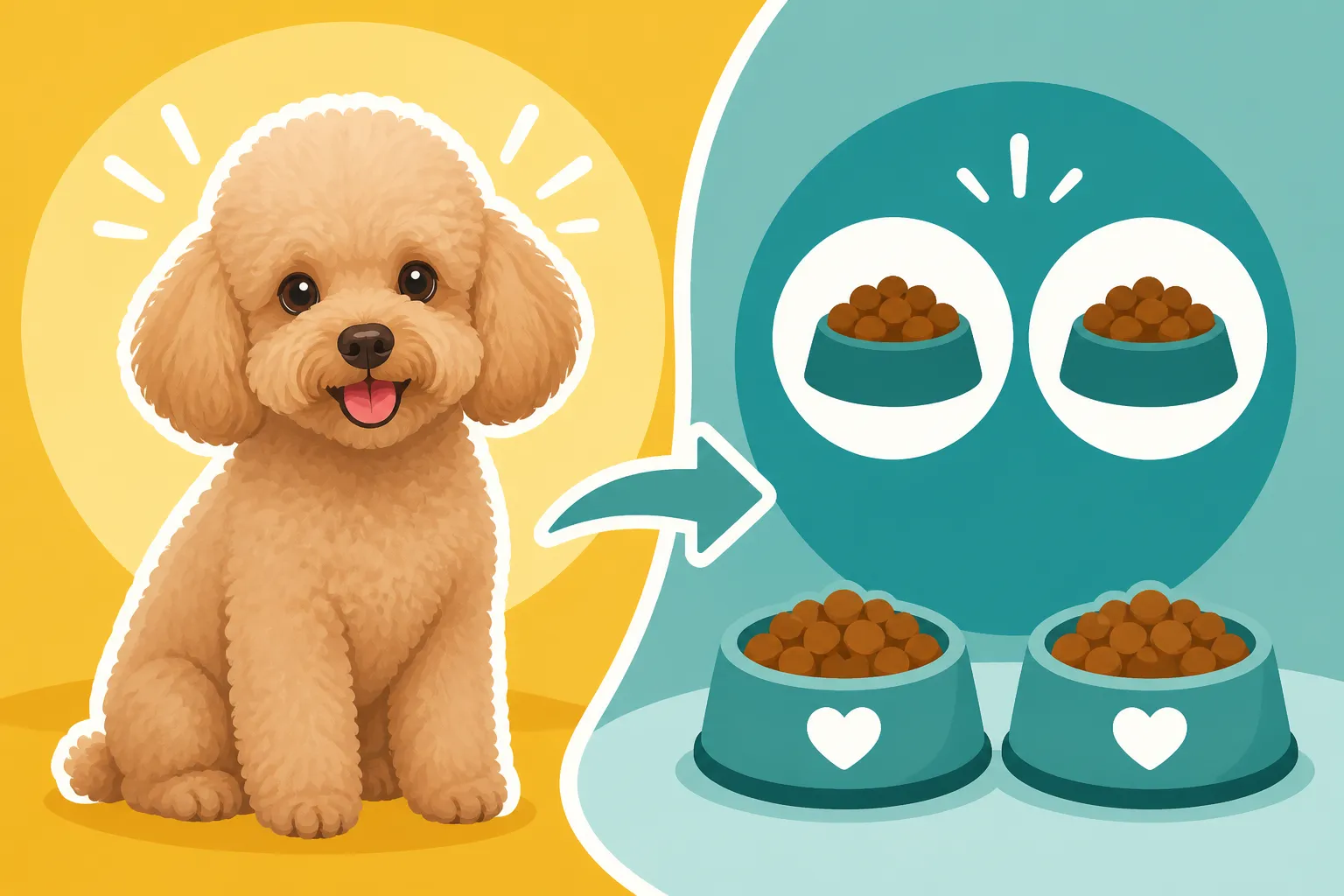
There isn't a hard and fast rule that applies to every single Toy Poodle, but generally speaking, most healthy Toy Poodle puppies are ready to transition from three or four meals a day down to two by the time they are between four to six months old. Some may be ready a little earlier, especially if they are robust and have consistently good appetites, while others, particularly the very tiniest or those who have had some health setbacks, might need a bit longer.
Always remember that this age range is a guideline, not a strict deadline. Your Poodle is an individual, and observing their behavior and consulting with your veterinarian are far more important than adhering rigidly to a calendar. A quick chat during their regular check-ups can confirm if they are developing at a healthy rate for this step.
Behavioral and Physical Indicators of Readiness
Beyond just age, your Poodle will give you several clues that they're ready for fewer meals. Pay close attention to these signals:
- Consistent Eating Habits: Your Poodle is finishing all their meals without hesitation. They aren't leaving food in the bowl for long periods or skipping meals entirely. They have a predictable appetite and show enthusiasm for mealtime.
- Sustained Energy Levels: They maintain good energy throughout the day, even as mealtimes approach. You don't notice any dips in their activity, lethargy, or signs of low blood sugar in the hours leading up to their next feeding. This indicates their body is managing glucose levels well for longer periods.
- Steady Weight Gain and Growth: Your Poodle is growing steadily and maintaining a healthy weight. They aren't losing weight, and you're not seeing ribs protruding or other signs of insufficient nutrition. Regular weigh-ins at home or at the vet can help confirm this.
- Reduced Interest in "Extra" Meals: Sometimes, as they get older, puppies will start to show less enthusiasm for one of their smaller, mid-day meals, or they might simply eat less of it. This can be a subtle sign that their metabolism is slowing down slightly and they don't need the constant top-ups.
The Role of Your Veterinarian
Before making any significant changes to your Toy Poodle's diet or feeding schedule, a conversation with your veterinarian is always a good idea. They can assess your Poodle's overall health, growth curve, and individual needs. They might recommend specific considerations based on your dog's activity level, any underlying health conditions, or even discuss suitable adult dog food formulas. Your vet is your best partner in ensuring your Poodle's nutritional plan is perfectly tailored.
Making the Gentle Transition to Two Meals a Day
Once you've determined your Toy Poodle is ready, the transition from three (or more) meals to two should be a gradual, thoughtful process. Rushing it can lead to upset stomachs, anxiety, or even a return to hypoglycemia symptoms if they aren't quite ready. Patience and observation are key here.
Gradual Reduction is Key
Suddenly cutting out an entire meal can be a shock to your Poodle's system. The best approach is to gradually merge one of the smaller meals into the remaining ones. Here’s a common strategy:
- Identify the Middle Meal: If you're currently feeding three meals (breakfast, lunch, dinner), the lunch meal is usually the one to phase out first. If you're on four, you'd combine the two middle meals first, then phase out one of the resulting three.
- Increase Remaining Portions Slightly: Instead of just eliminating the lunch meal, take a portion of what would have been given at lunch and divide it between breakfast and dinner. For example, if your Poodle currently gets 1/4 cup three times a day (total 3/4 cup), you might shift to 3/8 cup at breakfast and 3/8 cup at dinner. The total daily amount of food should remain the same; you are simply redistributing it.
- Observe for a Week or Two: Maintain this new schedule for a week or two, closely observing your Poodle. Are they still energetic? Are they finishing their two larger meals? Are their stools normal? If all seems well, you can continue with the two-meal schedule. If you notice any issues, slow down or revert to the previous schedule for a few more days before trying again.
Adjusting Meal Sizes and Timing
Once you're on a two-meal schedule, consistency becomes even more important. Aim for roughly equal portions at each meal, ensuring they receive their full daily caloric intake. The timing of these two meals should ideally be spaced out evenly to prevent long stretches without food, which can still be a concern for some Toy Poodles.
For example, if you feed at 7 AM and 6 PM, that's an 11-hour gap overnight and a 13-hour gap during the day. This is generally manageable for an adult Toy Poodle. If your schedule allows for something closer to 10-12 hour gaps, like 8 AM and 6 PM, that can be even better for some sensitive dogs.
Using accurate measuring tools is crucial for ensuring your Poodle gets the right amount of food. You can find excellent slow feeders or accurate measuring cups on Amazon to help manage portion sizes, especially if your Poodle is a fast eater. Remember, their calorie needs will still be relatively high for their size, but overfeeding can lead to Poodle Obesity and Its Consequences, which brings its own set of health problems.
Monitoring During the Transition
The transition period is not a set-it-and-forget-it process. You need to be extra vigilant and monitor your Poodle for any signs of discomfort or changes in health.
- Energy Levels: Is your Poodle still as playful and active as usual? Or are they experiencing noticeable dips in energy, particularly in the mid-afternoon if you've dropped a lunch meal?
- Appetite and Thirst: Are they still eager to eat their two meals? Or are they gulping down water excessively, which can sometimes be a sign of certain health issues?
- Stool Quality: Any changes in stool consistency, frequency, or color can indicate digestive upset. Loose stools or diarrhea mean you might be transitioning too quickly or the new meal size is overwhelming their system.
- Weight: Continue to monitor their weight. Are they maintaining their healthy weight, or are they losing or gaining excessively?
- Behavioral Changes: While rare, some Poodles might become a bit anxious or irritable if they're genuinely hungry. Others might start counter-surfing or begging more frequently.
If you observe any concerning changes, it's always best to consult your vet. Early intervention is key to keeping your Toy Poodle healthy and happy.
Navigating Common Pitfalls and Seeking Support
Even with the best intentions, transitioning a Toy Poodle's feeding schedule can come with its own set of challenges. Knowing what to watch out for and when to seek professional help can save you a lot of stress and keep your Poodle healthy.
Managing Picky Eaters and Hunger Strikes
Poodles, despite their intelligence, can sometimes be finicky eaters. If your Toy Poodle is reluctant to eat their larger, less frequent meals, don't immediately cave and offer treats or revert to the old schedule. This can teach them that holding out gets them what they want.
- Give Them Time: Offer the meal for 15-20 minutes. If they don't eat, pick up the bowl and don't offer food again until the next scheduled meal. This reinforces that food is available at specific times.
- Avoid Constant Snacking: While a few small, healthy treats are fine for training, avoid giving large quantities of snacks between meals, as this can spoil their appetite for their main food.
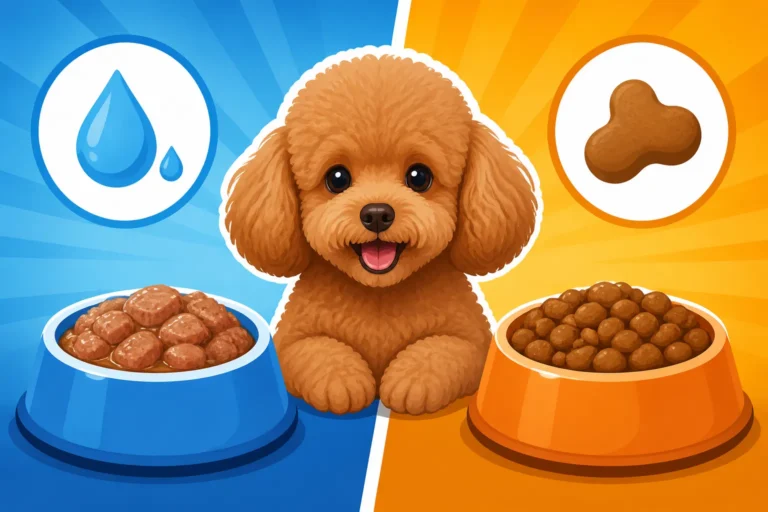
- Ensure Freshness: Make sure their food is fresh and stored properly. Many owners find a wide variety of suitable small-breed kibbles and wet food options on platforms like Chewy, offering different flavors and textures to tempt a picky palate. If you're considering a fresh food diet, services like Ollie provide pre-portioned meals that can simplify calorie counting and appeal to choosy dogs.
- Rule Out Medical Issues: If pickiness is sudden or severe, always consult your vet. It could be a sign of an underlying health problem, dental pain (small Poodles can have issues with Why Small Poodles Lose Teeth Early), or even general discomfort.
Avoiding Overfeeding and Obesity Concerns
As your Toy Poodle matures and their metabolism naturally slows down slightly, it's important to adjust their total daily calories to prevent weight gain. While the number of meals decreases, the portion sizes of those two meals might not necessarily stay the same as the combined portions of their puppy meals.
- Follow Food Guidelines (and Adjust): The feeding guidelines on commercial dog food packaging are a starting point, not a strict rule. Monitor your Poodle's weight and body condition score. You should be able to feel their ribs easily without seeing them, and they should have a discernible waist when viewed from above.
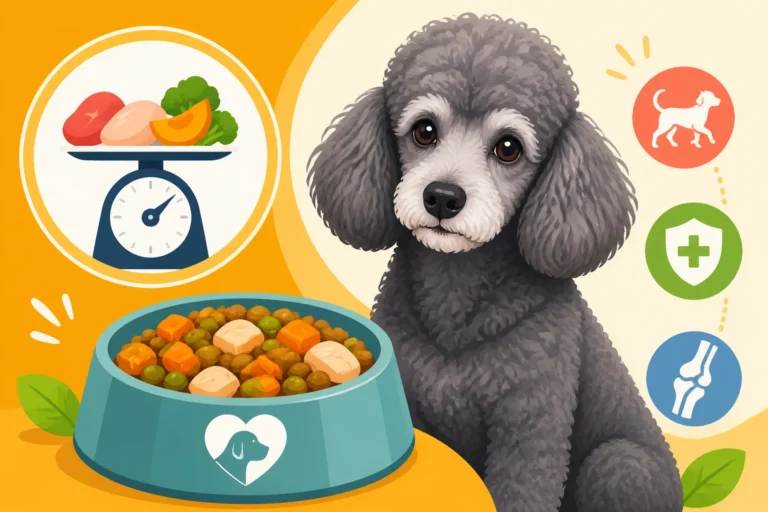
- Weighing Meals: For a small dog like a Toy Poodle, small differences in kibble amount can make a big difference over time. Weighing a Poodle's Meals with a kitchen scale is the most accurate way to ensure consistent portions, rather than relying on volume measurements alone.
- Appropriate Kibble Size: Ensure the kibble size is appropriate for a Kibble Size for a Toy Poodle's Jaw, preventing them from gulping or making eating difficult.
- Exercise is Crucial: Even with a perfect diet, adequate daily exercise is vital to maintain a healthy weight and mental well-being. A vigorous walk or play session twice a day, in addition to mental enrichment, will keep them in top shape.
Over time, calorie needs can decrease further, particularly when your Poodle enters their senior years. Awareness of Calorie Needs of a Senior Poodle becomes important, and regular vet checks are crucial to catch issues like Poodle Obesity and Its Consequences early. Budgeting for their ongoing Monthly Food Cost for a Toy Poodle also becomes a consistent part of ownership.
When to Seek Veterinary Advice
Sometimes, despite your best efforts, things don't go as planned during a feeding transition. Don't hesitate to contact your veterinarian if you observe any of the following:
- Persistent Lethargy or Weakness: These are key Signs of Low Blood Sugar in a Toy Poodle Puppy and require immediate attention.
- Vomiting or Diarrhea: Especially if it lasts for more than a day or is severe.
- Significant Weight Loss or Gain: Any drastic change in weight warrants a vet visit.
- Loss of Appetite for More than 24 Hours: This is a red flag for any dog, but particularly for a small Poodle.
- Any Signs of Discomfort or Pain: Poodles are often sensitive and can sometimes hide illness, but changes in behavior can be a sign of Reading Pain in a Sensitive Poodle.
- Concerns about a Specific Health Condition: If your Toy Poodle has a pre-existing condition, such as issues related to Toy Poodle Kneecaps and Windpipes, your vet might have specific dietary recommendations.
Your vet can provide tailored advice, rule out medical causes, and help you establish the best long-term feeding plan for your beloved Toy Poodle.
Disclaimer
This article is for general informational purposes only and does not constitute professional advice. Laws, prices and regulations vary by location and change over time. Consult a qualified professional for guidance on your specific situation.