Settling a Poodle Puppy on Night One
The first night with a new Poodle puppy can feel like a high-stakes, emotional rollercoaster. You've brought this tiny, adorable fluffball home, and suddenly the reality hits: they're in a completely new environment, away from their siblings and mother, and often quite overwhelmed. It's a huge adjustment for them, and honestly, for you too! This guide will walk you through preparing for, navigating, and successfully settling your Poodle puppy into their new home, especially during that crucial first night, helping you both start your life together on the right paw.
Preparing for Arrival: Setting the Stage for Success
Bringing home a new Poodle puppy is an exciting milestone, but the key to a smoother first night actually begins long before your new companion even sets a paw inside your front door. Think of it as nesting – you’re creating a safe, welcoming environment that anticipates their needs and minimizes potential stressors. Being prepared isn't just about having the right gear; it's about having a plan that provides security and predictability for a creature entering an entirely new world.
The Importance of a Sanctuary Space
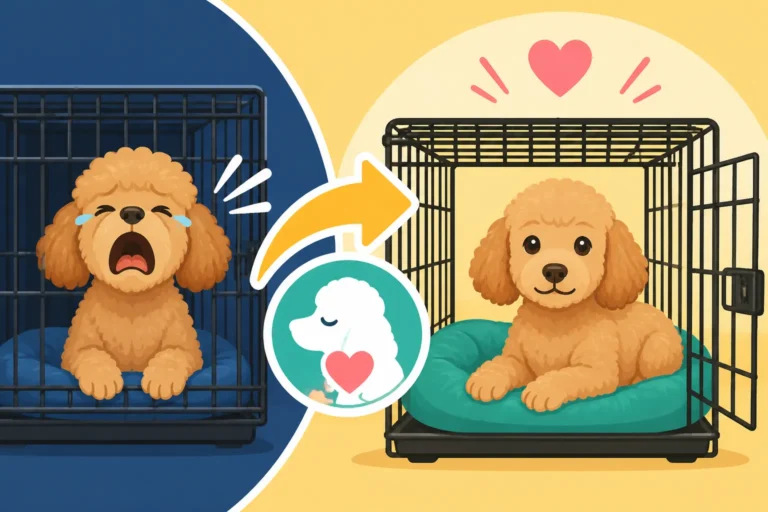
Your Poodle puppy needs a designated safe haven from the moment they arrive. This isn't just about giving them a place to sleep; it's about providing security, comfort, and a sense of belonging in a completely alien environment. For most Poodle owners, this means a crate. A crate, when introduced correctly, becomes a den, a quiet retreat, and an invaluable tool for successful house training. Don't think of it as a cage, but rather their personal, cozy bedroom, a place where they can feel safe and unbothered.
Choosing the right crate size is paramount. It should be just large enough for them to stand up, turn around, and lie down comfortably. If you have a Standard Poodle puppy, you might opt for a larger crate with a divider that you can adjust as they grow. This prevents them from having too much space, which could encourage them to use one end as a potty area. For a smaller Toy Poodle, a compact wire or soft-sided crate will be perfect. Crate Size for Each Poodle Variety offers more specific guidance to help you make the right choice. Consider placing the crate in a quiet corner of a common room during the day, so your puppy feels part of the family, but is also not constantly stimulated. For night one, many owners find it incredibly comforting for the puppy (and reassuring for themselves) to have the crate right next to their bed, allowing the puppy to hear and smell them nearby.
Inside the crate, make it as inviting and comfortable as possible. Soft, clean bedding is a must. This could be old towels, a favorite blanket, or a dedicated crate bed. Ensure whatever you choose is easily washable in case of accidents and free of any loose threads or small parts that could be chewed off and swallowed. Some Poodles love to burrow, so a small, soft blanket they can nest in can add an extra layer of security. A breathable cover draped over most of the crate can also create that much-desired den-like feel, blocking out light and reducing visual stimulation that might keep a nervous puppy awake.
Gathering Essential Supplies
Before your Poodle puppy even sets a paw in your home, you need to have their basic necessities ready and waiting. The last thing you want on night one is to realize you're missing something crucial while a tiny, stressed puppy is whimpering in their new space. Think of this preparation as puppy-proofing your life for the first few days, minimizing your own stress so you can focus entirely on your new family member.
Here’s a comprehensive checklist of what you should have on hand:
- Food and Water Bowls: Stainless steel or ceramic bowls are excellent choices because they are easy to clean, durable, and less likely to harbor bacteria than plastic. Have at least two sets, one for food and one for water.
- Puppy Food: Crucially, stick to the food your breeder or rescue was feeding them for at least the first week. Abrupt diet changes, combined with the stress of a new environment, can lead to stomach upset. If you plan to transition to a different food, do so very gradually after they've settled in. You might also want some small, high-value training treats ready; you can find excellent options on Amazon.
- Collar and Leash: A lightweight, comfortable puppy collar and a sturdy six-foot leash are essential for potty breaks and initial outdoor exploration. Make sure the collar is fitted correctly – snug enough that they can't slip out, but loose enough to comfortably fit two fingers underneath. Many Poodle owners prefer a harness to protect the delicate throat area, especially for smaller varieties like Toys, even from a young age.
- Potty Training Supplies: If you're planning to use puppy pads initially, have a good supply. More importantly, have plenty of paper towels and a high-quality enzymatic cleaner on hand for inevitable accidents. This cleaner is vital because it neutralizes the odor that might otherwise attract your puppy back to the same spot.
- Safe Chew Toys: Poodle puppies, like all puppies, need to chew. This is for teething, exploration, and simply to satisfy their natural instincts. Have a variety of safe, appropriately sized chew toys available to redirect their mouthing away from your hands, clothing, or furniture. Look for durable, non-toxic options. Interactive puzzle toys can also be fantastic for mental stimulation, which is just as tiring as physical exercise for a smart Poodle.
- Comfort Items: If your breeder provided a blanket or toy that smells like their littermates or mother, this can be an incredibly soothing item for the first night. Otherwise, a soft plush toy to snuggle with in the crate can provide a sense of companionship. Some owners use a "snuggle puppy" toy with a simulated heartbeat to mimic the comfort of their littermates.
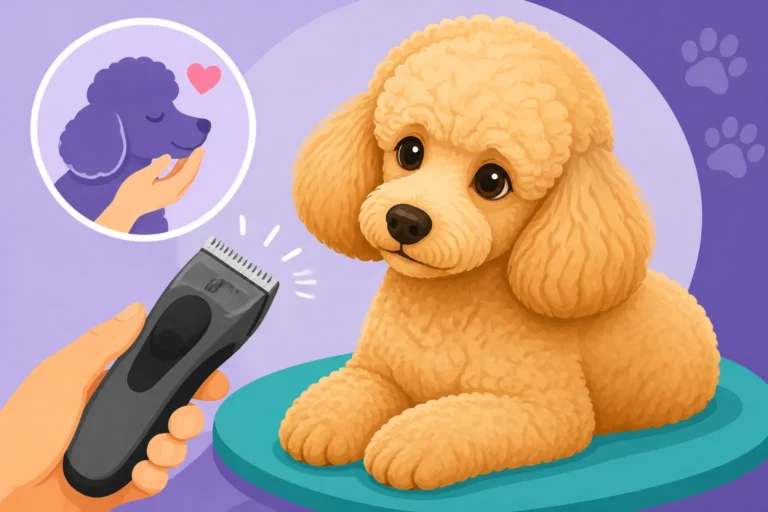
- Grooming Tools: Poodles need regular grooming from a young age to get them used to the process. A soft slicker brush and a wide-toothed comb are good starting points for short, gentle sessions. Getting a Poodle Puppy Used to Being Handled can help you introduce these tools positively.
- Emergency Contact Information: Have the number and location of your nearest 24-hour emergency veterinary clinic readily available, along with your chosen regular vet's contact details. Better safe than sorry!
Having these items meticulously prepared before your puppy arrives minimizes your stress and allows you to focus entirely on their comfort and integration into your home, rather than scrambling for supplies at the last minute.
The First Few Hours: Easing the Transition
The actual moment you walk through your door with your new Poodle puppy is pivotal. Everything is new, strange, and potentially overwhelming for them. Your primary goal during these initial hours is to make the experience as calm, predictable, and positive as possible. This isn't the time for a big party or a flurry of excited introductions; it's a time for quiet reassurance and establishing fundamental routines.
Gentle Introductions and Exploration
When you first arrive home, resist the urge to immediately introduce your puppy to every family member, every room, and every exciting new toy. Overstimulation is a very real phenomenon for puppies, and it can quickly lead to an anxious, over-tired, or over-excited state. Instead, before even stepping inside, take your Poodle directly to their designated outdoor potty spot. Even if they don't go, this immediately starts establishing the routine: outside is for potty. If they do relieve themselves, offer immediate, calm praise.
After the initial potty break, bring them inside and lead them directly to their designated "sanctuary space" – typically their prepared crate or a small, puppy-proofed area. Keep interactions quiet and gentle. Allow them to sniff around their immediate surroundings at their own pace. Sit calmly on the floor nearby, offering soft, reassuring words, but avoid forcing interaction or overwhelming them with too much attention. Let them initiate cuddles or playful nudges when they feel ready. This quiet observation period helps them to gradually build confidence in their new, strange surroundings. If you have children or other pets, ensure their introductions are gradual, supervised, and kept brief. A Poodle puppy, especially a Toy Poodle, can be quite delicate and easily startled or overwhelmed by boisterous play. A Poodle Puppy Meeting the Resident Dog provides invaluable advice for managing these early interactions smoothly.
During these first few hours, familiarity is key. Offer a small amount of their familiar food and fresh water in their designated area. Don't be surprised if they don't eat much at first due to stress; this is completely normal. The main objective is to make resources readily available and clearly show them where they are located. Continue to make frequent, short trips outside for potty breaks – ideally every 15-20 minutes, especially after waking up from a nap, playing, or eating. This proactive approach significantly reduces the chance of accidents and reinforces good habits from the start.
First Potty Trips and Hydration
Potty training for your Poodle puppy begins the very second they arrive, and those first few hours are absolutely critical for establishing a solid foundation. Poodle puppies, regardless of size but especially Toy Poodles, have tiny bladders. Bladder Size in a Toy Poodle Puppy highlights just how small. They cannot hold it for long, so frequent trips outside are not just recommended, they are non-negotiable. You need to be proactive, taking them out before they even signal a need.
When you take your puppy out, consistency is paramount. Go to the same designated spot in your yard or outdoor area every single time if possible. This helps them associate that specific area with relieving themselves. Use a consistent, calm phrase like "go potty" or "outside" right before you head out, and repeat it softly while they are sniffing around. The moment they relieve themselves, offer immediate, enthusiastic (but not overly loud or startling) praise and a small, high-value treat. This positive reinforcement creates a strong association between going in the right place and receiving a reward. Avoid scolding them for any accidents inside the house; they simply don't understand yet, and punishment can create fear, leading them to hide their accidents from you rather than learning where to go. Simply clean up thoroughly with an enzymatic cleaner to eliminate all traces of odor.
Ensuring your Poodle puppy stays hydrated is important, especially after the stress of travel, but managing water intake is key for night one. Fresh water should always be available throughout the day, but you'll want to gradually reduce access as bedtime approaches. Offer water frequently throughout the evening, but typically remove the water bowl about an hour or two before their final potty break and designated bedtime. This strategy helps to manage their bladder without risking dehydration, reducing the likelihood of midnight accidents. Remember, their little bodies are still getting used to a new routine, and managing their water intake proactively helps both of you get through the night more successfully.
Surviving Night One: Strategies for Sleep
Ah, night one. This is often where the real challenge begins, as the quiet of the house can amplify a puppy's feelings of loneliness, confusion, and anxiety. It’s important to remember that this behavior is normal; they've just been removed from everything familiar. But with a well-planned routine and plenty of patience, you can both get through it and establish healthy sleeping habits.
Establishing a Predictable Bedtime Routine
Consistency is your best friend when it comes to settling a Poodle puppy, especially on that crucial first night. Begin to establish a calming bedtime routine about an hour or two before you plan for them to settle down for the night. This structured winding-down period signals to them that it’s almost time for sleep. This could include a final play session to burn off any excess puppy energy, followed by a quiet cuddle on the sofa, some gentle, positive exposure to brushing (starting early with grooming exposure is a fantastic idea for Poodles!), and a final, calm potty trip outside.
About 30-60 minutes before you plan for them to go into their crate for the night, you should take away food and reduce water intake, as discussed earlier. This proactive measure significantly minimizes the chances of overnight accidents that can disrupt everyone's sleep. The very last potty trip should be right before you put them into their crate for the night, literally the final thing you do before turning out the main lights. Make this a quiet, efficient trip – no play, no fuss, just business, so they learn that nighttime potty breaks are not playtime.
When you finally put your Poodle puppy into their crate for the night, do so calmly and confidently. Avoid making a big fuss or acting overly sympathetic, as this can inadvertently reinforce any anxiety they might be feeling. Give them a soft blanket to snuggle with and perhaps a safe, dedicated chew toy to keep them occupied as they settle. Some new puppy owners find that a "snuggle puppy" toy, which emits a soft, simulated heartbeat, can offer significant comfort, mimicking the comforting presence of their littermates. Crucially, place the crate in your bedroom or very close to your bed. Your physical presence, your scent, and even the sound of your breathing can be incredibly reassuring to a puppy experiencing profound separation for the first time. This proximity is often a key factor in successfully Crate Training a Poodle That Wants Company and helping them feel secure.
Comforting a Crying Puppy
It's an almost universal experience: your new Poodle puppy will likely cry on night one. It's heartbreaking, it feels like it lasts forever, and every fiber of your being will tell you to rush to their aid. However, it’s crucial to learn to distinguish between a genuine need to potty and simply expressing loneliness, fear, or discomfort. Your response sets the tone for future nights.
Here's a strategy that often works, requiring a strong will but yielding positive long-term results:
- Wait it out (briefly and cautiously): If it’s just a few whines or a short burst of crying, try to wait a few minutes. Sometimes, they'll settle back down on their own as they realize their cries aren't immediately answered. If you immediately respond to every little noise, you inadvertently teach them that crying is the quickest way to get out of the crate or gain your attention. However, don't let them cry for excessively long periods if they seem truly distressed, especially early on.
- Potty break protocol only: If the crying escalates or is sustained for more than a few minutes, it’s safest to assume they need to relieve themselves. Get up, quietly and without much interaction, take them directly outside to their designated potty spot (again, no play, no fuss, just business), and bring them straight back to the crate. Praise them calmly if they go to the bathroom. If they don't go, bring them back inside anyway and put them back in the crate. This teaches them that crying at night only results in a boring, functional potty trip, not playtime, cuddles, or freedom from the crate. Overnight Breaks for a Toy Poodle Puppy provides more specific guidance on frequency, which is especially important for smaller Poodles.
- Don't reward attention-seeking: If you're absolutely confident they don't need to potty (for instance, you just took them out, or they only cried for a moment and then resumed), and they're still making noise, it's likely for attention or comfort. This is arguably the hardest part for new owners. You might need to gently tap the side of the crate or offer a quiet "shhh" or a soft word like "It's okay, go to sleep" to let them know you’re there, without actually letting them out or making eye contact. Resist the powerful urge to open the crate and cuddle them if it’s not a potty emergency. This is where resources like BAXTER & Bella online puppy training can be invaluable, offering structured guidance and support from experienced trainers on how to navigate these tough moments while establishing independence gently.
Remember, this isn't about being mean or ignoring your puppy's distress; it's about teaching them that their crate is a safe, quiet place for sleep and that they are safe even when alone. A few tough, potentially sleepless nights now will pay immense dividends in a well-adjusted, confident adult Poodle later, one who is comfortable and secure in their den.
Common Challenges and How to Address Them
Even with the best preparation and the most consistent routine, the first night (and often the next few nights) with a new Poodle puppy can bring a few common hurdles. Knowing how to anticipate and address these challenges calmly and effectively will make a huge difference in your puppy's adjustment and your own peace of mind.
Midnight Potty Breaks and Accidents
As we've discussed, Poodle puppies have small bladders, and overnight potty breaks are not just common, they are a given for young puppies. A handy rule of thumb is that a puppy can generally hold their bladder for roughly one hour per month of age, plus one hour. So, an eight-week-old (two-month-old) puppy might only be able to last about three hours. This means you will likely need to set an alarm to wake yourself up and take them out during the night, especially for the first few weeks. The First Month With a Poodle Puppy goes into more detail about managing expectations in these early days.
If your puppy wakes you up with whining or barking, always assume it's a potty request first. Scoop them up, carry them directly outside to their designated potty spot (avoiding any detours or play), put them down, and wait patiently. If they go, offer quiet praise and then immediately bring them back inside and put them back in their crate. Do not engage in play, turn on all the house lights, or make it an exciting event; keep it as boring and efficient as possible so they don't learn that crying at night leads to fun and games.
If you wake up to find an accident in the crate, try not to get frustrated. It happens, and it's almost certainly not done out of spite. It simply means you either missed their cue or didn't take them out soon enough. Clean the crate and bedding thoroughly with an enzymatic cleaner to eliminate any residual odor. Do not scold your puppy; they won't understand, and it can instill fear, making them more likely to hide accidents in the future. Instead, adjust your schedule for the next night, perhaps taking them out an hour earlier than you did before. Also, consider the type of bedding in the crate. If it's too thick or absorbent, it might allow them to move away from the mess and lie on a clean spot, which can inadvertently teach them that soiling their sleeping area is acceptable. Minimal, easily washable bedding is often best initially.
Handling Nerves and Early Separation Anxiety
The first night is often the first time a Poodle puppy has ever been truly alone. They've spent their entire lives up to this point with their mother and littermates, constantly surrounded by warmth and familiar scents. Now, everything is new and strange, and they feel a profound sense of loss and isolation. This often manifests as crying, whining, or even frantic barking. This isn't naughtiness; it's genuine fear, distress, and a natural response to their new circumstances. It's important to approach this with empathy and strategic comfort.
Beyond the structured potty break strategy, there are other ways to soothe a nervous puppy:
- Physical Proximity: As suggested, keeping the crate in your bedroom, right next to your bed, helps immensely. Your scent, your breathing, and even the occasional soft, reassuring word or tap on the crate can provide immense comfort without requiring you to take them out of the crate. They need to learn they are safe even when not physically touching you.
- Comfort Items: A soft blanket or toy that carries your scent, or one that came from the breeder with the scent of their littermates, can be incredibly helpful. A warm, safely wrapped hot water bottle placed outside the crate can mimic the warmth of their littermates. Some puppies also respond well to white noise machines or quiet classical music played softly.
- Gentle Touch: If your puppy is truly distressed and you've definitively ruled out a potty need, a very brief, gentle touch through the crate bars, combined with soft, calm reassuring words, might be enough to settle them without actually letting them out. Just be mindful not to make it a long interaction that could turn into a demand for more attention.
- Mental Stimulation During the Day: A mentally and physically tired puppy is generally a good sleeper. Ensure your Poodle puppy has had plenty of appropriate mental and physical exercise during the day. This could include short, supervised play sessions, brief positive reinforcement training (The Age a Poodle Puppy Starts Learning), or interactive puzzle toys (many excellent ones are available on Amazon) stuffed with their kibble or a safe treat. Mental Work That Tires a Poodle provides more ideas for engaging their clever brains.
- Gradual Alone Time: Start practicing very short periods of alone time during the day before night one. Put them in their crate with a high-value, long-lasting chew or a stuffed Kong while you're in the same room, then step out for a minute, then five, slowly increasing the duration. This builds their confidence gradually and teaches them that being alone in their crate isn't a bad thing. This preparation is a crucial step in preventing full-blown Separation Anxiety in a Velcro Poodle later on.
Remember, patience, empathy, and consistency are your greatest tools. It won't be perfect, and there will likely be sleepless nights, but every night will get a little easier as your Poodle puppy learns to trust their new environment and their new family.
| Challenge | Description | Recommended Action | What NOT to Do |
|---|---|---|---|
| Crying/Whining | Puppy is lonely, scared, or needs to potty. | – Take out for a quick, boring potty break. | – Let them out for play/cuddles if it's not a potty need. |
| – Keep crate near you. | – Scold or punish. | ||
| – Offer a comfort item (e.g., blanket with littermate scent, heartbeat toy). | – Ignore for excessively long periods if they are truly distressed. | ||
| Potty Accidents | Puppy has a small bladder, missed cues, or didn't go often enough. | – Clean with enzymatic cleaner immediately. | – Punish or rub their nose in it. |
| – Adjust potty schedule (more frequent trips, set alarms). | – Assume they'll "get it" without consistent training. | ||
| – Remove water 1-2 hours before bed; offer frequently throughout evening. | – Leave them in a soiled crate. | ||
| Refusal to Enter Crate | Puppy associates crate with being left alone or doesn't find it comfortable. | – Make crate inviting with soft bedding, high-value treats, safe chew toys. | – Force them in aggressively or throw them in. |
| – Feed meals and give special treats only inside the crate. | – Use the crate for punishment or time-outs. | ||
| – Practice short, positive crate sessions during the day (e.g., chew toy inside while you're nearby). | – Only put them in the crate when you're leaving or sleeping. | ||
| Nipping/Biting | Normal puppy exploration, teething, or overstimulation. | – Redirect to appropriate chew toys (e.g., durable rubber toys available on Amazon). | – Yell at or hit them. |
| – Yelp loudly when they nip too hard, then immediately disengage from play for 30-60 seconds. | – Allow them to continue nipping hands/feet, even "gently." | ||
| – Ensure plenty of supervised playtime and mental exercise during the day to prevent boredom nipping. | – Mistake it for aggression (it's almost never aggression at this age). |
Bringing a Poodle puppy home is an incredibly exciting time, but that first night can be a bit daunting for both of you. Remember, your puppy is undergoing a monumental change, and their cries or anxieties are a natural, instinctive response to a brand new world. By meticulously preparing their space, gently introducing them to their new home, establishing a predictable bedtime routine, and responding calmly, empathetically, and consistently to their needs, you're laying the essential groundwork for a secure, loving relationship. It won't be perfect, and there will undoubtedly be sleepless nights, but with patience, understanding, and a whole lot of love, you and your clever Poodle will successfully navigate these early days and build a bond that truly lasts a lifetime. The First Month With a Poodle Puppy can offer more invaluable tips as you move beyond that crucial initial night.
Disclaimer
This article is for general informational purposes only and does not constitute professional advice. Laws, prices and regulations vary by location and change over time. Consult a qualified professional for guidance on your specific situation.