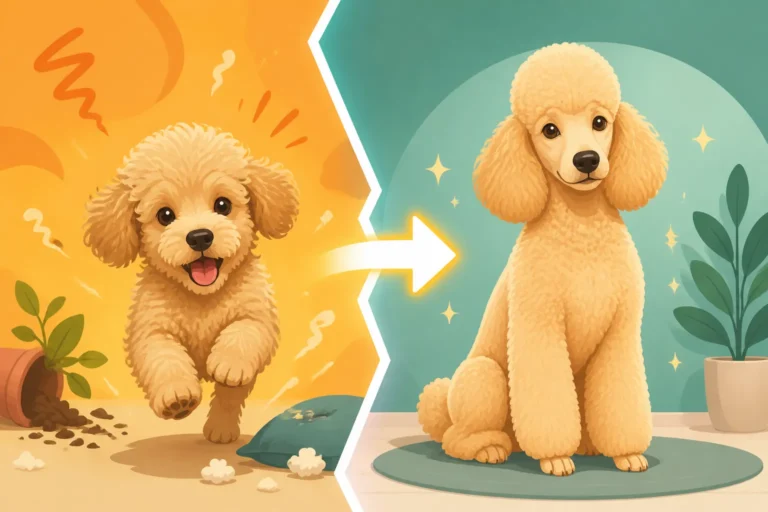
What Poodle Owners Wish They Had Known
Bringing a Poodle into your life is an incredible joy, but many first-time owners often find themselves surprised by the unexpected realities of living with such a unique and intelligent breed. While Poodles are celebrated for their elegance and non-shedding coats, there's so much more beneath the surface that people wish they had known before diving in. This guide will walk you through those often-overlooked aspects, helping you prepare for the delightful, challenging, and deeply rewarding journey of Poodle ownership.
The Reality of the Poodle Coat: More Than Just "Non-Shedding"
Ah, the Poodle coat! It's often the first thing people mention, usually with a sigh of relief, "Oh, they don't shed!" And while that's technically true in the sense that they don't drop hair all over your furniture like many other breeds, it's a truth that hides a world of grooming demands. The Poodle's single coat is hair, not fur, and it continuously grows, much like human hair. This means it has to go somewhere, and if it's not brushed out, it twists and tangles, forming dense mats right down to the skin.
The Unrelenting Grooming Demands
Many new Poodle owners underestimate the sheer volume and frequency of grooming required. It’s not just an occasional brush-through; it’s a commitment. For a pet Poodle kept in a medium-length coat, you're looking at daily or every-other-day thorough brushing sessions. This isn't just surface-level fluffing; you need to Brushing a Poodle to the Skin using appropriate tools like a slicker brush and a greyhound comb. If you miss a spot, especially in friction areas like armpits, behind the ears, or under the collar, a mat can form in what feels like mere hours.
These mats are not just unsightly; they are painful. They pull on the skin, restrict movement, and can hide skin infections. If the matting becomes severe, a professional groomer might have no choice but to shave the entire dog down, which can be a distressing experience for both the Poodle and the owner. This level of grooming also means a significant financial commitment if you opt for professional services. Professional Grooming Costs by Poodle Size can quickly add up, easily becoming one of the most substantial ongoing expenses of Poodle ownership. It's not uncommon for a Standard Poodle to need grooming every 4-6 weeks, with Toy and Miniature Poodles often requiring similar schedules, and each visit can be a hefty bill.
The "Hair" Versus "Fur" Distinction
The reason Poodles are often lauded as "hypoallergenic" and "non-shedding" comes down to the structure of their coat. Unlike dogs with fur, which grows to a certain length and then sheds to make way for new growth, a Poodle's hair continuously grows. This means that shed hair doesn't fall out onto your floor and furniture; instead, it gets trapped within the surrounding curly coat. This is where the matting problem begins. Imagine never brushing your own hair, or having curly hair that simply doesn't release shed strands – it would become a tangled mess quickly!
This characteristic is fantastic for allergy sufferers, as there's less dander and shed hair floating around, but it shifts the maintenance burden from your vacuum cleaner to your grooming brush and your wallet. Owners often discover that while they don't have tumbleweeds of dog hair, they spend considerable time picking burrs, twigs, and leaves out of their Poodle's coat after a walk, because that curly hair acts like a magnet for all things outdoors. You learn very quickly to keep specific grooming tools on hand, and many owners find value in investing in quality brushes and shampoos from places like Chewy.
Beyond the Fancy Clips: Practicality in Pet Grooming
When people think of Poodles, they often picture the elaborate show clips with pom-poms and shaved sections. While beautiful and iconic, these clips are generally high-maintenance and impractical for most pet owners. Many owners wish they had known about the variety of more manageable clips available for pet Poodles. A short, uniform "kennel clip" or "sporting clip" can drastically reduce daily brushing time and make life much easier for an active dog and their owner.
However, even with a shorter clip, regular maintenance is still crucial. Shorter hair still grows and can still mat if neglected. Plus, the Poodle's face and feet often require more frequent trimming to keep them tidy and prevent mats in delicate areas, regardless of the body clip. You'll need to decide Choosing a Clip for a Pet Poodle that suits your lifestyle, your Poodle's activity level, and your budget for professional grooming. Many owners eventually learn to do some basic face, feet, and sanitary trims at home between professional appointments, but this still requires dedication and the right tools.
A Mind of Their Own: The Poodle's High Intelligence and Sensitivity
Beyond the curly coat, the Poodle's mind is perhaps its most defining characteristic, and it's something many new owners are genuinely unprepared for. Poodles consistently rank among the most intelligent dog breeds, often second only to the Border Collie in studies like those by Stanley Coren. This intelligence is a double-edged sword: it makes them incredibly trainable and capable, but it also means they demand significant mental stimulation and can be quite mischievous if bored.
The Unexpected Demands of a Smart Dog
A Poodle isn't content to just lounge around all day after a quick walk. Their keen minds need to be engaged. Owners often wish they had known that a Poodle's intelligence means they require a "job" – whether it's learning new tricks, participating in dog sports, or solving complex puzzle toys. If left to their own devices without adequate mental outlets, a clever Poodle will find its own entertainment, which often manifests as undesirable behaviors like excessive barking, chewing, or even "redecorating" your home. Why a Bright Poodle Gets Bored is a common frustration for owners who expected a more docile companion.
Their ability to learn quickly can also mean they pick up bad habits just as fast as good ones. They are adept at observing patterns and will quickly learn how to open cabinets, manipulate you for treats, or figure out the best way to escape a yard if not properly secured. Consistency in training from day one is paramount with a Poodle. They will test boundaries, and they remember everything. It's a wonderful challenge, but definitely not for the faint of heart or those looking for a low-maintenance brain. This is why Poodles excel at performance events; they love to learn and show off their skills. We often say Training the Second Smartest Dog Breed requires you to always be one step ahead!
The Velcro Poodle: Attachment and Separation Anxiety
Poodles were originally bred as working retrievers, often partnered closely with hunters. This historical role has instilled in them a strong desire for companionship and a deep bond with their human families. They aren't dogs that are happy to be left alone for long stretches; they thrive on interaction and being a part of daily life. Many owners are surprised by just how "velcro" their Poodle can be, following them from room to room, often settling at their feet or demanding to be in their lap.
While this devotion is incredibly endearing, it can also lead to challenges, particularly Separation Anxiety in a Velcro Poodle. Poodles can become genuinely distressed when left alone, manifesting as destructive behavior, incessant barking, or house-soiling. New owners often wish they had prepared more for teaching their Poodle independence from a young age, rather than being charmed by their clinginess. crate training, gradual departures, and providing enriching activities while you're away are crucial. Products like long-lasting chews or interactive toys from Chewy can be lifesavers for managing alone time.
Sensitivity and Training Methods
Another characteristic that often surprises Poodle owners is their inherent sensitivity. While they are smart and resilient, they are also deeply attuned to their owner's emotions and tone of voice. Harsh training methods, scolding, or punishment can be incredibly detrimental to a Poodle's spirit and can quickly break their trust. Instead of learning, a Poodle subjected to such methods may shut down, become fearful, or even develop reactive behaviors. Why Harsh Handling Breaks a Poodle is a lesson many owners learn the hard way.
Effective Poodle training relies on positive reinforcement, patience, and clear communication. They respond best to rewards-based training that makes learning fun and engaging. Their intelligence means they pick up cues quickly, but their sensitivity means you need to be mindful of how you deliver those cues and how you react when they don't immediately comply. Building a strong, trusting relationship is the foundation of successful Poodle training, recognizing their nuanced body language and their desire to please.
Health, Longevity, and the Importance of a Reputable Breeder
While Poodles are generally a healthy breed with a good lifespan, they are predisposed to certain genetic conditions that can be devastating and incredibly costly if new owners aren't aware or prepared. Many people focus solely on the "non-shedding" aspect and forget to delve into the breed's health history, only to face heart-wrenching and expensive diagnoses down the line.
Beyond the Stereotype: Serious Health Concerns
One of the biggest eye-openers for new Poodle owners is the prevalence of certain serious health issues. Standard Poodles, in particular, are prone to Addison's Disease, an autoimmune disorder that affects the adrenal glands and can mimic many other illnesses, earning it the nickname "the great pretender." Addison's Disease in Standard Poodles can be life-threatening if not diagnosed and managed. Another significant concern for Standard Poodles is bloat, or Gastric Dilatation-Volvulus (GDV), a condition where the stomach twists, which is a true veterinary emergency. Bloat and the Deep Standard Poodle Chest is a terrifying reality for many Standard Poodle owners, and swift action is critical.
Miniature and Toy Poodles have their own set of concerns, such as luxating patellas (slipping kneecaps), Legg-Calve-Perthes disease (a hip condition), and Progressive Retinal Atrophy (PRA), which can lead to blindness. Across all sizes, Poodles can be susceptible to hip dysplasia, thyroid issues, and certain cancers. These conditions are not minor sniffles; they are serious, potentially chronic, and often require extensive medical intervention.
| Aspect of Ownership | Common Expectation | Reality for Poodles |
|---|---|---|
| Grooming | Brush once a week, occasional trim. Minimal shedding. | Daily line brushing, professional grooming every 4-6 weeks (or diligent home grooming). Continuous hair growth means mats form quickly if neglected. |
| Intelligence | Smart, easily trained, good for beginners. | Exceptionally smart, require constant mental stimulation. Can be mischievous if bored. Outwit owners. |
| Temperament | Elegant, calm, aloof. | Highly sensitive, deeply attached ("Velcro" dogs), prone to separation anxiety if not trained. Thrive on interaction. |
| Health | Generally healthy, maybe a few minor issues. | Prone to serious genetic conditions like Addison's, bloat, luxating patellas, PRA. Requires responsible breeding and potential long-term vet care. |
| Cost | Initial puppy cost, food, routine vet. | Higher initial cost for well-bred puppy. Significant ongoing grooming costs. Potential for very high vet bills for breed-specific conditions. |
The Lifelong Investment in Care
Understanding these health predispositions upfront allows owners to make informed decisions. It means budgeting not just for routine vet care, but for the potential of chronic medication, specialized diets, or emergency surgeries. Caring for an Aging Poodle is also a significant commitment, as senior Poodles may develop arthritis, cognitive decline, or require more frequent veterinary check-ups to manage age-related conditions. The cumulative cost of treatment for a chronic condition like Addison's can be substantial over a Poodle's lifespan.
Many owners consider pet insurance a non-negotiable expense for a Poodle, especially given the risks of bloat and other serious genetic conditions. It’s a proactive step that can save you from making heartbreaking financial decisions during an emergency. Always ensure you read the policy carefully to understand what is covered, especially concerning breed-specific issues.
Why a "Bargain" Poodle Isn't a Bargain
One of the biggest regrets for many Poodle owners who encounter significant health or behavioral issues is realizing they didn't choose a reputable breeder. The upfront cost of a well-bred Poodle from a breeder who performs all recommended health testing can seem high, sometimes deterring potential owners. However, this initial investment is minuscule compared to the potential costs of caring for a dog from an untested background that develops multiple preventable genetic diseases. Why a Cheap Poodle Usually Means No Testing is a critical lesson.
A responsible breeder screens their breeding stock for genetic conditions relevant to the Poodle breed and size, such as hip and elbow dysplasia, eye diseases (like PRA), thyroid issues, and Addison's. They will provide health clearances, be transparent about their dogs' pedigrees, and offer support for the lifetime of your Poodle. Finding a Poodle Breeder Who Tests is perhaps the most important decision a prospective Poodle owner will make. Skipping this step in an attempt to save money almost always results in greater heartache and financial strain down the road. Understanding these realities doesn't diminish the joy of Poodle ownership; it simply makes you a more prepared and responsible guardian for these truly magnificent dogs.
Disclaimer
This article is for general informational purposes only and does not constitute professional advice. Laws, prices and regulations vary by location and change over time. Consult a qualified professional for guidance on your specific situation.