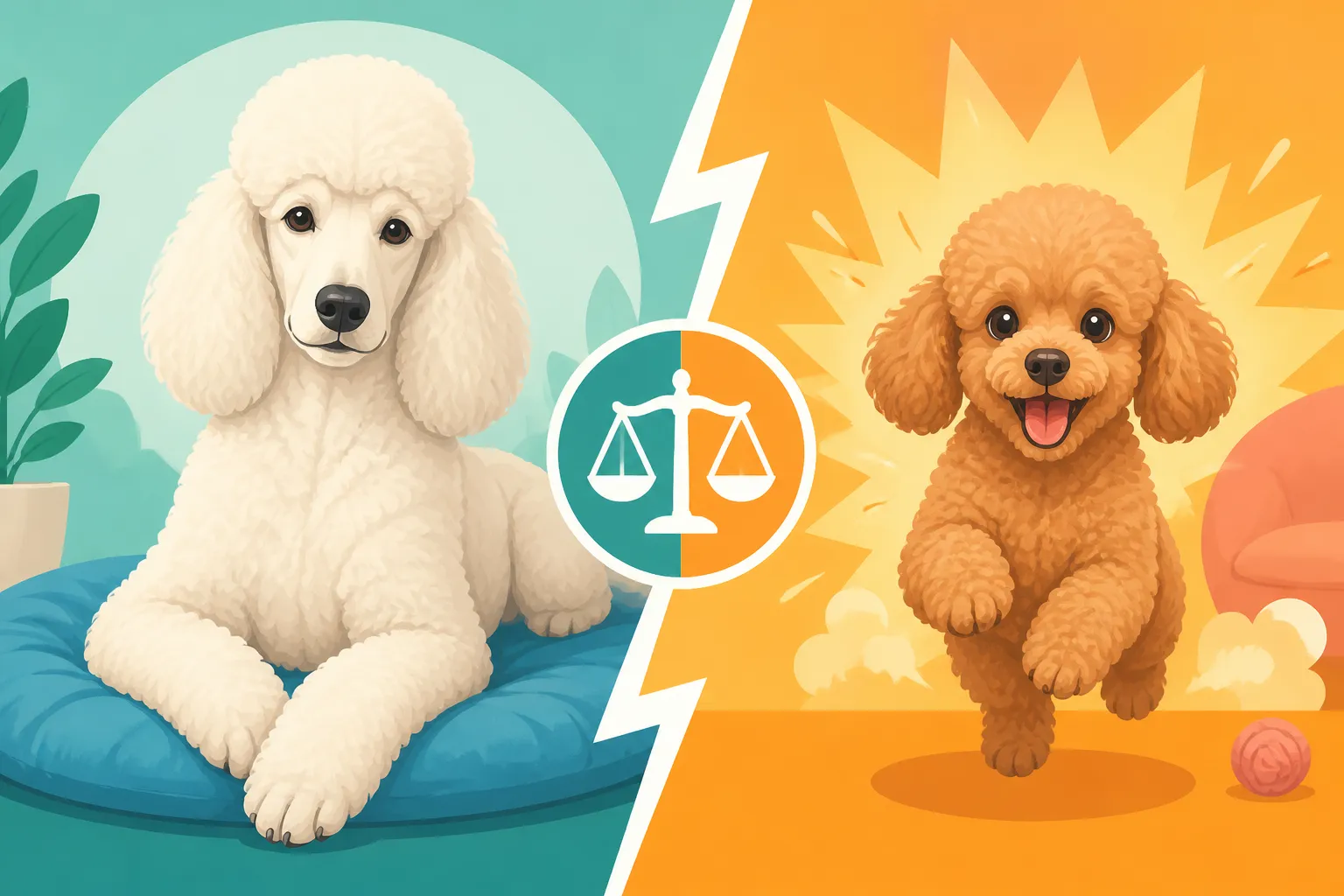
Whether Standard Poodles Are Calmer Than Toys
It's a common question, isn't it? You see a majestic Standard Poodle, gliding with an air of sophisticated calm, and then you encounter a tiny Toy Poodle, often zipping around with boundless energy, and you start to wonder: are Standard Poodles inherently calmer than their smaller counterparts? It's a perception many people hold, and while there's a grain of truth in it, the full picture is far more nuanced, touching on everything from breed history to individual personality and how we, as owners, shape their world. This guide will dive deep into the temperamental differences, or lack thereof, between these two wonderful Poodle varieties.
Understanding Poodle Temperament: Nature vs. Nurture
When we talk about whether one Poodle size is "calmer" than another, we're really digging into the fundamental Poodle character and how it expresses itself in different packages. It's not as simple as bigger equals calmer, or smaller equals more hyper. Instead, it's a fascinating blend of inherited traits and the environment they grow up in.
The Core Poodle Character: What They All Share
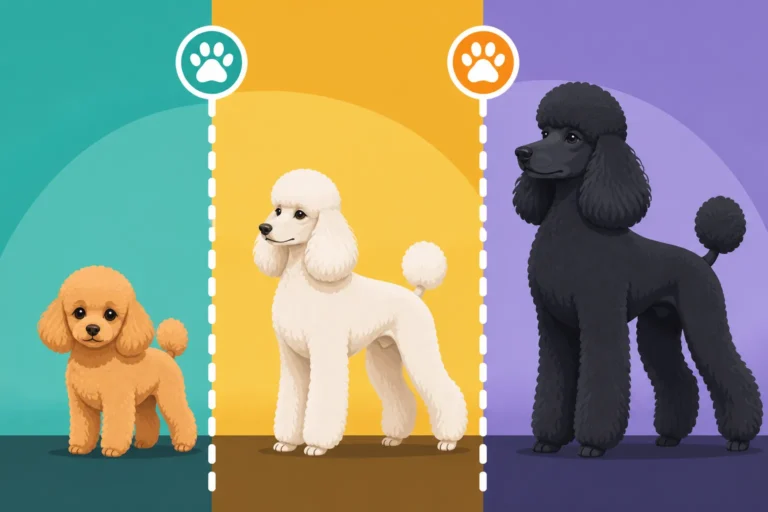
Regardless of size, Poodles—Standard, Miniature, and Toy—share a remarkable set of core characteristics that make them, well, Poodles! They are famously intelligent, often ranking as one of the smartest dog breeds. This intelligence comes with a need for mental stimulation, and if not provided, it can manifest as mischievousness or even what some owners perceive as "naughtiness." They are also incredibly sensitive dogs, highly attuned to their owners' moods and the household atmosphere. A Poodle, no matter its size, thrives on companionship and can be quite the "Velcro dog," preferring to be by your side. You'll find them quick to learn, eager to please, and deeply affectionate with their families. Many people find their Poodle Temperament and Sensitivity is a huge part of their charm. This inherent desire to engage with their people means that boredom can quickly lead to unwanted behaviors, regardless of whether they weigh 5 pounds or 60 pounds.
How Size Might Influence Energy Levels
Now, here's where the perception of "calmer" often comes into play. While the inherent drive for activity and mental engagement might be similar across all Poodle sizes, the expression of that energy can look very different. A Standard Poodle, with its long legs and powerful build, might cover a lot of ground in a few strides, enjoying a vigorous run or a swim. Its size allows it to handle more sustained physical activity. A Toy Poodle, on the other hand, might expend a similar amount of energy by zipping around the living room, performing tight turns and quick bursts of speed. Because their small size means they can get their zoomies out in a much smaller space, their high energy can appear more constant and frenetic in a household setting, simply because they're always there, moving around you. A Standard Poodle might have the same inner drive but expresses it in a way that seems less "underfoot" or less intense within the confines of a home. It's not necessarily less energy, just differently contained.
The Environmental Factor: Training and Socialization
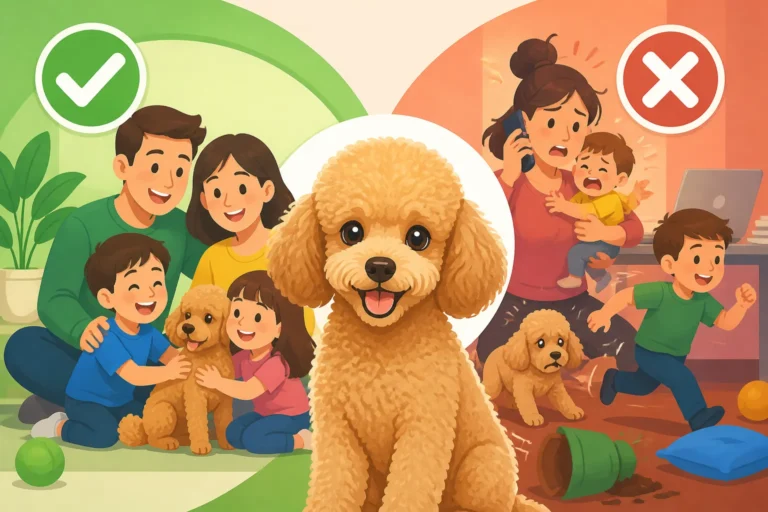
Beyond genetics, the way a Poodle is raised and trained plays an enormous role in its overall demeanor. A Standard Poodle who hasn't been properly socialized or given adequate exercise can be just as boisterous or anxious as a Toy Poodle in similar circumstances. Conversely, a well-socialized and trained Toy Poodle can be a calm, confident companion. Early exposure to different people, places, sounds, and other dogs is crucial for all Poodles. This critical period of Socializing a Poodle Before It Turns Wary helps them develop into well-adjusted adults. Furthermore, consistent positive reinforcement training channels their intelligence into desirable behaviors, making them more adaptable and, yes, often calmer. If a Poodle, regardless of size, isn't given appropriate outlets for its sharp mind and natural energy, you can bet that energy will find its own (often less desirable) ways to be expressed.
Standard Poodles: The Gentle Giants of the Poodle World
Standard Poodles often carry an air of regal composure, leading many to believe they are the epitome of Poodle calmness. While they certainly possess a dignified presence, it's important to understand what contributes to this perception.
Standard Poodle Energy and Exercise Needs
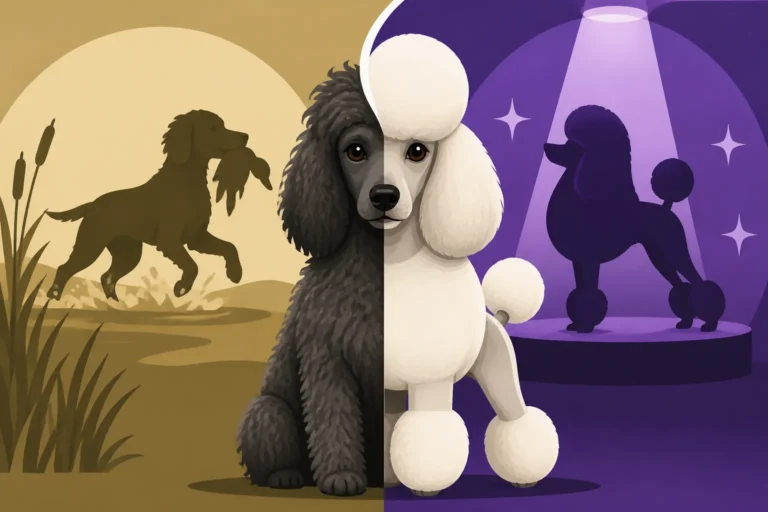
Don't let the "calm" reputation fool you entirely: Standard Poodles are still Poodles, and they absolutely need a good amount of exercise. These are not couch potatoes by any stretch of the imagination. Their original purpose as water retrievers means they have a strong drive for physical activity. A daily long walk, a vigorous game of fetch in the park, or a swim can do wonders for their physical and mental well-being. A neglected Standard Poodle, one that isn't given the opportunity to stretch its powerful legs and engage its mind, can become restless, destructive, or even bark excessively. It’s a common misconception that their size makes them inherently lazy; in reality, they need consistent engagement. Think of it less as a "calm" dog and more of a "satisfied" dog after proper exercise. They thrive on having a job, even if that job is just playing with you.
The Standard Poodle's Calm Demeanor
Once their exercise needs are met, a Standard Poodle often settles into a wonderfully calm and composed state indoors. They are known for being very chill companions within the home, happy to nap at your feet, follow you quietly from room to room, or simply observe the household goings-on. Their larger size means their movements tend to be more deliberate and less frantic than a tiny dog darting underfoot. They have a certain gravitas, a settled nature that exudes confidence without being arrogant. This can certainly be interpreted as calmness, as they are less likely to be constantly demanding attention through overt hyperactivity. This placid indoor presence is what often contributes most to the idea that they are "calmer" than Toy Poodles. They might be just as active outside, but their sheer mass makes their indoor activity feel less intense.
Why a Standard Poodle Seems More "Serious"
Standard Poodles often appear more "serious" or thoughtful due to their size and somewhat reserved nature with strangers. They aren't typically bouncy, effusive greeters with everyone they meet, preferring to assess new situations and people with a quiet dignity before offering their affection. This isn't necessarily a lack of friendliness, but rather a characteristic Poodle trait of being highly intelligent and discerning. They observe, they process, and then they react. Their focused gaze and thoughtful expressions contribute to this perception of seriousness. This reflective quality, combined with their generally serene indoor behavior, reinforces the image of a calm and collected companion. They often have a presence that commands respect, leading people to naturally attribute a sense of calm to them. It's a hallmark of The Poodle Character.
Toy Poodles: Lively Spirits in a Small Package
Toy Poodles, on the other hand, are often viewed as high-strung or perpetually energetic. While they are certainly spirited, this characterization also needs a closer look to understand its origins.
Toy Poodle Energy and Activity Levels
Toy Poodles pack a lot of personality and energy into a small frame! They are certainly not content to be mere lap warmers all day, every day. Like their larger cousins, Toy Poodles are intelligent and active, with a surprising amount of stamina for their size. They love to play, chase toys, and explore. However, because they are so small, their exercise needs can often be met with vigorous indoor play, short walks around the block, or even just running zoomies through the house and yard. A good 20-30 minute walk or play session can often tire them out. Their energy is often expressed in quick, darting movements, which can appear more "hyper" than the longer strides of a Standard Poodle. They are always ready for action, ready to play, and ready to be involved in whatever their people are doing. It's important to remember that Daily Exercise for a Toy Poodle is still crucial, even if it looks different from a Standard's needs.
The Toy Poodle's Feisty Side
Toy Poodles can indeed be quite feisty and bold, often unaware of their small size. They might challenge larger dogs (much to their owners' dismay!) or bark at perceived threats with gusto. This isn't hyperactivity as much as it is a strong, confident personality that doesn't let size dictate its bravery. They are often incredibly alert and make excellent little watchdogs, though this can sometimes translate into excessive barking if not managed. Their keen intelligence means they quickly learn what gets them attention, and if being demanding or lively earns a reaction, they'll lean into it. This vivaciousness is part of their charm, but it can also contribute to the perception of them being less calm. They are often less reserved with strangers than Standards, ready to make friends or demand pets right away.
The Impact of Their Size on Perceived Behavior
A significant reason Toy Poodles are often seen as less calm comes down to their sheer size and how that magnifies their movements and behaviors. A small dog zipping across the room, barking at the doorbell, or jumping up for attention feels more intense than a larger dog performing the same actions. Their small bodies also mean they can easily get underfoot, making their constant activity more noticeable. Furthermore, because they are so portable, they often accompany their owners everywhere, leading to more stimulation and situations where their "liveliness" might be on display. An owner of a Toy Poodle might be more inclined to carry their dog, which, while convenient, can sometimes inadvertently prevent the dog from learning to settle independently. Their tiny bladders also mean more frequent potty breaks, which can feel like constant activity in the early puppy stages. For examples of good tiny dog products, I often browse Chewy for durable toys.
Bridging the Gap: Managing Energy and Temperament
Regardless of whether you have a Standard, Miniature, or Toy Poodle, fostering a calm, well-adjusted companion is largely within your control. It's not about the size of the dog, but the consistency of the care and training.
Meeting Exercise Needs for Both Sizes
The key to a calm Poodle is a tired Poodle. This doesn't mean exhaustion, but rather satisfying their natural physical and mental needs. For a Standard Poodle, this often means at least an hour or two of vigorous activity daily. Think long walks, jogs, fetch, or even dog sports like agility or obedience. Daily Exercise for a Standard Poodle is crucial. For Toy Poodles, while their legs are shorter, their need for activity is still strong. They might enjoy several shorter walks throughout the day, indoor games of fetch, or even joining you for errands in a dog-friendly bag or stroller to experience the world. The goal is to provide enough physical outlet so that when they are inside, they are content to relax. Remember, Poodles were bred to work, and their athleticism, in all sizes, means they need to use their bodies.
| Poodle Size | Typical Exercise Needs | Examples of Activities | Indoor Calmness Post-Exercise |
|---|---|---|---|
| Standard | 60-120 minutes daily | Long walks, jogging, swimming, fetch, hiking, dog sports | Generally calm and settled |
| Toy | 30-60 minutes daily | Short walks, indoor fetch, puzzle toys, supervised play | Can be calm, but prone to bursts of energy |
Mental Stimulation for the Poodle Brain
Poodles are brilliant, and neglecting their minds is just as detrimental as neglecting their bodies. A bored Poodle is often a "naughty" or "hyper" Poodle, regardless of size. Mental Work That Tires a Poodle is essential. This could involve:
- Puzzle toys: Fill them with kibble or treats to make mealtime a brain game. Chewy has a fantastic selection of these.
- Training sessions: Even 10-15 minutes of daily training can be incredibly stimulating. Poodles are quick learners, often picking up new cues in just a few repetitions. Remember Why Poodles Learn a Cue in Five Repetitions.
- Scent work: Hide treats around the house and encourage your Poodle to sniff them out.
- New experiences: Safely introduce them to new places, sounds, and textures.
Keeping their clever brains engaged reduces the likelihood of them inventing their own (undesirable) forms of entertainment, which can often be mistaken for hyperactivity. For example, a Toy Poodle who isn't given enough mental challenges might start barking at shadows, while a Standard Poodle might become destructive.
Training for Calmness, Regardless of Size
Training isn't just about teaching "sit" and "stay"; it's about teaching your Poodle how to exist calmly in your home and in the world. This includes teaching a "place" command, where they learn to go to a specific spot (like a dog bed) and relax, even when there's activity around them. Consistent crate training can also be immensely helpful, teaching them to settle in their own space. This is particularly useful for a Crate Training a Poodle That Wants Company. Desensitization to common household noises and visitors helps prevent alarm barking. For both Standard and Toy Poodles, positive reinforcement methods are key. Harsh corrections can damage their sensitive natures and lead to anxiety, which often manifests as more frantic behavior, not less. By providing clear boundaries, consistent expectations, and ample opportunities for appropriate exercise and mental engagement, any Poodle can learn to be a calm, wonderful companion.
Ultimately, while Standard Poodles might present a more outwardly serene picture simply due to their larger size and more deliberate movements, the underlying Poodle drive for activity and mental engagement is present in all three varieties. A well-exercised, mentally stimulated, and properly trained Toy Poodle can be just as calm indoors as a Standard Poodle, and a neglected Standard Poodle can be just as rambunctious as a Toy. The perceived "calmness" often has more to do with how their energy is expressed and managed by their owners, rather than an inherent difference in their fundamental Poodle temperament. Both sizes are magnificent dogs, full of intelligence and affection, deserving of consistent care that respects their unique needs.
Disclaimer
This article is for general informational purposes only and does not constitute professional advice. Laws, prices and regulations vary by location and change over time. Consult a qualified professional for guidance on your specific situation.