Whether a Poodle Settles Indoors
Many prospective Poodle owners find themselves wrestling with the idea that such an intelligent and often energetic breed might struggle to settle happily and calmly within the confines of a home. They envision a dog that's constantly restless, prone to destructive chewing, or perpetually demanding attention. This comprehensive guide aims to demystify the Poodle's indoor temperament, exploring how these remarkable dogs of all sizes can not only adapt but truly thrive in an indoor setting, provided their fundamental needs for mental and physical engagement are consistently met.
Understanding the Poodle's Indoor Nature
It's a common misconception that Poodles, especially the larger Standard variety, are outdoor dogs that require vast amounts of space to be content. The truth is, Poodles are inherently people-oriented and possess a remarkable adaptability that makes them excellent indoor companions. Their long history as working dogs means they thrive on purpose and engagement, which can be provided just as effectively within a home as in a sprawling yard.
The Poodle's Innate Adaptability
Poodles, across all three sizes, are incredibly intelligent, and this intelligence makes them highly adaptable creatures. They aren't dogs that need acres to roam; rather, they are dogs that need engagement. This engagement comes in many forms, from structured training sessions to interactive play, and even just being close to their human family. They learn routines quickly and are keen observers of household dynamics, making them excellent candidates for integrating seamlessly into family life.
Their desire to be part of the family unit means they typically prefer to be wherever their people are, whether that's lounging on the sofa during movie night or following you from room to room as you go about your day. This isn't clinginess as much as it is a deep-seated bond and an instinct to be involved. A Poodle's happiness is often directly tied to their proximity to their human companions, making indoor living a natural fit for their social nature.
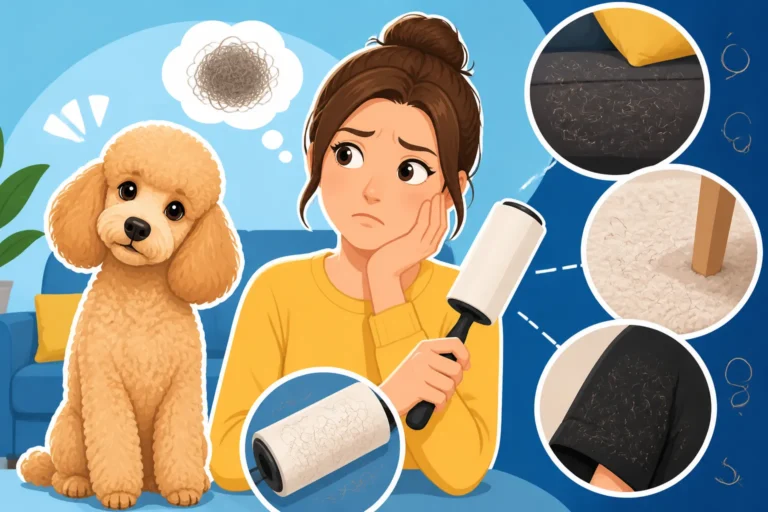
Furthermore, the very nature of their non-shedding, low-dander coat, which many assume makes them high-maintenance for grooming, actually makes them an excellent choice for indoor living. You won't find tumbleweeds of Poodle fur rolling across your hardwood floors, which simplifies house cleaning and makes them more suitable for individuals with allergies. This practicality, combined with their eager-to-please attitude, underscores their suitability as cherished indoor pets.
Distinguishing Energy Levels by Size
While all Poodles share core breed characteristics, their energy levels do vary significantly by size, which naturally impacts how they settle indoors. Understanding these distinctions is crucial for managing expectations and providing appropriate care. What might be sufficient exercise for a Toy Poodle would barely be a warm-up for a Standard.
Poodle Energy by Size is a crucial factor when considering how well they'll settle into your home. Toy Poodles, for instance, often have bursts of frantic energy, dashing around the living room or demanding a game of fetch with a tiny toy. However, these bursts are usually short-lived, and they are generally quite content with indoor play, a short walk, and plenty of lap time. Their small size makes them incredibly easy to exercise indoors with games of retrieve or even just a spirited romp up and down the hallway.
Miniature Poodles sit comfortably in the middle. They possess a good amount of energy that makes them fantastic companions for active families, enjoying both robust outdoor activity and quiet indoor snuggles. They often enjoy longer walks or a good play session in a fenced yard, but they are equally happy to curl up for a nap after their exercise needs are met. Standard Poodles, on the other hand, truly are the athletes of the Poodle family. They have significant stamina and require more structured, vigorous outdoor exercise to be truly calm and settled indoors. Think long runs, hikes, or extensive fetch sessions. It's not about where they expend energy, but that they expend it adequately. Without sufficient exercise, a Standard Poodle's pent-up energy can manifest as restlessness or destructive behaviors inside the home, not because they prefer to be outside, but because they are bored and under-stimulated.
Essential Components for an Indoor Poodle's Well-being
To ensure your Poodle is a calm and contented indoor companion, it’s not enough to simply provide a roof over their head. You must actively engage both their body and their brilliant mind. Neglecting either of these aspects can lead to a Poodle who, despite being physically indoors, is mentally and emotionally unsettled.
Meeting Physical Exercise Requirements
Daily physical activity is absolutely non-negotiable for a Poodle, regardless of their size. It’s the primary way they burn off excess energy, relieve stress, and maintain physical health. For a Poodle to truly settle indoors, that energy needs to be expended productively outside.
Even for the smallest Toy Poodles, daily walks are essential. These aren't just for potty breaks; they're vital for sensory enrichment. Sniffing new smells, seeing different sights, and experiencing the world beyond your four walls provides mental stimulation alongside physical activity. Without these outings, even a tiny Poodle can become stir-crazy, leading to pacing, whining, or even destructive behaviors out of boredom. For Miniature Poodles, longer, brisk walks are in order, perhaps coupled with some off-leash play in a secure park if local regulations allow. They benefit greatly from varying their routes and exploring new environments.
Standard Poodles, being the largest and most athletic, require the most vigorous exercise. They thrive on activities like running, hiking, swimming, or extensive games of fetch in a large, fenced area. An hour to an hour and a half of dedicated, energetic exercise daily is often a good baseline. On days with inclement weather, or if outdoor time is limited, indoor games can supplement but rarely replace proper outdoor exercise. Think of games like hide-and-seek, retrieving toys down a long hallway, or even setting up a mini agility course in a spacious living area. It's about creative movement to keep their bodies active.
Engaging the Poodle Mind Indoors
A Poodle's mind is a powerful engine, and it needs just as much, if not more, engagement than their body. An under-stimulated Poodle, even if physically exhausted, can still be a restless and demanding indoor companion. Their intelligence means they learn quickly, but it also means they get bored quickly with repetitive tasks.
This is where Mental Work That Tires a Poodle becomes absolutely paramount. Puzzle toys, for example, are a Poodle's best friend. These toys require your Poodle to problem-solve to get a treat, tapping into their natural intelligence and hunting instincts. You can find a fantastic selection of these on sites like Chewy, offering various difficulty levels to keep your Poodle challenged. Rotating these toys every few days prevents boredom and keeps them novel and exciting.
Beyond toys, daily training sessions, even short 10-15 minute bursts, can be incredibly enriching. Teaching new tricks, practicing obedience commands in different rooms, or even engaging in scent work (hiding treats for them to find) all provide excellent mental workouts. A Poodle who has spent time thinking and solving problems is often a Poodle who is ready to settle down and nap, much more so than one who has only had physical exercise. Remember, a tired brain leads to a calm dog.
Establishing a Predictable Routine
Poodles, like many dogs, are creatures of habit. They thrive on predictability and knowing what to expect throughout their day. A consistent routine reduces anxiety, builds confidence, and contributes significantly to their ability to settle calmly indoors. When they know when their walks, meals, playtime, and rest times are, they are less likely to fret or act out.
Consistency is particularly vital for house training, especially for a tiny House Training a Toy Poodle. Regular, frequent trips outside, especially first thing in the morning, after meals, and before bed, establish good habits quickly. Any deviation can confuse them and lead to indoor accidents, which can be frustrating for both dog and owner. A clear schedule helps them understand when it's appropriate to relieve themselves and when they need to hold it.
Beyond basic needs, a predictable routine also dictates quiet times. If your Poodle knows that after their evening walk and dinner, it's "settle time," they are much more likely to relax on their bed while you watch TV or read. Conversely, an unpredictable schedule can create an anxious Poodle who constantly seeks attention or tries to instigate play, as they don't have a clear understanding of the household rhythm.
Creating a Harmonious Indoor Environment
Beyond meeting their inherent needs, shaping your indoor environment to be Poodle-friendly and managing their behavior proactively are key steps to fostering a calm and happy house dog. This involves providing comfort, setting clear boundaries, and utilizing their inherent traits to your advantage.
Designated Safe Spaces
Every Poodle, regardless of how much they love being with their family, needs a personal retreat – a designated safe space where they can go to relax, feel secure, and decompress. For many Poodles, this is a crate, but it could also be a comfortable bed in a quiet, low-traffic corner of the house. The key is that it's their space, where they feel safe and undisturbed.
The size of this space is important; a Crate Size for Each Poodle Variety should be large enough for them to stand up, turn around, and lie down comfortably, but not so large that they can potty in one corner and sleep in another. This retreat is particularly valuable after exciting activities, when guests are visiting, or if your Poodle simply needs some alone time away from the hustle and bustle of family life. It teaches them to self-soothe and provides a sense of security.
Ensure their bed is exceptionally comfortable and appropriately sized for their body. For older Poodles or those with joint issues, an orthopedic bed, easily found on platforms like Chewy, can make a world of difference in their comfort and ability to truly relax. This comfort fosters a positive association with their quiet space, encouraging them to seek it out when they need rest.
Managing Indoor Behavior
Proactive management of common Poodle behaviors is crucial for a harmonious indoor life. Their intelligence means they quickly learn what gets attention, both positive and negative, so consistency in your responses is vital. One common concern for Poodle owners is excessive barking. Poodle Barking and Alertness is a natural Poodle trait; they were bred to be alert and will often use their voice to let you know something is amiss.
However, nuisance barking indoors, such as at every passerby or squirrel outside the window, can be managed. Positive reinforcement for quiet behavior, teaching a "speak" and "quiet" command, and managing their access to visual stimuli (e.g., window film) can help. Similarly, discouraging behaviors like counter-surfing or destructive chewing requires vigilance and providing appropriate alternatives. Always ensure your Poodle has access to a variety of safe, durable chew toys to redirect any urge to chew on furniture or personal items.
Teaching a "place" command is incredibly useful for indoor Poodles. This command directs them to go to their designated bed or mat and stay there until released. It's fantastic for managing their presence during mealtimes, when guests arrive, or simply when you need them to be out from underfoot. This control helps to build a respectful relationship and ensures they integrate smoothly into your home life without being a constant demanding presence.
Grooming as Part of Indoor Management
While often seen as a separate chore, regular grooming is an integral part of maintaining a calm and comfortable indoor Poodle. A Poodle that is well-groomed is not only more comfortable in their own skin but also contributes to a cleaner indoor environment. Their unique coat, while non-shedding, is prone to matting, which can become painful and restrictive if neglected.
Regular brushing, ideally daily or every other day, is crucial for preventing mats and keeping their coat healthy. This also removes loose debris, dirt, and allergens, reducing what they track into your home. A clean coat is a happy coat, and a comfortable Poodle is a settled Poodle. If their coat is matted and pulling, they will be uncomfortable, restless, and unable to truly relax.
Training a Poodle to Enjoy Grooming transforms this necessary task from a battle into a bonding experience. Start early, using positive reinforcement, gentle handling, and high-value treats. Introduce tools gradually, making it a pleasant routine rather than a dreaded event. Good quality grooming tools, from slicker brushes and Greyhound combs to pin brushes, which you can easily find at pet supply retailers like Chewy, are essential for making the process efficient and comfortable for your Poodle. When your Poodle is accustomed to and comfortable with regular grooming, it becomes a peaceful, almost meditative interaction that further solidifies their acceptance of indoor routines.
Addressing Specific Challenges for Indoor Poodles
Even with the best intentions and consistent effort, Poodles can present unique challenges in an indoor setting. Their sensitive nature and strong bonding instincts, combined with their intelligence, can sometimes lead to behaviors that require targeted solutions. Understanding these potential pitfalls allows you to address them proactively and maintain a calm household.
Combatting Separation Anxiety
Poodles are renowned for forming incredibly strong bonds with their human companions, often earning them the nickname "Velcro dogs." This deep attachment, while endearing, can sometimes lead to Separation Anxiety in a Velcro Poodle when left alone. A Poodle experiencing separation anxiety can be destructive, vocal, or even self-harming, making indoor settling impossible for both dog and owner.
Addressing separation anxiety requires patience and a systematic approach. It often involves gradual desensitization: starting with very short absences (just seconds, then minutes) and slowly increasing the duration. The goal is to teach your Poodle that being alone is not a cause for panic but a normal, temporary part of their routine. Providing engaging, long-lasting puzzle toys or chews just before you leave can help create a positive association with your departure.
A consistent "go to your spot" or "crate up" command, given calmly before you leave, can also signal that your departure is temporary, not abandonment. Avoid making a big fuss when you leave or return; instead, keep hellos and goodbyes low-key to minimize the emotional drama surrounding your comings and goings. This helps to reduce the perceived high stakes of your absence.
Handling Adolescent Energy Indoors
Adolescence is a challenging phase for any dog owner, and Poodles are no exception. Regardless of their size, adolescent Poodles (roughly between six months and two years old, depending on the individual) can experience a surge of energy and an inclination to test boundaries, which can manifest as restless or destructive behavior indoors. Those sudden bursts of "zoomies" might become more frequent, or they might seem to "forget" their training.
This period demands increased patience, consistency, and a renewed focus on channeling their energy productively. Increased structured exercise is vital; a tired adolescent Poodle is less likely to engage in unwanted indoor antics. This might mean longer walks, more vigorous play, or introducing them to dog sports to burn off that adolescent exuberance. Just as important is consistent mental stimulation. Engaging their minds with new tricks, advanced obedience, or scent games helps to tire them out mentally, which is often more effective than purely physical exercise in calming an adolescent.
Reinforce good indoor manners relentlessly during this time. Redirect any unwanted chewing to appropriate chew toys, perhaps special long-lasting options from Chewy that can stand up to an adolescent's strong jaws. Consistency in your expectations and reactions is key to guiding them through this phase and back into being a settled, well-behaved indoor companion.
Adjusting to the Pace of Senior Poodles
As Poodles gracefully enter their golden years, their indoor needs and habits naturally shift. Their boundless energy begins to wane, and they often become even more content to be a quiet, comforting presence in the home. However, "settling indoors" for a senior Poodle means ensuring their comfort and continued engagement in ways appropriate for their age.
Provide extra-comfortable bedding that supports their joints. Beds That Suit a Standard Poodle (and all sizes) become critically important for older dogs who may suffer from arthritis or other age-related aches and pains. Ensure their favorite resting spots are easily accessible and free from drafts. Keep their routine predictable, as changes can be more unsettling for senior dogs.
While their physical exercise needs will decrease, mental stimulation remains crucial to keep their minds sharp and prevent cognitive decline. Gentle, shorter walks allow them to still enjoy the outdoors and sniff new smells. Indoor puzzle toys, gentle training refreshers, or simple scent games can keep their brains active without overexertion. Maintaining this balance ensures that your senior Poodle remains a happy, comfortable, and settled member of your indoor family, cherishing their quiet comfort.
| Poodle Size | Typical Indoor Energy Contribution | Daily Outdoor Exercise Requirement | Mental Stimulation Needs | Optimal Indoor Space |
|---|---|---|---|---|
| Toy | Moderate (short bursts) | 20-30 minutes | High | Small apartment, condo, house |
| Miniature | Moderate-High | 30-45 minutes | High | Apartment, house |
| Standard | High | 60-90+ minutes | Very High | House with yard access (ideal) |
Disclaimer
This article is for general informational purposes only and does not constitute professional advice. Laws, prices and regulations vary by location and change over time. Consult a qualified professional for guidance on your specific situation.