When the Toy Poodle Was Standardized
It's quite common for new poodle owners, or even those just admiring these elegant dogs, to wonder about the history of their beloved companions. Many assume that the tiny Toy Poodle we know today has always existed in its current form, a neat, self-contained package of charm. But the truth is, the journey to standardize the Toy Poodle was a fascinating and intentional process, driven by changing societal tastes and dedicated breeders. This guide will walk you through how this adorable variety came to be formally recognized and why it matters for the breed today.
The Poodle's Evolutionary Path to Smaller Stature
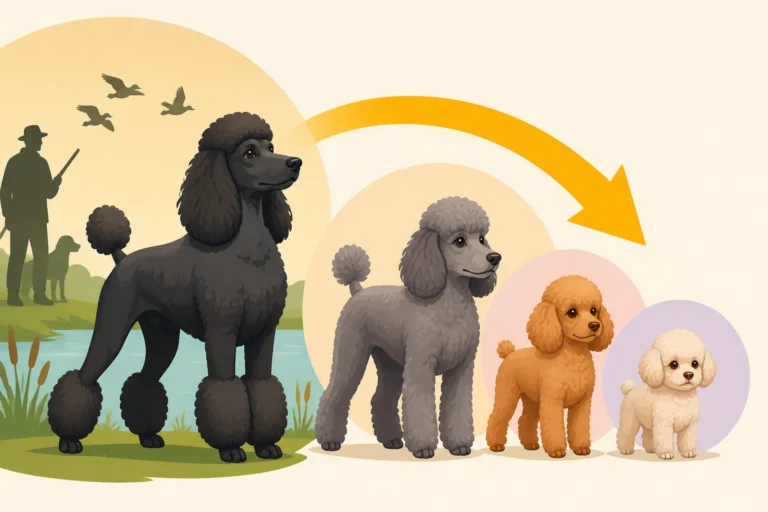
The Poodle, in its original form, was far from the dainty lapdog many picture. It began as a robust, athletic water retriever in Germany, a job that required strength, intelligence, and a coat that could withstand harsh conditions. If you've ever dug into the breed's roots, you know the term "Pudel" in German means "to splash," clearly referencing its aquatic heritage. You can read more about The Water Dog Behind the Poodle if you're curious about their working past.
However, as society evolved, so did the roles dogs played in human lives. As early as the 17th and 18th centuries, there was a growing desire among European aristocracy for smaller, more manageable canine companions. These smaller dogs could fit into fashionable carriages, adorn grand drawing rooms, and provide affectionate company without the demands of a working dog. This shift in preference laid the groundwork for the miniaturization of the Poodle.
From Water Retriever to Lapdog: A Shift in Purpose
The transition from a duck hunter to a cherished companion animal wasn't an overnight phenomenon. It was a gradual evolution, driven by selective breeding aimed at reducing the Poodle's overall size while retaining its characteristic intelligence, elegant appearance, and distinctive coat. Breeders started to select smaller individuals from their litters, breeding them together to consistently produce offspring that met the new demand for pint-sized pups.
This desire for smaller dogs wasn't just a fleeting trend; it reflected a broader change in lifestyle. Urbanization meant less space for large working dogs, and the rise of companion animals meant a focus on traits like trainability, portability, and charm. The Poodle, with its keen mind and willingness to please, was perfectly suited for this new role, even if it meant a drastic change from its original purpose.
Early Miniaturization Efforts: Paving the Way for Toys
The first step in this miniaturization journey led to the creation of the Miniature Poodle. These dogs were still larger than the Toys but significantly smaller than their Standard ancestors, making them ideal for many homes that couldn't accommodate a large working dog but still wanted an active, intelligent companion. If you're interested in that specific timeline, there's a great article on When the Miniature Poodle Appeared.
Once the Miniature Poodle was established, breeders continued their work, pushing for even smaller sizes. This was a delicate process, as they aimed to create truly miniature versions of the Poodle without sacrificing the breed's health, temperament, or overall structure. They weren't simply breeding runts; they were carefully selecting for generations to achieve a consistent, healthy smaller size. This period saw a lot of experimentation and dedication, as breeders strived to achieve a dog that was both tiny and undeniably Poodle.
Formally Defining the Toy Poodle: The Age of Standardization
The late 19th and early 20th centuries were pivotal for many dog breeds, as kennel clubs emerged and began to formalize breed standards. Before this, variations within breeds were much more common. But with the rise of dog shows and official registries, there was a concerted effort to define what an "ideal" example of each breed should look like, encompassing everything from size and coat texture to temperament and gait. For the Toy Poodle, this era was crucial in cementing its identity.
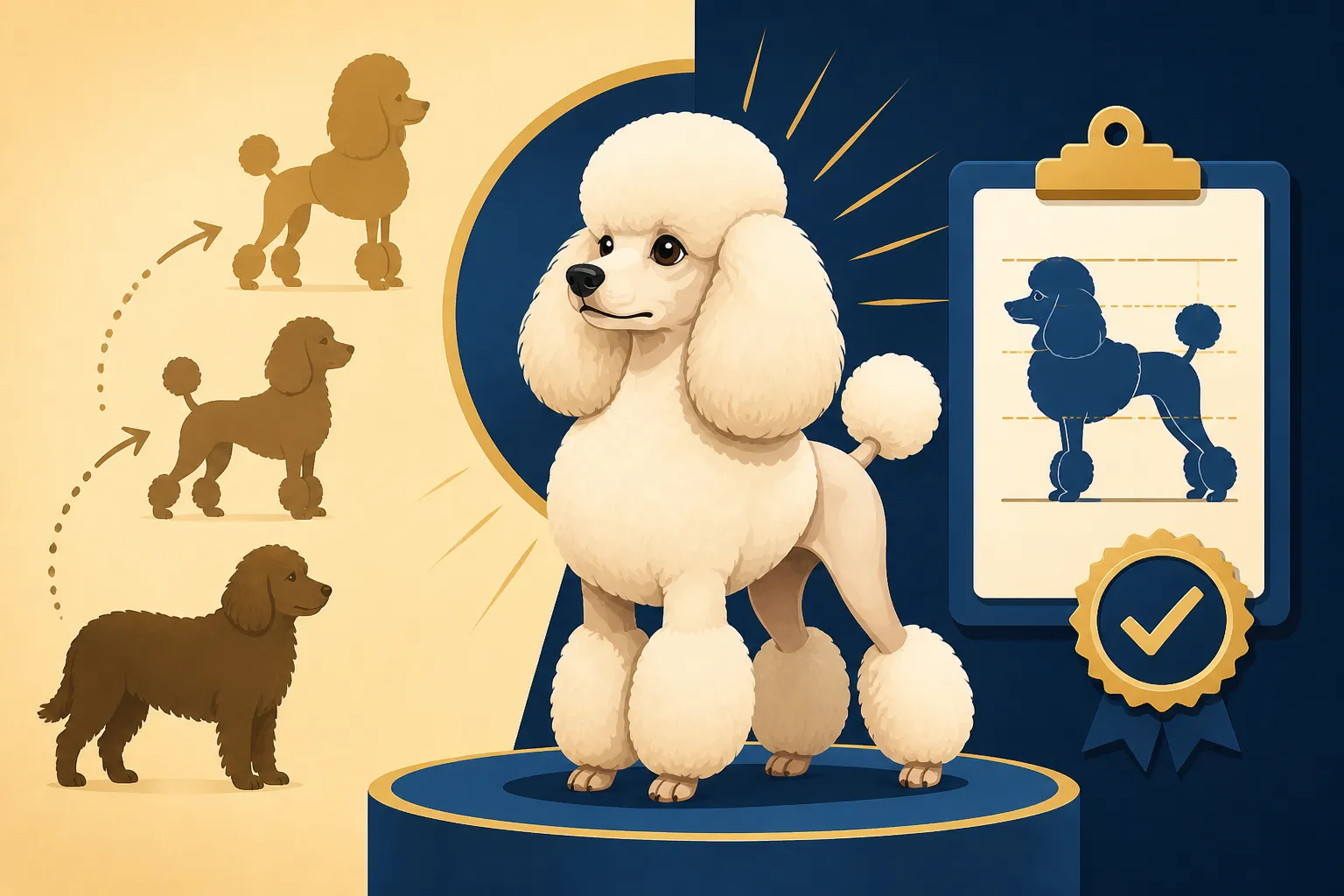
It was during this period, around the early 1900s, that the Toy Poodle truly began to solidify as a distinct variety with its own formal standard. Breeders worked closely with emerging kennel clubs to establish specific guidelines that would differentiate the Toy Poodle from its larger Miniature and Standard counterparts. This meant setting clear height and weight limits and ensuring that, despite its reduced size, the Toy Poodle still embodied all the classic Poodle traits.
Defining the Toy Poodle Standard: Measurements and Traits
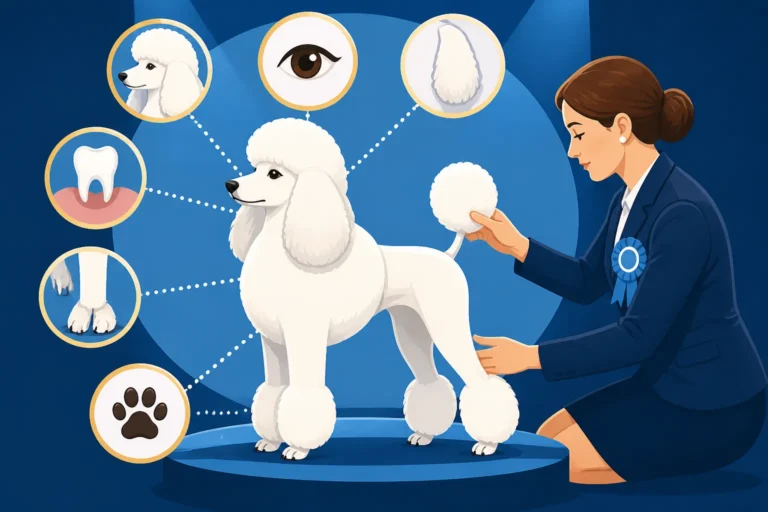
The formal standardization of the Toy Poodle involved detailed descriptions of its physical characteristics. The most critical aspect, of course, was size. Kennel clubs established a maximum height for the Toy Poodle, typically around 10 inches at the shoulder. Any Poodle exceeding this height would be considered a Miniature Poodle. This clear demarcation was vital for maintaining distinct categories within the breed. For a full breakdown of the size categories, check out Height Limits That Divide the Three Poodles.
Beyond size, the standard outlined other essential traits:
- Coat: The dense, curly, non-shedding coat was, and remains, a hallmark.
- Conformation: The elegant, well-proportioned body, long neck, and proud carriage were emphasized.
- Head: The long, straight muzzle, dark intelligent eyes, and long, flat, drop ears were all carefully described.
These detailed descriptions provided a blueprint for breeders, guiding their efforts and ensuring consistency across the variety. This meant that a Toy Poodle recognized in one region would closely resemble a Toy Poodle recognized elsewhere, fostering a unified image for the breed. If you're wondering if they're all the same breed, we dive into Whether the Three Poodle Sizes Are One Breed in another article.
The Role of Kennel Clubs and Dedicated Breeders
Kennel clubs, like the American Kennel Club (AKC) and other international organizations, played a monumental role in this standardization. They provided the framework for registration, dog shows, and the publication of official breed standards. Breeders, passionate about their dogs, adhered to these standards, often making significant sacrifices to ensure their breeding lines produced poodles that fit the ideal.
This collaboration between breeders and kennel clubs was essential for moving the Toy Poodle beyond just a "small Poodle" to a recognized, distinct variety. It meant that a serious breeder could look at the standard and understand precisely what they should be striving for. It also meant that puppy buyers could have a reasonable expectation of what their Toy Poodle puppy would grow up to be, both in terms of appearance and temperament, something you might explore further in What a Toy Poodle Breeder Screens For.
The Impact of Standardization on the Breed
The formal standardization of the Toy Poodle had far-reaching effects, solidifying its place in the canine world and influencing everything from breeding practices to its public perception. It wasn't just about drawing lines in the sand for height; it was about protecting the integrity of this emerging variety.
Before standardization, there might have been more variability in size, temperament, and health among smaller poodles. Without a clear goal, some breeders might have prioritized extreme smallness over robust health. Standardization, however, encouraged a more responsible approach, emphasizing health and temperament alongside desired physical traits.
Preserving Type and Health: The Benefits of a Formal Standard
One of the most significant benefits of standardization was the preservation of the Poodle's characteristic "type." Despite being tiny, the Toy Poodle was expected to look and behave like a Poodle. This meant maintaining the breed's iconic coat, its intelligent expression, and its dignified gait. It wasn't just a generic small dog; it was unmistakably a Poodle.
Moreover, formal standards, especially when accompanied by ethical breeding guidelines, can help promote healthier dogs. While no breed is entirely free from health concerns, reputable breeders working within a standard strive to produce dogs that are not only beautiful but also sound. They test for genetic conditions and select breeding pairs carefully, ensuring the long-term vitality of the breed. This dedication is part of What a Poodle Breeder Must Test For.
Popularity and the Modern Toy Poodle
With its official recognition and established standards, the Toy Poodle's popularity soared, particularly in the mid-20th century. Its small size, intelligence, and relatively low-shedding coat made it an ideal companion for apartment dwellers, seniors, and families looking for a charming, portable pet. The defined standard gave prospective owners confidence in what they were bringing into their homes.
Today, the Toy Poodle remains incredibly popular. You can find everything from specialized food to tiny beds for them on sites like Chewy, a testament to their enduring appeal. The careful work of those early breeders and kennel clubs ensured that this delightful companion variety would thrive, becoming a beloved fixture in homes around the globe. Many people consider The Poodle as a Breed to be a truly versatile and exceptional canine.
The Toy Poodle in Contemporary Times
The legacy of the Toy Poodle's standardization is evident in the breed today. We have a clear, consistent image of what a Toy Poodle should be, and while individual dogs will always have their unique personalities, the core traits remain. This allows for predictability, which is a huge comfort for anyone considering adding a Poodle to their family.
However, the world of dog breeding is always evolving. While the three official sizes (Standard, Miniature, and Toy) are well-established, there are always ongoing discussions about intermediate sizes, like the Moyen Poodle, which fall between the Miniature and Standard categories. Yet, for the Toy Poodle, its place is firmly cemented.
Continuing the Legacy: What Modern Breeders Aim For
Modern Toy Poodle breeders continue the work started over a century ago. They strive to produce puppies that not only meet the physical standard but also possess the excellent temperament and intelligence that Poodles are renowned for. This means prioritizing health testing, careful socialization, and selecting breeding pairs that complement each other.
The goal isn't just to make the smallest dog possible, but to produce a healthy, happy, and well-adjusted companion that embodies the essence of the Poodle breed. This dedication ensures that the Toy Poodle remains a vibrant and cherished part of the canine world for generations to come. They understand The Poodle Character intimately. When selecting supplies for their pups, many breeders trust reputable retailers like Chewy for quality food and grooming products.
Understanding Poodle Size Categories
Understanding the specific standardization of the Toy Poodle helps us appreciate the distinct nature of all three Poodle varieties. Each size, from the towering Standard to the compact Toy, has its own unique history and development, yet all share that unmistakable Poodle flair. The standardization process gave each variety its own clear identity, which is essential for preserving the breed's diversity and health.
| Poodle Variety | Approximate Height at Shoulder | General Purpose (Historical) | Key Standardization Period |
|---|---|---|---|
| Standard | Over 15 inches | Water Retriever, Hunter | 17th-18th Century Europe |
| Miniature | 10 to 15 inches | Companion, Truffle Hunter | Late 19th Century |
| Toy | Under 10 inches | Lapdog, Companion | Early 20th Century |
This table helps illustrate the clear distinctions that were formally established. It's a testament to the meticulous efforts of breeders and kennel clubs that we have such well-defined categories within The Poodle as a Breed. Whether you have a tiny Toy or a magnificent Standard, knowing their history adds another layer of appreciation for these incredible dogs. For everyday needs, from specialty diets for different sizes to fun toys, Chewy offers a wide array of products designed for every Poodle.
Disclaimer
This article is for general informational purposes only and does not constitute professional advice. Laws, prices and regulations vary by location and change over time. Consult a qualified professional for guidance on your specific situation.