Socializing a Poodle Before Shots Finish
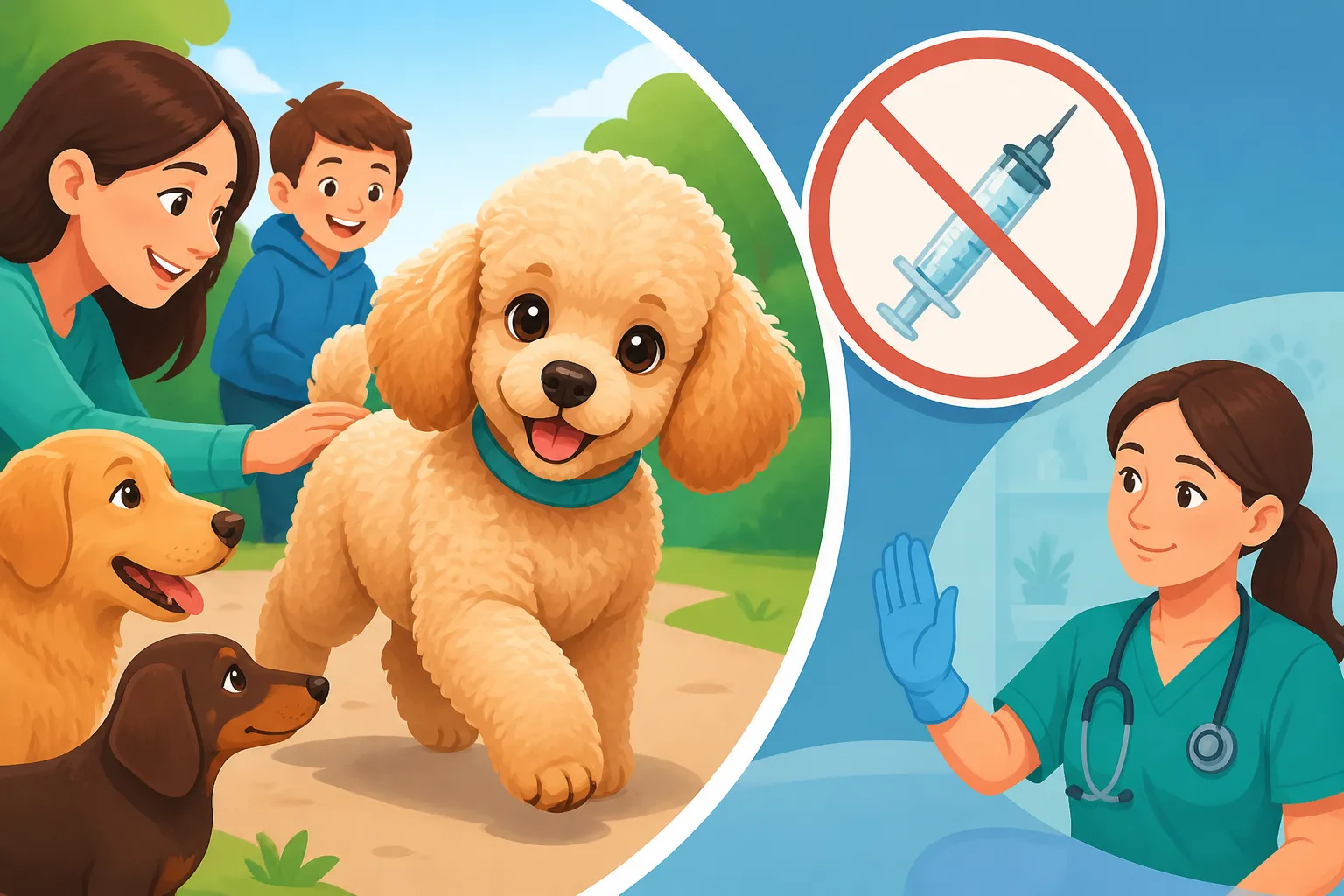
Bringing home a Poodle puppy is an absolute joy, but it also comes with a unique set of worries, especially regarding their early development. Many new owners feel caught in a frustrating dilemma: knowing how crucial early socialization is for a well-adjusted dog, while simultaneously being told to keep their unvaccinated puppy isolated to protect them from serious diseases. This guide is here to walk you through safe, effective strategies to socialize your sensitive Poodle puppy, ensuring they get the vital early experiences they need without risking their health before their full vaccination series is complete.
The Critical Window and the Vaccination Dilemma
It's a genuine head-scratcher for new Poodle parents. You've brought home this adorable, fluffy bundle of intelligence, and everyone tells you how important it is to expose them to the world. Yet, your vet also rightly warns you about the very real dangers lurking out there. It feels like you're being asked to choose between physical health and mental well-being, but with a thoughtful approach, you don't have to.
Why Early Socialization is Non-Negotiable for Poodles
Poodles, regardless of their size – Standard, Miniature, or Toy – are renowned for their intelligence and sensitivity. This makes them incredibly receptive to training and bonding, but it also means they can become timid, wary, or even reactive if not properly introduced to the world during their critical socialization window. This window typically closes around 16 weeks of age, and it's during this time that puppies form their fundamental understanding of what is safe and normal in the world. If a Poodle doesn't encounter a wide variety of people, sounds, sights, and other friendly animals during these formative weeks, they can develop anxieties and fears that are much harder to overcome later in life. We're talking about a breed that can be prone to nervousness if not handled correctly, and missing out on early positive experiences can set a Poodle up for a lifetime of unnecessary stress. You want your Poodle to be confident and well-adjusted, not shrinking from every new experience. This crucial period truly sets The Weeks That Set a Poodle's Nerve.
Understanding the Risk: Parvovirus and Distemper
The reason your veterinarian is so insistent on limiting outdoor exposure before full vaccination isn't to be overly cautious; it's because diseases like Canine Parvovirus and Distemper are incredibly serious, highly contagious, and often fatal for puppies. Parvovirus can live in the environment for months, resistant to many common disinfectants, and can be brought home on shoes or clothing. Even a brief sniff of an infected spot in a park can be enough. Distemper is equally devastating, affecting multiple body systems. Puppies have immature immune systems and are particularly vulnerable. While the desire to socialize is strong, ignoring these risks is simply not an option. It's about finding that balance between safety and exposure, understanding the gravity of what you're protecting your Poodle from while still working to Socializing a Poodle Before It Turns Wary. A robust Poodle Vaccination and Preventive Schedule is your puppy's best defense.
Safe Socialization Strategies Indoors
Since wide-open public spaces are off-limits, it's time to get creative with your home environment and carefully selected guests. The goal here is to introduce a variety of safe stimuli and positive experiences within your puppy's protected bubble.
Hosting Controlled Puppy Playdates
One of the best ways to introduce your Poodle puppy to other dogs safely is through controlled playdates. This isn't just about fun; it's about learning appropriate canine social cues, bite inhibition, and confidence building. However, "controlled" is the key word here.
- Vet the guests: Only invite fully vaccinated, healthy adult dogs with calm temperaments who are known to be good with puppies. Their owners must also be diligent about their dogs' health. Avoid dogs that are rambunctious or overly dominant, as a bad experience can do more harm than good to a sensitive Poodle puppy.
- Keep it short and sweet: Puppy play sessions should be brief, supervised, and positive. Fifteen to twenty minutes might be plenty for a young pup. Watch your Poodle's body language closely – are they having fun, or are they overwhelmed? Reading a Poodle's Body Language is vital.
- Neutral territory (or your home): Your home is generally the safest bet. Ensure the area is clean and disinfected before and after the playdate. Keep plenty of toys handy to redirect over-excitement and water available.
Exposing Your Poodle to Novel Sights, Sounds, and Textures
Your home might seem familiar to you, but for a new puppy, it can be a world of endless discovery – and opportunities for socialization!
- Sounds: Play a variety of recorded sounds at low volumes, gradually increasing intensity if your puppy remains relaxed. Think city traffic, baby crying, thunder, fireworks, sirens, construction noises, and different musical genres. There are many desensitization tracks available online. This helps your Poodle build resilience to Sound Work for a Noise-Sensitive Poodle later in life. You can even find sound machines on Amazon that offer a wide range of ambient noises.
- Sights: Introduce new objects in the environment. Umbrellas opening, people wearing hats or sunglasses, different colored blankets, walking sticks, even a rolling suitcase. Let your Poodle investigate at their own pace.
- Textures: Lay out various materials for your puppy to walk on: bubble wrap, cardboard, aluminum foil (supervised), a piece of astroturf, a rubber mat, a metal cookie sheet. The more diverse sensations they experience underfoot, the more adaptable they'll be.
- People: Invite a diverse group of fully vaccinated, healthy friends and family over. People of different ages, genders, and appearances. Have them sit on the floor, offer treats, and engage in gentle play. Ensure all interactions are positive and don't overwhelm your Poodle.
The Power of Online Training and Enrichment
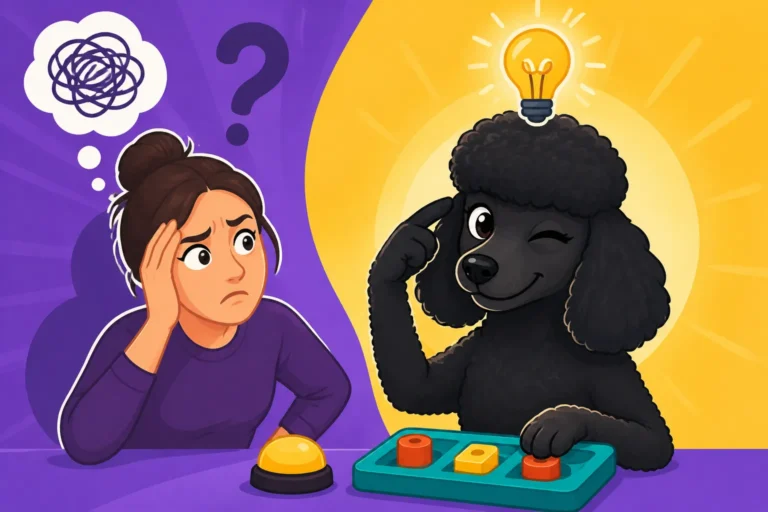
While you're waiting for those final vaccinations, your Poodle's intelligent mind is still craving stimulation. Online training programs can be a fantastic way to bond with your puppy, teach foundational skills, and keep them mentally engaged.
- Structured learning: Platforms like BAXTER & Bella offer comprehensive online puppy programs that guide you through critical early training, from potty training to basic obedience, all from the safety of your home. These programs often include video tutorials, live Q&A sessions, and a supportive community, allowing you to build skills and confidence with your puppy without requiring public classes.
- Puzzle toys and enrichment: Invest in a variety of puzzle toys that dispense treats. These encourage problem-solving and keep that clever Poodle brain busy. Snuffle mats, treat-dispensing balls, and Kongs stuffed with safe foods are excellent choices. A mentally stimulated Poodle is often a happier, calmer Poodle. If a clever Poodle gets bored you'll see undesirable behaviors, so mental exercise is key.
- Virtual puppy parties: Some online communities even host virtual puppy parties where owners share videos and tips. While not a substitute for in-person interaction, it can offer a sense of community and ideas for novel indoor experiences.
Safe Socialization Strategies Outdoors Without Ground Contact
You don't have to keep your puppy entirely confined. There are safe ways to expose them to the outside world and all its fascinating stimuli without letting them walk on potentially contaminated ground.
Carrying Your Poodle in Public Spaces
This is probably one of the most effective and safest ways to expose your Poodle puppy to the sights, sounds, and smells of the world without putting them at risk.
- Invest in a carrier or sling: A comfortable, secure puppy carrier or sling is your best friend here. It allows your Poodle to observe the world from a safe height, feeling protected and close to you.
- Choose low-risk environments: Think about places where other dogs are unlikely to have been on the ground, or where the risk is minimal. Quiet hardware stores, outdoor cafes where you sit on a patio (your puppy in the carrier on your lap, never on the ground!), or a friend's backyard (after ensuring no unvaccinated dogs have been there recently). Even just sitting on a park bench, holding your Poodle, and watching people, bicycles, and squirrels pass by can be incredibly beneficial. Avoid dog parks, pet store floors, or busy walking trails where dog traffic is high.
- Positive associations: While carrying your Poodle, offer small, high-value treats and praise. You want them to associate these new experiences with positive feelings. A gentle stroke, a calming voice, and a tasty reward will go a long way in building confidence. Remember, the goal is observation, not interaction with the environment itself.
Car Rides and Window Shopping
Your car can become a mobile socialization unit!
- Short, sweet car rides: Start with very short drives around your neighborhood. Just a few minutes at first, gradually increasing the duration. The motion, the changing scenery, and the sounds of traffic are all new experiences. Make it positive with a favorite chew toy or a special treat. This can also help prevent Car Sickness in a Toy Poodle later.
- "Window shopping" from the car: Drive to busy areas like shopping centers, schoolyards (when children are present but at a safe distance), or even just park and watch people come and go. Keep your puppy in their secured carrier or seatbelt harness so they can safely observe the activity from the car window. The idea is to expose them to the general hustle and bustle of human life without direct contact.
Meeting Vaccinated Adult Dogs on Leash
While full-blown playdates are for known vaccinated dogs, you can still facilitate safe, brief introductions to other friendly, fully vaccinated adult dogs in a highly controlled manner.
- Choose your partners wisely: Ask friends or neighbors with calm, healthy, fully vaccinated adult dogs if they would mind a very brief, leashed introduction. The interaction should be supervised, short, and positive.
- Maintain distance and a barrier: Keep your Poodle in your arms or carrier. Allow the adult dog to calmly approach and sniff your puppy while you hold them. This gives your puppy the scent and visual experience of another dog without them touching potentially contaminated ground or engaging in nose-to-nose contact until they're fully protected. Think of it as a controlled "meet and greet" from a distance. For A Toy Poodle Around Larger Dogs, this controlled environment is especially important.
- Focus on positive reinforcement: Offer treats to both dogs for calm behavior. The goal is a relaxed, brief encounter that leaves both dogs feeling good about the interaction.
Avoiding High-Risk Situations
Knowing what to do is important, but knowing what not to do is equally critical for your Poodle puppy's safety.
Places to Absolutely Avoid
When your Poodle puppy hasn't completed their full vaccination series, certain places are simply too risky due to high concentrations of unknown dogs and potential pathogen exposure.
- Dog parks: These are absolute no-go zones. They are breeding grounds for diseases, and you have no way of knowing the vaccination status or health of the dogs present.
- Pet store floors: While pet stores often host puppy classes, the general shopping area is frequented by many dogs. Keep your puppy in your arms or a cart if you must visit.
- Communal dog walking trails: Similar to dog parks, these areas see a lot of dog traffic and can harbor viruses. Stick to pavement or clean, low-traffic areas for carried outings.
- Veterinary clinic floors: Until fully vaccinated, carry your puppy into the clinic and keep them off the floor. The waiting room and exam rooms can be contaminated. This is often the first place new owners are tempted to put their pup down, but it's one of the riskiest.
Recognizing Stress Signals in Your Poodle Puppy
Poodles are intelligent and sensitive, which means they can be easily overwhelmed or become anxious if socialization isn't handled carefully. It's crucial to be a keen observer of your puppy's body language during these exposures.
- Subtle cues: Look for subtle signs of stress like lip licking, yawning (when not tired), turning their head away, avoiding eye contact, tail tucked low, ears flattened back, or even a sudden urge to scratch.
- Escalated signals: If these go unheeded, your puppy might start to whine, try to hide, tremble, or even attempt to nip if cornered and feeling threatened.
- Your role: If you notice any signs of discomfort or fear, remove your Poodle from the situation immediately. The goal is positive exposure, not forced endurance. A negative experience can set back your socialization efforts significantly. Always prioritize their comfort and safety over "getting them exposed" to everything. You're teaching them the world is safe, not scary.
The Role of a Reputable Breeder in Early Socialization
A good foundation starts even before your puppy comes home. A reputable Poodle breeder will have already begun the socialization process, setting your puppy up for success.
- Early handling: They will have exposed puppies to various sights, sounds, and gentle handling from birth. This includes different textures, light vacuum noise, and being picked up and cuddled by different people.
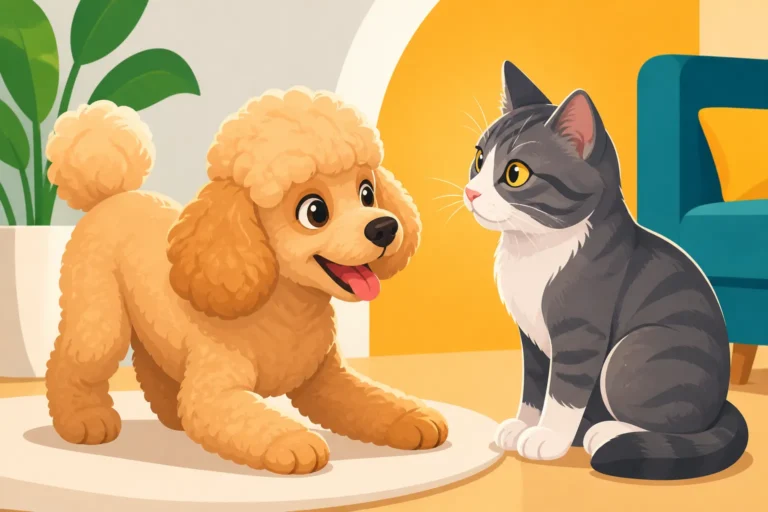
- Exposure to other animals: A breeder's home might introduce puppies to other calm adult dogs (their mother, grandmother, etc.) and even household cats in a supervised way, helping with A Poodle Meeting the Household Cat.
- Clean environment: A responsible breeder maintains a meticulously clean environment, minimizing the risk of disease even before the puppies begin their vaccination series.
- Puppy culture protocols: Many excellent breeders follow specific "Puppy Culture" or similar protocols that guide early neurological stimulation and age-appropriate socialization, recognizing that every day in that critical window counts. When looking for a puppy, always ask What a Poodle Breeder Must Test For and what their early socialization practices entail.
Remember, the goal is always quality over quantity. A few carefully managed, positive experiences are far more valuable than many overwhelming or risky ones. Be patient, be vigilant, and enjoy these precious early weeks with your intelligent and sensitive Poodle puppy.
| Socialization Activity | Risk Level (Pre-Vaccination) | Recommended Approach |
|---|---|---|
| Indoor Activities | ||
| Controlled Puppy Playdates | Low | Invite only fully vaccinated, calm, known adult dogs to your clean home. Supervise closely, keep sessions short and positive. |
| Novel Sights, Sounds, Textures | Very Low | Introduce various household objects, play desensitization sound recordings at low volume, let puppy explore different safe floor textures. |
| Meeting Diverse People | Low | Invite healthy, fully vaccinated friends/family for gentle, positive interactions (sitting on floor, offering treats). |
| Online Training/Enrichment | None | Utilize online platforms for training, provide puzzle toys, snuffle mats for mental stimulation. |
| Outdoor Activities | ||
| Carrying in Public Spaces | Low | Use a secure carrier or sling. Visit hardware stores, quiet outdoor cafes, park benches. Focus on observation, prevent ground contact, offer treats. |
| Car Rides / Window Shopping | Low | Short, positive car trips for motion and visual exposure. Park and observe bustling areas from inside the car. |
| Meeting Leashed Adult Dogs | Low (if controlled) | Brief, controlled introductions to known, calm, fully vaccinated adult dogs on leash in a safe, clean area (e.g., friend's backyard). Puppy remains in arms/carrier. |
| High-Risk Activities | ||
| Dog Parks | High | AVOID COMPLETELY. High disease transmission risk, unpredictable dog temperaments. |
| Pet Store Floors | High | AVOID GROUND CONTACT. Carry puppy in arms or cart; do not let them walk on the floor. |
| Communal Dog Trails | High | AVOID COMPLETELY. High dog traffic means high risk of pathogen exposure. |
| Vet Clinic Floors | High | AVOID GROUND CONTACT. Carry puppy into and out of the clinic until fully vaccinated. |
Disclaimer
This article is for general informational purposes only and does not constitute professional advice. Laws, prices and regulations vary by location and change over time. Consult a qualified professional for guidance on your specific situation.