Feeding a Toy Poodle Puppy
Bringing home a tiny Toy Poodle puppy is an absolute joy, but it can also come with a heap of worries, especially when it comes to what and how much to feed such a delicate little creature. You’re suddenly responsible for a tiny fluffball with a surprisingly big appetite, and navigating the world of puppy nutrition can feel overwhelming, with so much conflicting advice out there. This guide is here to cut through the confusion and provide a comprehensive, empathetic approach to confidently feeding your precious Toy Poodle puppy, ensuring they grow up healthy, happy, and full of life.
The Unique Nutritional Needs of a Toy Poodle Puppy
When you look at a Toy Poodle puppy, their small stature and delicate appearance might make you think they need less, or simply scaled-down versions, of what larger dogs eat. But it's actually much more nuanced than that. Their miniature size comes with specific physiological differences that demand a carefully tailored nutritional approach, especially in those crucial first months. Understanding these unique needs is the first step to becoming a truly excellent Poodle parent.
Why Small Breeds Need Different Food
It might seem obvious that a Toy Poodle puppy, weighing only a few pounds, shouldn't eat the same type of kibble designed for a German Shepherd puppy. But it's not just about the size of the kibble piece. Small breed puppies, including our beloved Toy Poodles, mature much faster than their larger counterparts. This rapid growth spurt means they have a higher metabolic rate and require a more calorie-dense diet. Their bodies are working overtime, packing on muscle and developing bones at an incredible pace, and they need fuel to match that energy expenditure.
Think about it this way: a tiny engine running at high RPMs needs a different kind of fuel than a large, slow-moving engine. The formulation of small breed puppy food takes this into account, providing concentrated nutrients in smaller, more manageable portions. It's often richer in protein and fat to support that intense growth and energy level. The kibble pieces themselves are also appropriately sized for their tiny mouths and developing teeth, making it easier for them to chew and digest. Trying to feed them large breed puppy food could not only lead to nutritional deficiencies but also potential choking hazards or digestive upset.
Fast Metabolism, Tiny Stomach
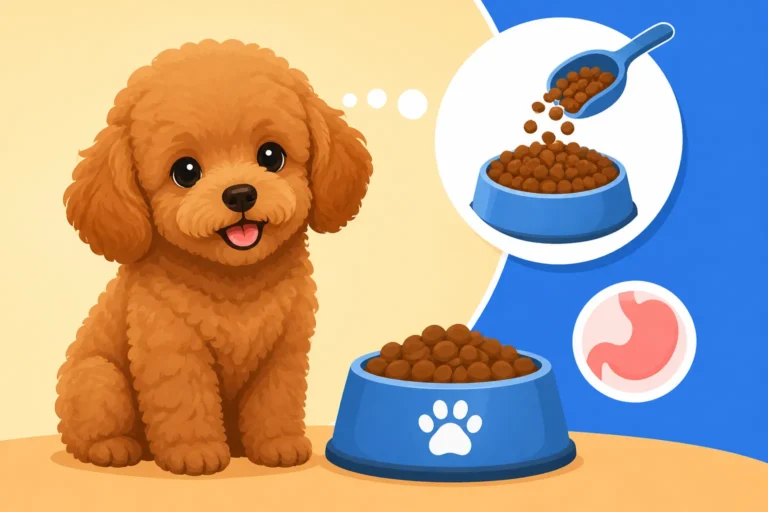
One of the biggest challenges with Toy Poodle puppies is balancing their incredibly fast metabolism with their incredibly tiny stomachs. They burn through calories at an astonishing rate, meaning they need a constant, steady supply of energy. However, their little tummies can only hold so much food at one time. This creates a scenario where they need to eat frequently throughout the day to keep their energy levels stable and prevent dangerous drops in blood sugar.
It's a common frustration for new Toy Poodle owners: you feel like you just fed them, and they're already looking for more. This isn't necessarily greed; it's a physiological necessity. Their small digestive systems are designed for frequent, small meals. Pushing too much food into one sitting can lead to bloating, discomfort, and even vomiting, which nobody wants for their precious pup. This is why establishing a consistent feeding schedule with multiple small meals is absolutely critical, particularly in the earliest weeks and months. You're essentially grazing them through the day to keep that high-octane engine running smoothly without overloading the system.
Preventing Hypoglycemia
The most critical concern for Toy Poodle puppies, especially those under six months of age or very tiny individuals, is the risk of Hypoglycemia in a Toy Poodle Puppy. This is a condition where their blood sugar drops to dangerously low levels, often due to insufficient food intake, prolonged periods without eating, excessive exercise, or stress. Because of their fast metabolism and small glycogen reserves (sugar stored in the liver), they don't have a large buffer to draw upon when their blood sugar dips.
The signs can come on quickly: lethargy, weakness, wobbliness, confusion, tremors, and in severe cases, seizures or unconsciousness. It's truly terrifying to witness. Proper feeding is your primary defense. Ensuring they eat regularly, offering high-quality, calorie-dense small breed puppy food, and being vigilant about their energy levels are paramount. If you notice any signs of low blood sugar, having an emergency sugar source like Karo syrup or glucose gel on hand, as discussed in Emergency Sugar for a Crashing Toy Poodle, can be a lifesaver. This isn't just about good nutrition; it's about life-saving preventive care for your fragile little companion.
Choosing the Right Food for Your Toy Poodle Puppy
The market is flooded with puppy food options, and it can feel like a minefield trying to decide what's best for your Toy Poodle. Every brand claims to be the best, and the ingredient lists can be utterly bewildering. For a Toy Poodle puppy, specifically, you're looking for quality, digestibility, and appropriate formulation. Let's break down the main categories and what to consider.
Dry Kibble: What to Look For
Dry kibble is often the most convenient and cost-effective option, and many high-quality choices are available. When selecting dry kibble for your Toy Poodle puppy, prioritize a formula specifically designed for "small breed puppies." This ensures the kibble size is appropriate for their tiny jaws and teeth, preventing them from struggling to chew or potentially choking. Beyond size, focus on the ingredient list.
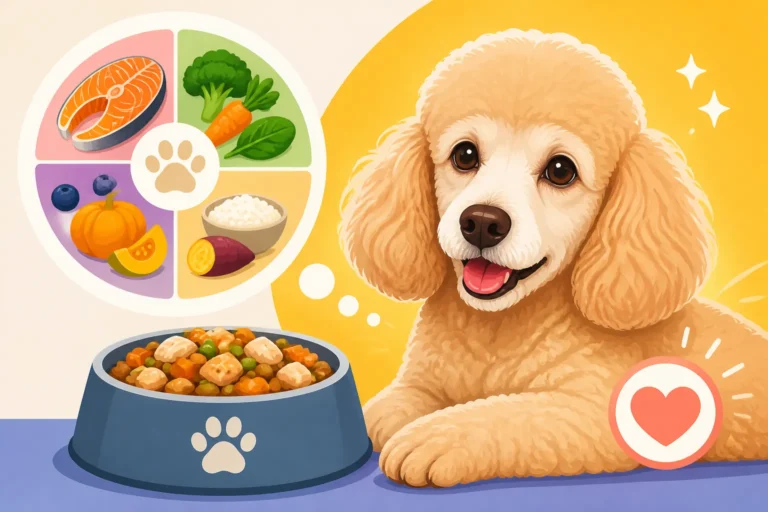
Look for a named meat source (like chicken, lamb, or salmon) as the first ingredient, indicating a high-quality protein content essential for growth. Avoid foods with corn, wheat, or soy as primary fillers, as these can sometimes be difficult for sensitive digestive systems to process and offer less nutritional value. Instead, look for wholesome grains like brown rice or oats, or easily digestible starches like sweet potato, if you prefer grain-inclusive. Some owners opt for grain-free, but always research thoroughly and discuss with your vet, especially considering past concerns about certain grain-free formulas and cardiac health. You'll want to see a good balance of fats, often from chicken fat or fish oils, which are crucial for energy and brain development. Omega-3 fatty acids, like DHA, are particularly beneficial for cognitive and vision development in puppies. Brands like Royal Canin, Purina Pro Plan, and Hill's Science Diet offer well-researched small breed puppy formulas. You can often find a great selection on platforms like Chewy, making it easy to compare and read reviews.
Wet Food and Hydration
Wet food can be a fantastic addition to a Toy Poodle puppy's diet, either as a primary meal, mixed with kibble, or as a special treat. Its high moisture content is a huge advantage, helping to keep your puppy hydrated, which is especially important for tiny pups who might not drink enough water on their own. The palatability of wet food is usually much higher than kibble, making it an excellent choice for picky eaters or those recovering from an upset stomach.
However, wet food is typically less calorie-dense by volume than kibble, so you'll need to feed a larger quantity to meet their energy needs. When choosing wet food, again, look for formulas specifically for "small breed puppies." Ensure it's free from artificial colors, flavors, and preservatives. Reading the ingredient label for a clear, identifiable protein source is just as important as with kibble. If you're mixing wet and dry food, remember to adjust the portion sizes of each to avoid overfeeding. Some owners prefer to feed a combination, offering the best of both worlds: the crunch and dental benefits of kibble with the hydration and palatability of wet food. This variety can also help prevent your puppy from becoming overly fixated on just one texture.
Considering Fresh or Raw Options
The world of fresh and raw feeding has gained significant traction, and you might be curious if it's right for your Toy Poodle puppy. Fresh food services, like Ollie, offer pre-portioned, gently cooked meals made with human-grade ingredients. These can be incredibly palatable and often highly digestible, and the precise portioning can be very helpful for tiny puppies with specific caloric needs.
Raw feeding, or a Biologically Appropriate Raw Food (BARF) diet, involves feeding uncooked meat, bones, organs, and sometimes fruits and vegetables. Proponents argue it's the most natural diet, mimicking what a dog's wild ancestors would eat. However, raw feeding requires meticulous research and careful balancing to ensure complete nutrition and avoid bacterial contamination risks. For a small, vulnerable Toy Poodle puppy, any nutritional imbalance or exposure to pathogens could be particularly dangerous. If you're considering a fresh or raw diet, it is absolutely paramount to consult with your veterinarian or a veterinary nutritionist who is knowledgeable in these areas. They can help you determine if it's a suitable option for your specific puppy, guide you on selecting commercially prepared raw diets that are complete and balanced (never home-prepare without expert guidance for a growing puppy), and advise on safe handling practices. The cost of fresh or raw diets can also be significantly higher than kibble, which is an important budgeting consideration.
| Food Type | Pros | Cons | Considerations for Toy Poodles |
|---|---|---|---|
| Dry Kibble | Convenient, cost-effective, aids dental health | Less palatable for some, lower moisture | "Small breed puppy" formula essential for kibble size and calorie density. |
| Wet Food | High moisture, very palatable, easy to chew | Less calorie-dense by volume, can be more expensive | Great for hydration and picky eaters. Good to mix with kibble. |
| Fresh Food | Human-grade ingredients, highly digestible | More expensive, requires refrigeration | Can be excellent for palatability and controlled portions. Consult vet. |
| Raw Food | "Natural" diet (proponents claim) | High risk of imbalance/contamination, requires strict handling | Not recommended without expert veterinary guidance for puppies due to high risks. |
Crafting a Feeding Schedule
The phrase "routine is king" absolutely applies to feeding a Toy Poodle puppy. Their tiny bodies thrive on predictability, and a consistent feeding schedule is your best weapon against issues like hypoglycemia, digestive upset, and even behavioral problems. This isn't just about when you put the bowl down; it's about the frequency, the portion sizes, and how you adapt as your puppy grows.
How Often to Feed a Toy Poodle Puppy
Due to their high metabolism and tiny stomachs, Toy Poodle puppies need to eat much more frequently than adult dogs, or even larger breed puppies. Generally, from the time you bring them home (around 8-10 weeks old) up to about 3-4 months, they'll need four meals a day. Yes, that means breakfast, lunch, dinner, and an evening snack! This steady supply of nutrients is vital to prevent blood sugar crashes. You might be waking up early and staying up a bit later to accommodate this, but trust me, it's worth it for their health and well-being.
As they approach 4-6 months of age, you can usually start transitioning them to three meals a day. This is a gradual process – don't just cut out a meal cold turkey. You might slightly increase the portion size of the remaining meals as you phase out the middle-of-the-day one, all while carefully monitoring their weight and energy levels. The goal is always to provide consistent fuel without overfeeding in one go. By the time they are 6-12 months old, depending on their individual growth rate and your vet's advice, most Toy Poodles can move to two meals a day, which they’ll likely stick with for the rest of their lives. For a detailed breakdown of a puppy's feeding frequency, you might find How Often a Toy Poodle Puppy Must Eat particularly helpful.
Measuring Portions Accurately
This is where many well-intentioned owners sometimes go wrong – eyeballing portions. For a Toy Poodle puppy, even a small difference in food quantity can have a big impact, whether it's leading to too little food and hypoglycemia, or too much and digestive issues or obesity. You must measure your puppy's food precisely.
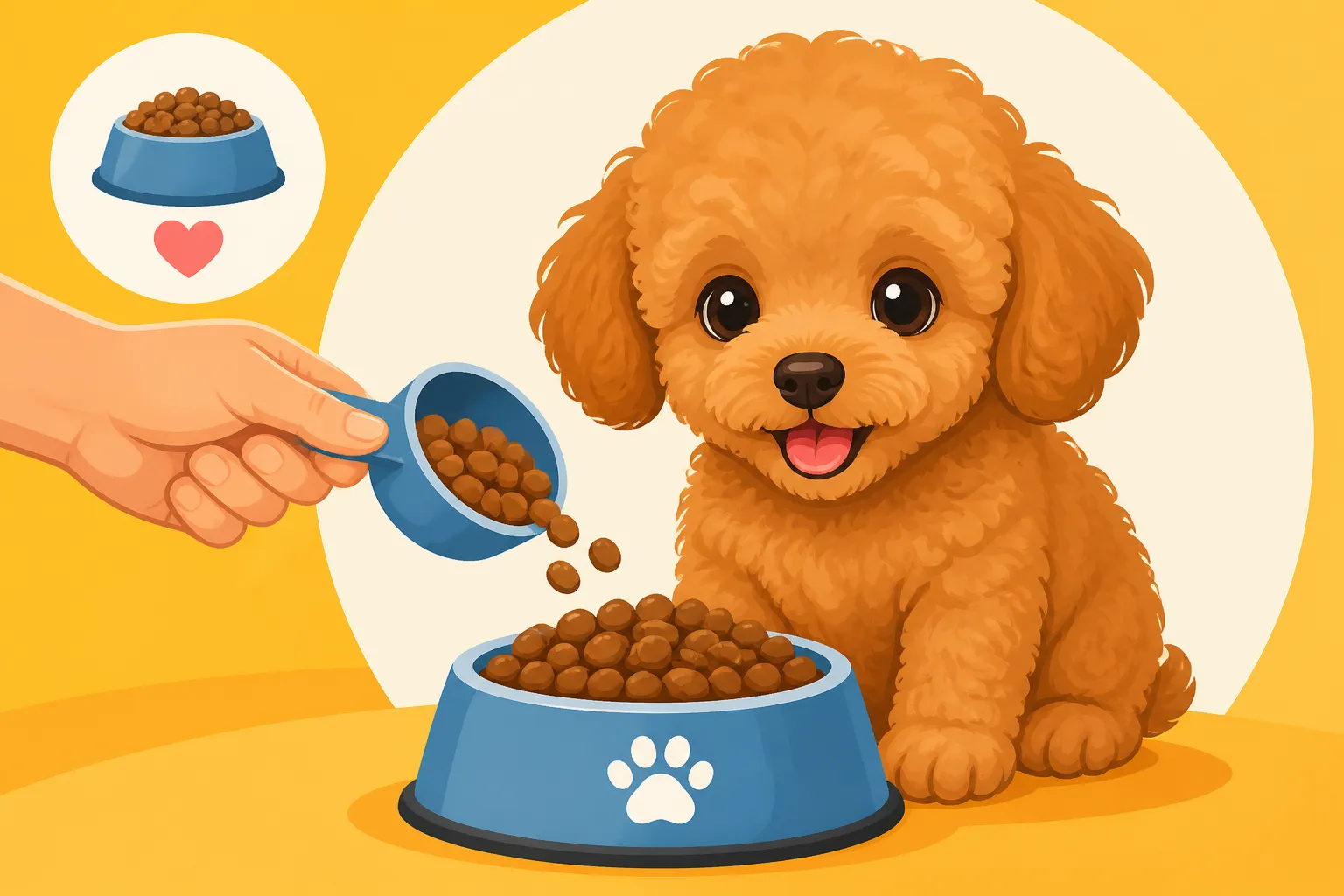
Start by checking the feeding guidelines on your chosen small breed puppy food bag. These guidelines are usually broken down by weight and age. Remember, these are just starting points. Your puppy's individual metabolism, activity level, and growth rate will dictate whether you need to slightly adjust up or down. A small kitchen scale is an invaluable tool for accuracy, especially with tiny portions. Measuring cups can be inconsistent, as the density of kibble varies. Weighing the food ensures you're providing the exact calorie count intended. Distribute this daily total across their 3-4 meals. For instance, if your puppy needs 1 cup total for the day, and you're feeding four times, each meal would be 1/4 cup. Stick to this. It might seem overly meticulous, but with such a small, rapidly growing creature, precision is truly caring. You'll thank yourself later when your Poodle has a healthy weight and consistent energy.
The Transition to Fewer Meals
Transitioning your Toy Poodle puppy from four meals to three, and then ultimately to two, needs to be done slowly and thoughtfully. This isn't a race; it's about ensuring their body can handle the change without stress or a dip in blood sugar.
When you're ready to drop a meal, typically starting with the lunch meal first, don't just eliminate it. Instead, gradually increase the portion size of the remaining meals over several days or even a week. For example, if your puppy was eating four meals of 1/4 cup each (total 1 cup), and you want to move to three meals, you would redistribute that 1 cup total. You might start by adding a small sprinkle from the lunch portion to breakfast and dinner, then a bit more the next day, until the full amount is spread evenly over three meals of roughly 1/3 cup each. Monitor your puppy closely during this transition. Are they still energetic? Are their stools normal? Do they seem excessively hungry or lethargic between meals? Any signs of distress mean you should slow down the transition or even revert to the previous schedule for a few more days before trying again. Always check in with your veterinarian to confirm the best timing and method for these dietary shifts, as every puppy is an individual. Understanding these critical transitions is key to their ongoing health, much like understanding the nuanced growth in larger Poodle varieties as detailed in Portions for a Growing Standard Poodle.
Handling Mealtime Challenges
Even with the best intentions and the perfect food, bringing a new puppy home often means encountering unexpected mealtime challenges. Whether your tiny Poodle is a dainty eater or a vacuum cleaner, a little patience and a few tricks can make mealtime a breeze. It’s all about understanding their quirks and finding solutions that work for both of you.
Picky Eaters and Food Aversions
Some Toy Poodle puppies can be notoriously finicky. One day they love their kibble, the next they turn up their adorable little noses. This can be incredibly frustrating and worrying, especially when you know how important consistent eating is for preventing Hypoglycemia in a Toy Poodle Puppy.
First, rule out any medical reasons. If your puppy suddenly stops eating, seems lethargic, or shows other signs of illness, a vet visit is paramount. Assuming they're healthy, pickiness might stem from boredom, the novelty wearing off, or simply being a Poodle! To combat this, try not to give in by offering an endless buffet of different foods. This can teach them that if they hold out, something better will come along. Instead, establish a routine: put the food down for 10-15 minutes. If they don't eat, pick it up and offer it again at the next scheduled mealtime. They'll learn that this is when food is available. You can also try making their kibble more appealing by adding a tablespoon of warm water (not hot!) to soften it and release more aroma, or mixing in a tiny bit of wet food, plain cooked chicken, or a dollop of plain yogurt (ensure no xylitol). Some fresh food toppers, available from brands like Ollie or even just a little plain cooked pumpkin puree from your pantry, can entice them without completely changing their core diet. Amazon also offers a wide range of palatable toppers. Just ensure any additions are canine-safe and don't make up too much of their caloric intake.
Slow Feeders vs. Fast Eaters
You might have a Toy Poodle puppy who eats at a snail's pace, leaving you wondering if they'll ever finish, or one who inhales their food so fast you blink and it's gone. Both scenarios come with their own set of considerations.
For the slow eater, ensure they have a calm, quiet place to eat where they won't be disturbed. Sometimes, separating them from other pets or young children during mealtime can help them focus. If they're a very slow eater and leaving food out for too long isn't an option (especially if you have other pets), you might need to try the 10-15 minute rule mentioned above, but offer smaller, more frequent meals. Sometimes, a tiny bit of enticing wet food mixed in can speed things up. For the puppy who eats too fast, the primary concern isn't bloat (which is a significant concern for Standard Poodles, as discussed in Gastric Torsion Risk in a Standard Poodle, but less so for Toy Poodles), but rather indigestion, choking, or not feeling full. For these speedy eaters, a slow feeder bowl is an absolute game-changer. These bowls have various ridges or labyrinths that force the puppy to eat around obstacles, slowing down their intake significantly. You can find excellent slow feeder bowls specifically designed for small breeds on Chewy or Amazon. Another simple trick is to spread their kibble out on a large, flat baking sheet, forcing them to "hunt" for each piece. This adds mental stimulation and slows them down.
Introducing New Foods Gradually
Whether you're transitioning from one brand of puppy food to another, switching from puppy to adult food, or introducing new treats or toppers, doing so gradually is crucial for your Toy Poodle's sensitive digestive system. A sudden change can easily lead to an upset stomach, diarrhea, or vomiting.
The general rule of thumb is a 7-10 day transition period. Start by mixing about 25% of the new food with 75% of the old food for the first 2-3 days. If your puppy tolerates this well, move to a 50/50 mix for the next 2-3 days. Then, transition to 75% new food and 25% old food for another 2-3 days, before finally feeding 100% new food. Pay close attention to your puppy's stool consistency and overall demeanor throughout this process. If you notice any digestive upset, slow down the transition and maintain the current ratio for an extra day or two until things settle. Remember, consistency and patience are your friends here. This careful approach minimizes stress on their tiny system and ensures a smooth dietary change, reinforcing positive eating habits from a young age.
Essential Supplements and Treats
Beyond their main meals, knowing what supplements might be genuinely helpful and which treats are both safe and beneficial can feel like another layer of complexity. For a Toy Poodle puppy, less is often more when it comes to additions, but there are times when they can be truly valuable.
When Supplements Are Necessary
In an ideal world, a high-quality, complete, and balanced small breed puppy food should provide all the nutrients your Toy Poodle puppy needs for healthy growth and development. Reputable brands formulate their foods to meet rigorous nutritional standards. Therefore, for most healthy Toy Poodle puppies, additional supplements are generally not necessary and, in some cases, can even be harmful if given in excess, leading to imbalances.
However, there are specific situations where your veterinarian might recommend a supplement. For example, if your puppy has a diagnosed deficiency, a particular health condition, or is recovering from an illness, a vet might suggest a probiotic for gut health, specific fatty acid supplements for skin and coat issues, or vitamins to aid recovery. Never give your puppy supplements without consulting your vet first. What seems harmless could interfere with their balanced diet or existing medications. Calcium supplements, in particular, should be approached with extreme caution, as over-supplementation during puppyhood can lead to skeletal issues. Trust your vet's guidance, as they have the full picture of your puppy's individual health needs.
Safe and Healthy Treats
Treats are invaluable tools for training, rewarding good behavior, and simply showing your Toy Poodle puppy some love. But because they are so small, every calorie counts, and the wrong treat can quickly add up to too many calories or upset a delicate tummy.
Always choose treats specifically designed for puppies and, ideally, for small breeds. These are typically smaller in size, softer, and formulated with easily digestible ingredients. Look for treats with wholesome ingredients, ideally without artificial colors, flavors, or excessive sugar. Single-ingredient treats, like freeze-dried liver or small pieces of cooked chicken, can also be excellent choices. Many pet stores and online retailers like Chewy and Amazon offer a wide variety of appropriate puppy treats. Brands like Zuke's Mini Naturals or Wellness Soft Puppy Bites are often popular choices. Remember to break larger treats into tiny, pea-sized pieces to prevent choking and control calorie intake. Treats should never make up more than 10% of your puppy's daily caloric intake. If you're struggling to find appropriately sized treats, Treats Small Enough for a Toy Poodle offers more detailed suggestions. And don't forget, praise and cuddles are sometimes the best reward of all!
Avoiding Table Scraps and Harmful Foods
This is a non-negotiable rule for any dog owner, but especially critical for a Toy Poodle puppy. Their small size makes them incredibly vulnerable to foods that are merely "unhealthy" for larger dogs but can be downright toxic or severely upsetting for a tiny pup. While their pleading puppy eyes are hard to resist, resist you must.
Many common human foods are dangerous. Chocolate, grapes and raisins, onions, garlic, avocado, xylitol (a common sugar substitute found in many sugar-free gums and candies), alcohol, and caffeine are all highly toxic. Even seemingly benign foods like fatty meats, dairy products (many dogs are lactose intolerant), or heavily seasoned leftovers can cause severe pancreatitis, vomiting, or diarrhea. Bones, cooked or uncooked, can splinter and cause internal damage or choking. Even a tiny piece of something harmful can have devastating consequences for a Toy Poodle puppy. Stick to their designated puppy food and veterinarian-approved treats. Educate everyone in your household, especially children, about what is and isn't safe to feed your puppy. When your Poodle is old enough to start trying to counter-surf, knowing Why a Poodle Steals From the Counter might help you reinforce preventative measures. Your vigilance here is a cornerstone of their safety and health.
Monitoring Growth and Health
Feeding your Toy Poodle puppy isn't a "set it and forget it" task. It's an ongoing commitment that requires careful observation, regular checks, and proactive communication with your vet. Monitoring their growth and recognizing early signs of trouble are vital parts of responsible puppy parenthood.
Tracking Weight and Body Condition
Regularly tracking your Toy Poodle puppy's weight is incredibly important, especially in their first few months. Sudden drops can indicate a problem like hypoglycemia or illness, while rapid gains might suggest overfeeding. Your vet will weigh your puppy at each visit, but it's a good idea to weigh them at home once a week using a small kitchen scale or a baby scale until they're too big to fit comfortably. Keep a log of these weights.
Beyond the number on the scale, regularly assess your puppy's body condition. You should be able to feel their ribs easily, but not see them protruding. There should be a noticeable waist tuck when viewed from above, and their belly shouldn't be distended or overly rounded. Run your hands over their back and sides; you want to feel a thin layer of fat, not sharp bones or a thick padding. This "hands-on" approach is particularly important for Poodles, whose fluffy coats can often hide changes in body condition. If you're unsure, ask your vet or breeder to demonstrate how to properly assess body condition. A healthy, steady growth rate is the goal, and What a Poodle Should Weigh by Variety can give you a general idea of what to expect, though individual growth curves vary.
Recognizing Digestive Issues
Puppies, with their developing digestive systems, can be prone to tummy troubles. For a Toy Poodle, even mild digestive upset can quickly escalate due to their small size and vulnerability to dehydration. Knowing what's normal and what's not is crucial.
Normal puppy stool should be firm, moist, and consistent in color (usually brown). Occasional soft stools or mild constipation might happen with dietary changes or stress, but persistent issues warrant attention. Signs of digestive problems include:
- Diarrhea: Loose, watery stools, especially if frequent or containing blood or mucus.
- Vomiting: More than once or twice, or if accompanied by lethargy, appetite loss, or severe abdominal pain.
- Loss of Appetite: Refusing meals for more than a few hours.
- Lethargy: Low energy levels, disinterest in play.
- Abdominal Pain: Whining, reluctance to be touched on the belly, hunched posture.
If you observe any of these symptoms, especially if your puppy is very young or tiny, contact your vet immediately. Dehydration can happen rapidly in small puppies with diarrhea or vomiting. Catching and addressing these issues early can prevent more serious health complications.
When to Consult Your Vet
Your veterinarian is your most valuable partner in your Toy Poodle puppy's health journey. Don't hesitate to reach out to them with any concerns, no matter how small they may seem. It's always better to be safe than sorry, especially with a vulnerable puppy.
You should definitely consult your vet if:
- Your puppy misses more than one meal or shows prolonged loss of appetite.
- They experience recurrent vomiting or diarrhea.
- You notice any signs of Hypoglycemia in a Toy Poodle Puppy, such as extreme lethargy, wobbliness, or tremors.
- Your puppy's weight gain seems too slow, too fast, or stops altogether.
- You're considering any significant dietary changes, like a fresh or raw diet.
- You want to introduce supplements.
- You notice any behavioral changes around food, like aggression or extreme guarding.
- There are any concerns about overall health, energy levels, or stool consistency.
Routine vet check-ups are also crucial for monitoring growth, administering necessary vaccinations, and discussing preventive care. Remember that early intervention can save lives and significant Vet Bills in a Poodle Puppy's First Year. Your vet can provide tailored advice based on your individual puppy's needs, helping them thrive into a happy, healthy adult Poodle.
Disclaimer
This article is for general informational purposes only and does not constitute professional advice. Laws, prices and regulations vary by location and change over time. Consult a qualified professional for guidance on your specific situation.