Gastric Torsion Risk in a Standard Poodle
One of the most terrifying emergencies a Standard Poodle owner can face is gastric dilatation-volvulus (GDV), commonly known as bloat. This guide dives deep into understanding why your beloved Standard Poodle is particularly susceptible to this life-threatening condition, how to recognize its subtle and overt signs, and crucial steps you can take to mitigate the risk and act swiftly in an emergency.
Understanding Gastric Torsion in Standard Poodles
The sudden onset of gastric torsion, or bloat, is a nightmare scenario for any dog owner, but it's an especially prevalent and devastating concern for those with Standard Poodles. This isn't just an upset stomach; it's a critical, often fatal, medical emergency that demands immediate attention.
The Silent Threat of Bloat
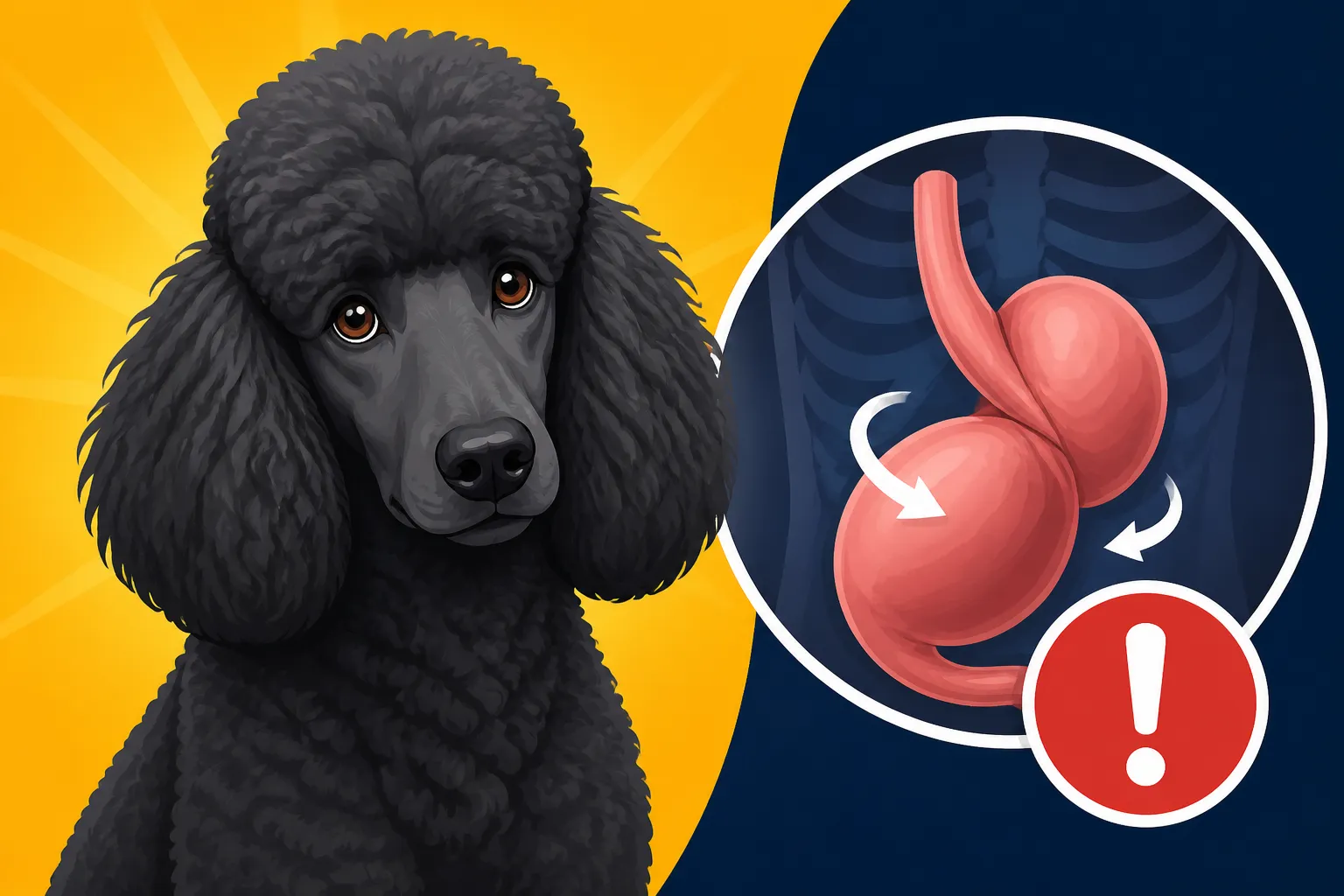
Gastric dilatation-volvulus (GDV) is a complex and rapid-progressing condition where a dog's stomach fills with gas, food, or fluid (dilatation) and then twists upon itself (volvulus). This twisting cuts off blood supply to the stomach and can compress major veins, leading to shock. The trapped gas causes immense pressure, affecting breathing and potentially rupturing the stomach. The terrifying part is how quickly it can escalate from seemingly mild discomfort to a life-threatening crisis. Many owners describe it as a sudden event, often after a meal or vigorous exercise, but sometimes it can even happen overnight when a dog is resting. The clock starts ticking the moment the stomach twists, making early recognition and immediate veterinary intervention absolutely critical. Learning to spot the subtle Bloat Symptoms in a Standard Poodle is key to saving their life.
Why Standard Poodles Are More Susceptible
It's heartbreaking to know that some breeds are simply built in a way that predisposes them to certain health conditions, and for our Standard Poodles, their majestic build unfortunately puts them at higher risk for bloat. The primary culprits are their deep, narrow chests and their large size. Imagine a long, narrow balloon – it's much more likely to twist on itself than a short, round one. This anatomical feature, combined with a laxity in the ligaments that hold the stomach in place, allows the stomach more room to swing and, ultimately, flip.
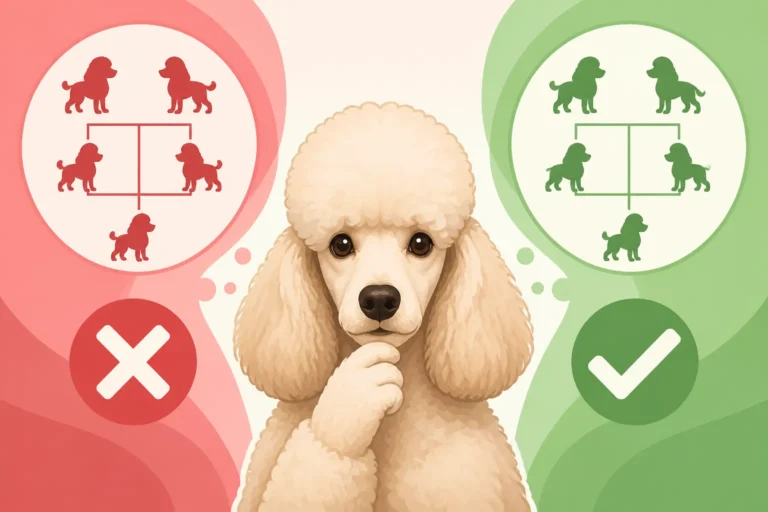
While the exact mechanics aren't fully understood, genetic predisposition plays a significant role, meaning if a Poodle's parents or close relatives experienced bloat, their offspring are at a heightened risk. Age also contributes; older Standard Poodles tend to have a higher incidence of GDV. It’s one of those specific Standard Poodle Diseases Miniatures Rarely Get due to these physiological differences, making it a distinct concern for owners of the larger variety.
Recognizing the Emergency Signs of Bloat
Being vigilant about your Poodle's behavior, especially around meal times, is your best defense against bloat. The signs can be subtle at first, but they quickly intensify. Knowing what to look for can literally mean the difference between life and death.
Early Warning Signals to Watch For
In the initial stages of bloat, your Standard Poodle might not present with dramatic symptoms, which makes it incredibly insidious. You might observe them pacing restlessly, unable to settle down, or constantly shifting positions. They might appear anxious, whining softly, or looking at their abdomen. One of the most common early signs is unproductive retching – they're trying to vomit, but nothing comes up, or only foamy saliva. This is a huge red flag. Excessive drooling or panting beyond what's normal for them can also be an indicator. Some dogs will stand with an arched back, appearing uncomfortable, or reluctant to lie down. If you notice a combination of these subtle cues, particularly after they've eaten or had a big drink, it's time to take action immediately.
What Advanced Symptoms Look Like
As bloat progresses, the symptoms become much more severe and unmistakable. The most obvious sign is a rapidly distending abdomen, which will feel taut and hard, like a drum. This distension can happen incredibly fast, sometimes within minutes. Your Poodle will likely be in visible pain, collapsing, struggling to breathe, and exhibiting signs of shock such as pale gums, a rapid heart rate, and cold extremities. They might refuse to move, lie down, or even acknowledge you. At this stage, every single minute counts. The situation becomes critical; The Hour That Decides a Bloating Standard Poodle isn't an exaggeration – it's a stark reality. If you see these advanced symptoms, do not hesitate for a second. Get your Poodle to the nearest emergency veterinary clinic without delay. Call ahead if you can, so they can be prepared for your arrival.
Factors Contributing to Gastric Torsion Risk
While some risk factors, like breed and genetics, are beyond our control, many others are related to daily routines and environmental elements. Understanding these controllable factors empowers you to make informed decisions that can reduce your Poodle's risk.
Feeding Habits and Mealtime Management
How and when you feed your Standard Poodle can significantly impact their bloat risk. One of the biggest culprits is eating too quickly or consuming a large volume of food in a single sitting. When a dog eats fast, they often gulp air along with their food, which contributes to gas buildup in the stomach. Large meals can cause the stomach to expand significantly, making it more prone to twisting. To counteract this, consider splitting your Poodle's daily food allowance into two or three smaller meals throughout the day instead of one big one.
Using a slow-feeder bowl or placing a large, non-chokable object (like a Kong or rock) in their bowl can force them to eat more slowly. Some owners wonder about Bowl Height and Standard Poodle Bloat Risk, with varied opinions on whether elevated bowls help or hinder. Recent studies suggest that elevated bowls might actually increase the risk in some breeds, possibly because they encourage faster eating. It's often safer to feed your Poodle at ground level. Avoiding strenuous exercise immediately before or after meals is also paramount; give them at least an hour to settle before and after eating. This advice is critical, as certain Feeding Habits That Raise Poodle Bloat Risk are easily preventable with a bit of planning.
Exercise and Activity Levels
Vigorous activity too close to meal times is another well-documented risk factor for GDV. A full stomach, combined with jumping, running, or rolling, creates the perfect storm for a twist. The stomach, heavy with food and potentially gas, can swing violently within the abdomen, increasing the likelihood of torsion. It's not just about what they eat, but what they do around eating.
After your Poodle has eaten, aim for a quiet period of at least an hour, preferably two, where they can digest their food without intense physical exertion. A short, gentle leash walk for a potty break is usually fine, but avoid fetch, dog park visits, or intense training sessions. Similarly, try not to feed them right after they've come in from a strenuous play session or a long walk. Their body needs time to calm down and regulate before digestion begins. Monitoring their Daily Exercise for a Standard Poodle and timing it appropriately around meals is a crucial preventative measure.
Stress and Anxiety as Triggers
While not as immediately obvious as eating habits, stress and anxiety can also play a role in increasing a Poodle's susceptibility to bloat. Stress can impact digestion, potentially leading to excessive gas production or changes in stomach motility. A Poodle experiencing chronic stress or acute anxiety might be more prone to digestive upset, which could, in turn, contribute to conditions like bloat.
Think about situations that might cause your Poodle stress: separation anxiety, loud noises (fireworks, thunderstorms), changes in routine, or even discomfort from an underlying health issue. While you can't eliminate all stress, recognizing and mitigating known stressors for your individual Poodle can contribute to their overall gut health and well-being. A calm, consistent environment, coupled with appropriate mental stimulation, can help keep stress levels down.
Proactive Prevention Strategies
Taking proactive steps is the most effective way to protect your Standard Poodle from the potentially deadly grip of gastric torsion. From dietary adjustments to surgical options, there are several avenues to explore.
Dietary Modifications and Supplements
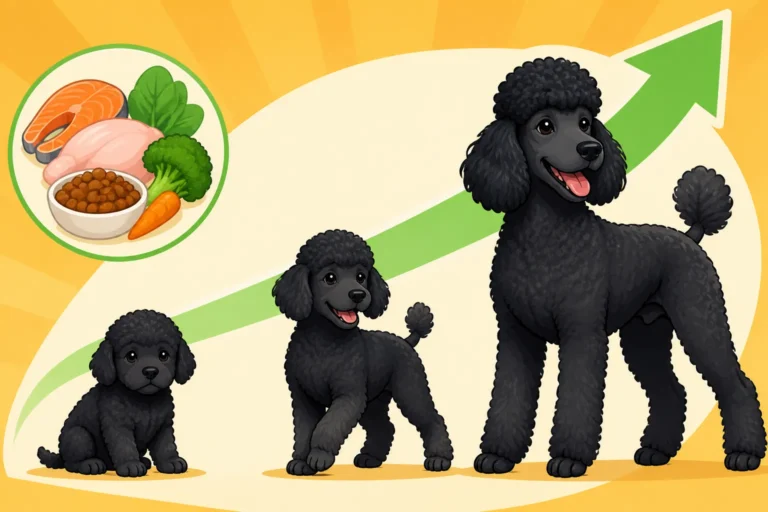
Beyond adjusting when and how your Poodle eats, the what can also make a difference. Some studies suggest that diets high in fat or those with citric acid as a preservative might be associated with a higher risk, though research is ongoing and not fully conclusive. Generally, a high-quality, easily digestible diet is recommended. For some Poodles, particularly those who are fast eaters, moistening kibble can slow down consumption and reduce air intake.
Consider discussing specific diet choices with your veterinarian, especially if your Poodle has other sensitivities or health concerns. While there's no single "anti-bloat" diet, focusing on ingredients that support gut health and avoiding overly processed foods can be beneficial. Some owners explore supplements aimed at digestive health, such as probiotics or digestive enzymes, though their direct impact on preventing bloat hasn't been definitively proven. When a Standard Poodle Changes Kibble, do it gradually over several days to avoid upsetting their stomach.
The Role of Gastropexy Surgery
For many owners of deep-chested breeds like the Standard Poodle, gastropexy surgery is considered the gold standard for bloat prevention. A gastropexy is a surgical procedure where the stomach is permanently attached to the abdominal wall. This prevents the stomach from twisting, even if it dilates with gas. While it doesn't prevent the stomach from filling with gas (dilatation), it eliminates the more dangerous twisting (volvulus) component of GDV, which is what makes bloat life-threatening.
The decision Whether a Standard Poodle Should Have a Gastropexy is a personal one, but it's highly recommended for at-risk breeds. It can be performed as a standalone preventative surgery, often done laparoscopically (minimally invasively) in younger dogs, or it can be combined with other surgeries, such as spaying or neutering. While no surgery is without risk, the preventative gastropexy has a much better prognosis than emergency bloat surgery, which is often complex and carries significant risks due to the dog's critical condition. Discuss the pros and cons, timing, and costs with your vet, especially considering potential savings on emergency bills. Pet insurance providers like Healthy Paws often cover preventative gastropexy if it's not a pre-existing condition, significantly easing the financial burden.
Environmental and Lifestyle Adjustments
Beyond diet and surgery, some lifestyle adjustments can contribute to a lower risk profile. Maintaining a healthy weight for your Poodle is crucial. Poodle Obesity and Its Consequences are far-reaching, and carrying extra weight can put additional strain on internal organs and potentially influence stomach positioning. Regular, moderate exercise is vital for overall health but remember the timing around meals.
Ensuring your Poodle has access to fresh water at all times is important, but avoid allowing them to gulp large quantities immediately after eating or heavy exercise. Providing a calm, predictable home environment can also help manage stress levels. If your Poodle is particularly anxious, working with a veterinary behaviorist or certified dog trainer can help manage anxiety, potentially reducing digestive upset. Creating a balanced routine that addresses both physical and mental well-being is key.
| Prevention Strategy | Description | Key Action Points |
|---|---|---|
| Feeding Habits | Avoid large, single meals and fast eating. | Feed 2-3 smaller meals/day. Use slow-feeder bowls. Avoid exercise 1-2 hours before/after meals. |
| Dietary Choice | Choose high-quality, easily digestible food. | Consult vet on diet. Consider moistening kibble for fast eaters. |
| Gastropexy | Surgical attachment of stomach to abdominal wall to prevent twisting. | Discuss preventative surgery with vet, especially at time of spay/neuter. |
| Exercise Timing | Avoid vigorous activity when the stomach is full. | Restrict active play for at least 1-2 hours post-meal. |
| Stress Reduction | Minimize anxiety and stress, which can affect digestion. | Maintain consistent routine. Address anxieties (noise phobias, separation). |
| Hydration | Provide constant access to water but prevent rapid gulping. | Small, frequent water offerings around meal times. |
| Weight Management | Keep your Poodle at a healthy, lean body weight. | Monitor food intake and exercise to prevent obesity. |
What to Do in a Bloat Emergency
Despite all preventative measures, bloat can still occur. Knowing exactly what to do when you suspect your Poodle is experiencing gastric torsion is paramount. Panic is understandable, but swift, decisive action is what gives your dog the best chance of survival.
Immediate Actions to Take
If you suspect bloat, the first and most critical step is to get your Poodle to an emergency veterinary hospital immediately. This is not a "wait and see" situation. There are no effective home remedies or interventions you can perform that will resolve gastric torsion. Every minute counts, and delays drastically reduce survival rates. As soon as you see Emergency Signs of Poodle Bloat, call your closest veterinary emergency clinic while you're on your way. Inform them of your suspected diagnosis and your estimated time of arrival. This allows them to prepare their team and equipment for your Poodle's arrival, potentially saving precious minutes.
While en route, try to keep your Poodle as calm and comfortable as possible, but do not attempt to force them to vomit or administer any medications unless specifically instructed by a veterinarian. Moving them gently is important to avoid causing further distress or injury. Your focus should be solely on getting them to professional medical care as quickly and safely as possible.
Communicating With Your Emergency Vet
When you arrive at the emergency clinic, clearly and calmly explain your concerns. Tell them you suspect gastric torsion (bloat) and list the symptoms you've observed, including when they started and any recent activities (like eating or exercising). Provide them with your Poodle's medical history, including any medications they are on, and if they've ever had similar, albeit milder, episodes. This information is vital for the veterinary team to quickly assess the situation and initiate appropriate diagnostics and treatment.
Remember, the veterinary staff understands the urgency. They will likely move very quickly to stabilize your Poodle, which may involve radiographs to confirm the diagnosis, intravenous fluids to combat shock, and potentially decompressing the stomach to relieve pressure before surgery. Be prepared for a candid discussion about prognosis, treatment options, and costs. Having pet insurance, like a policy from Healthy Paws, can be incredibly beneficial in these high-stress, high-cost emergency situations, allowing you to focus on your Poodle's care rather than immediate financial strain. Considering Saving Against a Standard Poodle Bloat Bill is a prudent decision for any owner of a deep-chested breed.
Living with a Poodle Prone to Bloat
Even after an emergency, or if you've decided on preventative measures like gastropexy, ongoing vigilance and care are essential for your Standard Poodle's long-term health.
Monitoring and Ongoing Vigilance
If your Poodle has experienced bloat and survived, or if they have a strong family history, monitoring becomes a lifelong commitment. You'll want to remain diligent about the preventative feeding and exercise habits discussed earlier. Pay close attention to any changes in your Poodle's behavior, appetite, or abdominal appearance. Keep a mental checklist of the early signs of bloat and check in with your Poodle regularly. This might feel overwhelming at first, but with time, it becomes second nature.
Consider keeping a small notebook or a simple app to track meal times, exercise, and any unusual symptoms, especially in the first few months after a scare. Discuss with your veterinarian what specific signs they want you to watch for and how often they recommend follow-up check-ups. Maintaining open communication with your vet is crucial for managing this ongoing risk.
Supporting Your Poodle's Overall Well-being
Beyond specific bloat prevention, focusing on your Standard Poodle's overall health and happiness contributes to their resilience. A well-nourished, appropriately exercised, and mentally stimulated Poodle is generally a healthier dog. This includes ensuring they get proper Caring for an Aging Poodle if they are older, as age can increase health risks. Make sure they have a comfortable, stress-free environment, and plenty of positive interactions. Regular veterinary check-ups are key to catching any developing health issues early.
Consider maintaining comprehensive pet insurance that covers emergency care and, ideally, preventative procedures like gastropexy. Companies like Healthy Paws offer various plans that can provide peace of mind for such critical health concerns. Preparing for potential health challenges, both financially and emotionally, is part of responsible Poodle ownership. By staying informed, proactive, and deeply attentive to your Poodle's needs, you give them the best chance for a long, healthy, and bloat-free life.
Disclaimer
This article is intended for informational purposes only and does not constitute veterinary medical advice. Always consult with a qualified veterinarian for any health concerns or before making any decisions about your pet's health or treatment.