Whether Coat Change Explains Sudden Poodle Mats
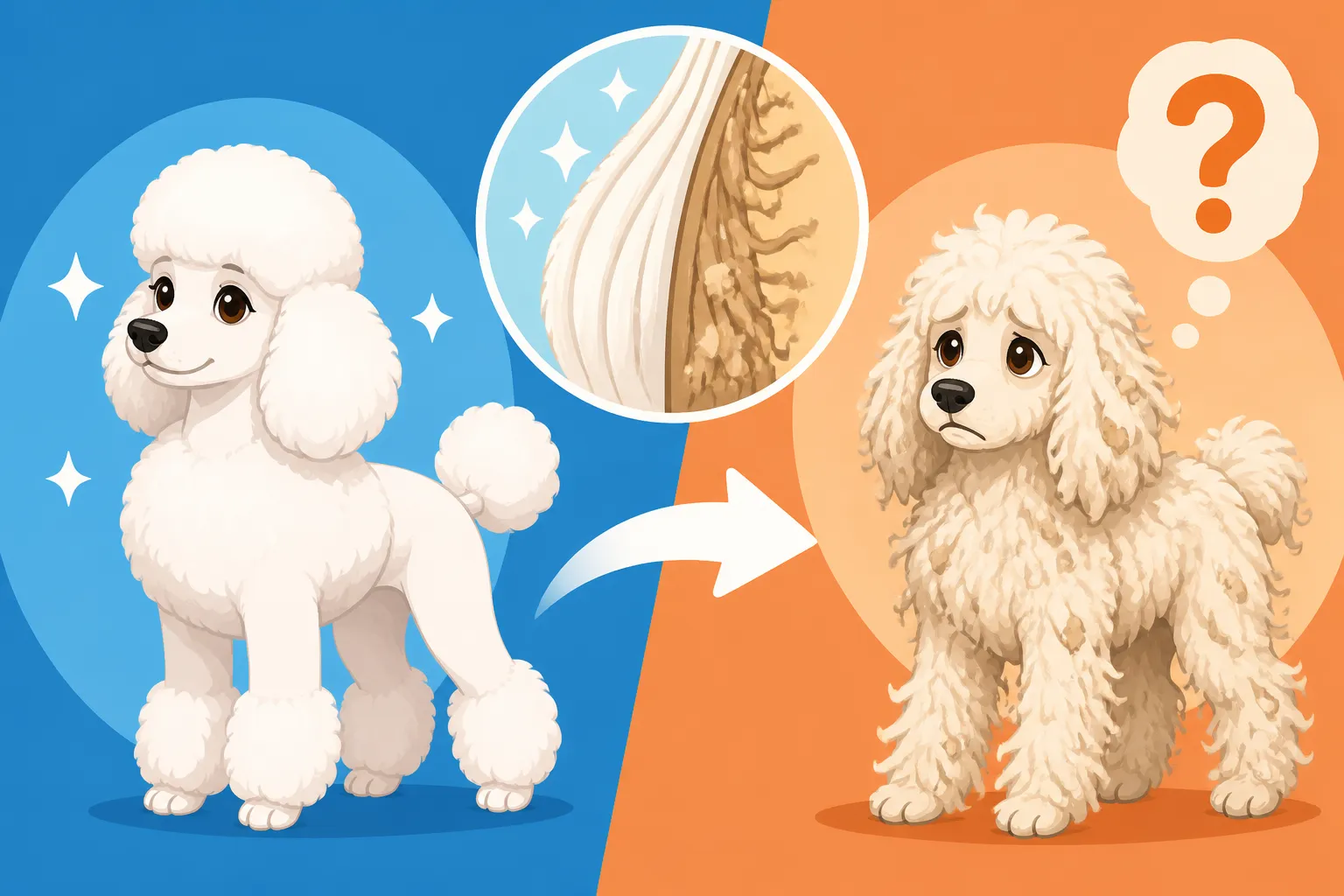
You’ve just been diligently brushing your beloved Poodle, keeping that gorgeous coat pristine, and then suddenly, seemingly out of nowhere, you find a mat. Not just a little tangle, but a stubborn, felted nightmare that appeared overnight. This sudden onset of matting can be incredibly frustrating and concerning, often leaving owners wondering if they've done something wrong. The truth is, if your Poodle is between roughly six and eighteen months old, this sudden matting is very likely a direct consequence of their coat changing from soft puppy fluff to the denser, coarser adult coat.
Understanding the Poodle Coat's Unique Nature
Poodles aren't like many other dog breeds; their coat behaves in a very distinct way, which is both a blessing and a challenge. Understanding this unique characteristic is the first step in tackling those unexpected mats.
The Continuous Growth Cycle
Unlike dogs with fur, Poodles have hair that grows continuously, much like human hair. This is the reason Poodles are often lauded as "non-shedding" – they do shed, but instead of falling out, the shed hairs get trapped within the surrounding curls. For most of their lives, if a Poodle is brushed regularly and thoroughly, these trapped hairs are removed, preventing tangles from forming. It's a fantastic trait for those with allergies, and it means less hair tumbleweeds around the house. However, this continuous growth and retention of shed hair also means that without consistent grooming, mats are inevitable, and this tendency is significantly amplified during certain developmental stages. The Poodle Coat and Why It Never Stops Growing goes into more detail about this fascinating characteristic.
The "Puppy Fluff" to Adult Coat Transition
The period between six months and eighteen months, sometimes even up to two years, is often referred to by Poodle enthusiasts and groomers as "coat change." During this phase, your Poodle’s soft, fine, and relatively easy-to-manage puppy coat begins to be replaced by the thicker, more robust, and typically curlier adult coat. Imagine trying to comb through two completely different textures of hair simultaneously, where one is actively trying to weave itself into the other. That's essentially what's happening on your Poodle's body. The puppy fluff is still there, shedding its delicate strands, while the new, stronger adult hair is growing in, creating an incredibly dense, almost Velcro-like environment where tangles and mats form with alarming speed. This transition is a completely normal part of a Poodle's development, but it's arguably the most challenging time for coat maintenance.
The Mechanics of Matting During Coat Change
So, why does this transition make matting such an immediate and widespread issue? It comes down to how these two distinct hair types interact and the sheer density they create together.
Why the New Coat Grabs the Old
Think of the puppy coat as a fine, wispy cloud, and the adult coat as a collection of strong, springy coils. As the adult coat grows in, it pushes through and intertwines with the existing puppy fluff. The curly texture of the adult hair acts like tiny hooks, catching and holding onto every loose strand of puppy hair. Because the puppy hair sheds but doesn't fall out, it gets tightly woven into the emerging adult coat. This creates a dense, multi-layered textile on your Poodle's body. Even a small amount of movement, a quick roll on the carpet, or a playful wrestling match can cause these intertwined hairs to knot up, forming a mat faster than you can say "Poodle clip." It’s not a reflection of your grooming skills; it’s simply the nature of this particular coat transition. Neglecting even a day or two of brushing during this critical phase can turn a small tangle into a large, painful mat.
Areas Prone to Sudden Matting
While any part of a Poodle's body can mat, some areas are particularly susceptible during coat change due to increased friction or natural movement. You might find that one day your Poodle's back is fine, and the next, it feels like a patchwork of felt.
The most common "hot spots" for matting include:
- Armpits: Constant movement of the legs creates friction.
- Behind the Ears: This area is often overlooked and easily mats into solid, painful clumps.
- Around the Collar Area: Friction from collars, especially if left on all the time, can cause mats to form quickly.
- Under the Harness: Similar to collars, poorly fitting harnesses or those left on for extended periods can cause mats.
- Behind the Legs/Feathers: Areas where the legs meet the body, and the longer hair on the back of the legs.
- The Base of the Tail: Often thick and prone to tangles where the tail joins the body.
- Any Area That Rubs: This includes the belly, groin, and even the topknot if not properly maintained.
It's absolutely essential to pay extra attention to these zones. A quick surface brush won't cut it during this time; you need to get down to the skin. Checking a Poodle's Armpits and Ears for Mats offers more specific guidance on inspecting these difficult spots.
Proactive Strategies to Combat Coat Change Mats
Dealing with coat change is not for the faint of heart, but with the right approach, you can navigate this phase without resorting to a full shave-down (unless that's your preference!).
Upping Your Grooming Game (Brushing and Bathing)
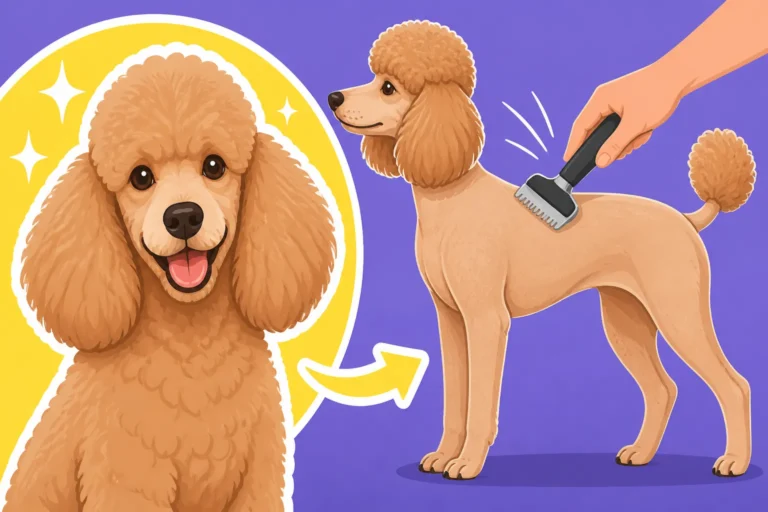
During coat change, your grooming routine needs to kick into high gear. If you were brushing every other day, now is the time to commit to daily brushing, and sometimes even twice a day, especially in those mat-prone areas.
Line Brushing is Your Best Friend: This isn't just a casual stroke over the topcoat. Line brushing involves systematically parting the coat horizontally and brushing one small section at a time, from the skin out, moving upwards line by line. This ensures you reach all the way to the skin, where mats really start to form. Line Brushing a Poodle Explained provides a step-by-step guide.
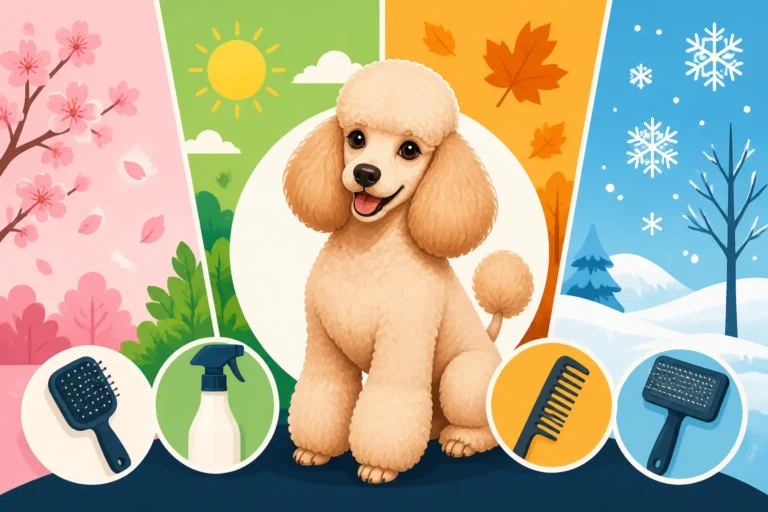
Essential Tools: You'll need a good quality slicker brush, a sturdy metal comb (often called a Greyhound comb), and a detangling spray. The slicker brush helps separate the hairs, and the comb is crucial for finding and working out any tangles you missed with the brush. You can find excellent quality brushes and combs on platforms like Amazon or at pet supply stores like Chewy. A detangling spray can make brushing much easier, lubricating the hair and helping knots slide apart.
Bathing Best Practices: Bathing a Poodle during coat change without proper pre-brushing can actually make matting worse, as water tightens existing tangles. Always thoroughly brush out any knots before bathing. After shampooing, use a good quality conditioner, letting it sit for a few minutes to help soften the coat. Rinse thoroughly, and then dry your Poodle completely using a high-velocity dryer if possible, while brushing to ensure the coat dries straight and mat-free. Shampoo and Conditioner for a Poodle Coat and Bathing and Drying a Poodle can offer more insights.
Professional Groomer Support
Don't be afraid to lean on your professional groomer during this challenging period. They are experts at navigating coat change and can offer invaluable advice and services. You might find yourself needing more frequent professional grooming appointments, perhaps every 4-6 weeks instead of the usual 6-8 weeks.
The "Sacrifice" Shave-Down: If mats have become too extensive or too tight, a humane shave-down might be the only option. While it can be disheartening to see your Poodle's beautiful coat disappear, it's far better than putting them through painful de-matting sessions. A clean slate allows the adult coat to grow in without the legacy of puppy coat tangles, making future grooming much easier. Your groomer can explain the process and help you choose a new style as the coat grows back. Why Groomers Shave a Matted Poodle delves into this topic.
Dietary Considerations and Coat Health
While good nutrition won't prevent mats during coat change, it does contribute to overall coat health, making it softer, more pliable, and potentially easier to brush. A healthy coat is a happy coat.
Omega Fatty Acids: Look for dog foods that contain good sources of omega-3 and omega-6 fatty acids, or consider adding a supplement. These fatty acids are crucial for skin and coat health, promoting shine and reducing dryness that can make hair more brittle and prone to breakage and matting. Brands like Ollie focus on fresh, whole ingredients that often contribute positively to skin and coat health, but always discuss any dietary changes or supplements with your vet. A diet tailored to your Poodle's specific needs, as discussed in Feeding a Poodle by Size, can make a difference.
When Sudden Matting Isn't Just Coat Change
While coat change is the most common culprit for sudden, widespread matting in adolescent Poodles, it's important to be aware that other factors can contribute to, or even solely cause, changes in coat texture and matting.
Ruling Out Other Health Issues
Sometimes, a sudden change in coat texture or an increase in matting can be a subtle sign of an underlying health problem. If your Poodle is past the typical coat change age, or if the matting seems unusual, consult your veterinarian.
Skin Conditions: Skin infections, fungal issues, or parasites can irritate the skin, leading to scratching, licking, and changes in hair growth patterns or texture, all of which can promote matting.
Allergies: Poodles are prone to allergies, which can manifest as itchy skin. Constant scratching and rubbing will quickly create tangles and mats. Poodle Allergies and Skin Reactions has more information.
Hormonal Imbalances: Conditions like hypothyroidism can affect coat quality, making it dry, brittle, and more prone to matting.
Sebaceous Adenitis: This is a genetic autoimmune skin condition more prevalent in Standard Poodles, causing inflammation of the sebaceous glands. It results in dry, scaly skin, hair loss, and a dull, brittle coat that mats easily. If you notice flaky skin, a greasy or brittle coat, and unexplained mats, especially along the back and topknot, speak to your vet immediately. Sebaceous Adenitis and the Poodle Coat is a crucial read on this topic.
Behavioral Factors and Environmental Triggers
Even a perfectly healthy Poodle can get matted if certain behaviors or environmental factors come into play.
Rolling in the Great Outdoors: Poodles love to roll, and sometimes what they roll in can wreak havoc on their coats. Mud, sticky burrs, or even certain types of foliage can instantly create severe mats that are incredibly difficult to remove. A quick clean-up after outdoor adventures is key.
Lack of Consistent Brushing: It bears repeating: Poodles demand consistent grooming. Missing a few days, especially during coat change, can allow minor tangles to escalate into full-blown mats. Life gets busy, but a Poodle's coat doesn't wait.
Stress or Anxiety-Related Grooming: Some Poodles may engage in excessive licking or chewing when stressed or anxious, particularly on their legs or flanks. This can felt the hair in those areas, leading to mats. Identifying and addressing the source of stress is important in such cases.
Improper Tools or Technique: Using the wrong brush, or only brushing the surface of the coat, will leave the undercoat and deeper layers tangled. This creates a "felted" layer close to the skin, which then tightens and becomes a painful mat.
Understanding these various factors helps you pinpoint the cause of sudden matting and take appropriate action.
Grooming Schedule by Poodle Age
To help you visualize the increased effort needed during different life stages, here’s a general guide. Remember, this is a baseline, and your individual Poodle might need more or less attention based on their coat type and activity level.
| Poodle Age | Coat Characteristics | Brushing Frequency | Professional Grooming | Key Focus Areas |
|---|---|---|---|---|
| 0-6 Months (Puppy) | Soft, fine, fluffy puppy coat | 2-3 times per week, gentle introductory sessions | Every 6-8 weeks | Acclimation to tools, face/feet/sanitary |
| 6-18 Months (Coat Change) | Puppy coat mixing with dense adult coat | Daily, often twice a day (especially hot spots) | Every 4-6 weeks | Thorough line brushing, detangling, skin checks |
| 18 Months+ (Adult) | Denser, curlier adult coat | 3-4 times per week (or daily for long clips) | Every 6-8 weeks | Maintenance, full body brushing to skin |
| 10+ Years (Senior) | May soften, thin, or become more fragile | 3-4 times per week, gentle to avoid skin irritation | Every 6-8 weeks | Comfort, gentle handling, monitoring skin health |
It’s clear that the coat change period demands the most intensive grooming. It's a temporary but necessary commitment to keep your Poodle comfortable and mat-free.
Navigating your Poodle's coat change can feel like a full-time job, but with increased diligence, the right tools, and perhaps some professional help, you can get through it. That sudden matting isn't necessarily a sign of failure, but rather a normal, albeit challenging, stage in your Poodle's development. Consistency truly is the key to maintaining that magnificent, curly coat.
Disclaimer
This article is for general informational purposes only and does not constitute professional advice. Laws, prices and regulations vary by location and change over time. Consult a qualified professional for guidance on your specific situation.