Sebaceous Adenitis and the Poodle Coat
Few things are as disheartening for a Poodle owner as watching their beloved companion suffer from a chronic skin condition that seems to defy easy solutions. The frustration of endless scratching, matted coats, and constant worry about their comfort is a real burden. This comprehensive guide aims to demystify Sebaceous Adenitis (SA) in Poodles, offering a deep dive into its causes, symptoms, diagnosis, and long-term management strategies.
Unpacking Sebaceous Adenitis: The Poodle's Silent Skin Battle
Sebaceous Adenitis (SA) is one of those conditions that can sneak up on you, gradually diminishing your Poodle's beautiful coat and often leaving owners feeling bewildered and helpless. It's a particularly cruel twist of fate for Poodle owners, as their breed is known for its exquisite, non-shedding coat. When that coat begins to change, it's immediately noticeable, and for SA, it’s often the first distressing sign. Understanding what SA is and why our Poodles are so uniquely susceptible is the first step in facing this challenge head-on.
What Exactly is Sebaceous Adenitis?
At its core, Sebaceous Adenitis is an inflammatory disease that targets and eventually destroys the sebaceous glands in the skin. These tiny glands are crucial; their job is to produce sebum, an oily substance that lubricates the skin and hair, keeping it supple, moisturized, and protected. Think of sebum as your Poodle’s natural conditioner and protective barrier. When these glands become inflamed and are destroyed, they can no longer produce sebum. The result is dry, flaky skin, brittle hair, and a compromised skin barrier, leading to a host of secondary issues.
It's an immune-mediated disease, meaning your Poodle's own immune system mistakenly attacks these healthy sebaceous glands. This isn't an infection caused by bacteria or fungi, though those can become secondary problems. Instead, it's an autoimmune response, a bit like the body turning on itself. This distinction is vital because it shapes the entire approach to diagnosis and treatment. Without these glands functioning, the Poodle's coat begins to look dull, brittle, and often has a "moth-eaten" appearance. It's truly heartbreaking to see a once vibrant coat deteriorate in this way.
The impact isn't just cosmetic, although that's often what catches our eye first. The lack of natural oils leaves the skin vulnerable. It becomes prone to bacterial and yeast infections, which can exacerbate itching and discomfort. Imagine having perpetually dry skin that constantly flakes and feels tight, then adding an itch that never truly goes away. That's a glimpse into what our Poodles might be experiencing. It’s a chronic condition, meaning it's generally a lifelong challenge, but with proper management, many Poodles can still live comfortable lives.
Why Poodles Are So Susceptible
While SA can affect various breeds, Poodles, particularly Standard Poodles, are disproportionately represented. It's one of the most common genetic skin disorders in the breed. This strong breed predisposition points directly to a genetic component. It's not just a random occurrence; there's a hereditary link that makes certain Poodle lines more vulnerable than others. This genetic susceptibility is a serious concern for responsible breeders and prospective puppy owners alike.
The exact mode of inheritance is still being studied, but it’s believed to be an autosomal recessive trait, or possibly a more complex polygenic inheritance. What this means for owners is that a Poodle can carry the gene for SA without showing any symptoms themselves, and then pass it on to their offspring. This makes it incredibly difficult to eradicate from breeding lines without robust genetic testing and careful pedigree analysis. You might bring home a puppy from seemingly healthy parents, only for symptoms to emerge months or even years later.
This genetic vulnerability highlights a broader issue within the Poodle breed. Historically, certain breeding practices, including inbreeding to fix desirable traits, have inadvertently concentrated genes for various health conditions. You can read more about how such practices impact the breed in our detailed article on What Inbreeding Did to Standard Poodle Immunity. It’s a sad reality that while we cherish the Poodle's intelligence and elegance, we must also acknowledge the health challenges that have become part of their genetic legacy. Awareness is key here, both for current owners and for anyone considering bringing a Poodle into their home.
Catching the Clues: Early Signs of SA in Your Poodle
Recognizing Sebaceous Adenitis early can make a significant difference in managing the condition and maintaining your Poodle's comfort. However, it’s a tricky disease because its initial symptoms can be subtle and often mimic other common skin issues. Many owners initially attribute the changes to allergies, dry weather, or even just a bad hair day. Learning to spot these early indicators is crucial, as the sooner intervention begins, the better the chances of slowing its progression.
Subtle Coat Changes and Skin Dryness
One of the first signs you might notice is a change in your Poodle's coat texture and appearance. That luxurious, soft, curly coat might start to feel coarse, brittle, or greasy in some spots, yet incredibly dry and flaky in others. You might see a fine, silvery dandruff clinging to the hair shafts, particularly along the back, ears, and tail. This isn't just a bit of winter dryness; it's persistent and often resistant to standard moisturizing shampoos. The hair may also appear dull, losing its characteristic Poodle luster.
As the condition progresses, you might start seeing hair loss, often in symmetrical patches. This hair loss isn’t usually sudden or dramatic at first; it's more of a gradual thinning. You might notice areas where the curls look sparser, or where the hair just seems to break off more easily when you brush. Patches of skin, especially along the spine, the top of the head (the topknot area), and around the ears, can become noticeably drier and thicker, sometimes appearing almost scaly. It’s vital to distinguish these changes from normal seasonal shedding, which Poodles don't really do in the traditional sense, or typical poodle coat changes you can learn more about in How Fast a Poodle Coat Grows Back.
A common area where these subtle changes first appear is actually the topknot. The hair there might become sparse, or you might feel a noticeable change in the skin underneath – it might be thicker or more scaly than usual. It’s easy to dismiss these early signs, especially if your Poodle isn't visibly uncomfortable yet. However, any persistent, unexplained changes to your Poodle’s coat or skin, particularly those involving dryness, flaking, or a dull appearance, warrant a closer look.
Persistent Itching and Secondary Infections
While not every Poodle with SA will be intensely itchy in the early stages, many will experience some level of pruritus (itching). This itching arises from the dry, inflamed skin and the subsequent bacterial or yeast infections that often take advantage of the compromised skin barrier. You might notice your Poodle scratching more often, licking their paws, or rubbing against furniture. Sometimes, the itching might be mild enough to go unnoticed, or it might be intermittent, making it even harder to pinpoint.
When the skin barrier is damaged, it becomes an open invitation for opportunistic pathogens. Bacteria like Staphylococcus or yeast like Malassezia thrive in these conditions, leading to secondary skin infections. These infections will make the itching much worse, causing your Poodle significant discomfort. You might see red, inflamed skin, pustules, or crusts. The coat might develop a greasy feel and an unpleasant, musty odor, even after bathing. This can easily be mistaken for generic skin allergies, so it's important not to jump to conclusions without a vet's input. Our guide on Whether a Poodle's Itch Is Allergy or Adenitis delves into how to differentiate these.
The cycle of itching, scratching, and infection can quickly escalate, leading to further damage to the skin and hair follicles. This is why early detection and intervention are so important. If you observe your Poodle constantly scratching, licking, or biting at their skin, especially if accompanied by the coat and skin changes mentioned above, it’s time to consult your veterinarian. Don’t wait until the condition is advanced and your Poodle is truly miserable.
How Adenitis Shows Up on a Poodle's Back
The back, particularly along the spine, is a common and often telling location for Sebaceous Adenitis symptoms to manifest in Poodles. While it can occur anywhere, this area, along with the head and ears, tends to be affected quite early in the disease progression. Owners might first notice that the beautiful, even curl of their Poodle’s coat along the back is breaking up, looking frizzy, or developing small, dry patches.
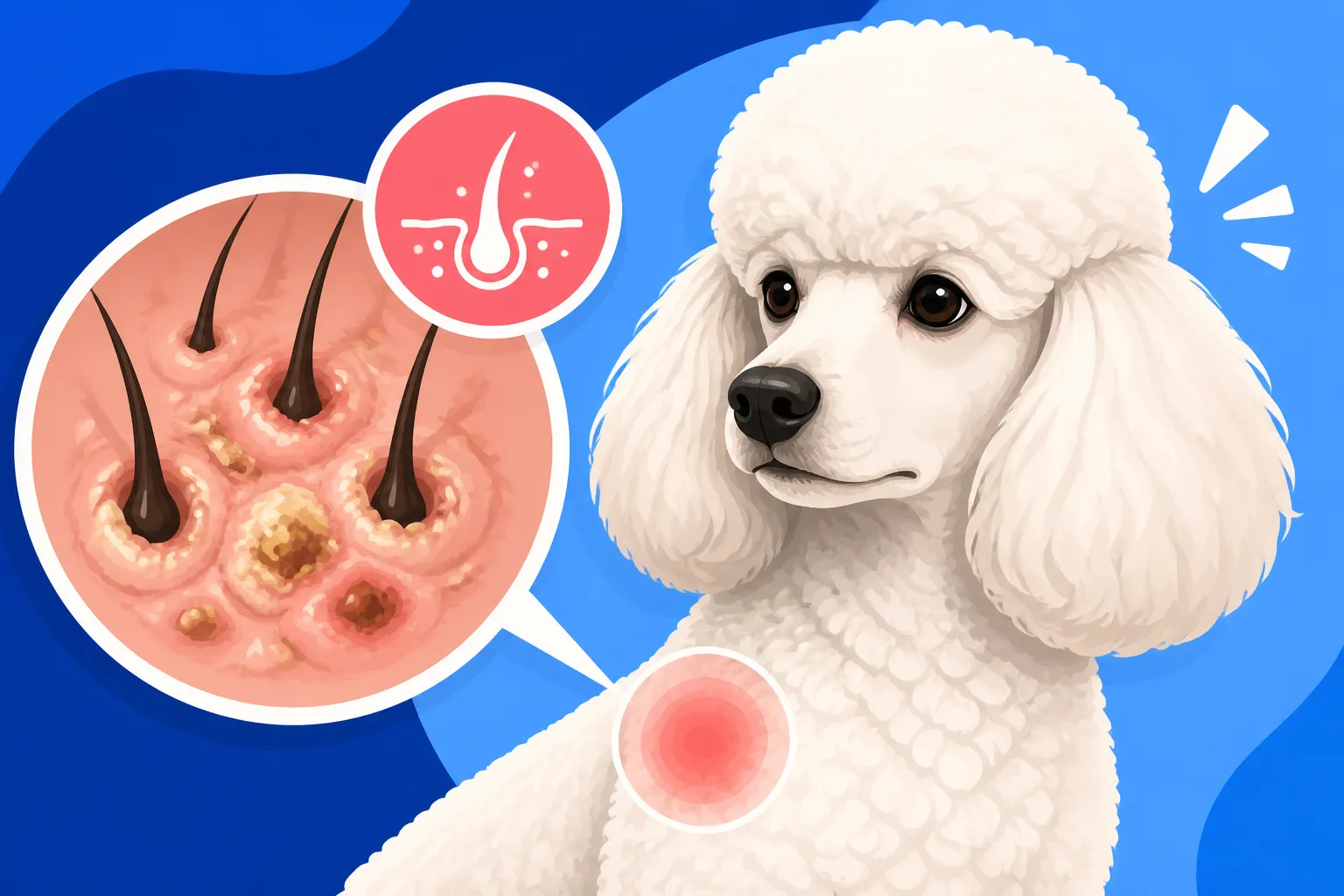
As the sebaceous glands here begin to fail, the hair follicles become starved of their natural lubrication. This leads to a build-up of keratin and cellular debris, forming visible scales or crusts on the skin surface. These scales often look like silvery dandruff or small, compacted flakes that adhere to the hair shaft and are difficult to brush out. The hair itself will become brittle, breaking easily, leading to a thinned or sparse appearance in patches across the back. In some cases, you might even feel small, firm bumps under the skin, which are the inflamed or damaged glands themselves. For a more visual understanding, our article How Adenitis Shows Up on a Poodle's Back offers further insights.
The skin beneath these areas of hair loss and scaling will often appear dry, thickened, and sometimes reddened, especially if secondary infections have taken hold. The texture of the skin itself might feel rough or leathery compared to the healthy, soft skin elsewhere on your Poodle’s body. This presentation can be particularly striking in Poodles with darker coats, where the silvery scales and dull hair stand out against the deeper color. It's a hallmark presentation of SA in Poodles and a strong indicator that something more serious than simple dry skin is at play.
The Unfolding Disease: How SA Progresses
Sebaceous Adenitis is a progressive condition, meaning it tends to worsen over time if left untreated. The initial subtle changes can evolve into more severe dermatological issues, impacting not just your Poodle’s physical comfort but also their overall quality of life. Understanding this progression helps set realistic expectations for management and emphasizes the importance of consistent care.
From Mild Flaking to Significant Hair Loss
The journey of SA often begins with those mild, almost unnoticeable flakes and a slight dullness to the coat, perhaps around 1 to 5 years of age, though it can appear at any point. Many owners might simply increase their Poodle's bathing frequency or switch shampoos, hoping to resolve what seems like simple dry skin or dandruff. But without addressing the underlying immune attack, the destruction of the sebaceous glands continues relentlessly. As more glands are damaged, the skin's ability to moisturize itself diminishes further, leading to more pronounced dryness and scaling.
Over months or even years, these initial flaky patches become larger, the scaling more severe, and the hair loss more noticeable. Instead of just thinning, you might see distinct patches of alopecia (hair loss), often symmetrical, particularly along the back, sides, and top of the head. The remaining hair in affected areas becomes extremely brittle, breaks off easily, and may feel unusually coarse or matted. Some Poodles can eventually lose significant portions of their coat, leaving large areas of bare, thickened, and often hyperpigmented (darkened) skin.
This significant hair loss and skin damage can dramatically alter your Poodle's appearance. What was once a hallmark of the breed—its luxurious, curly coat—becomes a source of distress. It can be emotionally taxing for owners to witness this transformation in their beloved pet, and it also makes grooming much more challenging, as the compromised skin is very sensitive. It's a stark reminder that SA is much more than just a cosmetic problem; it's a serious skin disease.
The Impact on Your Poodle's Overall Well-being
Beyond the visible skin and coat issues, progressive SA can significantly impact your Poodle's general well-being. Chronic itching, even if intermittent, can be incredibly stressful and irritating. Imagine living with an itch you can’t fully relieve. This constant discomfort can lead to behavioral changes, such as increased restlessness, irritability, or even withdrawal. A Poodle who was once playful and engaged might become subdued or less enthusiastic about their usual activities.
Furthermore, the compromised skin barrier and frequent secondary bacterial or yeast infections can lead to a general feeling of malaise. Your Poodle might develop a fever in severe cases of infection, become lethargic, or have a decreased appetite. These systemic signs indicate that the body is fighting a battle on multiple fronts. The discomfort and chronic inflammation can also take a toll on their immune system, potentially making them more susceptible to other illnesses. While SA itself is rarely fatal, the severe secondary infections, if left unchecked, can lead to serious complications.
The ongoing management of SA also demands a significant amount of time and effort from owners, which, while necessary, can sometimes feel overwhelming. Regular specialized baths, topical treatments, and medication schedules become part of daily life. This constant need for intervention, coupled with the visible decline in their Poodle's coat, can be emotionally draining for dedicated pet parents. This highlights why effective, consistent management is critical not just for the Poodle’s skin but for their holistic health and happiness.
Whether Poodle Adenitis Can Be Reversed
This is perhaps one of the toughest questions for owners facing a SA diagnosis: can we make it go away? Unfortunately, Sebaceous Adenitis is generally considered an incurable, chronic condition. This means that once the sebaceous glands are destroyed, they cannot regenerate or be "fixed" to start producing sebum again. The immune system's attack is irreversible. This is a hard truth to accept, and it's important for owners to understand this reality from the outset.
However, "incurable" does not mean "untreatable" or "unmanageable." While we cannot reverse the damage or permanently stop the autoimmune process, we can effectively manage the symptoms and slow the progression of the disease. The goal of treatment is not a cure, but rather to minimize inflammation, control secondary infections, replace lost sebum, and improve the quality of the skin and coat. Many Poodles, with consistent and dedicated care, can achieve a state of remission or significant improvement, living comfortable lives with a much healthier coat than they would without intervention. Our article Whether Poodle Adenitis Can Be Reversed expands on this distinction.
The success of managing SA often depends on early diagnosis, consistent application of treatments, and a strong partnership between the owner and veterinarian. It requires patience and persistence, as finding the right combination of therapies can sometimes be a process of trial and error. While the dream of a full reversal might not be possible, achieving a high quality of life for your Poodle, free from constant discomfort and infection, is a very realistic and attainable goal.
The Path to Diagnosis: Confirming SA
When your Poodle develops skin problems, Sebaceous Adenitis is just one of many possibilities. Allergies, parasites, nutritional deficiencies, and other autoimmune conditions can all present with similar symptoms. This is why a thorough diagnostic process is essential to accurately identify SA and rule out other diseases, ensuring your Poodle receives the correct treatment plan.
Initial Veterinary Examination and Ruling Out Other Conditions
The diagnostic journey usually begins with a comprehensive physical examination by your veterinarian. They’ll ask you detailed questions about the onset of symptoms, any changes in your Poodle's behavior, diet, or environment, and what home remedies you might have already tried. This history-taking is crucial for painting a full picture. Your vet will then meticulously inspect your Poodle's skin and coat, paying close attention to the pattern of hair loss, the type of scaling, and any signs of inflammation or infection. They'll also check other areas of concern you might not have noticed, like the ear canals.
To rule out common culprits, your vet will likely perform several initial tests. This often includes skin scrapings to check for external parasites like mites, which can cause intense itching and hair loss. They might also take samples for fungal cultures to exclude ringworm, another condition that mimics SA. In some cases, cytology (examining cells under a microscope) of skin surface samples can quickly identify secondary bacterial or yeast infections. Blood tests might be run to check for underlying systemic issues, such as thyroid problems, which can also affect coat quality. It's a process of elimination, gradually narrowing down the possibilities until SA becomes the most likely suspect.
It’s important to be patient during this stage. Skin conditions can be notoriously difficult to diagnose, and rushing to conclusions can lead to ineffective treatments. Your vet is essentially playing detective, using various tools to gather clues. If these initial tests come back negative for common issues, and your Poodle's symptoms are highly suggestive of SA (especially given the breed predisposition), then the next, more definitive diagnostic step will be recommended.
Skin Biopsies That Confirm Poodle Adenitis
The definitive diagnosis of Sebaceous Adenitis requires a skin biopsy. This is not a guess; it's a microscopic examination of tissue that reveals the specific cellular changes characteristic of SA. Your veterinarian will typically take several small tissue samples from affected areas of your Poodle's skin, usually under sedation or local anesthesia. These samples are then sent to a specialized veterinary dermatopathologist, who is an expert in diagnosing skin diseases from tissue samples.
The dermatopathologist will examine the biopsied tissue under a microscope, looking for tell-tale signs: inflammation around the sebaceous glands, degeneration or destruction of these glands, and hyperkeratosis (excessive scaling) of the hair follicles. The specific pattern of cellular infiltration and glandular destruction is what differentiates SA from other inflammatory skin conditions. It's a precise diagnostic tool that leaves little room for doubt. You can learn more about this crucial step in our article, Skin Biopsies That Confirm Poodle Adenitis.
While a biopsy might sound daunting, it's a relatively straightforward procedure and absolutely necessary for an accurate diagnosis. Without it, you could be treating the wrong condition, leading to frustration, unnecessary expense, and continued discomfort for your Poodle. For instance, if you were to treat SA as an allergy with steroids, it could actually suppress the immune system further, potentially making the underlying autoimmune condition worse in the long run. Getting that definitive answer is the cornerstone of effective management.
Understanding the Biopsy Results
Once the biopsy samples have been analyzed by the dermatopathologist, a detailed report will be sent back to your veterinarian. This report will clearly state whether Sebaceous Adenitis has been confirmed, and often, it will also describe the severity of the changes observed in the tissue. This information is invaluable for your vet to formulate the most appropriate and tailored treatment plan for your individual Poodle.
The report might use terms like "periadnexal inflammation," "sebaceous gland atrophy," or "follicular keratosis." Your vet will interpret these findings for you in plain language, explaining what they mean for your Poodle’s condition. They'll also discuss whether the biopsy revealed any secondary infections that might need to be addressed concurrently. It's important to ask questions and ensure you fully understand the diagnosis and its implications. Don't hesitate to ask for clarification on any terms you don't recognize.
Receiving a confirmed SA diagnosis can be a relief in one sense, as it finally provides an answer to your Poodle’s ongoing skin issues, but it can also be overwhelming due to the chronic nature of the disease. This is where a strong partnership with your vet becomes even more critical. They will guide you through understanding the results, what the future care will entail, and how to best support your Poodle. It's the moment to transition from seeking a diagnosis to actively managing the condition.
Navigating Treatment: Strategies for Managing SA
While Sebaceous Adenitis is incurable, effective treatment can significantly improve your Poodle's comfort and coat quality. The goal is to manage the symptoms, reduce inflammation, combat secondary infections, and provide essential moisture to the skin. Treatment often involves a multi-modal approach, combining topical and systemic therapies, tailored to the individual Poodle's needs and the severity of their condition.
Topical Treatments and Oil Soaks for a Poodle With Adenitis
Topical treatments are the cornerstone of SA management, directly addressing the dryness and scaling that results from the lack of sebum. The most effective approach involves frequent, specialized bathing and moisturizing. This usually means therapeutic shampoos designed to remove scales and crusts (keratolytic shampoos) and deeply hydrating conditioners or leave-in moisturizers to replenish the skin's moisture barrier. These baths aren't just about getting clean; they are a critical part of the medical treatment.
A highly recommended and often very effective topical treatment is the use of oil soaks. These involve saturating your Poodle's coat and skin with an emollient oil, such as mineral oil, baby oil, or a combination of oils like jojoba and coconut oil, allowing it to penetrate the skin for several hours before a therapeutic bath. The oil works to soften the scales, loosen debris, and provide much-needed moisture. It’s a messy process, no doubt, but many owners report significant improvement in skin hydration and reduction in flaking. Our article on Oil Soaks for a Poodle With Adenitis provides detailed instructions on how to perform these at home effectively.
Consistency is absolutely key with topical treatments. These aren't once-a-week solutions; in the initial stages, you might be bathing and performing oil soaks every few days. As the condition improves, the frequency can often be reduced, but regular maintenance will be a lifelong commitment. These topical therapies directly compensate for the sebaceous glands' failure, acting as an external replacement for the lost natural oils and helping to restore the skin's protective function.
Oral Medications and Immune Modulation
Beyond topical care, many Poodles with SA require systemic medications to modulate their immune response and control inflammation. The primary goal of these oral medications is to calm the overactive immune system that is attacking the sebaceous glands. Common choices include cyclosporine (e.g., Atopica), which is an immunosuppressant that has shown good efficacy in many SA cases. It works by targeting specific immune cells responsible for the inflammatory response, effectively hitting the "pause button" on the destructive process.
Other medications that might be considered include oral corticosteroids, though these are typically used for short periods to bring severe inflammation under control due to their potential long-term side effects. Omega-3 fatty acid supplements are often recommended as an adjunctive therapy due to their natural anti-inflammatory properties, supporting skin health from within. Your vet might also prescribe oral antibiotics or antifungals if significant secondary infections are present, working in conjunction with topical medicated shampoos to clear up these concurrent issues.
Finding the right combination and dosage of oral medications often involves a period of adjustment. Your vet will monitor your Poodle closely for effectiveness and any potential side effects. These systemic treatments are generally long-term commitments, as discontinuing them can lead to a relapse of symptoms. While they don't cure SA, they play a crucial role in managing the disease, making your Poodle significantly more comfortable and improving their coat quality. It's a delicate balance, aiming to suppress the immune attack without compromising the Poodle's overall health.
Holistic Approaches and Nutritional Support
Many Poodle owners, in their quest to provide the best care for their SA-affected companions, explore holistic approaches and focus intently on nutritional support. While not a standalone cure, these methods can often complement conventional treatments, enhancing overall skin health and bolstering the immune system. The idea is to support the body's natural healing processes and reduce systemic inflammation.
Nutritional support often centers around a high-quality diet rich in essential fatty acids, particularly Omega-3s, which are well-known for their anti-inflammatory benefits. Some owners opt for fresh food diets or carefully balanced raw diets under veterinary guidance, believing that a less processed diet can reduce the immune system's burden. Supplements like Vitamin A (specifically retinyl palmitate, as synthetic retinoids can be harsh), Vitamin E, and zinc are sometimes recommended, as these play vital roles in skin health and immune function. It's crucial, however, to discuss any dietary changes or supplements with your vet to ensure they are appropriate and correctly dosed for your Poodle. Over-supplementation can be harmful.
Other holistic therapies might include acupuncture, herbal remedies, or specialized grooming products formulated with natural ingredients like aloe vera or oatmeal to soothe irritated skin. While scientific evidence for many of these approaches in SA is anecdotal, some owners report positive results when used in conjunction with veterinary-prescribed treatments. The key is to view them as complementary, not as replacements for proven medical interventions. Always ensure any holistic practitioner you consult works in collaboration with your primary veterinarian to ensure a cohesive and safe treatment plan for your Poodle.
Daily Life with an SA Poodle: Care and Comfort
Living with a Poodle diagnosed with Sebaceous Adenitis is a commitment, but it’s one filled with love and dedication. The daily routine will undoubtedly shift to accommodate their specific needs, especially concerning grooming and monitoring their health. However, with consistent effort, your Poodle can continue to be a happy, cherished member of your family.
The Intensive Grooming Routine
Prepare for a significant increase in your grooming duties. The Poodle's coat, already demanding, becomes even more so with SA. Regular and thorough brushing is critical to prevent matting and to help distribute natural or applied oils. Line brushing, ensuring you get down to the skin, is more important than ever. You'll also need to check for new patches of dryness, flaking, or early signs of infection. This isn't just cosmetic; it's therapeutic. Neglecting the coat can lead to severe matting, which further traps moisture and debris, exacerbating skin issues and increasing discomfort. You might find our article on Budgeting for a Poodle Coat That Never Stops particularly relevant, as it discusses the financial aspect of such intensive care.
Specialized bathing becomes a frequent, non-negotiable part of the routine. Depending on the severity, this could mean baths every few days or weekly. These baths involve therapeutic shampoos and rich conditioners, often followed by medicated rinses or leave-on moisturizing sprays. The process can be time-consuming, but it’s essential for removing scales, calming inflammation, and delivering moisture directly to the skin. After bathing, thoroughly drying the coat is crucial to prevent yeast or bacterial overgrowth, but gentle drying is key to avoid irritating already sensitive skin.
Many owners with SA Poodles eventually learn to clip their dogs at home, opting for shorter, more manageable clips to make the bathing and treatment application easier. This doesn't mean you can skip the brushing or the special products, but a shorter coat can be less prone to matting and easier to inspect for skin changes. Regardless of whether you use a professional groomer or do it yourself, the grooming regimen for an SA Poodle is a labor of love that directly contributes to their comfort and health. It is often the biggest change in routine for owners, and it's a critical component of successful management, highlighting that What Grooming Adds to a Poodle's Lifetime Cost goes beyond just aesthetics.
Preventing Secondary Complications
With a compromised skin barrier, Poodles with SA are highly prone to secondary bacterial and yeast infections. Preventing these complications is a major focus of daily care. Consistent application of topical treatments, especially medicated shampoos and rinses prescribed by your vet, is your first line of defense. These products help to control the microbial population on the skin, reducing the chances of overgrowth. Regular skin checks during grooming will help you spot early signs of infection – redness, pustules, excessive greasiness, or an unusual odor – so you can address them quickly with your vet.
Maintaining a clean living environment for your Poodle is also important. Regularly washing their bedding, keeping their food and water bowls clean, and ensuring they have a dry, comfortable space can minimize exposure to environmental pathogens. If your Poodle spends time outdoors, especially in damp or muddy conditions, ensure you clean and dry their paws and any other affected areas thoroughly to prevent moisture-related skin issues.
Sometimes, despite best efforts, secondary infections will still occur. When they do, prompt veterinary attention is vital. Your vet might prescribe oral antibiotics or antifungals in addition to adjusting topical treatments. Ignoring these infections not only prolongs your Poodle's discomfort but can also lead to more severe, harder-to-treat dermatological problems. Proactive prevention and swift action when complications arise are essential for keeping your SA Poodle as healthy and comfortable as possible.
Emotional Support for Your Affected Poodle
Living with a chronic skin condition like SA can be physically uncomfortable for your Poodle, but it can also be emotionally taxing for them. Persistent itching, frequent baths, and veterinary visits can all contribute to stress and anxiety. Providing consistent emotional support and reassurance is just as important as the physical treatments. Your Poodle needs to feel safe, loved, and understood through this journey.
Maintain a predictable routine as much as possible, as this can reduce anxiety. Make grooming sessions a positive experience by using gentle handling, plenty of praise, and high-value treats. If your Poodle finds baths particularly stressful, explore ways to make them more pleasant, such as using a non-slip mat, calming music, or even involving another family member for extra reassurance. Short, positive training sessions can also help distract them and reinforce good behavior during necessary procedures.
Poodles are sensitive souls, and they pick up on our emotions. If you're stressed and frustrated by the disease, they might sense it and become anxious themselves. Try to approach their care with a calm, patient demeanor. Continue to engage them in appropriate play and mental stimulation, adapting activities if their skin discomfort limits physical exertion. Your unwavering love and consistent emotional support will be invaluable in helping your Poodle cope with their condition and maintain their happy spirit.
The Genetics of SA: Breeding and Prevention
The hereditary nature of Sebaceous Adenitis means that responsible breeding practices are the most effective long-term strategy for reducing its prevalence in Poodles. For prospective owners, understanding the genetic aspect is key to making informed decisions when choosing a puppy.
Understanding the Inherited Link
The strong breed predisposition of Poodles, particularly Standard Poodles, to Sebaceous Adenitis is a clear indicator of its genetic basis. While the exact mode of inheritance can be complex, it's generally understood to involve specific genes that predispose a Poodle to developing the condition. This means that SA isn't something a Poodle "catches" from the environment; they are born with the genetic blueprint that makes them susceptible.
Dogs carrying these genes might not show symptoms themselves, making them "carriers" who can still pass the predisposition to their offspring. This silent carriage is why SA can persist in breeding lines even when breeders are careful to only breed seemingly healthy dogs. When two carriers are bred, there's a higher statistical chance that their puppies will inherit two copies of the problematic genes, thus expressing the disease. This is a classic challenge with recessive or polygenic inherited conditions, making elimination a slow and difficult process without specific genetic tests.
Understanding this inherited link highlights the ethical responsibility of breeders to minimize the risk of passing on SA. For potential puppy buyers, it emphasizes the importance of thorough research into a breeder's practices and the health history of the breeding pair and their relatives. While no breeder can guarantee a Poodle will never develop SA, especially given its variable onset, transparent practices regarding health screening are paramount.
What a Poodle Breeder Must Test For to Reduce Risk
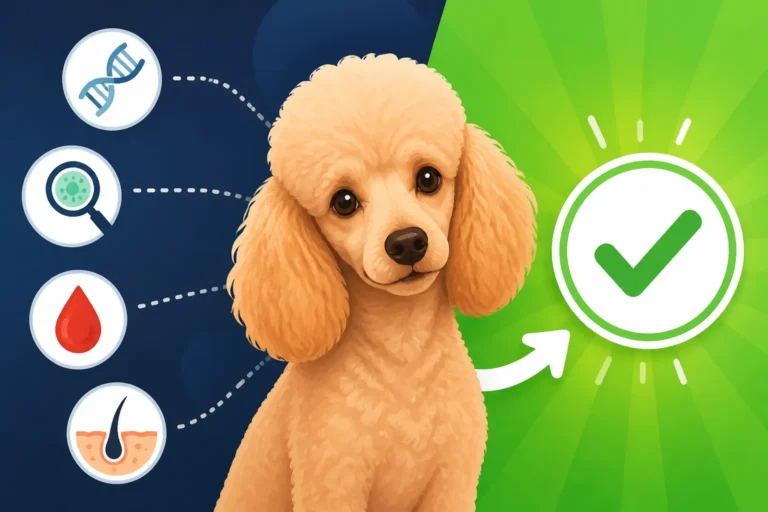
Responsible Poodle breeders committed to reducing the incidence of SA will go to great lengths to screen their breeding stock. While a direct DNA test for SA isn't widely available or completely definitive for all forms of the disease, there is a method for screening potential breeding dogs: a diagnostic biopsy. Some breeders will have their potential breeding dogs biopsied even if they show no symptoms, especially if SA is known in their lines. This biopsy, usually performed around two years of age, can detect subclinical (not yet visible) inflammatory changes in the sebaceous glands. However, this is not a common practice globally, and its interpretation can be tricky in outwardly healthy dogs.
More commonly, breeders rely on careful pedigree analysis and tracking the health of all related dogs. A reputable breeder will have an extensive knowledge of their lines, asking puppy buyers to report any health issues throughout their Poodle's life. If SA has appeared in previous litters or in close relatives of a potential breeding dog, that dog should ideally be removed from the breeding program, or very carefully considered for breeding only to mates with no known SA history in their lines, to reduce risk. This meticulous tracking and transparency are crucial. For a broader overview of essential health checks, refer to What a Poodle Breeder Must Test For.
Unfortunately, due to the late onset of SA symptoms in many Poodles (sometimes appearing after they've already been bred), and the complexity of its inheritance, eradicating it completely is an ongoing challenge. This means that even with the most diligent breeders, there's always a residual risk. As a buyer, asking detailed questions about the health history of both parents, grandparents, and any previous litters, and seeking breeders who are transparent about any SA cases in their lines, is your best defense.
The Broader Implications for the Poodle Gene Pool
The presence of Sebaceous Adenitis, along with other breed-specific genetic conditions like Addison's disease or certain eye conditions, has significant broader implications for the overall Poodle gene pool. When a disease is prevalent within a breed, breeders face a dilemma: eliminate affected dogs and their carriers from breeding, potentially narrowing the gene pool, or continue to breed them with careful selection, risking perpetuation of the disease. This balancing act is crucial for the long-term health and genetic diversity of the breed.
Narrowing the gene pool too much can lead to an increased incidence of other recessive genetic conditions, as fewer unique genetic combinations are available. This is a concern that has driven discussions about how to approach genetic health issues in many purebred dogs. You can explore these challenges further in articles like Why the Standard Poodle Gene Pool Narrowed. The goal is to make informed decisions that reduce disease prevalence without inadvertently creating new genetic vulnerabilities or excessively limiting the genetic diversity that keeps a breed robust.
For the Poodle, continued research into the genetics of SA is vital. Identifying specific genetic markers would allow for more precise DNA testing, enabling breeders to definitively screen for carriers and make more informed breeding decisions without having to rely solely on biopsies or pedigree analysis. Until such tests are universally available and accurate, the commitment of individual breeders to health screening, transparency, and careful selection remains the most powerful tool in safeguarding the future health of the Poodle breed against conditions like Sebaceous Adenitis.
Financial and Emotional Realities of SA
A diagnosis of Sebaceous Adenitis in your Poodle isn't just a medical concern; it carries significant financial and emotional weight for owners. The chronic nature of the disease means a long-term commitment to care, which can be costly and emotionally draining. Preparing for these realities is an important part of managing the condition effectively.
Estimating the Costs of Long-Term Care
The ongoing treatment for Sebaceous Adenitis involves a combination of specialized shampoos, conditioners, topical treatments, dietary supplements, and often lifelong oral medications like cyclosporine. These products and prescriptions are not inexpensive. Cyclosporine, for example, can be quite costly, especially for a larger Standard Poodle, easily running into hundreds of dollars per month. These aren't one-time expenses but recurring costs that continue month after month, year after year.
Beyond medications, you'll need to factor in regular veterinary check-ups to monitor your Poodle's progress and adjust their treatment plan. These visits will include examinations, and sometimes blood work to monitor organ function, especially if your Poodle is on immunosuppressants. If secondary infections frequently occur, you'll have additional costs for diagnostic tests (like cytology or cultures) and antibiotics/antifungals. The intensive grooming supplies, from therapeutic shampoos to high-quality brushes and potentially professional grooming fees (if you don't do it yourself) also add up significantly over time.
It’s not uncommon for the annual cost of managing moderate to severe SA to run into thousands of dollars. While it’s certainly an investment, the alternative is a Poodle living in chronic discomfort, which is something no loving owner wants. Creating a budget and understanding these long-term financial implications upfront can help you plan and avoid future stress. Don't be afraid to discuss the costs with your vet and explore options for generic medications or bulk purchases where available.
Insuring a Poodle Before Any Diagnosis
Pet insurance can be a lifeline for owners facing chronic conditions like Sebaceous Adenitis, but the timing of when you get it is critical. Most pet insurance policies consider pre-existing conditions, which means if your Poodle has already been diagnosed with SA (or has shown symptoms that led to a diagnosis) before you enroll in a policy or before the waiting period ends, the treatment for SA will likely not be covered. This is a common frustration for many pet parents who only think about insurance once a problem arises.
Therefore, the ideal time to insure your Poodle is when they are a healthy puppy or young adult, before any health issues manifest. This way, if SA develops later in life, the condition would be covered under most comprehensive accident and illness policies, significantly offsetting those substantial lifelong treatment costs. Policies vary, so it's crucial to read the fine print and understand what is covered, what the deductibles are, and what the reimbursement percentages entail. Our guide on Insuring a Poodle Before Any Diagnosis provides more detailed advice on this topic.
Some reputable insurance providers, such as Healthy Paws, offer comprehensive coverage that can help with these ongoing costs, but again, the condition must not be pre-existing. Imagine having to pay hundreds of dollars monthly for medications, plus vet visits, without any insurance assistance – it can be a crushing burden. Investing in a good pet insurance policy when your Poodle is young and healthy is one of the smartest financial decisions you can make to prepare for unexpected chronic conditions like SA. It provides immense peace of mind.
Coping with the Emotional Toll
Beyond the financial strain, living with a Poodle with Sebaceous Adenitis can take a considerable emotional toll on owners. Watching your beloved companion suffer, seeing their once-beautiful coat deteriorate, and knowing that there's no cure can be incredibly disheartening. There's often a sense of guilt, wondering if you could have done something differently, even when you know it's a genetic condition. The relentless cycle of treatments, flare-ups, and managing secondary infections can also lead to caregiver fatigue and stress.
It’s perfectly normal to feel overwhelmed, frustrated, sad, or even angry at times. Acknowledge these feelings rather than suppressing them. Connect with other Poodle owners who have faced similar challenges; support groups, whether online or in person, can provide invaluable emotional validation and practical advice. Sharing experiences can remind you that you are not alone in this journey. Your veterinarian and their team can also be a source of support, offering empathy and guidance.
Remember, your Poodle relies on you. While it's okay to feel these emotions, try to channel them into consistent and loving care. Focus on the positive aspects: the joy your Poodle brings, the improvements you see with treatment, and the special bond you share. Celebrating small victories, like a day with less itching or a patch of hair starting to grow back, can help sustain your spirit. Giving your Poodle the best possible quality of life, despite their condition, is a profound act of love and one of the most rewarding parts of being a pet parent.
Disclaimer
The information provided in this article is for general informational purposes only and is not intended as a substitute for professional veterinary advice. Always consult with a qualified veterinarian for any health concerns or before making any decisions related to your Poodle's health and treatment plan.