Fresh Food Portions Across Poodle Sizes
Deciding to feed your beloved Poodle fresh food is a wonderful step towards optimizing their health, but it often brings a whole new set of questions, especially when you're looking at your tiny Toy Poodle next to a magnificent Standard. Many of us find ourselves scratching our heads, wondering if a tablespoon here or a half-cup there is truly right for our specific Poodle, and the fear of under or overfeeding can be quite real. This guide will walk you through understanding how to properly portion fresh food for Poodles of all sizes, ensuring your curly companion gets exactly what they need to thrive.
The Appeal of Fresh Food for Our Poodles and the Portioning Puzzle
It’s no secret that Poodle owners, myself included, are always looking for ways to give our dogs the very best. We adore their quirky personalities and stunning good looks, and we want them to feel as good as they make us feel. The world of fresh dog food has gained a lot of traction, and for good reason, but it also introduces a new layer of complexity when it comes to serving up the right amount.
Why Poodle Owners Are Turning to Fresh Diets
There's a growing movement among pet parents to scrutinize what goes into our dogs' bowls, moving away from highly processed kibble towards more natural, wholesome options. Many Poodle owners report seeing incredible benefits when switching to fresh food, from a more vibrant, healthy coat that shines even brighter to improved digestion and boundless energy. It just feels right to feed them something that looks like actual food, something we might even consider eating ourselves. The idea that we're giving them whole ingredients, free from mysterious fillers and preservatives, really resonates with our desire to nurture them.
For Poodles, with their sometimes sensitive digestive systems and propensity for certain skin issues, a fresh diet can sometimes make a noticeable difference. You might find a reduction in itching, better stool consistency, and just an overall sparkle in their eye that wasn't there before. This isn't just about trends; it's about trying to provide optimal nutrition, and when you see your Poodle thriving, it's incredibly validating.
The "One Size Fits All" Myth in Poodle Nutrition
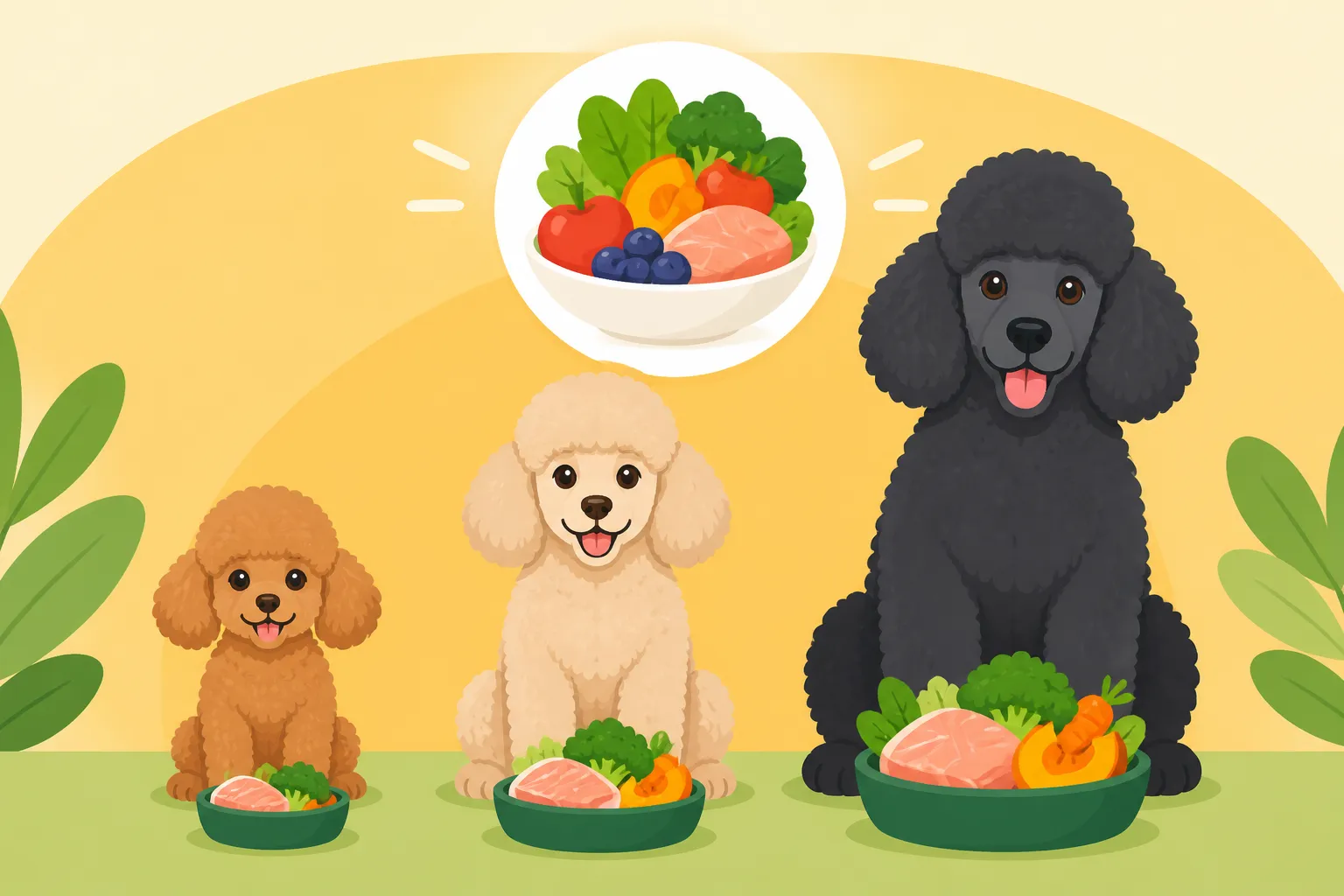
Here’s where the challenge often begins: Poodles come in three distinct sizes – Toy, Miniature, and Standard. These aren't just cosmetic differences; they represent significant variations in metabolism, energy requirements, and even potential health concerns. What works for a robust 60-pound Standard Poodle will almost certainly be far too much or entirely inappropriate for a delicate 6-pound Toy Poodle. It's a common frustration to see generic feeding guidelines on pet food packaging that give a broad range, especially for fresh food that might be home-prepared.
The "one size fits all" approach to feeding simply doesn't fly with our Poodles. A Toy Poodle's tiny stomach can only hold so much, yet their metabolism runs at a higher rate, demanding calorie-dense meals. A Standard Poodle, on the other hand, needs a substantial quantity of food to fuel their larger frame and often higher activity levels, but they also face unique concerns like bloat if fed improperly. Ignoring these size differences can lead to nutrient deficiencies, obesity, or even exacerbate existing health conditions. It’s a puzzle, for sure, but one we can solve with a bit of understanding.
Understanding Caloric Needs by Poodle Size and Life Stage
The foundation of proper fresh food portioning lies in truly understanding the unique caloric and nutritional demands of your specific Poodle size and stage of life. It’s not just about giving them "enough"; it's about giving them the right amount.
Toy Poodles: Mighty Appetites in Tiny Packages
Our tiny Toy Poodles, often weighing in at under 10 pounds, are metabolic marvels. They burn through calories at an incredibly fast rate, which is why they seem to eat a surprising amount for their size, or at least need consistent access to food. Their small body mass means they lose heat more quickly and have less energy reserve. This makes them particularly susceptible to Blood Sugar Crashes in a Toy Poodle or Hypoglycemia in a Toy Poodle Puppy if their meals are too far apart or if they aren't getting enough calories.
For a Toy Poodle, fresh food portions need to be calorie-dense and ideally spread out over several small meals throughout the day. Their little stomachs can't handle a huge volume at once, so frequent, smaller servings prevent discomfort and keep their blood sugar stable. For instance, a fresh food meal might be a couple of tablespoons of ground meat, cooked vegetables, and a small amount of healthy fat, served two to three times a day for an adult. If you're using a commercial fresh food service like Ollie, you might find their pre-portioned meals incredibly helpful for precise feeding of your small Poodle. It takes the guesswork out and ensures they’re getting consistent, balanced nutrition without you needing to weigh out tiny amounts. Remember to always use food sized appropriately for their small jaws, which can be an issue for Why Small Poodles Lose Teeth Early.
Miniature Poodles: The Balanced Middle Ground
Miniature Poodles typically fall between 10 and 15 inches tall and weigh between 15 and 17 pounds. They have a more moderate metabolism compared to their Toy counterparts, but are often still quite active and playful. Their caloric needs are less extreme than the Toy, but still require careful consideration to prevent weight gain or insufficient energy.
For a Miniature Poodle, portions will naturally be larger than a Toy's but still smaller than a Standard's. They might do well on two meals a day, each containing a balanced mix of fresh ingredients. The goal is to provide enough fuel for their daily exercise and mental stimulation without overdoing it. A good starting point might be half a cup to a full cup of fresh food per meal, depending on their activity level and the calorie density of the food itself. Monitoring their body condition is key; you want to be able to feel their ribs easily without seeing them jutting out, and they should have a discernible waist.
Standard Poodles: Fueling a Large, Active Brain and Body
Standard Poodles, majestic and athletic, require a significant amount of fuel to maintain their larger bodies, which can range from 40 to 70 pounds or more. They are often high-energy dogs, bred for retrieving, and they need appropriate nutrition to support their active lifestyles. However, with their deep chests, Bloat and the Deep Standard Poodle Chest is a serious concern, making how you feed them almost as important as what you feed them.
For a Standard Poodle, fresh food portions will be considerably larger, and often, breaking their daily intake into two or even three meals can help reduce the risk of bloat by preventing them from gulping down a massive amount of food at once. A typical adult Standard Poodle might need 2-4 cups of fresh food per day, divided. Factors like activity level, age, and whether they are intact or spayed/neutered will heavily influence this. For example, a working or highly active Standard Poodle will require more calories than a less active companion. Consider if a slow feeder bowl might also be beneficial for them. You might be surprised by How Much Food a Standard Poodle Eats Yearly, so budgeting is important.
Table: General Fresh Food Portioning Considerations by Poodle Size (Approximate)
| Poodle Size | Typical Weight Range | Metabolic Rate | Daily Meals (Adult) | Portion Size Guideline (per meal) | Key Considerations |
|---|---|---|---|---|---|
| Toy | 4-10 lbs | High | 2-3 | 2-4 tbsp | Prevent hypoglycemia, small stomach capacity, calorie-dense |
| Miniature | 15-17 lbs | Moderate | 2 | 1/2 – 1 cup | Balanced energy, avoid overfeeding |
| Standard | 40-70+ lbs | Moderate | 2-3 | 1-2 cups | Bloat prevention, high activity, lean body condition |
Note: These are general guidelines. Individual needs vary greatly based on age, activity, and specific food formulation. Always consult your vet.
Practical Tips for Portioning Fresh Food at Home
Even with the best intentions, portioning fresh food can feel like a guessing game. But with a few practical tips, you can ensure your Poodle is getting an accurate and consistent diet.
Calculating Your Poodle's Daily Caloric Intake
The most precise way to determine your Poodle's fresh food portions is by calculating their daily caloric needs. This isn't as daunting as it sounds! While a vet or veterinary nutritionist is the best resource, you can start with a basic understanding of Resting Energy Requirement (RER) and then factor in activity.
- RER: This is the energy your Poodle needs to perform basic bodily functions at rest. A common formula for RER (in kcal/day) is 70 x (body weight in kg)^0.75.
- Activity Factor: Once you have the RER, you multiply it by an activity factor:
- Sedentary/Neutered Adult: 1.2-1.4 x RER
- Intact Adult: 1.6-1.8 x RER
- Active/Working Dog: 2.0-5.0 x RER (this range is huge, indicating how much individual activity matters!)
- Puppy: 2.5-3.0 x RER
For example, a 15-pound (approx. 6.8 kg) neutered Miniature Poodle might have an RER of about 330 kcal. Multiplying by a factor of 1.4 for a moderately active, neutered adult, their daily need would be around 462 kcal. If your fresh food contains 150 calories per cup, you'd feed roughly 3 cups divided over two meals. This calculation becomes your baseline, and then you adjust based on your Poodle's individual response. This approach is much more accurate than simply guessing.
The Importance of Weighing Versus Scooping
When it comes to fresh food, especially if you're preparing it yourself or using a bulk product, precision matters. Different ingredients have different densities. A cup of cooked chicken will weigh differently than a cup of sweet potato mash or a cup of a commercial fresh food blend. Relying on scoops can lead to significant inconsistencies in calorie intake, which can cause subtle weight gain or loss over time.
Investing in a simple kitchen scale is one of the best things you can do for accurate portioning. Weighing your Poodle's food ensures that they receive the exact caloric and nutritional intake you've calculated, day in and day out. This is particularly crucial for smaller Poodles where even a slight overage or underage can have a bigger impact. You'll thank yourself for the consistency, and your Poodle's waistline will, too! Many Poodle owners find that this level of detail helps them keep their dogs at a healthy weight, which is vital for long-term health. Remember to check your Poodle's body condition regularly, especially Feeling Ribs Under a Thick Poodle Coat.
Balancing Macronutrients and Micronutrients
Creating a truly balanced fresh food diet at home requires more than just mixing meat and vegetables. Dogs have specific requirements for proteins, fats, carbohydrates, vitamins, and minerals. Simply feeding cooked chicken and rice, while seemingly healthy, can lead to serious nutrient deficiencies over time if not properly supplemented. This is often where people run into trouble with homemade diets.
If you are cooking for your Poodle, you must work with a veterinary nutritionist to formulate a complete and balanced recipe. They can guide you on the right ratios of muscle meat, organ meat, bone content (or bone meal substitute), fats, and specific vitamins and minerals to add. Without this expert guidance, you risk imbalances that can negatively impact your Poodle's health. For those who prefer the convenience, many reputable fresh food brands available through retailers like Chewy or Amazon offer pre-formulated, balanced options that have been developed by veterinary nutritionists, taking the guesswork out of nutrient balance for you. This allows you to provide fresh food without having to be a canine nutrition expert yourself.
Monitoring Your Poodle's Response to Fresh Food Portions
Feeding is not a set-it-and-forget-it task, especially with fresh food. Your Poodle's body is a dynamic system, and their needs will change over time. Regular monitoring and adjustment are crucial for maintaining their optimal health.
Checking Body Condition Score, Not Just the Scale
While a scale can tell you how much your Poodle weighs, it doesn't tell the whole story, especially under that glorious Poodle coat. A Poodle can look perfectly fine but be carrying a few extra pounds or, conversely, be a bit too lean. That's why understanding your Poodle's Body Condition Score (BCS) is paramount.
The BCS system typically ranges from 1 (emaciated) to 9 (obese), with 4 or 5 being ideal. To check your Poodle's BCS:
- Feel the ribs: You should be able to easily feel your Poodle's ribs without pressing hard, like feeling the knuckles on your hand. They shouldn't be visible, but easily palpable.
- Check the waist: Look down at your Poodle from above. There should be a noticeable tuck in behind their ribs, like an hourglass shape.
- Observe the abdominal tuck: From the side, their abdomen should tuck up slightly from their chest, not hang low or be straight across.
If you can't easily feel your Poodle's ribs, or their waist is less defined, it's time to slightly reduce their fresh food portions. If their ribs are very prominent or they look too thin, a slight increase might be in order. This continuous assessment is far more informative than just a number on the scale and helps you fine-tune their diet. Poodle Obesity and Its Consequences can be severe, so staying vigilant is key.
Adjusting Portions Based on Activity and Age
A Poodle's caloric needs are not static. A rambunctious Poodle puppy exploring the world will have vastly different energy demands than a senior Poodle enjoying a slower pace of life. Similarly, a Standard Poodle regularly participating in agility trials or long hikes will need more fuel than one whose main activity is lounging on the sofa.
- Puppies: Growing Poodle puppies require significantly more calories and specific nutrient balances to support their rapid development. Their fresh food portions will be higher relative to their body weight than an adult's, and they might need to eat more frequently. Feeding a Standard Poodle Puppy or Feeding a Toy Poodle Puppy requires careful planning.
- Seniors: As Poodles age, their metabolism often slows down, and their activity levels may decrease. Caring for an Aging Poodle means you might need to slightly reduce their fresh food portions to prevent unwanted weight gain. However, some senior Poodles might have specific health conditions that increase their caloric needs or require special diets, so always consult your vet. Calorie Needs of a Senior Poodle will shift.
- Activity Level: If you decide to take your Poodle on a long hiking trip or increase their training intensity, you'll need to incrementally increase their food. Conversely, if bad weather keeps you indoors for a few days, a slight reduction might be appropriate to prevent them from putting on weight.
It’s all about flexibility and observation. Watch your Poodle's energy levels, coat condition, and most importantly, their body condition. These are your best indicators for when a portion adjustment is needed.
When to Consult Your Veterinarian or a Veterinary Nutritionist
While these guidelines offer a solid starting point, there are times when professional guidance is absolutely essential. You are your Poodle's best advocate, and knowing when to call in the experts is a crucial part of responsible ownership.
You should always consult your veterinarian if:
- Your Poodle has any underlying health conditions (e.g., diabetes, kidney disease, allergies, Thyroid Disease in Poodles) that could impact their nutritional needs. They might recommend specific dietary changes or restrictions that override general portioning advice.
- You're considering feeding a 100% homemade fresh food diet. As mentioned, balancing macronutrients and micronutrients correctly is very complex, and a veterinary nutritionist can formulate a safe and complete recipe for your Poodle.
- Your Poodle is consistently gaining or losing weight despite your best efforts to adjust portions.
- They are showing any signs of digestive upset (chronic diarrhea, vomiting) on their fresh food diet.
- You're unsure about the specific caloric content of the fresh food you're using, especially if it's a new product or a recipe you've found online.
Think of your vet as a partner in your Poodle's health journey. They have the expertise to tailor advice to your individual Poodle, ensuring they not only enjoy their fresh food but thrive on it, perfectly portioned for their unique needs.
Disclaimer
This article is for general informational purposes only and does not constitute professional advice. Laws, prices and regulations vary by location and change over time. Consult a qualified professional for guidance on your specific situation.