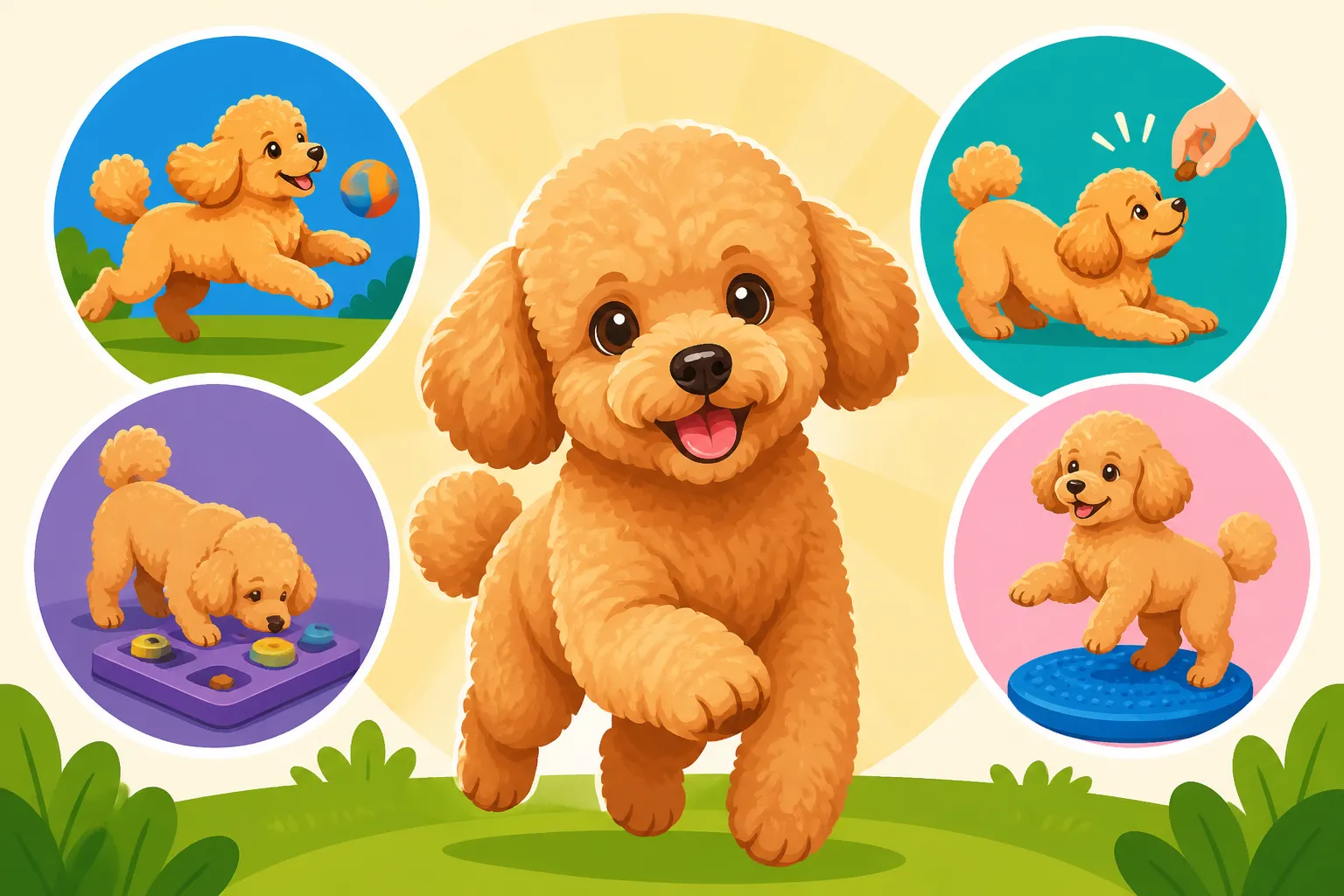
Exercise a Toy Poodle Actually Needs
It’s a common misconception that because Toy Poodles are small, they don't need much exercise. People often assume these tiny dogs are perfectly content to be carried around or nap on the sofa all day, but nothing could be further from the truth. This misunderstanding can lead to bored, anxious, and even destructive behaviors in these intelligent little dynamos. This guide will clarify the real exercise needs of a Toy Poodle, helping you keep your pint-sized companion happy, healthy, and well-behaved.
Understanding the Toy Poodle's Energetic Roots
Before we dive into the specifics, it's vital to remember that a Toy Poodle is, first and foremost, a Poodle. And Poodles, regardless of size, are historically active, intelligent working dogs. Their ancestors were retrieve water dogs, bred to fetch game from the water, which required stamina, agility, and a sharp mind. While the Toy Poodle was selectively bred for companionship and to fit smaller living spaces, they retained much of that inherent drive.
The Myth of the Lazy Lapdog
Many owners, especially first-timers, are drawn to Toy Poodles because of their adorable size and elegant appearance, often picturing a calm, decorative companion. They might be surprised when their tiny poodle starts zooming around the house, gets into mischief, or barks incessantly. This isn't naughtiness; it's often a sign of unmet needs. A Toy Poodle isn't a miniature stuffed animal; they are a dog with a dog's natural instincts and energy, albeit on a smaller scale. Dismissing their need for activity because of their size does them a great disservice and can lead to a host of behavioral issues.
Consider the frustration a human might feel if they were constantly told to sit still and be quiet when they felt full of energy and ideas. It's similar for a Toy Poodle. They have brains that crave stimulation and bodies that need to move. Ignoring these fundamental needs can lead to problem behaviors like excessive barking, chewing furniture, digging, or even house-soiling, simply because they're looking for an outlet for their pent-up energy.
Poodle Energy by Size
While all Poodles share a common ancestry, their energy levels can indeed vary slightly by size, though it's more about how that energy manifests. Standard Poodles, with their larger frames, often need extensive outdoor runs and long walks to tire them out physically. Miniature Poodles fall somewhere in the middle. Toy Poodles, however, possess a surprising amount of energy for their stature. They might not need to run for miles, but they need frequent, intense bursts of activity, coupled with significant mental engagement.
Think of it like this: a Standard Poodle is a marathon runner, needing sustained effort. A Toy Poodle is more of a sprinter or an agility dog, capable of quick, powerful bursts followed by rest, and needing frequent opportunities to engage their mind. They might not cover as much ground, but their intensity is undeniable. It's not about the sheer volume of exercise as much as it is the type and frequency of stimulation.
Daily Exercise Requirements for Your Toy Poodle
So, what does this translate to in practical terms? For most healthy adult Toy Poodles, a combination of structured walks, interactive playtime, and mental challenges is key. The goal isn't just to wear them out physically, but to engage their keen minds as well.
Structured Walks and Outdoor Exploration
Even though they're small, walks are crucial. A Toy Poodle benefits immensely from two to three walks a day, each lasting about 15 to 20 minutes. These aren't leisurely strolls where they just potter along. They need to be brisk enough to get their heart rate up, allowing them to stretch their legs and explore their environment.
During these walks, allow your Toy Poodle opportunities to sniff and investigate. Their noses are powerful tools, and allowing them to follow interesting scents is a form of mental enrichment. A walk isn't just about covering distance; it's about sensory engagement. Think about a small dog's perspective: every blade of grass, every lamppost, every discarded leaf tells a story through scent. Giving them time to "read the newspaper" is just as important as the physical exertion. For their safety and your peace of mind, always use a well-fitting harness for a toy poodle, as a collar can put undue stress on their delicate trachea. You can find excellent, comfortable harnesses designed for small breeds on platforms like Amazon.
On days with challenging weather, like extreme heat or cold, adjust accordingly. Getting a Toy Poodle Outside in the Cold can be a real challenge, so consider using dog booties or a warm sweater. Alternatively, you might shorten the outdoor walk and compensate with more vigorous indoor play.
Interactive Playtime
Beyond walks, interactive play is a fantastic way to burn off energy and strengthen your bond. Aim for two to three dedicated play sessions daily, each lasting around 10 to 15 minutes. This isn't just tossing a toy and letting them entertain themselves; it involves you.
- Fetch: Despite their size, many Toy Poodles love a good game of fetch. Use small, soft toys that are easy for them to pick up and carry. Playing fetch indoors or in a secure, fenced yard can provide great bursts of activity.
- Tug-of-War: This can be a wonderful game, but ensure it's played safely. Use a soft tug toy and teach your poodle a "drop it" cue to prevent resource guarding. Tug engages their natural prey drive and gives them a fantastic physical and mental workout.
- Chase Games: Many Toy Poodles adore being chased (gently!) or chasing you. Waving a flirt pole or a toy on a stick can mimic prey movement and get them really engaged, allowing them to use their natural pouncing and chasing instincts in a safe, controlled way.
Remember, the key is interaction. You are part of the game, making it more stimulating and rewarding for your clever little Poodle.
Mental Stimulation: Tiring the Toy Poodle Brain
Physical exercise is only half the battle. Toy Poodles are notoriously intelligent, often ranking as one of the smartest breeds. A bored poodle brain is a recipe for trouble. Mental stimulation can be just as tiring, if not more so, than physical activity.
Puzzle Toys and Snuffle Mats
These are your best friends for engaging a Toy Poodle's mind. Instead of simply putting their food in a bowl, make them work for it.
- Puzzle Feeders: These toys require your poodle to manipulate parts or solve a simple problem to get their kibble or treats. There's a huge variety available, from beginner to advanced. Sites like Chewy offer an extensive selection, and starting with easier ones and gradually increasing the difficulty will keep your poodle engaged and prevent frustration.
- Snuffle Mats: A snuffle mat is a fabric mat with many nooks and crannies where you can hide kibble or small treats. Your poodle then uses their nose to "snuffle" and find the food. This taps into their natural foraging instincts and is incredibly enriching. It also helps to slow down fast eaters, which can be a concern for small dogs who might gulp their food.
- Interactive Dispensing Toys: These toys dispense treats as your dog rolls or interacts with them. Many are available on Amazon, and they can keep your poodle occupied for a good while, especially if you need to leave them for a short period.
The effort required to solve these puzzles provides mental fatigue, much like solving a complex problem does for us. It prevents boredom and gives them a productive outlet for their intelligence. Scent Games That Stretch a Poodle's Mind are particularly effective for clever dogs.
Training Sessions and Brain Games
Consistent training isn't just about obedience; it's a fantastic way to provide mental exercise. Toy Poodles, like their larger relatives, excel at learning new cues and tricks.
- Short, Frequent Sessions: Aim for 5-10 minute training sessions throughout the day. Their attention spans might be shorter than a Standard Poodle's, but their ability to learn quickly means you can cover a lot in a short burst. Focus on positive reinforcement, using high-value treats (small enough for a Toy Poodle) and praise.
- Learning New Tricks: Beyond basic obedience, teach fun tricks like "spin," "bow," "weave through legs," or "fetch specific toys." Poodles thrive on having a "job" to do. Trick Training a Poodle can be incredibly rewarding for both of you.
- Scent Work: Hide treats around the house and encourage your poodle to find them. Start with easy hides and gradually make them more challenging. This is an excellent way to engage their sense of smell, which is a powerful mental workout.
A poodle that is regularly challenged mentally is often a calmer, more content poodle. They learn quickly, sometimes in as few as How Many Repetitions a Poodle Actually Needs, so keeping them challenged is key.
Tailoring Exercise to Your Toy Poodle's Personality and Age
Every dog is an individual, and while general guidelines are helpful, it’s important to observe your own Toy Poodle and adjust their routine based on their specific needs, energy levels, and life stage.
The Puppy Stage
Toy Poodle puppies are bundles of boundless energy, but their bodies are still developing. Over-exercising a puppy can lead to joint problems later in life.
- Short Bursts of Play: Focus on multiple short play sessions (5-10 minutes) throughout the day, rather than one long, strenuous one. Let them dictate the pace. When they flop down, it’s time to rest.
- Socialization Walks: Early walks should be more about exploring and safe socialization than intense physical exertion. Introduce them to new sights, sounds, and friendly people and dogs.
- Potty Breaks: Remember that Toy Poodle puppies have tiny bladders. Frequent, quick outdoor trips are vital for successful house training. Overnight Breaks for a Toy Poodle Puppy and Bladder Size in a Toy Poodle Puppy highlight just how often they need to go out.
Always consult your veterinarian about appropriate exercise levels for your growing puppy. They can provide guidance based on your puppy's breed and individual health.
Adult Toy Poodles
For healthy adult Toy Poodles, the recommendations outlined above – two to three brisk walks and several interactive play and mental stimulation sessions daily – typically apply. However, pay close attention to your dog's cues.
- Observe Their Energy Levels: Some Toy Poodles are naturally more energetic than others. If your poodle is still bouncing off the walls after their usual routine, they might need a bit more activity. If they seem tired or reluctant, they might need less.
- Indoor Activities: On rainy days or when outdoor access is limited, indoor games are essential. Hallway fetch, hide-and-seek, or even teaching them to go find a specific toy can be great ways to burn energy without leaving the house.
- Health Considerations: Small breeds can be prone to certain issues like Luxating Patella in Toy and Miniature Poodles or Collapsing Trachea in a Toy Poodle. Always ensure exercise is safe and doesn't exacerbate any underlying health conditions. A well-fitting harness is crucial for toy poodles to protect their delicate necks and throats.
Senior Toy Poodles
As Toy Poodles age, their exercise needs will naturally change. They might slow down, and their stamina will decrease, but they still need activity to stay healthy and maintain muscle mass. Caring for an Aging Poodle is a crucial part of responsible ownership.
- Gentler, Shorter Walks: Reduce the duration and intensity of walks. Multiple shorter, slower walks are better than one long, tiring one. Focus on gentle exploration rather than brisk pace.
- Continued Mental Stimulation: Mental exercise becomes even more important for senior dogs. It helps keep their minds sharp and can prevent cognitive decline. Use easier puzzle toys and continue with gentle training sessions.
- Comfort and Support: Ensure your senior poodle has a comfortable bed and warm clothing in cooler weather. Consider joint supplements as recommended by your vet to support their mobility. Many fresh food delivery services, like Ollie, offer recipes tailored for senior dogs with specific nutritional needs, which can also help support their overall vitality.
| Activity Type | Description | Recommended Frequency & Duration (Adult Toy Poodle) | Benefits |
|---|---|---|---|
| Brisk Walks | On-leash walks, allowing for sniffing and exploration. | 2-3 times/day, 15-20 minutes each | Physical conditioning, sensory enrichment, socialization, potty breaks |
| Interactive Play | Games like fetch, tug-of-war, or gentle chase with owner. | 2-3 times/day, 10-15 minutes each | Burns physical energy, strengthens bond, engages natural prey drive |
| Puzzle Toys | Food-dispensing toys that require manipulation to get treats. | Daily, 10-20 minutes (can be mealtime) | Mental stimulation, problem-solving, prevents boredom, slows eating |
| Snuffle Mats | Fabric mats where food is hidden for nose work. | Daily, 5-10 minutes (can be mealtime) | Engages sense of smell, natural foraging, mental fatigue |
| Training Sessions | Short, positive reinforcement sessions for obedience or tricks. | Daily, 2-3 times/day, 5-10 minutes each | Mental stimulation, builds communication, reinforces good behavior, sense of accomplishment for the dog |
| Scent Games | Hiding treats around the house for your poodle to find. | 2-3 times/week, 10-15 minutes | Highly engaging for their nose, promotes independence, excellent mental workout |
In conclusion, never underestimate the exercise needs of your Toy Poodle. They may be small, but they possess a big personality, a keen intellect, and a surprising amount of energy. By providing a balanced routine of physical activity, mental challenges, and attentive care, you’ll ensure your little Poodle thrives and remains the joyful, intelligent companion they were bred to be.
Disclaimer
This article is for general informational purposes only and does not constitute professional advice. Laws, prices and regulations vary by location and change over time. Consult a qualified professional for guidance on your specific situation.