Kibble Size for a Toy Poodle’s Jaw
One of the most common worries for Toy Poodle parents, especially new ones, revolves around feeding these delightful little fluffballs. It’s not just what they eat, but how they eat it, and a huge part of that is figuring out the right kibble size for their tiny jaws. You're probably looking at bags of "small breed" food and wondering if it's truly small enough, or if your precious pup is silently struggling. Let’s dive deep into why kibble size is such a big deal for your Toy Poodle and how to make the best choices for their health and happiness.
Why Kibble Size Isn't Just About Choking
When you're trying to choose the right kibble for your Toy Poodle, it's natural for your mind to immediately jump to choking hazards. After all, their mouths are so small! But the truth is, the size of their kibble impacts so much more than just the risk of them getting something stuck. It's a fundamental part of their overall health and well-being, influencing everything from their dental hygiene to their digestive comfort.
Oral Health and Tartar Buildup
It might seem counterintuitive, but kibble that is too small can actually be detrimental to your Toy Poodle's oral health. Think about it: if the pieces are minuscule, your dog might barely chew them, or simply swallow them whole. This means they miss out on the mechanical abrasion that slightly larger, appropriately crunchy kibble can provide. That gentle scraping action against the teeth helps to reduce the buildup of plaque and tartar, which is a constant battle for small breeds.
Toy Poodles are notoriously prone to dental issues, often developing significant tartar buildup and gum disease at a younger age than larger breeds. This is partly due to their crowded mouths and the delicate nature of their teeth. Choosing a kibble that encourages even a little bit of chewing can make a surprising difference over their lifetime, acting as a small, consistent cleaning aid. Of course, kibble is never a substitute for regular brushing and vet checks, but every little bit helps in the fight against poor oral hygiene. This is particularly important because Toy Poodles often lose teeth prematurely if not properly cared for. Why Small Poodles Lose Teeth Early
Digestion and Nutrient Absorption
Beyond dental health, kibble size has a direct impact on your Toy Poodle's digestion. When kibble is too large, a small dog might struggle to chew it adequately, leading to discomfort or even refusal to eat. If they do manage to swallow larger pieces, their digestive system has to work harder to break down those bigger chunks, which can lead to indigestion, gas, or stomach upset.
On the flip side, kibble that's too small might be gulped down too quickly, almost inhaled, without proper mastication. This rapid eating can also cause digestive issues, as the food isn't properly broken down by saliva and the initial stages of digestion. Proper chewing is the first step in nutrient absorption. When food is thoroughly chewed, enzymes in the saliva begin the breakdown process, and the smaller particles are more easily processed by the stomach and intestines, allowing your Poodle to get the most nutritional value from their meal. It's about finding that sweet spot where the kibble is small enough to be manageable, but large enough to necessitate a few good chomps.
Engagement and Mealtime Satisfaction
Let’s not forget the psychological aspect of mealtime! For many dogs, eating is not just about sustenance; it's an enjoyable activity. If the kibble is too small and swallowed in seconds, your Toy Poodle might feel less satisfied and more inclined to scavenge or beg for more food. On the other hand, if the kibble is too large and difficult to manage, it can lead to frustration, making mealtime a chore rather than a pleasure.
The right kibble size encourages a natural eating pace, allowing your Poodle to engage with their food, chew it properly, and feel satiated. This engagement can also help prevent fast eating, which is a common issue for many dogs, regardless of size, but can be particularly pronounced in small breeds who may have been raised in competitive environments or simply develop the habit. A positive mealtime experience contributes to their overall happiness and can even influence their behavior throughout the day.
Understanding the Toy Poodle Jaw
To truly understand why kibble size is so critical, we need to take a closer look at the unique anatomy of a Toy Poodle's mouth. These aren't just scaled-down versions of a Standard Poodle's jaw; they have their own specific characteristics and vulnerabilities that demand careful consideration in their diet.
Delicate Teeth and Jaw Structure
A Toy Poodle’s mouth is, by design, petite. Their jaws are slender, and their teeth, while sharp, are also quite small and can be more delicate compared to a larger dog. They often have more teeth packed into a smaller space, which can lead to crowding. This crowding creates nooks and crannies where food particles can easily get trapped, contributing to quicker plaque and tartar formation.
Their jaw strength, while perfectly adequate for their size, isn't designed for cracking open large, hard nuggets of food. Attempting to chew kibble that is too big or too hard can put undue stress on their teeth, potentially leading to chips, fractures, or even loosening of teeth over time. It’s like asking a child to chew a steak that's meant for an adult – it's simply not appropriate for their oral structure. We want their eating experience to be comfortable and safe, not a dental workout.
Common Dental Issues in Toy Poodles
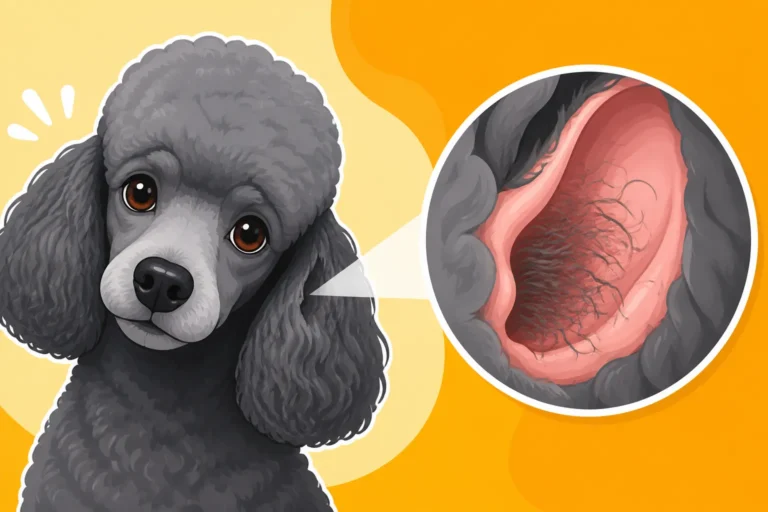
As mentioned, Toy Poodles are highly susceptible to dental problems. Beyond simple tartar, they frequently suffer from periodontal disease, where the gums and supporting structures of the teeth become inflamed and infected. This can lead to painful abscesses, tooth loss, and even systemic health issues if bacteria from the mouth enter the bloodstream. They also commonly experience issues like Retained Baby Teeth in a Toy Poodle, where the puppy teeth don't fall out when the adult teeth come in, causing further crowding and food traps.
Proper kibble size, alongside a diligent Poodle Dental Disease by Size care routine that includes regular brushing and professional cleanings, forms a crucial line of defense. Kibble that is specifically designed for small breeds often considers these vulnerabilities, offering a texture that helps clean without being overly abrasive or difficult to chew. Some foods even feature a unique shape or a slightly softer, yet still beneficial, crunch designed to encourage chewing and provide a mild scrubbing effect on the tooth surface.
Puppy vs. Adult Jaw Development
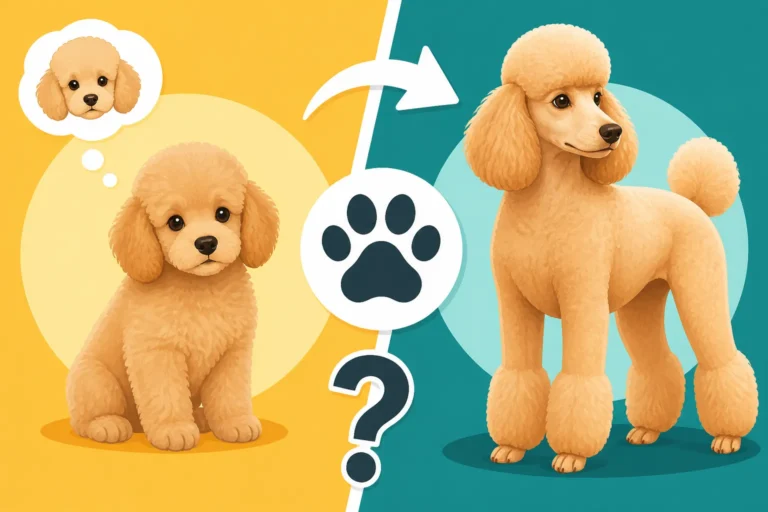
A Toy Poodle puppy has different needs from an adult. Their baby teeth are even more fragile, and their jaws are still developing. During this crucial growth phase, their kibble should be appropriately sized for their tiny puppy mouths. Puppy formulas often have smaller, softer kibble to accommodate this. As they transition through the awkward teenage phase, losing their baby teeth and growing their permanent ones, the kibble size should ideally transition with them.
For a Toy Poodle puppy, it's vital to ensure their food doesn't present a challenge that could deter them from eating or, worse, cause pain. Once their adult teeth are in, usually by around six to eight months of age, you can gradually transition them to an adult small breed formula with a slightly firmer texture, always keeping their specific jaw size in mind. This is also the time when you'll want to be particularly vigilant about issues like Retained Baby Teeth in a Toy Poodle, as these can further complicate chewing if not addressed by your vet.
What to Look for in Toy Poodle Kibble
Now that we understand why kibble size matters, let's talk about what to actually look for when you're standing in the pet store aisle or browsing online. It can feel overwhelming with all the options, but armed with a little knowledge, you can make an informed decision for your beloved Toy Poodle.
Optimal Kibble Dimensions
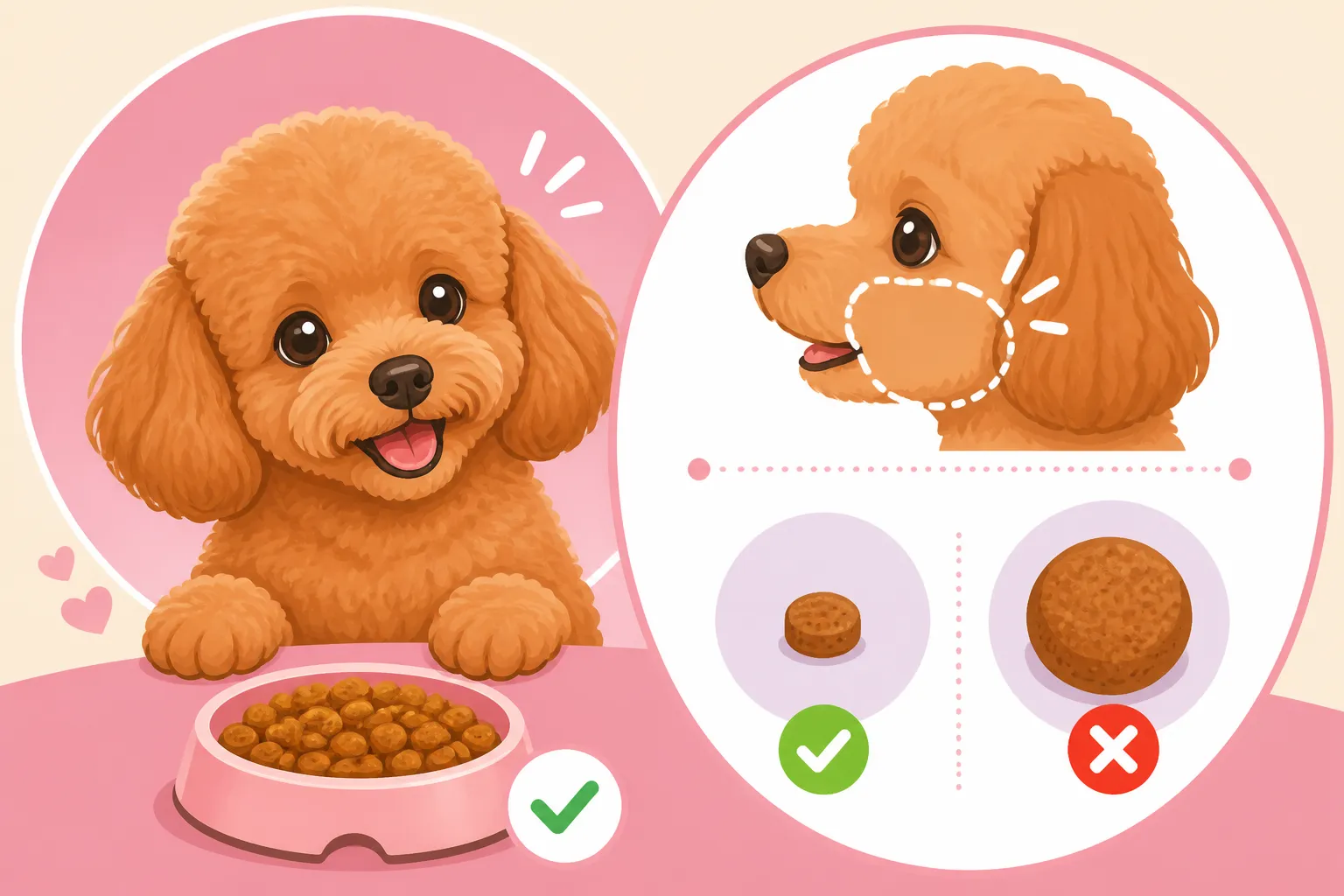
For Toy Poodles, the key is to look for kibble explicitly marketed for "toy breeds," "small breeds," or "miniature breeds." These formulas are specifically engineered with smaller kibble sizes. Generally, you're looking for pieces that are no larger than about 8-10 millimeters (about 0.3-0.4 inches) in diameter. However, even within this range, there's variation. Some kibbles might be flat discs, while others are round spheres or irregularly shaped nuggets.
Consider the shape as well as the size. A flat, slightly larger piece might be easier for a tiny jaw to grip and crunch than a perfectly round, hard pellet of the same diameter, which might just slip around. Texture also plays a role. While we want some crunch for dental benefits, an excessively hard kibble might be too challenging. Look for a texture that offers a satisfying snap without being rock-hard. You can often feel the texture difference when you examine the kibble. When shopping on sites like Chewy or Amazon, you can often find detailed descriptions and even close-up images of kibble sizes, which can be incredibly helpful.
Ingredient Quality and Digestibility
While kibble size is our main focus here, it's crucial not to forget about the overall quality of the ingredients. Even the perfectly sized kibble won't do much good if it's full of fillers and low-quality components. For your Toy Poodle, who might have a sensitive stomach or be prone to allergies, easily digestible ingredients are paramount. Look for whole meat proteins as the first ingredient, healthy fats, and digestible carbohydrates.
Avoid foods with excessive artificial colors, flavors, or preservatives. These can often be triggers for sensitivities in dogs, especially those with delicate digestive systems. Many premium brands, like Ollie, focus on high-quality, whole ingredients that are naturally more digestible. Even if you're feeding kibble, ensuring its nutritional integrity supports overall health, which in turn supports a healthy mouth and appetite. A happy gut often means a happy dog, and a dog who feels good is more likely to enjoy their meals regardless of the shape of the kibble.
Specialty Diets and Veterinarian Recommendations
Sometimes, despite your best efforts, your Toy Poodle might have specific health needs that dictate an even more specialized approach to kibble size and texture. For instance, if your Poodle has advanced dental disease, very few teeth, or a chronic condition like inflammatory bowel disease, your veterinarian might recommend a prescription diet. These diets often come in a variety of textures, including softer kibble or even moist food, specifically formulated to be easy on the teeth and digestive system.
Similarly, if your Poodle has a history of Hypoglycemia in a Toy Poodle Puppy or other metabolic conditions, your vet might recommend a specific food that helps manage blood sugar, and these might also come in specialized kibble forms. Always consult your veterinarian if you notice your Toy Poodle struggling to eat, losing weight, or showing signs of discomfort during or after meals. They can provide tailored advice and help you navigate the often-complex world of prescription and specialty diets. They might even suggest specific Dental Chews Sized for a Toy Poodle that complement their kibble and dental care routine.
| Kibble Size Category | Approximate Diameter (mm) | Typical Dog Breeds | Key Consideration for Poodles |
|---|---|---|---|
| Toy Breed | 4-8 mm (0.15-0.3 in) | Toy Poodle, Chihuahua, Yorkie | Ideal for adult Toy Poodles. Small enough to manage, often has a texture promoting chewing. |
| Small Breed | 8-12 mm (0.3-0.5 in) | Miniature Poodle, Dachshund, Shih Tzu | May be too large for some Toy Poodles. Assess your individual dog's chewing ability. |
| Puppy (Small) | 3-7 mm (0.1-0.27 in) | All small breed puppies | Often softer and smaller, perfect for growing jaws and baby teeth. |
| Regular/Medium | 12-16 mm (0.5-0.6 in) | Beagles, Border Collies | Definitely too large for Toy Poodles. Can cause choking or dental issues. |
| Large Breed | 16-20+ mm (0.6-0.8+ in) | Labrador, German Shepherd | Completely unsuitable for Toy Poodles. |
Transitioning and Troubleshooting Kibble Challenges
Even when you've done all your research and picked what you believe to be the perfect kibble, introducing it to your discerning Toy Poodle can sometimes be an adventure. They're intelligent and sometimes a bit stubborn, and any change can throw them off. Here's how to make the transition smooth and troubleshoot common issues.
Introducing New Kibble Gradually
The golden rule for changing any dog's food, regardless of size, is to do it gradually. A sudden switch can upset their delicate digestive system, leading to diarrhea or vomiting, which is the last thing you want for your little one. Start by mixing a small amount of the new kibble with their old food, usually about 25% new to 75% old.
Over the course of about 7-10 days, slowly increase the proportion of new food while decreasing the old. This allows their system to adjust to the new ingredients, texture, and yes, even the new kibble size. Observe their stool consistency and appetite carefully during this period. If you notice any digestive upset, slow down the transition even further. Some Toy Poodles with very sensitive stomachs might need a two-week transition period or even longer. For growing Toy Poodle puppies, who already eat frequently, sometimes Feeding a Toy Poodle Four Times a Day and needing How Much a Toy Poodle Puppy Eats, ensuring this transition is smooth is even more critical.
When Your Toy Poodle Refuses or Struggles
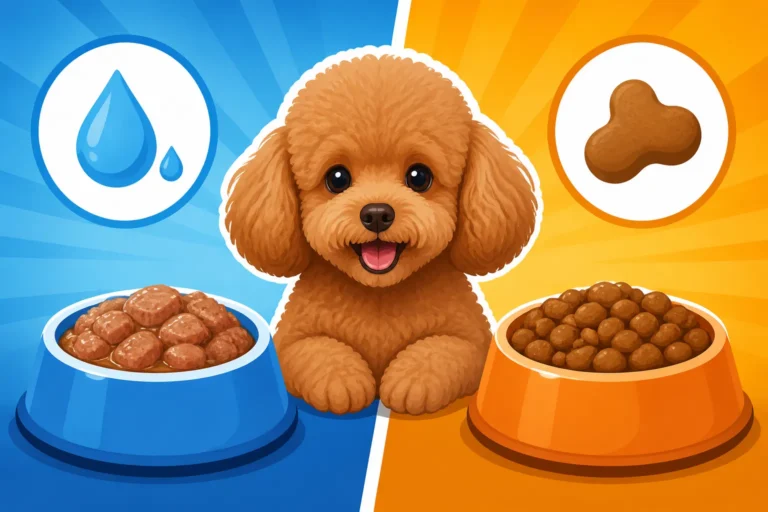
What if your Toy Poodle turns their nose up at the new kibble, or you see them struggling to chew it? Don't panic! First, consider if the kibble truly is too large or too hard for them. Try soaking a small amount in warm water or low-sodium chicken broth for a few minutes to soften it. This can make it more palatable and easier to chew, especially if they have sensitive teeth.
If they're just being picky, try adding a tiny dollop of wet food, a spoonful of plain yogurt, or some cooked, unseasoned chicken to the kibble to entice them. Some dogs are more motivated by a novel topping. You can find a vast array of toppers and wet food options on platforms like Chewy or Amazon that might do the trick. If you've tried everything and they're still refusing, and especially if they show signs of pain or discomfort, a vet visit is in order to rule out any underlying dental issues or other health problems. Remember, Toy Poodles are prone to dental issues, so ruling out discomfort from a loose or painful tooth is crucial. Brushing a Toy Poodle's Teeth is also a good habit to establish early, as it makes examining their mouth easier.
Monitoring and Adjusting
Once you've settled on a kibble, your job isn't quite done. Continuously monitor your Toy Poodle's eating habits, energy levels, stool quality, and overall health. Are they finishing their meals enthusiastically? Is their stool firm and consistent? Are they maintaining a healthy weight? These are all indicators that the food, including its kibble size, is working for them.
If you notice any negative changes, such as decreased appetite, weight loss, digestive upset, or signs of dental discomfort, it's time to re-evaluate. It might be the kibble size, the ingredients, or an emerging health issue. Keep a close relationship with your veterinarian and don't hesitate to seek their advice. They can help you fine-tune your Poodle's diet and ensure they receive the best possible nutrition throughout their life. And always be prepared for emergencies, especially with a tiny pup, so having something like Emergency Sugar for a Crashing Toy Poodle on hand is a smart move.
Disclaimer
This article is for general informational purposes only and does not constitute professional advice. Laws, prices and regulations vary by location and change over time. Consult a qualified professional for guidance on your specific situation.