Low Calorie Treats for a Poodle
It's so easy to accidentally overfeed our Poodles, isn't it? Those expressive eyes, the clever nudges, the way they just know when you're thinking about a snack – it's incredibly hard to resist! But with their often slender frames, particularly the Toy and Miniature varieties, and their remarkable ability to pack on the pounds if we're not careful, those extra calories from treats can really add up. Before you know it, you’re noticing a little less tuck in their waistline, or their beautiful coat is starting to hide a figure that’s a touch too robust. This guide is all about finding healthy, low-calorie treat options that keep your Poodle happy and trim, without sacrificing their health or the joy of those special treat moments.
Why Every Poodle Owner Should Think About Low-Calorie Treats
It’s not about depriving our beloved Poodles; it’s about making smart choices that support their long-term health. Poodles, regardless of their size, are active and intelligent dogs who thrive on interaction, and treats are often a huge part of that bond and training. However, the wrong treats, or too many of them, can quickly lead to health complications that no owner wants to face.
The Poodle's Predisposition to Weight Gain
Poodles, especially as they get older or if they aren't getting consistent daily exercise, can be prone to weight gain. Their elegant, curly coats can sometimes mask a thickening waistline, making it harder for owners to spot those creeping pounds until they're really established. Toy Poodles, in particular, are small dogs with smaller calorie requirements, making even a tiny piece of cheese a significant portion of their daily intake. Standards, while larger, can also struggle if their high energy needs aren't met with activity, or if they're indulged too freely. It's a delicate balance, and one we all strive to maintain for our furry family members.
Many Poodle owners can attest to the challenge of keeping their Poodle at a healthy weight, especially when those puppy zoomies turn into more sedate adult strolls. A Poodle's metabolism can also slow with age, meaning the same amount of food and treats that kept them trim in their younger years might now lead to weight gain. Understanding this predisposition is the first step in being proactive with their diet. For more on keeping your Poodle’s figure in check, read Poodle Obesity and Its Consequences.
The Impact of Excess Calories
When a Poodle consistently consumes more calories than they burn, the excess is stored as fat. This isn't just about aesthetics; it has serious health implications. Obesity in Poodles can exacerbate joint issues like Luxating Patella in Toy and Miniature Poodles or Poodle Hip Dysplasia by Size, put extra strain on their heart and lungs, and increase their risk for conditions like diabetes. It can also lead to a decrease in overall energy and mobility, making them less enthusiastic about walks and play, which creates a vicious cycle.
Beyond physical ailments, carrying extra weight can impact a Poodle's quality of life. They might struggle to jump on the sofa, lag behind on walks, or even have trouble grooming themselves properly. Nobody wants their Poodle to be uncomfortable or unhealthy, and often, the treats we give with the best intentions are a silent culprit. Thinking about Caring for an Aging Poodle means also considering their weight, as senior Poodles often have different caloric needs.
Reading Your Poodle's Body Condition
It can be surprisingly tricky to gauge your Poodle's weight under all that beautiful, dense fur! What looks like a fluffy, perfectly proportioned Poodle might actually be carrying a few extra pounds. The best way to assess your Poodle's body condition is by touch. You should be able to easily feel their ribs when you gently run your hands along their sides, much like feeling the back of your hand. You shouldn't see them prominently, but you should definitely be able to feel them without pressing hard.
Another good indicator is their waistline. When viewed from above, your Poodle should have an hourglass shape, with a distinct tuck behind their ribs. From the side, their abdomen should tuck up, rather than sagging or appearing straight from chest to tail. If you’re struggling to feel those ribs or see that waist, it might be time to re-evaluate their food portions and, crucially, their treats. Your vet is always the best resource for an accurate assessment of What a Poodle Should Weigh by Variety.
Savvy Choices: The Best Low-Calorie Treats for Your Poodle
The good news is that "low-calorie" doesn't have to mean "low-excitement" for your Poodle! There are plenty of delicious and healthy options that will still get their tail wagging and reinforce good behavior without packing on the pounds. It's all about knowing what to look for and making conscious choices.
Vegetables and Fruits as Poodle Treats
Nature provides an abundance of low-calorie, nutrient-rich snacks that many Poodles absolutely adore. These can be fantastic alternatives to highly processed commercial treats.
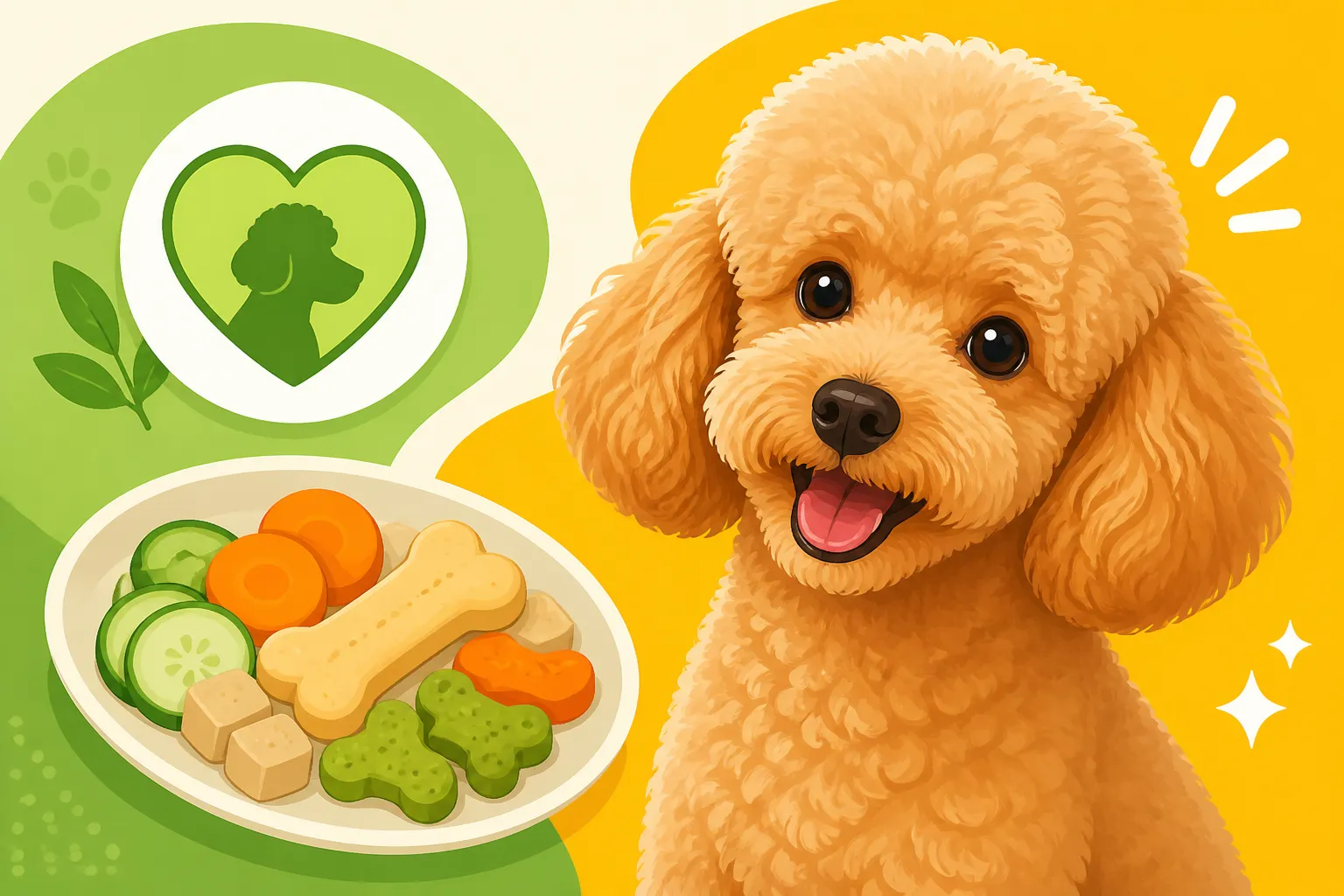
- Carrots: Crunchy and satisfying, carrots are a Poodle favorite. They're excellent for dental health, low in calories, and full of vitamins. You can give small raw pieces or steam them lightly.
- Green Beans: Many Poodles go wild for steamed or raw green beans. They're incredibly low in calories and a great source of fiber.
- Broccoli & Cauliflower: In moderation, and cooked, these can be good options. Just be aware that too much can cause gas in some dogs.
- Apple Slices: Make sure to remove the core and seeds (which contain cyanide) and offer small pieces. Apples are a great source of fiber and vitamins.
- Blueberries: A tiny burst of antioxidants! These small berries are perfect for Toy Poodles and can be a high-value treat in small quantities.
- Cucumbers: Mostly water, cucumbers are super hydrating and very low in calories.
- Pumpkin: Plain, canned pumpkin (not pie filling!) is fantastic for digestive health and very low in calories. It can be offered as a spoonful or frozen into tiny cubes.
Always introduce new fruits and vegetables slowly to avoid upsetting your Poodle's stomach. A common mistake is to assume all human foods are safe; please remember that onions, garlic, grapes, raisins, and avocados are toxic to dogs. If you're unsure about a specific food, a quick check with your vet is always wise. Using these fresh foods can be a great way to manage Treats and a Poodle's Waistline.
Commercial Low-Calorie Options
While fresh produce is wonderful, sometimes you need the convenience of a commercial treat, especially for training on the go. When choosing commercial low-calorie treats, the key is to read labels carefully. Look for treats with:
- Few Ingredients: Simpler is often better. Treats with a short list of recognizable ingredients are usually healthier.
- Low Fat and Sugar Content: Avoid treats with excessive fat or added sugars, which contribute to weight gain.
- Calorie Count: Many reputable brands now list the calorie content per treat. This is your best guide for portion control.
Brands like Zuke's Mini Naturals, Wellness Soft Puppy Bites, or even some of the small freeze-dried meat treats can be good options if given in strict moderation. These are often readily available from online retailers like Chewy or Amazon, allowing you to compare ingredients and calorie counts easily. Remember that even low-calorie commercial treats can add up if given in large quantities. The size of the treat should be appropriate for your Poodle's size; a small piece for a Toy Poodle is much different from a small piece for a Standard.
When considering commercial treats, also think about how they fit into the overall Feeding a Poodle by Size plan. If your Poodle is on a prescription diet for weight management or another health issue, always check with your veterinarian before introducing any new treats. Even a seemingly innocent low-calorie treat could conflict with their specialized diet.
When to Use High-Value Treats Sparingly
There are times when a truly high-value treat is necessary – perhaps for intense training sessions, during grooming (like Teaching a Poodle to Hold Still on the Table or Getting a Poodle Comfortable With Nail Grinding), or for particularly challenging enrichment activities. For these moments, you might use tiny pieces of cooked lean meat (chicken or turkey), plain cooked fish, or even a smudge of peanut butter (xylitol-free, please!).
The trick is "sparingly" and "tiny." A crumb of chicken can be just as motivating as a whole chunk if your Poodle thinks it's a rare and precious reward. You can also dilute things like peanut butter by spreading a thin layer inside a Kong toy or on a lick mat. This stretches the experience and the caloric impact.
| Treat Type | Poodle Suitability | Calorie Content (Relative) | Notes |
|---|---|---|---|
| Carrots | Excellent | Very Low | Crunchy, good for teeth. Offer raw or steamed. |
| Green Beans | Excellent | Very Low | High fiber. Offer raw or steamed. |
| Apple Slices | Good (no seeds) | Low | Remove core and seeds. Source of fiber. |
| Blueberries | Good | Low | Antioxidants. Small size, great for training. |
| Cucumbers | Excellent | Extremely Low | Hydrating. |
| Plain Pumpkin | Excellent | Very Low | Great for digestion. Canned (not pie filling) or fresh cooked. |
| Lean Cooked Chicken | High Value | Moderate | Best for high-motivation training, in very small pieces. |
| Commercial "Lite" Treats | Varies | Low to Moderate | Read labels for calories, fat, and sugar. |
| Cheese | Use Caution | High | High in fat and calories. Only tiny amounts for high value. |
Making Your Own Poodle Treats
For many Poodle owners, getting into the kitchen and whipping up some homemade treats is a rewarding way to control ingredients and ensure your Poodle is getting the healthiest possible snacks. It’s often more cost-effective too!
Simple Homemade Recipes
Making your own treats doesn't have to be complicated or time-consuming. Here are a few easy ideas:
- Frozen Broth Bites: Use a low-sodium, dog-safe chicken or beef broth (check ingredients to ensure no onion or garlic!). Pour it into ice cube trays or silicone molds for perfectly portioned, refreshing treats. These are especially great on hot days or as a calming distraction.
- Baked Sweet Potato Chews: Slice sweet potatoes thinly, bake them on a low temperature until dehydrated and chewy. These are full of vitamins and fiber, and the chewing action is satisfying for Poodles.
- Peanut Butter & Banana Bites: Mash ripe bananas with a dollop of xylitol-free peanut butter, roll into small balls, and freeze. These are higher in calories, so use sparingly, but are a fantastic occasional reward.
- Oatmeal & Apple Sauce Drops: Mix plain oatmeal with unsweetened apple sauce and a little water to form a dough. Drop small spoonfuls onto a baking sheet and bake until firm. This is a wonderfully simple and healthy option.
The beauty of homemade treats is that you know exactly what’s going into them. No questionable fillers, artificial colors, or unnecessary preservatives. Plus, your Poodle will likely go wild for something made with love by you!
Treat Dehydrators and What They Offer
If you find yourself making a lot of dried fruit or vegetable treats, or even lean meat jerky, a food dehydrator can be a fantastic investment. These appliances remove moisture from food, preserving it naturally without the need for additives. You can create large batches of treats that store well for weeks or even months.
Imagine slicing up a whole bag of carrots or sweet potatoes, popping them in the dehydrator overnight, and waking up to a stash of healthy, crunchy Poodle snacks ready for the week. You can also make single-ingredient meat jerky from lean chicken breast or beef. This gives you ultimate control over ingredients and helps you avoid the often hidden salts and sugars in commercial jerky products. You can find a good range of reliable dehydrators on platforms like Amazon, often with reviews from other pet owners.
Avoiding Harmful Ingredients
When making treats at home, it’s crucial to be aware of ingredients that are toxic or harmful to dogs. We all want the best for our Poodles, and sometimes human-favorite foods are dangerous for them.
- Xylitol: This artificial sweetener, found in many sugar-free products (gum, candies, some peanut butters), is highly toxic to dogs and can cause a rapid, severe drop in blood sugar and liver failure. Always double-check peanut butter labels.
- Chocolate: Contains theobromine, which Poodles cannot metabolize quickly. Even small amounts can be dangerous.
- Onions and Garlic: Belonging to the Allium family, these can cause red blood cell damage, leading to anemia. Avoid them in all forms (powder, raw, cooked).
- Grapes and Raisins: Can cause acute kidney failure in dogs, even in small quantities. The exact toxic mechanism isn't fully understood, but the risk is severe.
- Macadamia Nuts: Can cause weakness, vomiting, tremors, and hyperthermia.
- Avocado: Contains persin, which can be toxic to dogs in large amounts, particularly in the pit, skin, and leaves.
Sticking to simple, whole, dog-safe ingredients like those mentioned above will ensure your homemade treats are both delicious and safe for your Poodle. It's also important to consider What a Poodle Owner Spends on Blades and Shampoo and other routine costs – making treats at home can save money in the long run that can be allocated to other essential care items!
Treat Time Tactics: Integrating Low-Calorie Rewards Into Your Poodle's Day
It’s not just about what you give your Poodle, but how and when you give it. Thoughtful treat strategies can make a big difference in maintaining a healthy weight and ensuring treats remain a positive tool for training and enrichment.
Portion Control and Treat Limits
This is perhaps the most critical aspect of managing your Poodle's treat intake. Even the healthiest, lowest-calorie treats contribute to their daily caloric load. A general guideline is that treats should make up no more than 10% of your Poodle’s daily calorie intake. For a small Toy Poodle, this might mean only a few tiny carrot pieces throughout the day. For a Standard, it could be a handful of green beans.
- Measure Everything: Use a measuring spoon for small kibble-sized treats, or pre-portion veggie sticks. Don’t eyeball it, especially at first.
- Break Them Up: Even if a treat is small, can you break it into two or three even smaller pieces? Your Poodle won't care about the size as much as the number of rewards they receive.
- Account for Them: If you're using a lot of treats for training, consider slightly reducing their main meal portion for that day. This ensures their total daily calories remain balanced.
It really comes down to mindful giving. Those moments of joy are precious, but we need to ensure they align with our Poodle's health goals. Learn more about overall diet in Portion Control for a Poodle.
Using Treats for Training, Not Just Rewards
Treats are an incredibly powerful tool for positive reinforcement training, especially with a Poodle's keen intelligence and desire to please. Instead of just handing over a treat for being cute, integrate them into training sessions.
- Behavior Reinforcement: Reward desired behaviors consistently. Did your Poodle sit politely instead of jumping? Treat. Did they stay calm when the doorbell rang? Treat. This makes treats earned and reinforces good manners.
- High Repetition, Low Calorie: For training, you’ll often need many repetitions. This is where those tiny pieces of carrots, green beans, or commercial low-calorie training treats truly shine. You can give many small rewards without adding significant calories.
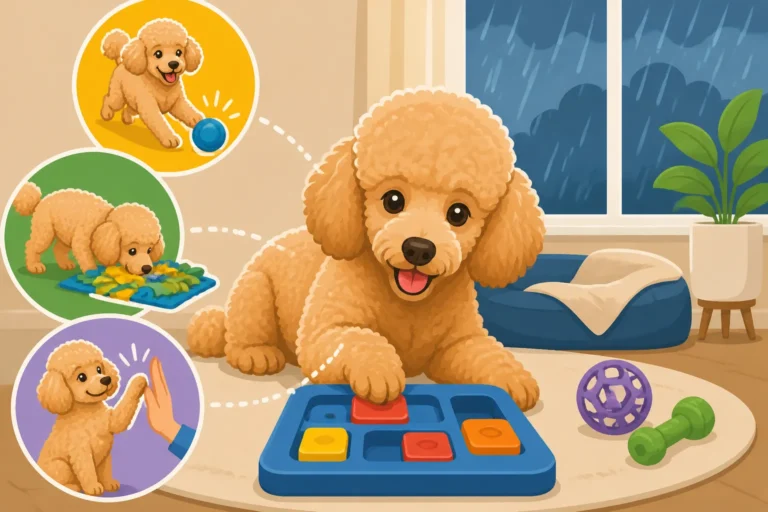
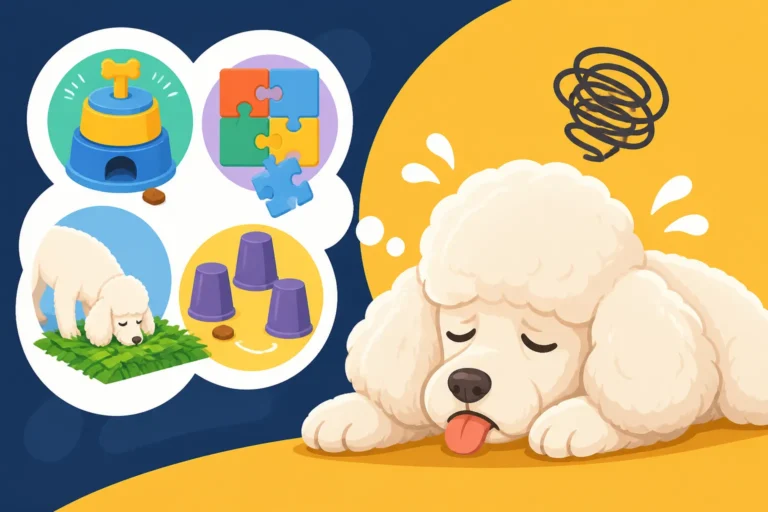
- Puzzle Toys: Instead of a hand-out, put a portion of your Poodle’s daily kibble or some low-calorie treats into a puzzle toy. This makes them work for their food, engaging their brilliant minds and slowing down their eating. You can find a variety of puzzle toys online from retailers like Chewy or Amazon. This can also help prevent habits like Why a Poodle Steals From the Counter if they feel sufficiently engaged.
By making treats part of a structured interaction, you're not just feeding your Poodle; you're building their skills, boosting their confidence, and strengthening your bond in a meaningful way. This is particularly valuable for a breed as smart as ours; for more insights into Poodle intelligence, check out Training a Poodle That Outthinks You.
Enrichment Toys and Slow Feeders
Beyond direct training, treats can be incorporated into your Poodle’s enrichment routine. Mental stimulation is just as important as physical exercise for a Poodle, and clever feeding solutions can help stretch out meal and treat times while keeping calories in check.
- Kongs and Fillable Toys: Fill these with a small amount of low-fat yogurt (plain, unsweetened), canned pumpkin, or even wet dog food, then freeze. This provides a long-lasting, low-calorie activity that satisfies their natural chewing and licking instincts.
- Snuffle Mats: These fabric mats have hidden pockets and folds where you can hide dry kibble or small, low-calorie treats. Your Poodle uses their nose to find the food, providing excellent mental exercise.
- Slow Feeder Bowls: For Poodles who tend to "scarf and barf," slow feeder bowls are invaluable. They have ridges or mazes that force your Poodle to eat around obstacles, significantly slowing down their mealtime. This isn't just for meals; you can use them for treat distribution too, making the experience last longer.
These tools turn snack time into an engaging challenge, ensuring your Poodle's brilliant brain is put to good use. It also makes sure that those precious calories are consumed slowly and thoughtfully, rather than inhaled in seconds. This approach to feeding and treating can make a huge difference in preventing overconsumption and maintaining a healthy weight.
Disclaimer
This article is for general informational purposes only and does not constitute professional advice. Laws, prices and regulations vary by location and change over time. Consult a qualified professional for guidance on your specific situation.