Choosing a Clip for a Poodle That Swims
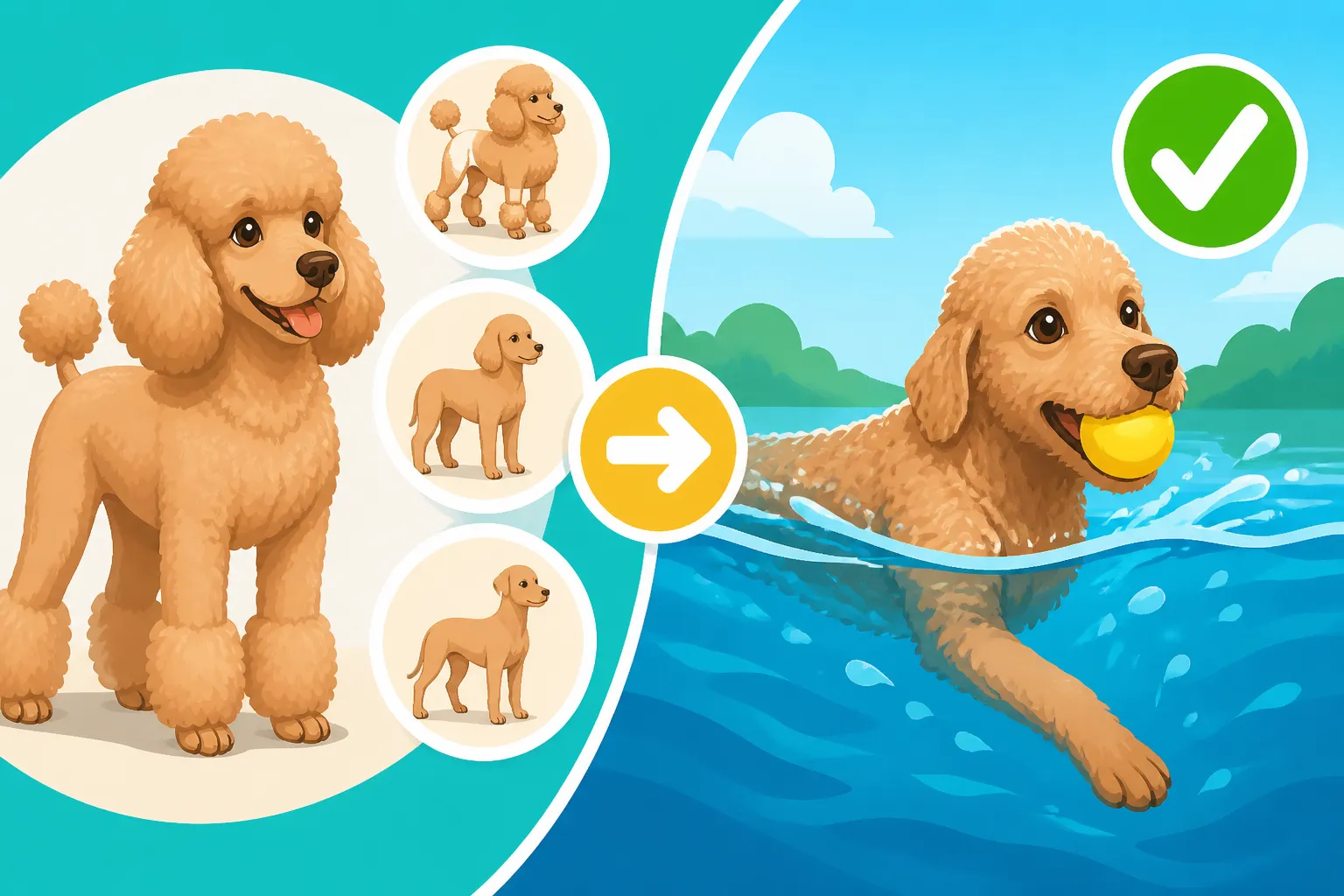
It's a beautiful sight, isn't it? A Poodle, graceful and joyful, taking to the water with an enthusiasm that belies their often-primped reputation. Whether it's a dip in the lake, a splash in the pool, or a romp in the ocean, Poodles truly live up to their "water dog" heritage. But for us owners, that watery bliss often comes with a thorny challenge: managing that magnificent, yet notoriously mat-prone, coat. Picking the right haircut for a Poodle that loves to swim can feel like a constant battle between practicality and aesthetics. This guide is here to help you navigate those waters, ensuring your Poodle stays happy, healthy, and tangle-free, no matter how often they make a splash.
The Unique Challenges of a Swimming Poodle's Coat
Poodles have a unique coat structure that is a blessing and a curse. It's what makes them hypoallergenic for many, and it's certainly stunning when groomed. But combine that dense, curly hair with water, and you've got a recipe for potential matting disasters.
Why Water is a Poodle's Double-Edged Sword
Poodles were originally bred to retrieve waterfowl, so their love for water is deeply ingrained. That dense, single coat was designed to protect them from cold water and harsh elements. However, in a domestic setting, that same coat becomes a magnificent sponge. When it gets wet, especially without proper attention, those individual curls can intertwine and felt together with incredible speed. It’s a stark difference from dogs with a shedding undercoat, where loose hair is released. For a Poodle, any shed hair gets trapped within the existing curls, and moisture acts like glue, binding them into tight, difficult-to-remove mats.
This matting isn't just an aesthetic problem; it can be incredibly uncomfortable and even painful for your Poodle. Mats pull on the skin, restrict movement, and can hide skin infections or parasites. Furthermore, the type of water matters. Chlorinated pool water can strip the coat of its natural oils, leaving it dry and brittle, making it even more prone to tangling. Saltwater can have similar drying effects and leave behind sticky residues. Understanding Why a Poodle Coat Mats Instead of Shedding is the first step in prevention. It highlights that prevention isn't just about brushing; it's about managing the coat's state, especially after it's been thoroughly soaked.
Common Grooming Headaches for Aquatic Poodles
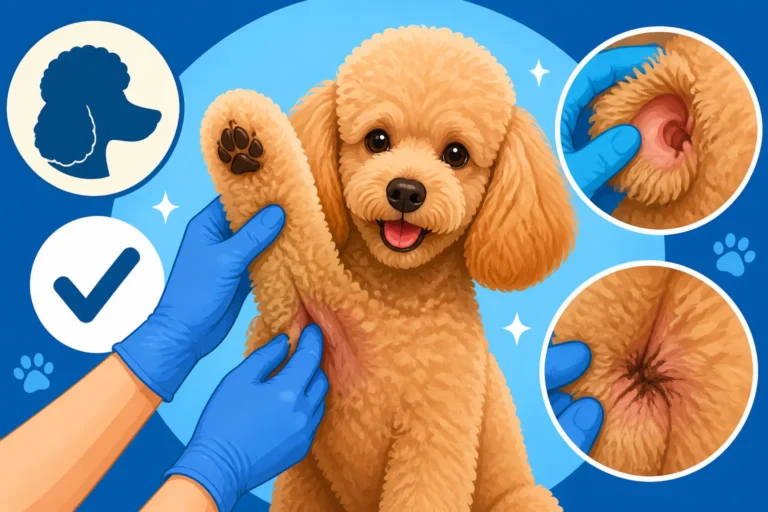
If your Poodle is a regular swimmer, you've likely faced the post-swim grooming scramble. Those innocent splashes can quickly lead to what feels like a wrestling match with a damp, tangled mop. The most common headache, by far, is matting. Mats love to form in areas of high friction or where hair is naturally longer and denser. Think behind the ears, in the armpits, under the collar, around the groin, and on the hocks. These areas get a lot of movement and often don't dry as quickly, creating perfect conditions for tight, painful mats.
Beyond mats, skin irritation is another frequent issue. If the coat isn't thoroughly rinsed after a swim, chlorine, salt, or even lake bacteria can linger against the skin. This trapped moisture and chemical residue can lead to hot spots, redness, itching, or even yeast infections, particularly in areas like the ears or armpits. Furthermore, leaving a Poodle to air dry after a swim, especially if their coat has any length at all, almost guarantees matting and can lead to a damp, musky odor from bacteria growth. It's a frustrating cycle, where a joyful activity can turn into hours of detangling and discomfort for both you and your beloved Poodle if you don't have a solid plan.
Practical Poodle Clips for Water Lovers
Choosing the right clip is paramount when you have a Poodle that's constantly diving in. It's all about balancing your desire for a certain look with the reality of maintenance and your Poodle's comfort.
The Short and Sweet Sporting Clip
For many Poodle owners with water-loving companions, the sporting clip is an absolute lifesaver. This style keeps the body hair relatively short, typically between a half-inch and two inches, depending on your preference and your Poodle's coat texture. The face, feet, and base of the tail are usually clipped very short, clean-shaven, or kept in a very short, tidy puppy face. The ears can be kept long or trimmed shorter, depending on how much maintenance you're willing to do on them.
The immense advantages of the sporting clip for an aquatic Poodle are clear: it dries significantly faster than a longer coat, collects far less debris (think leaves, twigs, and sand), and drastically reduces the risk of severe matting. You still need to brush, but the job is far quicker and less arduous. It offers enough coat length for some protection against the elements and light scrapes, but is short enough to be incredibly practical for daily swims. This functional cut is often praised alongside The Sporting and Kennel Poodle Clips for its ease of upkeep and suitability for active dogs. It's a fantastic compromise for those who want their Poodle to look tidy but also be ready for spontaneous adventures.
The Ultimate Low-Maintenance Kennel Clip
If your Poodle lives for the water, and you prioritize ultimate ease of care above all other aesthetic considerations, the kennel clip (sometimes called a utility clip or even a very short all-over shave-down) might be your perfect match. In this style, the body hair is taken down extremely short, often to a quarter-inch or even shorter, using a very close clipper blade. The face, feet, and tail are generally kept clean and short.
The benefits of such a short clip for a frequently swimming Poodle are undeniable. Matting becomes virtually non-existent, drying time is reduced to mere minutes, and rinsing off chlorine, salt, or mud is a breeze. It's as "wash-and-wear" as a Poodle coat can get. This style is particularly popular for Poodles who are active in dock diving, retrieve work, or who simply spend their summers splashing in the pool every single day. While some owners might miss the iconic floof of a longer Poodle coat, the freedom and comfort it provides to a truly aquatic Poodle can be worth it. Just remember that a very short coat offers less protection from the sun, so sun safety, like dog-specific sunscreen or a light rash guard, becomes a consideration for fair-skinned Poodles or those with light-colored coats.
Compromise Cuts: Finding the Balance
Let's be honest, not everyone wants their Poodle looking like a closely shorn lamb, even if they're absolute water fanatics. Many owners seek a middle ground – a clip that offers the aesthetic appeal of a longer coat while still being manageable for water activities. This is where compromise cuts come into play. These often involve a modified puppy clip or a slightly longer sporting clip, but with strategic shortening in high-traffic, mat-prone areas.
For example, you might keep the body hair at two to three inches, but ensure that the belly, armpits, and inner thighs are clipped much shorter. The feet should always be kept tightly clipped to prevent trapped debris and moisture, and a clean-shaven face helps with hygiene and faster drying around the muzzle and eyes. You might choose to keep a full topknot, but be prepared for extra drying and brushing time for that specific area. The key is to communicate clearly with your groomer about your Poodle's lifestyle. Tell them exactly how often your Poodle swims and in what type of water. They can then recommend a functional style that minimizes matting while still allowing for some length where you want it most. It's about being realistic: a longer coat will always require more brushing and a more meticulous drying routine after a swim, but with the right compromise, you can have both a pretty Poodle and a happy swimmer.
Essential Grooming Routine for the Aquatic Poodle
No matter which clip you choose, the real battle against mats and skin issues for a swimming Poodle is won in the post-swim grooming routine. Consistency and thoroughness are your best friends here.
Post-Swim Rinse and Dry Protocol
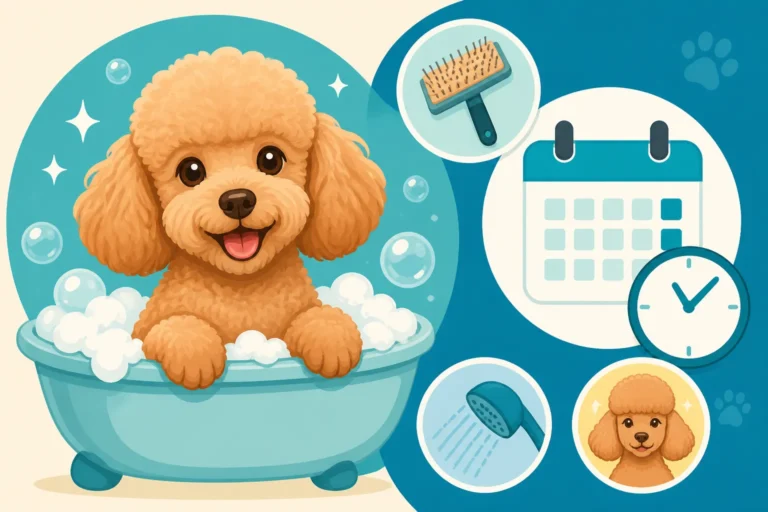
This is the most critical step for any Poodle that takes a dip, and it must happen immediately. As soon as your Poodle emerges from the water, the first thing you should do is give them a thorough rinse with clean, fresh water. Use a shower attachment or a strong hose sprayer to make sure you penetrate deep into the coat, flushing out every last bit of chlorine, salt, mud, or lake debris. This is especially vital for preventing skin irritation and dryness. For Poodles who swim in pools, pay close attention to Rinsing Chlorine From a Poodle Coat.
Once rinsed, don't let your Poodle air dry! Air drying almost guarantees matting and can lead to skin problems. First, towel dry them vigorously to remove as much surface water as possible. Then, use a high-velocity dryer (a "force dryer") if you have one. These dryers are designed to literally blast water out of the coat, speeding up drying time dramatically and helping to straighten the curls, which makes brushing easier. If you don't have a force dryer, use a human hair dryer on a cool or low-heat setting, making sure to keep it moving and never letting it get too hot. Section the coat and dry thoroughly, brushing as you go, to ensure every strand is dry right down to the skin. This thorough drying process is outlined in guides like Bathing and Drying a Poodle and tips for Drying a Poodle Straight.
Tackling Mats and Maintaining Skin Health
Even with a short clip and diligent rinsing, regular brushing is still essential. Depending on how much coat length you've opted for and how frequently your Poodle swims, this could mean daily brushing or every other day. Always use a high-quality slicker brush, followed by a sturdy metal comb, to ensure you're getting all the way through the coat, right down to the skin. Don't just skim the surface; that's how hidden mats form at the base of the hair shaft. Pay extra attention to those common matting areas like the armpits, behind the ears, and the groin. How Often a Poodle Must Be Brushed will give you a good benchmark.
For skin health, especially if your Poodle has sensitive skin or is frequently exposed to water, consider using a moisturizing shampoo and conditioner formulated for dogs. Look for products that replenish moisture and soothe the skin. You can find excellent options for Shampoo and Conditioner for a Poodle Coat on reputable pet supply sites like Chewy. After every bath (which should be more frequent for swimming Poodles), ensure the skin is thoroughly dried to prevent fungal or bacterial growth, which thrive in damp, warm environments. Keep an eye out for any redness, flakiness, or excessive itching, which could indicate a skin issue requiring veterinary attention.
The Importance of Ear and Foot Care
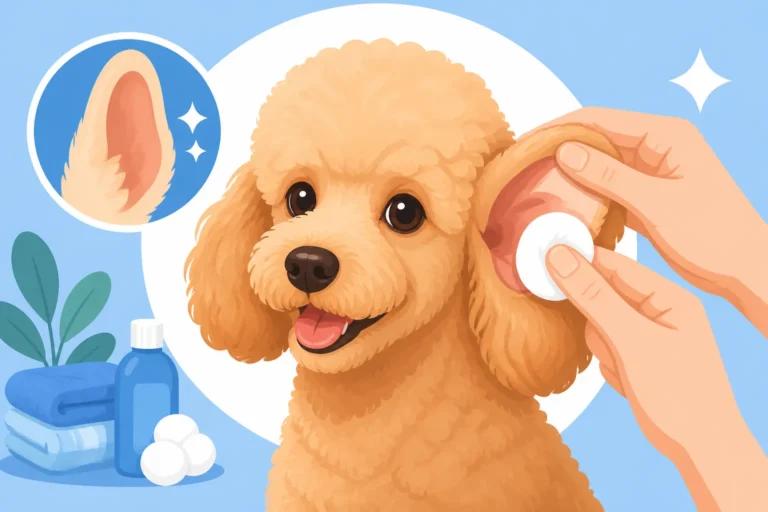
Poodles have those adorable dropped ears, but they're a magnet for moisture and can easily become a breeding ground for yeast and bacteria, especially after a swim. Their ear canals also grow hair, which further traps moisture. After every swim, and especially after baths, make sure to thoroughly dry the inside of your Poodle's ears, as much as you can safely reach. You might use cotton balls or a soft cloth. Discuss with your vet or groomer the practice of Plucking and Cleaning Poodle Ears. Regularly plucking the hair from the ear canal can significantly improve airflow and reduce the risk of infection.
Similarly, keeping your Poodle's paw pads and the hair between them meticulously trimmed is crucial. Long hair between the pads can trap water, dirt, sand, and debris, leading to irritation, matting, or even painful infections between the toes. Plus, excessive hair on the pads can reduce traction, making your Poodle more prone to slipping, especially on wet surfaces. A clean foot is a healthy, happy foot for a water dog.
Beyond the Clip: Water-Safe Poodle Care Gear
Beyond the actual haircut and your diligent routine, having the right tools and knowing a few extra tricks can make a world of difference for your swimming Poodle.
Must-Have Grooming Tools for Swimming Poodles
Investing in the right equipment isn't just a luxury; it's a necessity for maintaining a swimming Poodle's coat. Your toolkit should absolutely include:
- High-Quality Slicker Brush: This is your daily workhorse for removing tangles and loose hair. Look for one with firm but flexible pins.
- Sturdy Metal Comb: Essential for checking for hidden mats that the slicker might miss. It should have both wide and fine teeth.
- High-Velocity Dryer (Force Dryer): This is perhaps the most game-changing tool for a water-loving Poodle owner. It dramatically cuts down drying time and helps prevent mats. You can find a range of options on sites like Amazon, from portable units to more powerful stand dryers.
- Absorbent Towels: Microfiber towels are excellent for wicking away a lot of water quickly before you even start with the blow dryer.
- Dog-Specific Shampoo and Conditioner: Choose formulas that are moisturizing and gentle, especially if your Poodle swims frequently. Options are abundant on Chewy, offering different formulations for various coat and skin needs.
- Detangling Spray: A good quality detangling spray can be a lifesaver for working through minor tangles without causing breakage or discomfort.
- Ear Cleaner and Cotton Balls: For regular ear hygiene after swims.
Learning about Tools That Reach a Poodle's Undercoat will further enhance your ability to keep your Poodle’s coat in top condition.
Protective Gear and Supplements for Active Poodles
Beyond grooming, consider other aspects of care that support your Poodle's aquatic lifestyle:
- Sun Protection: If your Poodle has a very short clip or a light-colored coat, their skin is more susceptible to sunburn. Look for dog-specific sunscreens, or consider a lightweight doggy rash guard for extended sun exposure.
- Life Vest: Safety first! A well-fitting dog life vest is crucial for Poodles swimming in open water, lakes, or oceans, especially if they are getting older or exploring new environments. Even strong swimmers can get tired or caught in currents.
- Coat Conditioners/Sprays: A leave-in conditioner or hydrating spray applied before or after a swim can create a barrier against harsh water elements and help keep the coat supple.
- Nutritional Support: A healthy coat starts from within. If your Poodle's coat seems dry or brittle despite your best efforts, discuss with your veterinarian whether adding an omega-3 fatty acid supplement to their diet could help. Brands like Ollie, known for fresh, human-grade ingredients, also offer formulas that support overall skin and coat health, which can be beneficial for Poodles with frequent water exposure. Remember, a robust inner health always reflects on the outside.
| Clip Style | Pros for Swimming Poodles | Cons for Swimming Poodles | Best For |
|---|---|---|---|
| Sporting Clip | Dries relatively quickly; reduced matting; some protection | Still requires regular brushing; can collect some debris | Active Poodles who swim frequently but owners want a bit of coat length |
| Kennel Clip / Shave | Dries very quickly; minimal matting; easiest maintenance | Less aesthetic appeal for some; increased sun exposure risk | Poodles who swim almost daily; owners prioritizing ultimate ease of care |
| Modified Puppy Clip | Aesthetic appeal; slightly more warmth/protection | Slower drying time; higher matting risk; more brushing | Poodles who swim occasionally; owners who prefer a fluffier look with effort |
| Continental Clip | Show-stopping style (not practical for active swimming) | Extremely high maintenance; severe matting risk when wet | Show dogs only; absolutely NOT recommended for active swimming Poodles |
Disclaimer
This article is for general informational purposes only and does not constitute professional advice. Laws, prices and regulations vary by location and change over time. Consult a qualified professional for guidance on your specific situation.