Whether Poodle Ear Hair Should Be Plucked
One of the most common worries for Poodle parents revolves around those distinctive, floppy ears and what exactly needs to be done about the hair that grows inside them. It's a topic that can cause a lot of confusion and even frustration, especially when you're just trying to do what's best for your beloved companion but hearing conflicting advice. This guide will help you navigate the truth about Poodle ear hair, shedding light on the traditional practices, modern veterinary recommendations, and practical, empathetic steps to keep your Poodle's ears healthy and happy.
The Great Debate: To Pluck or Not to Pluck Poodle Ear Hair?
For years, many Poodle owners and groomers have been taught that plucking ear hair is a non-negotiable part of grooming. The logic seemed sound: Poodles have dense, curly hair that grows not just on their bodies, but deep inside their ear canals. This, combined with their characteristic drop ears, was believed to create a perfect storm for trapped moisture and debris, leading to infections. The solution? Pull it all out. However, the conversation around this practice has significantly evolved, and what was once standard is now often debated, with strong reasons emerging to reconsider.
Why Poodles Have So Much Ear Hair
It's true, Poodles are unique in the dog world for their continuously growing hair coat, and this trait extends right into their ears. Unlike many breeds with sparser ear canal hair or erect ears that allow for better air circulation, a Poodle's ear canal can become quite congested with hair. This dense hair acts like a furry plug, creating a warm, dark, and often moist environment. Historically, this environment was considered a breeding ground for bacteria and yeast, hence the push to remove the hair to "open up" the canal.
However, it's not just about the volume of hair; it's also about its texture. Poodle hair is curly, and in the ear canal, it can easily trap wax, dirt, and moisture that naturally accumulates. The floppy nature of their ears further exacerbates this, as they cover the ear canal entrance, limiting airflow and preventing trapped moisture from evaporating. This combination of factors is what makes Why Drop Ears Trap Moisture in Poodles such a pertinent issue for our curly-coated friends, and why ear care is paramount.
The Traditional Argument for Plucking
The traditional viewpoint on plucking Poodle ear hair was rooted in the belief that removing the hair would prevent infections. The rationale was simple: less hair means more airflow, which helps keep the ear canal dry. It was also thought that removing the hair would prevent mats from forming deep inside the ear, which could be incredibly painful and difficult to remove once established. Many groomers and breeders practiced this routinely, often with a powder designed to grip the hair, believing they were performing an essential service to protect the dog's health.
For decades, many Poodle owners, including myself in my early days, learned to pluck ear hair as a regular part of grooming. We used hemostats or our fingers, pulling small tufts of hair at a time, sometimes with a little shake of ear powder. The goal was always to clear the path, to prevent what we perceived as inevitable infections. It felt like a necessary evil, a slightly uncomfortable but ultimately beneficial procedure to ensure our Poodles wouldn't suffer from constant ear woes. If you didn't pluck, you were often told you were being neglectful, leaving your Poodle open to chronic issues.
The Modern Counter-Argument Against Routine Plucking
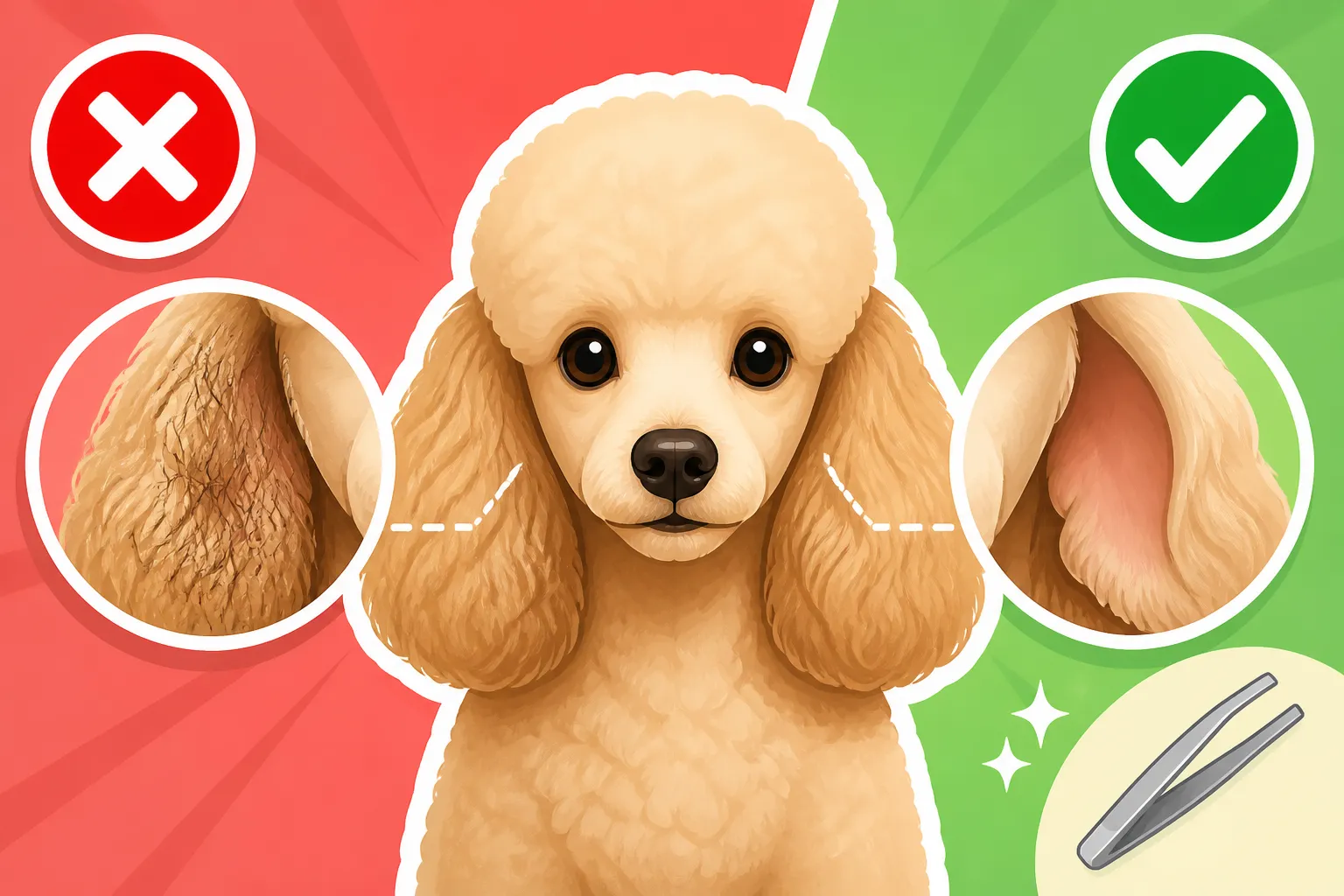
Today, the tide has turned significantly, with a growing number of veterinarians advising against routine ear plucking. The modern understanding is that while the intention behind plucking is good, the act itself can often do more harm than good. When hair is plucked, it can cause microscopic trauma to the delicate lining of the ear canal. This trauma creates tiny open wounds, which can then become entry points for bacteria and yeast, paradoxically increasing the risk of infection rather than preventing it. It's like picking a scab; you might think you're helping, but you're actually creating a fresh wound.
Furthermore, repeated plucking can irritate the skin, leading to inflammation and swelling within the ear canal. This swelling can further narrow the canal, trapping moisture and debris even more effectively than the hair itself. Many veterinarians now suggest that unless a Poodle is experiencing recurrent ear infections directly attributable to excessive hair and a veterinarian specifically recommends plucking, it's best to leave the hair alone. The focus has shifted from aggressive hair removal to gentle, consistent cleaning and monitoring. This shift is a huge relief for many Poodles and their owners who found the plucking process distressing and often painful.
Understanding Your Poodle's Ear Health and Anatomy
To truly understand why the debate exists and what the best practice is, it helps to dive a little deeper into the unique anatomy of a Poodle's ear and the common issues that can arise. It’s not just about the hair; it’s a whole ecosystem down there, and disrupting it without good reason can throw everything off balance.
How Poodle Ears Trap Moisture and Debris
As mentioned, the Poodle's drop ears, combined with their dense ear canal hair, create a perfect environment for trapping moisture and debris. Imagine a warm, humid cave; that's essentially what a Poodle's ear canal can become. After a bath, a swim, or even just a particularly humid day, moisture can linger, struggling to evaporate due to the lack of airflow. This trapped moisture, along with shed skin cells, ear wax, and any external dirt or allergens, can quickly become a feast for opportunistic bacteria and yeast. This is particularly relevant when considering Ear Infections Under a Poodle's Drop Ears.
Beyond just physical trapping, the hair itself can act as wicks, drawing moisture deeper into the canal. This can lead to a cycle of irritation and infection. When you also consider that many Poodles love water – they are water retrievers, after all – the challenge of keeping their ears dry becomes even greater. Proper post-bath or post-swim care, as discussed in Cleaning a Poodle's Ears After a Bath, is absolutely critical for these adventurous dogs.
Signs of Ear Issues Beyond Just Hair
It’s important to remember that ear problems aren't always about hair. There are many other culprits that can lead to discomfort for your Poodle. Allergies, for instance, are a huge factor. Just like humans, Poodles can develop environmental or food allergies that manifest as itchy skin, including intensely itchy ears. This scratching and head shaking can inflame the ear canal, making it ripe for secondary infections. If your Poodle is constantly scratching their ears, rubbing their head on the carpet, or shaking their head vigorously, it's a huge red flag.
Other signs to watch for include:
- Redness or swelling inside the ear flap or canal.
- Excessive discharge, which might be yellowish, brownish, or even black.
- A foul odor emanating from the ear. This is often one of the first and most obvious signs of a bacterial or yeast infection.
- Pain or sensitivity when you touch their ears. They might flinch, cry out, or become defensive.
- Holding their head tilted to one side.
- Scabs or crusts around the ear opening.
If you notice any of these symptoms, your first step should always be a visit to your veterinarian. They can properly diagnose the underlying cause, whether it's an infection, allergies, or something else entirely. Early intervention can save your Poodle a lot of discomfort and prevent more severe issues from developing.
The Role of Genetics and Environment in Ear Infections
Some Poodles are simply more prone to ear infections than others, and this can be due to a combination of genetics and environmental factors. Poodles with particularly narrow ear canals, for example, might be more susceptible regardless of hair, as airflow is naturally restricted. Certain lines within the breed might also have a predisposition to allergies or immune-mediated conditions that affect ear health. This is a good conversation to have with your breeder when acquiring a puppy, as they should be aware of any such tendencies in their lines.
Environmental factors, beyond just humidity and water exposure, also play a huge role. Things like dust, pollen, and even certain grasses can irritate a sensitive Poodle's ears, especially if they have underlying allergies. Living in a high-allergen area, or even just having certain plants in your garden, can contribute to chronic ear irritation. Understanding these nuances helps us realize that ear health is multi-faceted, extending far beyond the simple presence of hair. Addressing factors like Poodle Allergies and Skin Reactions can sometimes resolve chronic ear issues without ever touching a pair of hemostats.
Safe and Hygienic Alternatives to Plucking
Given the potential downsides of routine ear plucking, what should Poodle owners be doing to keep those ears healthy? The good news is there are plenty of effective, gentle strategies that are far kinder to your Poodle's delicate ear canal. The key is consistency and understanding that prevention is always better than cure.
Trimming as a Gentler Option
Instead of plucking, many veterinarians and professional groomers now advocate for trimming the hair at the entrance of the ear canal and using very fine, blunt-tipped scissors or small clippers to trim any excessive hair within reach of the visible ear canal. The goal isn't to remove all hair, but to reduce its density and length where it might trap the most moisture or hinder cleaning. This approach minimizes trauma to the sensitive skin while still improving airflow and allowing for easier cleaning.
Think of it this way: you're giving the hair a "haircut" rather than a "wax." This can be done carefully with a small, quiet trimmer that's specifically designed for pet use. If you're unsure about doing this yourself, your professional groomer can often perform this service. Just be sure to communicate that you prefer trimming over plucking. They are likely already aware of the shift in best practices and can provide this gentle option. The important thing is to never insert scissors or clippers deep into the ear canal, only trim what you can easily see and access without resistance from your Poodle.
The Importance of Regular Ear Cleaning
This is perhaps the most crucial aspect of Poodle ear care. Regular, gentle cleaning with an appropriate veterinary-approved ear cleaner is essential. Your vet can recommend a specific cleaner that's suitable for your Poodle's needs, especially if they have a history of yeast or bacterial issues.
Here's a general approach:
- Gather your supplies: You'll need the ear cleaner and plenty of cotton balls or gauze squares. Avoid cotton swabs, as they can push debris further into the ear canal.
- Apply the cleaner: Gently lift your Poodle's ear flap and squirt the cleaner into the ear canal until it's full.
- Massage the base of the ear: Gently massage the ear at its base for about 30 seconds. You should hear a squishy sound, indicating the cleaner is breaking up wax and debris.
- Allow shaking: Let your Poodle shake their head (it's instinctual and helps bring debris to the surface).
- Wipe clean: Use cotton balls or gauze to gently wipe away any visible cleaner, wax, and debris from the outer ear and the entrance of the canal. Replace cotton balls as they get dirty.
- Repeat if necessary: If the ear is very dirty, you might need to repeat the process until the cotton comes out clean.
How often should you clean? This varies by Poodle. Some might need it weekly, others only every few weeks. If your Poodle swims regularly or gets frequent baths, you'll want to clean more often. Remember, too, that while products from Chewy or Amazon can be convenient, always choose a cleaner recommended by your veterinarian. They know your Poodle best and can guide you to the safest and most effective options.
When to Consult a Vet About Ear Hair
While the trend is moving away from routine plucking, there are still specific circumstances where a veterinarian might recommend it. This is usually only done when a Poodle suffers from severe, chronic ear infections that have been clearly linked to dense ear canal hair, and other treatments have failed. In such cases, the plucking would be done by a vet or a vet tech, often under sedation, to minimize pain and ensure the delicate tissues are not further damaged.
It’s important to understand that this is a therapeutic procedure, not a routine grooming task. You should never attempt to perform extensive plucking on your own if your Poodle is already in distress or has an active infection. Attempting to do so could cause immense pain, exacerbate the infection, or even lead to permanent damage. If you suspect ear hair is contributing to your Poodle's problems, schedule an appointment with your vet. They can assess the situation, rule out other causes, and make an informed decision about the best course of action. This is one of those times when Yearly Routine Vet Spend for a Poodle really pays off in the long run for their health and comfort.
Addressing Common Concerns and Misconceptions
It’s easy to get caught up in old habits or internet anecdotes when it comes to dog care. Let’s clear up some common worries and debunk a few myths surrounding Poodle ear hair and health.
Preventing Pain and Discomfort During Ear Care
One of the biggest concerns for Poodle owners is causing their dog pain during ear care. This is a completely valid worry, as Poodles can be incredibly sensitive, and their ears are indeed delicate. The good news is that with the right approach, ear care doesn't have to be a battle or a source of distress.
If you choose to trim the hair at the ear canal entrance, always use specialized, blunt-tipped scissors or a small, quiet clipper designed for pet grooming. Work in a well-lit area, and always aim to trim only the hair you can clearly see without having to probe into the ear canal. For cleaning, use an ear cleaner at room temperature, not cold from the fridge, as a sudden cold liquid can be startling and uncomfortable. Always praise your Poodle and offer high-value treats (perhaps some delicious Ollie treats as a reward?) during and after ear cleaning sessions to create positive associations. Start when they are puppies, making it a calm, routine experience, and they'll likely tolerate it much better as adults.
| Ear Care Method | Pros | Cons | Ideal Use |
|---|---|---|---|
| Routine Plucking | Historically believed to improve airflow. | Painful, causes micro-trauma, increases infection risk, irritates skin. | Generally discouraged by modern vets; only for severe, chronic, vet-diagnosed issues. |
| Trimming | Reduces hair density without trauma, improves airflow. | Requires careful handling of sharp tools, only effective for accessible hair. | Regular maintenance, especially for Poodles prone to outer ear mats. |
| Regular Cleaning | Removes wax, debris, and moisture; prevents infections. | Requires consistency, correct technique, and vet-approved cleaner. | Essential for all Poodles, especially those who swim or have floppy ears. |
The Myth of "Poodle Ear Funk" Caused by Hair Alone
Many people believe that the "Poodle ear funk" – that distinct, often cheesy or musty smell – is simply a natural consequence of having hairy ears. This is a huge misconception. While trapped moisture and debris, sometimes exacerbated by hair, can contribute to the environment where the smell develops, the smell itself is almost always a sign of an underlying bacterial or yeast infection. Healthy Poodle ears should have a very mild, neutral scent, or no scent at all.
If you notice a strong, unpleasant odor coming from your Poodle's ears, don't just assume it's "normal Poodle ear funk." This is a clear indicator that something is amiss, and it warrants a vet visit. Ignoring the smell means ignoring an active infection, which can lead to greater discomfort for your dog and more complicated, expensive treatments down the line. A Poodle with healthy ears should not smell like a locker room.
Long-Term Strategies for Poodle Ear Wellness
Beyond just cleaning, a holistic approach to your Poodle's health contributes to ear wellness. A balanced diet can play a role, especially if your Poodle has food allergies that manifest in their ears. Ensuring they get adequate exercise and mental stimulation helps keep their immune system strong and their stress levels down, which can indirectly impact their overall health, including ear health.
Consider incorporating a routine check of your Poodle’s ears into your regular grooming sessions. While brushing their coat with Brushes and Combs a Poodle Owner Needs, gently lift their ear flaps, take a quick sniff, and look for any redness or discharge. Making this a quick, positive experience means you'll catch potential problems early, often before they become severe. If your Poodle swims, always dry their ears thoroughly afterward with a soft towel, even using cotton balls just inside the ear canal opening to absorb excess moisture, being careful not to push anything in too far. These small, consistent efforts are the true heroes in keeping your Poodle's distinctive ears healthy and happy for a lifetime.
Disclaimer
This article is for general informational purposes only and does not constitute professional advice. Laws, prices and regulations vary by location and change over time. Consult a qualified professional for guidance on your specific situation.