Why Drop Ears Trap Moisture in Poodles
If you've ever found yourself in a frustrating cycle of recurring ear infections with your beloved Poodle, you're certainly not alone. That iconic, charming floppy ear, while a hallmark of the breed, can unfortunately create a perfect storm for trouble deep within the ear canal. This comprehensive guide will meticulously explore the unique anatomical reasons Poodle drop ears are particularly prone to trapping moisture, leading to those persistent, uncomfortable, and often expensive infections, and what proactive steps you can take to keep your furry friend's ears healthy and happy.
The Unique Anatomy of a Poodle's Ear
Poodles are distinctive for many reasons, not least of which is their coat and those adorable, long, pendulous ears. While these features contribute to their elegant appearance, they also play a significant role in making their ears a prime location for moisture retention and, consequently, infection. Understanding this unique anatomy is the first step toward effective prevention.
The Long, Pendulous Drop Ear
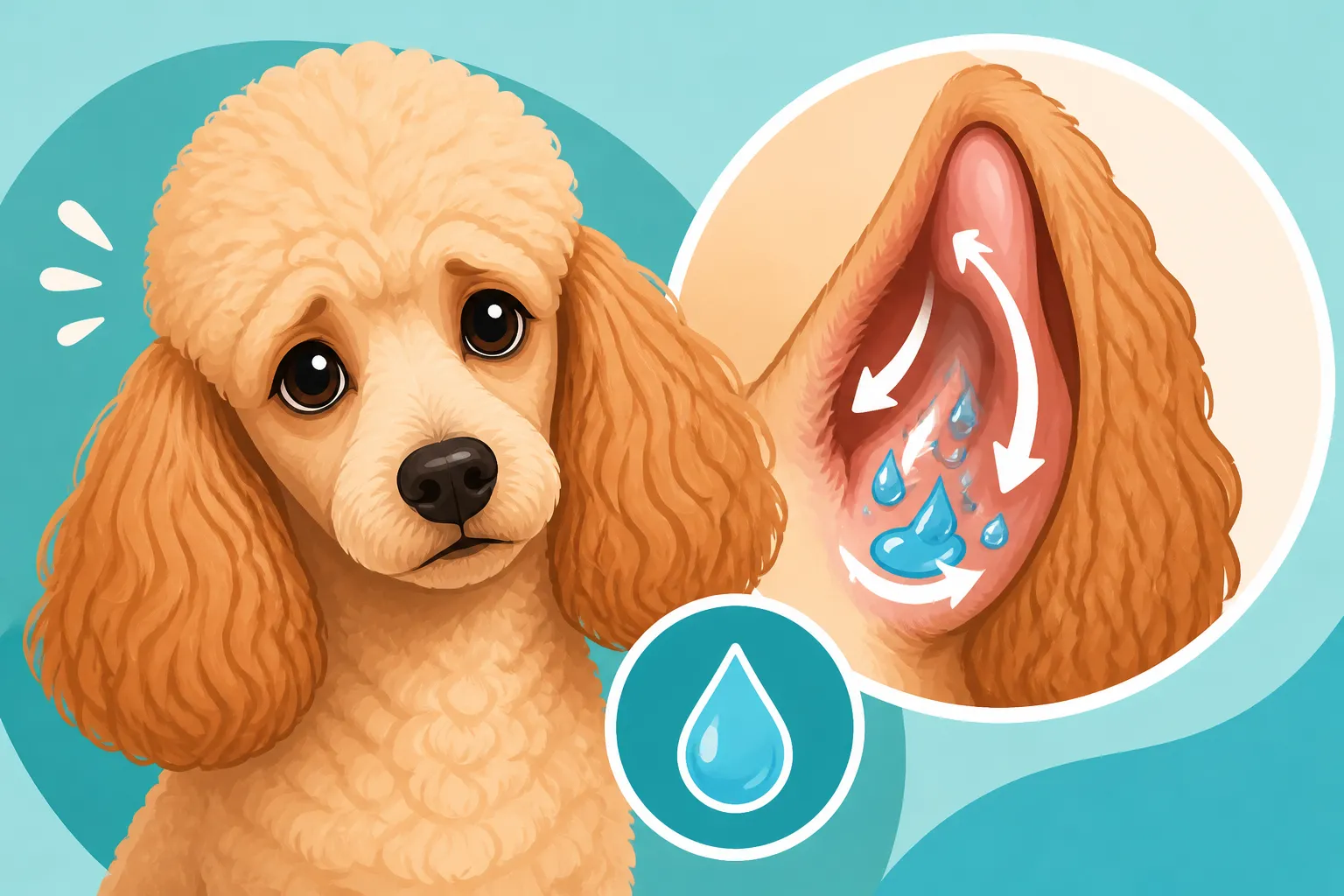
Unlike breeds with erect ears, such as German Shepherds or Chihuahuas, a Poodle's ear flaps are long and heavy, hanging down over the ear canal opening. This physical characteristic, while aesthetically pleasing, creates a natural barrier. Think of it like a curtain drawn over a window – it significantly restricts airflow into the ear canal. This limited ventilation means that any moisture that finds its way in has a much harder time evaporating naturally.
Imagine a humid day; if you’re wearing a hat that covers your ears entirely, you'll feel the warmth and dampness build up underneath. It’s a similar, albeit more pronounced, effect for a Poodle. The ear flap essentially seals off the external auditory canal from the open air, denying it the crucial ventilation needed to stay dry. This design makes Poodles, regardless of their size – from the smallest Toy Poodle to the majestic Standard – inherently more susceptible to conditions exacerbated by a lack of air circulation.
The Hair-Filled Ear Canal
Now, add another layer of complexity: Poodles, famous for their non-shedding, continually growing coat, have hair not just on the outside of their bodies, but also deep inside their ear canals. This isn't just a few stray strands; it can be a dense thicket of soft, fine hair that acts like a sponge. This internal ear hair is a double-edged sword when it comes to moisture.
Firstly, it physically traps moisture. When water gets into the ear – be it from a bath, a swim, or even heavy humidity – this hair soaks it up and holds onto it, preventing it from draining or evaporating. It’s like having a damp piece of cotton stuffed into the ear canal. Secondly, this dense hair also further obstructs airflow, intensifying the humid microclimate created by the drop ear itself. This combination of limited ventilation and a moisture-retaining interior is a major reason why Poodle ears are so vulnerable. Many owners wonder Why Poodle Ears Grow Hair Inside and the answer lies in their unique coat genetics. This hair, while contributing to their hypoallergenic qualities on their body, becomes a disadvantage in their ears.
How Moisture Becomes a Problem
Understanding the "why" behind Poodle ear infections is crucial, and it largely boils down to how easily moisture gets trapped and creates an inviting environment for problematic microorganisms. It's not always about a swim; sometimes, the problem starts with something as simple as a humid day or a quick bath.
The Warm, Humid Microclimate
The combination of a Poodle's drop ears and the hair within the ear canal creates a perfect storm: a warm, dark, and humid microclimate. This environment is an absolute paradise for bacteria and yeast, the most common culprits behind ear infections in dogs. These microorganisms thrive in such conditions, multiplying rapidly.
Think about it from a biological perspective: just like mold growing in a damp bathroom, these microscopic organisms prefer warmth and moisture. The Poodle's ear canal, with its restricted airflow, becomes an incubator. If your Poodle lives in a naturally humid climate, like many parts of Florida or the Gulf Coast, this problem can be even more pronounced. The ambient humidity alone can be enough to maintain that damp internal environment, even if your dog isn't actively getting their ears wet. It's an invisible struggle that many Poodle owners face, making regular vigilance absolutely necessary.
Swimming, Bathing, and Everyday Dampness
While the internal ear structure sets the stage, external moisture is often the trigger. For a Poodle, water getting into the ears is almost inevitable, given their active nature and owner routines.
- Bathing: This is perhaps the most common culprit. During a bath, even with careful rinsing, water can easily trickle down into the ear canals. If not thoroughly dried afterward, this moisture can linger for hours, or even days, kickstarting an infection. It's a common oversight, but drying those ears completely after a bath is just as important as washing the rest of their body. Knowing the proper techniques for Cleaning a Poodle's Ears After a Bath is incredibly important.
- Swimming: Poodles, with their heritage as water retrievers, often love to swim. This is fantastic for exercise and mental stimulation, but it means their ears are almost guaranteed to get drenched. A Standard Poodle diving into a lake or a Toy Poodle splashing in a kiddie pool will both have water entering their ear canals. While their coat is designed for water, their ear canal isn't designed to shed it efficiently.
- Playing in Wet Grass/Rain: Even something as innocuous as running through dew-covered grass in the morning, playing in sprinklers, or a walk in the rain can introduce enough moisture to problematic ears. The ear flaps themselves can collect droplets, which then work their way down.
- Excessive Ear Cleaning: Ironically, trying too hard to clean or using too much liquid ear cleaner without proper drying can also introduce excess moisture, exacerbating the very problem you're trying to solve. It's about balance and proper technique.
These everyday occurrences mean that Poodle owners must be constantly aware of their dog's ear health.
The Consequences of Trapped Moisture
The continuous presence of moisture within the warm, hair-filled confines of a Poodle's ear canal invariably leads to unpleasant and often painful health issues. This isn't just a minor annoyance; it can significantly impact your Poodle's quality of life and your wallet.
Bacterial and Yeast Infections
The most immediate and common consequence of trapped moisture is the proliferation of bacteria and yeast, leading to otitis externa (inflammation of the external ear canal).
- Yeast Infections: A common culprit is Malassezia pachydermatis, a type of yeast naturally present on dog skin. When the ear canal becomes warm, dark, and moist, this yeast overgrows. Signs often include a distinct sweet, pungent, or cheesy odor, along with reddish-brown waxy discharge and intense itching. Your Poodle might be shaking their head frequently, scratching at their ears, or rubbing them against furniture. This is often the first type of infection to take hold because yeast thrives in the anaerobic conditions created by trapped moisture.
- Bacterial Infections: Bacteria like Staphylococcus or Pseudomonas also readily colonize a compromised ear environment. Bacterial infections tend to be more painful and may present with yellowish-green pus, a foul odor, and severe inflammation. In advanced cases, the ear canal can become so swollen that it almost closes, making it incredibly difficult to treat and causing extreme discomfort for your Poodle. Both types of infections, if left untreated, can progress deeper into the ear, potentially affecting the middle or inner ear, which can have much more serious consequences, including balance issues, hearing loss, and neurological symptoms. This is why addressing Poodle Ear Infections Under a Poodle's Drop Ears quickly is paramount.
Chronic Ear Problems and Discomfort
When ear infections become a recurring nightmare, they transition into a chronic condition, which is a major source of pain and frustration for both Poodle and owner. Each successive infection can make the ear canal more susceptible to the next. The constant inflammation can lead to permanent changes in the ear canal's structure, such as thickening of the skin (hyperplasia) or calcification, narrowing the canal and making it even harder for air to circulate and for medications to penetrate effectively.
A Poodle suffering from chronic ear problems may exhibit persistent head shaking, pawing at their ears, rubbing their head along the ground, or becoming withdrawn and irritable due to constant pain. They might even become sensitive to touch around their head. In severe cases, particularly with aggressive head shaking, aural hematomas can develop, where blood vessels rupture within the ear flap, causing a large, painful swelling that often requires surgical intervention. These persistent issues don't just affect physical health; they can impact your Poodle's overall temperament and happiness.
For owners, the financial burden of managing chronic ear infections can be substantial, involving repeated vet visits, diagnostic tests, specialized medications, and sometimes even sedated cleanings or surgery. Investing in a good pet insurance plan, like those offered by Healthy Paws, can certainly ease the financial burden of managing chronic ear infections or other unexpected health issues over your Poodle's lifetime.
Preventing Moisture-Related Ear Issues
While Poodles are genetically predisposed to moisture-trapping ears, proactive care can make a tremendous difference in preventing recurrent infections. A consistent routine and keen observation are your best tools in this battle.
Regular Cleaning and Drying Routines
Establishing a regular ear care routine is non-negotiable for Poodle owners. This routine should focus on both cleaning and, crucially, drying.
- After Every Water Exposure: This is the golden rule. Whether your Poodle has had a bath, gone for a swim, or even just played outside in the rain or heavy dew, their ears need immediate attention. Gently lift the ear flap and use a soft towel or cotton ball to absorb as much visible moisture as possible from the outer ear and the entrance to the canal. Some owners even use a low-setting hairdryer (held at a safe distance and not directly into the canal) to ensure thorough drying, but introduce this slowly so your Poodle doesn't develop a fear of the sound. Remember, Bathing and Drying a Poodle correctly is a whole process, and the ears are a critical part of it.
- Weekly Cleaning (or as advised by your vet): Use a vet-approved ear cleaning solution. Never use alcohol or hydrogen peroxide, as these can be irritating or even damaging. Gently fill the ear canal with the solution, massage the base of the ear for 30 seconds to loosen debris, and then allow your Poodle to shake their head. After the shaking, use cotton balls or soft gauze to wipe away any discharge from the accessible parts of the ear. Never insert cotton swabs or anything else deep into the ear canal, as this can push debris further in or damage delicate structures. If you're unsure about technique, ask your veterinarian or a professional groomer to demonstrate.
| Feature | Healthy Poodle Ear | Infected Poodle Ear |
|---|---|---|
| Odor | Faint, neutral smell | Pungent, yeasty, or foul odor |
| Discharge | Minimal, light brown earwax | Excessive dark brown, reddish-brown, yellow, or green |
| Appearance | Pale pink, clean, no redness or swelling | Redness, swelling, crusting, discharge visible |
| Temperature | Normal to touch | Warm to hot |
| Behavior | No scratching, head shaking, or sensitivity | Frequent scratching, head shaking, rubbing, pain when touched |
Strategic Grooming and Hair Plucking
Because Poodles have hair growing inside their ear canals, strategic grooming is a vital part of prevention. This hair, as discussed, holds onto moisture and blocks airflow.
- Plucking: Many Poodle owners and professional groomers opt to pluck the hair from inside the ear canal. This practice aims to improve airflow and reduce the amount of hair available to trap moisture. However, ear plucking can be a contentious topic among veterinarians. Some advocate for it, while others believe it can cause micro-traumas to the delicate skin of the ear canal, potentially leading to inflammation and opening the door for infection. If you decide to pluck, it should be done carefully, ideally by a professional groomer or your vet, especially initially. It's not a painful process if done correctly and in small amounts, but it does require finesse. If considering this, definitely consult your vet first to see if it's the right choice for your individual Poodle. There's a lot to consider regarding Plucking Hair From a Poodle's Ear Canal.
- Trimming Around the Ear Canal: Even if you don't pluck, keeping the hair around the entrance of the ear canal trimmed short can help. This prevents long strands from getting wet and wicking moisture into the canal, and also allows for better air circulation around the ear opening. Your professional groomer can easily incorporate this into their routine.
When to Consult Your Vet
Despite your best preventative efforts, ear infections can still occur. Recognizing the signs early and seeking prompt veterinary attention is crucial for successful treatment and preventing chronic issues.
- Watch for Red Flags: Don't ignore symptoms like frequent head shaking, persistent ear scratching, a foul odor emanating from the ear, redness or swelling around the ear canal, or any unusual discharge (dark brown, yellow, or green). Your Poodle might also hold their head tilted, seem painful when you touch their ears, or become more withdrawn.
- Early Intervention is Key: The moment you notice any of these signs, it's time to call your vet. Delaying treatment only allows the infection to worsen, become more painful, and potentially harder to resolve. Your vet will examine the ear, likely take a swab for cytology (to identify whether yeast or bacteria, or both, are present), and prescribe appropriate medication. This might include ear drops, oral antibiotics, or anti-inflammatories.
- Addressing Underlying Causes: Sometimes, ear infections aren't just about moisture; they can be a symptom of an underlying issue like allergies. Poodles can be prone to environmental or food allergies, which manifest as skin irritation and, often, recurrent ear infections. If your Poodle's ear issues are chronic, your vet might explore allergy testing or a prescription diet to get to the root of the problem. For ongoing issues, especially if allergies are suspected, your vet might recommend specialized diets or long-term medication. These costs can add up quickly, so having a reliable pet insurance provider like Healthy Paws can offer immense peace of mind. Remember, a comprehensive approach often yields the best results.
Regular vet check-ups are key to catching problems early. Remember, comprehensive pet insurance plans, such as those from Healthy Paws, often cover diagnostic tests and treatments for various conditions, including ear infections, making prompt care more accessible. Understanding How Often a Plucked Poodle Ear Still Infects can help you set realistic expectations and ensure continued vigilance.
Disclaimer
Please note that the information provided in this article is for general educational purposes only and should not be considered a substitute for professional veterinary advice. Always consult with a qualified veterinarian for any health concerns or before making any decisions related to your Poodle's care.