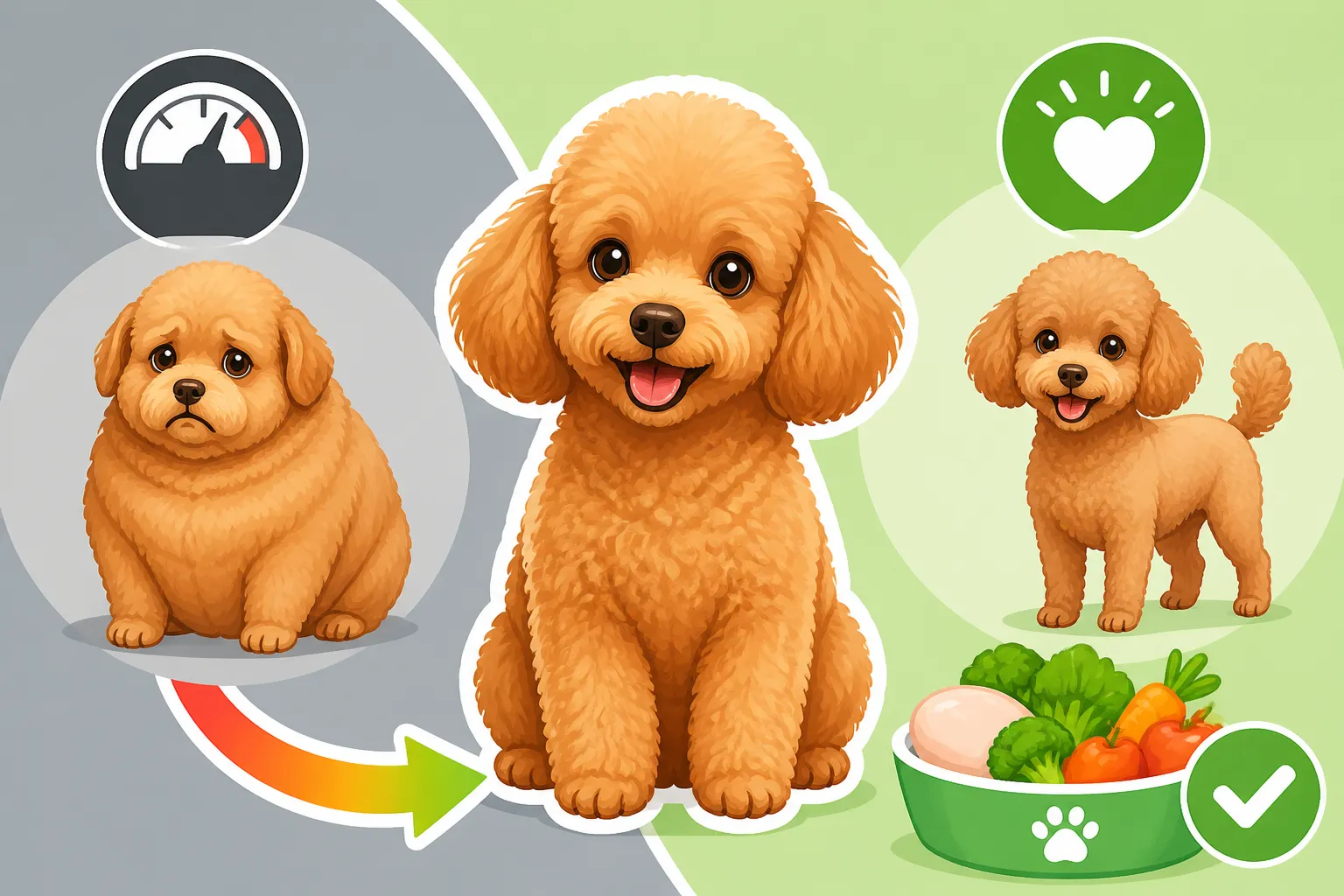
Safe Weight Loss for a Toy Poodle
It’s a scenario many of us Poodle parents know all too well: that adorable, fluffy Toy Poodle who used to bound around like a spring chicken has started looking a little… rounder. Those extra pounds can sneak up on our pint-sized pals, often leaving us feeling guilty and unsure how to help them trim down safely. This guide is here to walk you through the nuances of healthy weight loss for your Toy Poodle, offering practical, empathetic advice to get them back to their optimal weight and vibrant self.
Understanding Why Toy Poodles Gain Weight
It’s easy to look at a Toy Poodle and think, "How could such a tiny dog gain so much weight?" But for our smallest Poodle variety, even a few extra ounces can make a significant difference to their overall health and mobility. Their delicate frames aren't designed to carry excess weight, and the factors contributing to that weight gain are often subtle and easy to overlook.
The Sneaky Calories in Tiny Treats
One of the biggest culprits behind a Toy Poodle’s expanding waistline is often right in our hands: treats. We love to spoil our Poodles, and those little gestures of affection — a bite of toast, a sliver of cheese, or an extra biscuit after a walk — add up incredibly fast for a dog that might only weigh five or six pounds. What seems like a negligible calorie count for a human or even a Standard Poodle can be a substantial portion of a Toy Poodle's daily allowance. It’s not that we intend to overfeed; it’s just that our perception of a "small treat" doesn't always align with their metabolic needs. Think about it: a single, seemingly small dog biscuit could be equivalent to a human eating several cookies! These hidden calories from daily snacks, table scraps, and even extra portions of their regular food can quickly push them into an unhealthy weight category.
Lifestyle Factors: Too Much Snuggle, Not Enough Sprint
While Poodles are known for their intelligence and often high energy, the tiny stature of a Toy Poodle can sometimes lead owners to underestimate their exercise needs. It’s tempting to cuddle them on the couch, carry them in a purse, or assume a quick scamper around the living room is enough. However, even Toy Poodles need regular, structured activity to burn calories and maintain muscle mass. A lack of consistent, appropriate exercise means fewer calories expended, leading to weight gain if their food intake isn't meticulously managed. When the weather is bad, or life simply gets busy, those daily walks might get shorter or skipped entirely. While they are wonderful lap dogs, their ancestry as active, retrieving dogs means their bodies are built for more than just lounging. This imbalance between caloric intake and expenditure is a direct path to an overweight Poodle.
Medical Reasons for Weight Gain in Small Breeds
Sometimes, weight gain isn't purely about diet and exercise. Certain underlying medical conditions can contribute to a Toy Poodle putting on pounds. Hypothyroidism, a common endocrine disorder where the thyroid gland doesn't produce enough hormones, can significantly slow down a dog's metabolism, leading to weight gain despite a normal diet. Thyroid Disease in Poodles is something to be aware of across all sizes. Similarly, certain medications, like steroids, can cause increased appetite and fluid retention, both contributing to weight gain. As Poodles age, their metabolism naturally slows down, and conditions like arthritis can make exercise painful, further limiting activity. If your Toy Poodle is gaining weight rapidly, seems lethargic, or you're already very strict with their diet and exercise but see no change, it’s crucial to consult your veterinarian. They can rule out medical issues and ensure that any weight loss plan is safe and appropriate for your Poodle’s overall health. Remember, a sudden change in weight or energy often warrants a professional check-up.
Crafting a Safe and Effective Weight Loss Plan
Once you've identified that your Toy Poodle needs to shed some pounds, the next step is to create a structured and sustainable weight loss plan. This isn't about crash dieting or drastic changes; it's about making thoughtful, consistent adjustments that prioritize your Poodle's health and well-being. Patience and consistency are key here, as slow and steady weight loss is always the safest approach for our little ones.
Re-evaluating Your Toy Poodle's Diet
The foundation of any successful weight loss plan for a Toy Poodle starts with a thorough review of their diet. This means looking at everything they consume.
First, consider their primary food. Is it a high-quality kibble or fresh food that meets all their nutritional needs? Many regular adult maintenance foods might be too calorie-dense for a Poodle on a weight loss journey. Look for specialized "weight management" or "light" formulas, which are typically lower in calories and fat but still provide essential nutrients and fiber to help them feel full. Brands like Ollie offer customized meal plans that can be formulated to a specific weight loss target, taking the guesswork out of calorie counting.
Next, tackle those treats. This is often the hardest part for owners! Instead of calorie-laden biscuits, switch to low-calorie alternatives. Tiny pieces of cooked lean chicken or turkey, plain green beans, carrots, or apple slices (without seeds) can be excellent, healthy rewards. You can find a variety of suitable options on online pet retailers like Chewy by searching for "low calorie dog treats." Remember, even these healthier options need to be given sparingly and factored into their daily caloric intake. If you're using treats for training, make them pea-sized or even smaller. For a Toy Poodle, literally a crumb can be a rewarding experience. Be mindful of Low Calorie Treats for a Poodle.
Finally, eliminate all human food scraps. This is non-negotiable for weight loss. While a tiny taste might seem harmless, it's often packed with calories, fat, and ingredients that aren't good for dogs. Consistency across all household members is vital; everyone needs to be on board.
The Importance of Measured Meals
Once you've chosen the right food, portion control becomes paramount. Eyeballing amounts is a common pitfall. For a Toy Poodle, even a small error in measurement can significantly impact their calorie intake. Invest in a digital kitchen scale to accurately weigh out their kibble, or use precise measuring cups. Follow the feeding guidelines on your chosen dog food, but remember these are often for maintaining weight, not losing it. You’ll likely need to feed a slightly reduced portion, aiming for a caloric intake that promotes gradual weight loss (typically 1-2% of their body weight per week is a safe target). Your vet can help you calculate an ideal daily calorie goal.
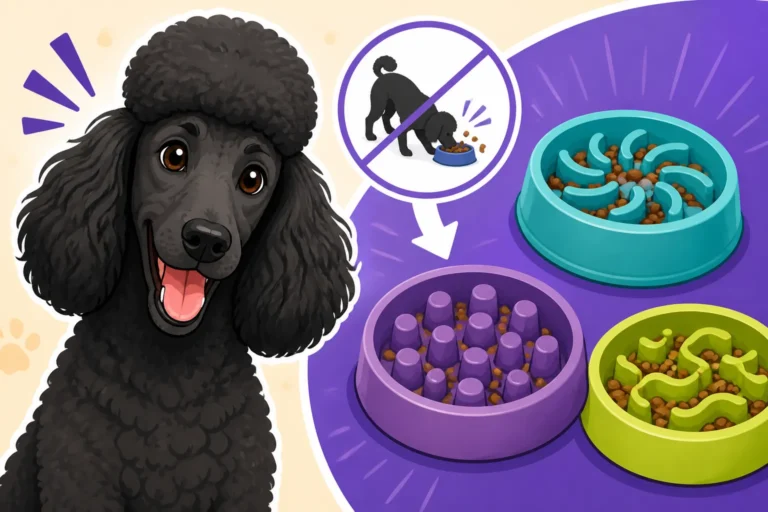
For Toy Poodle puppies, feeding is quite different, and you can learn more from Feeding a Toy Poodle Puppy. But for an adult Poodle needing to lose weight, consider splitting their daily allowance into two smaller meals. This can help prevent them from feeling too hungry and can also aid in digestion. Some owners find that using a slow feeder bowl, readily available on Amazon, helps to prolong mealtime, making the Poodle feel more satisfied.
| Treat Type | Caloric Impact (for a Toy Poodle) | Suitability for Weight Loss | Notes |
|---|---|---|---|
| Commercial Dog Biscuits | High | Poor | Often dense, high in calories, fats, and sugars |
| Cheese/Cold Cuts (Human) | Very High | Avoid | High fat, high sodium, potentially harmful |
| Fruit (Apple, Blueberry) | Low to Moderate | Good (in moderation) | Natural sugars, check suitability, small pieces |
| Vegetables (Green Bean, Carrot) | Very Low | Excellent | High fiber, low calorie, great for volume |
| Cooked Lean Meat (Plain) | Moderate | Good (in small amounts) | High protein, satisfying, no seasonings |
| Plain Kibble (from meal) | Controlled | Excellent | Use a few pieces from their daily allowance |
Boosting Activity Levels Without Overdoing It
Exercise is the other crucial half of the weight loss equation. While you might not be taking your Toy Poodle on a marathon, consistent, appropriate activity is essential. Aim for short, frequent walks – perhaps 10-15 minutes, two or three times a day. If your Toy Poodle is significantly overweight or has joint issues (like Luxating Patella in Toy and Miniature Poodles), start very slowly and gradually increase the duration and intensity as their fitness improves. Focus on gentle activities that don’t put excessive strain on their small joints.
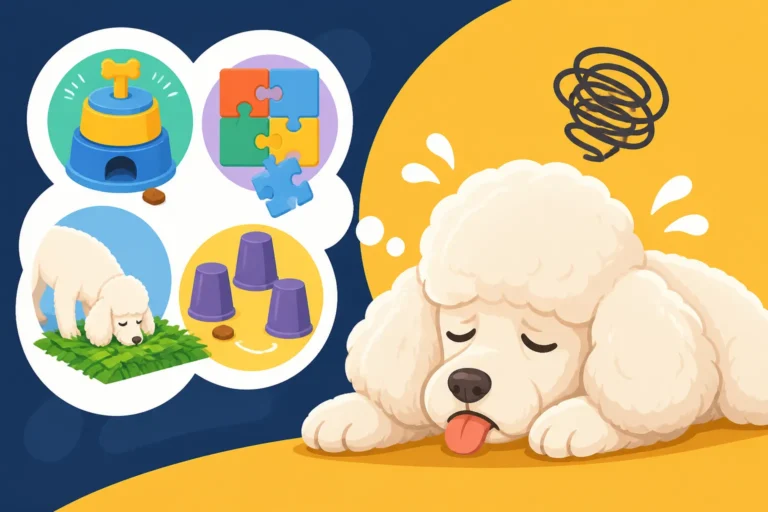
Indoor play can also be a fantastic way to burn calories, especially on bad weather days. Think games of fetch in a hallway, hide-and-seek with their favorite toys, or even structured training sessions. Poodles are incredibly intelligent, so engaging their minds with puzzle toys or learning new tricks (Trick Training a Poodle) can also be a great form of exercise that doesn't feel like a chore. You can find many interactive toys on Amazon that encourage mental and physical engagement.
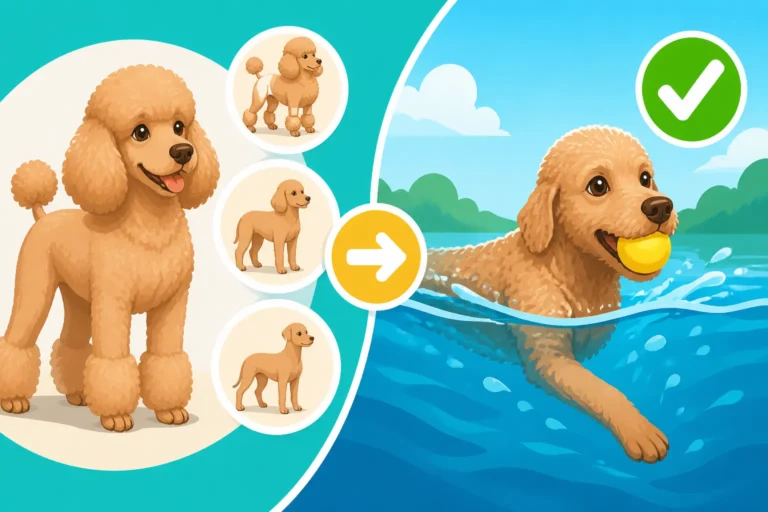
Swimming, if accessible and safe, can be a wonderful, low-impact exercise for Poodles that enjoy the water. Just ensure their coat is dried thoroughly afterward to prevent skin issues. Daily Exercise for a Toy Poodle will provide more ideas for keeping your little one active. The key is to make exercise a fun and positive experience, not a punishment, to ensure your Poodle stays motivated.
Monitoring Progress and Making Adjustments
Embarking on a weight loss journey with your Toy Poodle is a marathon, not a sprint. Consistent monitoring and a willingness to adjust your plan are vital for long-term success. It’s not always a linear path, and there will be weeks where progress seems to slow, but staying diligent and working closely with your vet will keep you on track.
Regular Weigh-Ins and Body Condition Scoring
To effectively monitor your Toy Poodle's weight loss, regular weigh-ins are essential. Aim for weekly or bi-weekly weigh-ins, ideally at the same time of day, using a reliable digital scale. For very small Toy Poodles, it might be easiest to weigh yourself, then weigh yourself holding your Poodle, and subtract the difference. Keep a journal or use a spreadsheet to track their weight over time. This data will help you visualize their progress and identify any plateaus.
Beyond the number on the scale, regularly assess your Poodle's body condition score (BCS). This involves feeling their ribs, spine, and waist. You should be able to easily feel their ribs without pressing hard, and they should have a discernible waist when viewed from above. Their tummy should also tuck up slightly when viewed from the side. If their ribs are difficult to feel, or they have no waist, they likely still have weight to lose. Your vet can show you how to properly perform a BCS. This visual and tactile assessment is often more telling than just the number on the scale, especially if your Poodle has a very fluffy coat that might hide their true shape. What a Poodle Should Weigh by Variety gives you a general idea, but a BCS is often more tailored to your individual Poodle's build.
Recognizing Plateaus and When to Consult Your Vet
It’s completely normal for weight loss to slow down or hit a plateau. Your Toy Poodle’s body will adapt to the changes you’ve made, and progress might not always be linear. If you notice a plateau for several weeks despite strict adherence to the diet and exercise plan, it's time for a re-evaluation.
First, double-check your measurements. Are you truly being precise with food portions? Are all treats accounted for, including those given by other family members? Sometimes, a slight reduction in calories (under veterinary guidance) or a small increase in exercise might be necessary to break through a plateau.
However, if you're stuck, or if your Poodle seems overly hungry, lethargic, or you're concerned about any aspect of their health during the weight loss process, consult your veterinarian. They can help you re-assess the caloric intake, suggest further dietary adjustments, or explore if there’s an underlying medical reason for the plateau. It's especially important to consult them if you have an older Poodle, as Caring for an Aging Poodle often involves different considerations for weight management and overall health. Rapid, unsupervised weight loss can be dangerous, particularly for tiny breeds prone to issues like Hypoglycemia in a Toy Poodle Puppy, so professional guidance is always the safest route.
Maintaining a Healthy Weight Long-Term
Reaching your Toy Poodle's ideal weight is a huge accomplishment, but the journey doesn't end there. Maintaining that healthy weight requires ongoing commitment and vigilance. The habits you developed during weight loss – precise portion control, healthy treat choices, and regular exercise – need to become a permanent part of your routine.
Continue to monitor their weight and body condition regularly. If you notice them starting to creep back up, address it immediately by tightening up on portions or increasing activity slightly. It's much easier to lose a pound or two than to tackle a significant weight gain all over again.
Consider enriching their lives with engaging activities that don't involve food. Poodles thrive on mental stimulation, so continue with puzzle toys, training new tricks, or even exploring dog sports like obedience or agility if they enjoy them. Keeping a Poodle Mind Occupied is crucial for their overall well-being. A happy, mentally stimulated Poodle is less likely to beg for food out of boredom. Celebrate their healthy weight with extra playtime, cuddles, and praise, rather than edible treats. Making health a lifestyle for both you and your Toy Poodle will ensure they live a long, happy, and active life by your side.
Disclaimer
This article is for general informational purposes only and does not constitute professional advice. Laws, prices and regulations vary by location and change over time. Consult a qualified professional for guidance on your specific situation.