When a Poodle Coat Has to Be Shaved Off
It's a scenario many Poodle parents dread: you run your fingers through your beloved companion's signature curls, only to discover not soft, fluffy hair, but a dense, impenetrable mat that feels like felt. The decision to shave off a Poodle's magnificent coat can feel like a failure, a last resort, and frankly, a bit heartbreaking. But sometimes, for the health, comfort, and sheer wellbeing of your Poodle, a full shave down isn't just an option—it's the only humane choice. This comprehensive guide is here to shed light on when that difficult decision becomes unavoidable, what leads to it, and how to prevent it from happening again.
The Unforgiving Nature of the Poodle Coat
Poodles are renowned for their glorious, curly coats that are often described as "hair" rather than "fur." While this characteristic is fantastic for people with allergies, making Poodles one of the most beloved breeds for sensitive owners, it also comes with a significant grooming responsibility. Their coat grows continuously and does not shed in the same way as many other breeds, which means any loose hair gets tangled within the existing coat. If not diligently maintained, these tangles quickly escalate into serious mats.
The Anatomy of a Poodle's Hair Follicle
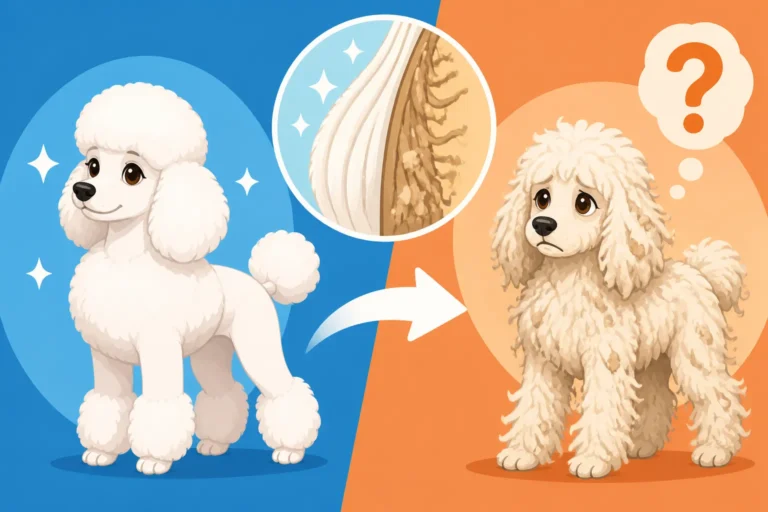
Unlike double-coated breeds that shed an undercoat seasonally, Poodles possess a single layer of continuously growing hair. Imagine human hair: it just keeps growing until it's cut. A Poodle's hair acts much the same way. Each strand is fine and curly, and these curls naturally intertwine with each other. When old hairs detach from the follicle but remain trapped within the surrounding healthy hair, they form knots. These knots, if left unchecked, pull tighter and tighter, eventually forming a solid, felt-like mass against the skin. This unique growth pattern is why Poodle coats are so prone to matting, especially in areas of high friction or moisture. It's a beautiful, intricate system, but one that demands constant attention. The Poodle Coat and Why It Never Stops Growing goes into more detail about this fascinating aspect of their hair.
The Matting Cycle: How Tangles Escalate into Solid Felt
The matting cycle often begins innocently enough: a small tangle behind an ear, under an armpit, or in the groin area. These are typically spots where the coat is finer, or where movement and friction are constant. A quick brush might miss these hidden spots, allowing the tangle to grow. Moisture from bathing, rain, or even just humidity can tighten existing tangles, literally shrinking them into dense knots. As more loose hair gets caught, the mat grows larger and denser, eventually pulling painfully on the skin. Before you know it, what started as a small knot can become a wide, flat sheet of felted hair, often referred to as "pelting." This pelt can cover large sections of the body, becoming a painful, unyielding second skin. Understanding this rapid escalation is key to preventing severe matting, as what seems like a minor issue can quickly become a major problem in just a few days if not addressed.
When Mats Become a Health Hazard
Beyond the aesthetic concerns, severe matting poses significant health risks to your Poodle. These aren't just cosmetic issues; they can lead to serious discomfort, pain, and even dangerous medical conditions that necessitate veterinary intervention. When a Poodle's coat reaches this point, the decision to shave it off moves beyond personal preference and becomes a crucial act of care.
Skin Irritation, Infections, and Hot Spots
Mats pull tightly on the skin, restricting blood flow and air circulation. This constant tension and lack of ventilation create a perfect breeding ground for bacteria and yeast. Your Poodle's skin beneath a mat can become red, inflamed, itchy, and irritated. Scratching and chewing at these spots only make things worse, often leading to raw, open sores known as "hot spots." These hot spots are incredibly painful and can quickly become infected, requiring antibiotics and topical treatments from your vet. In severe cases, deep skin infections can spread, leading to more serious systemic issues. The tight constriction can also be compared to having your hair tied in a ponytail too tightly for days on end – imagine that pain, but all over their body.
Restricting Movement and Causing Pain
Severe mats can physically restrict your Poodle's ability to move naturally. Imagine trying to walk, run, or even lie down comfortably when your skin is constantly being pulled and stretched. Mats under the legs, in the armpits, and around joints make it difficult for a Poodle to extend their limbs, leading to an unnatural gait or reluctance to move. They might avoid jumping on the couch, going up stairs, or playing with their usual enthusiasm. This restriction isn't just uncomfortable; it's genuinely painful. The constant tugging on the skin can cause bruising and open sores, making every movement a source of agony. It directly impacts their quality of life, turning once-joyful activities into sources of discomfort.
Hiding Parasites and Injuries
A thick, matted coat provides an ideal hiding place for external parasites like fleas, ticks, and mites. These pests can thrive undetected beneath the dense fur, biting and irritating the skin, and potentially transmitting diseases. Owners often don't realize their Poodle has a severe flea infestation until the mats are removed, revealing inflamed, flea-bitten skin. Furthermore, mats can obscure injuries, lumps, or skin growths. A cut, a puncture wound, or a developing tumor might go unnoticed for weeks or months beneath a thick pelt. By the time it's discovered, the condition could be much more severe and harder to treat. This is why a thorough groom is also a health check, allowing groomers and owners to visually inspect the skin for any abnormalities.
The Point of No Return: When Brushing is No Longer an Option
There's a fine line between a challenging tangle that can be worked out with patience and the right tools, and a mat that has progressed beyond humane detangling. Knowing where that line is, and respecting it, is crucial for your Poodle's wellbeing. When a coat reaches true pelting, brushing is not only ineffective but can cause immense pain and further damage.
Assessing the Severity: Differentiating Minor Tangles from Dense Pelts
Minor tangles are usually surface-level knots that you can feel with your fingers or a comb, and they don't pull tightly on the skin. These can often be gently worked out using a slicker brush, a metal comb, and a good detangling spray. However, a dense pelt feels like a solid sheet of fabric fused to the skin. You can't get a comb or even your fingers through it. The skin underneath might be visibly stretched, red, or tender to the touch. If you try to pull on a mat, your Poodle will likely react with pain, yelping, or trying to move away. Finding Poodle Mats Before the Groomer Does highlights specific areas to check. One simple test is trying to push a fine-toothed comb through the coat all the way to the skin. If you can't, or if the comb snags repeatedly, you're likely dealing with significant matting.
| Matting Stage | Description | Recommended Action |
|---|---|---|
| Minor Tangles | Small, loose knots; often behind ears, under legs. Can feel individual strands. | Gentle line brushing, detangling spray, wide-tooth comb. |
| Moderate Mats | Larger, denser clumps; some air circulation possible, can still see skin. | Careful dematting with specialized tools (often by pro), potentially shorter clip. |
| Severe Pelting | Solid, felted sheets of fur; tight against the skin, restricts movement. Cannot see skin. | Immediate full shave down by a professional groomer. |
The Humane Choice: Prioritizing Comfort Over Aesthetics
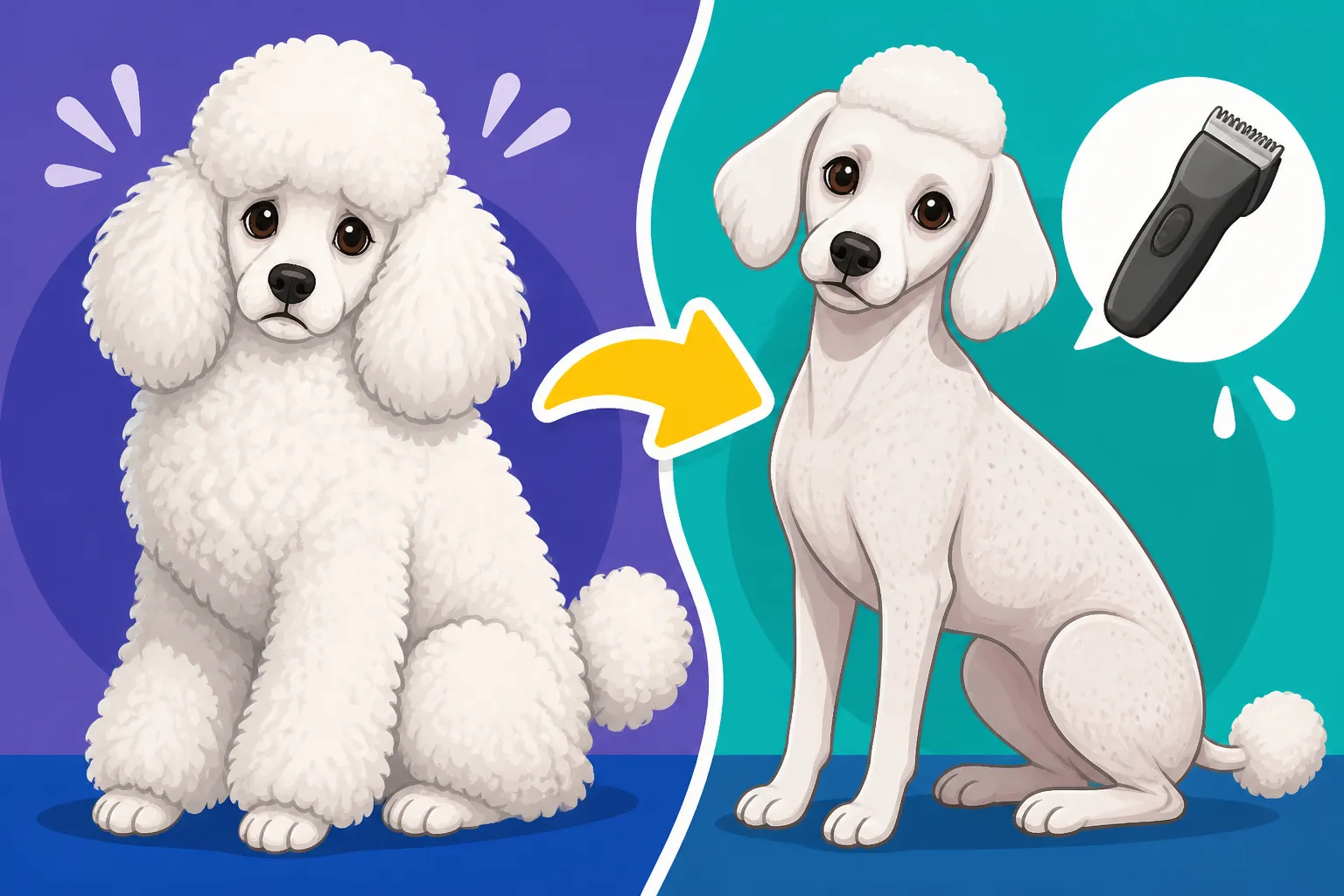
As Poodle owners, we love their fluffy, elegant appearance. However, when the coat becomes severely matted, preserving that look must take a backseat to your dog's comfort and health. Attempting to demat a severely matted Poodle is akin to torture. It involves hours of painful tugging, pulling, and potentially tearing the skin. The stress and pain can be traumatizing for your Poodle, making future grooming experiences terrifying. A full shave down, while drastic in appearance, provides instant relief. It frees them from the constant pain and tension, allowing their skin to breathe and heal. It might feel like you're sacrificing their beautiful coat, but you're actually giving them back their comfort and dignity.
Professional Groomer's Perspective: Why Groomers Recommend Shaving
Professional groomers are trained to assess the condition of a Poodle's coat. When faced with severe matting, most reputable groomers will recommend a full shave down. They understand the risks of attempting to demat a heavily matted dog—not only the pain it causes the animal but also the potential for skin damage, clipper burns, and the immense stress it places on both the dog and the groomer. Groomers are not trying to be unkind or lazy by suggesting a shave; they are making a professional, ethical decision based on their experience and concern for your Poodle's welfare. Why Groomers Refuse Severely Matted Poodles further clarifies their reasoning. They'll explain the process, show you the condition of the mats, and work with you to understand the necessity of the shave. They prioritize the animal's comfort above all else.
The Shave Down Process
Once the decision for a full shave down has been made, it's important to understand what to expect. This isn't just a quick trim; it's a careful and sometimes lengthy process that requires skill and patience, both from the groomer and from your Poodle. The immediate aftermath and the subsequent grow-out period also require specific attention.
Tools and Techniques for a Safe Shave
A professional groomer will use specialized clippers with a short blade (often a #10 or even a #30 or #40 blade, which cuts very close to the skin) to get underneath the mats. This requires extreme caution and a steady hand, as the skin beneath a matted coat can be thin, irritated, and easily nicked. The groomer must carefully navigate the clippers between the solid mat and the delicate skin, often starting at an edge and working slowly. They'll also use cooling sprays for the clipper blades to prevent "clipper burn," which can occur when hot blades irritate the sensitive skin. The process can take several hours, especially if the matting is extensive and dense, and often requires breaks for the Poodle to rest and calm down. It's a precise and demanding task that truly highlights the groomer's expertise.
Immediate Aftermath: Skin Care and Emotional Adjustment for Your Poodle
After a shave down, your Poodle might look quite different, and their skin will be exposed to the elements in a way it hasn't been before. Their skin might appear red or irritated, especially if there were existing hot spots or severe pulling from the mats. It's crucial to follow any aftercare instructions from your groomer or vet, which might include medicated baths or topical treatments for skin irritation. Your Poodle might also feel a bit "naked" or exposed. Some dogs act a little subdued or embarrassed, while others are immediately relieved by the absence of pain. Keep them warm with a sweater or blanket, especially in cooler weather, as they've lost their insulating layer. Protect their exposed skin from sunburn if they're going to be outdoors. What a Shave Down Does to a Poodle elaborates on the immediate impact.
The Grow-Out Journey: Regrowth and Preventing Future Matting
The good news is that your Poodle's coat will grow back! It takes time, of course. Depending on the length of blade used and your Poodle's individual growth rate, it could take several weeks to months for a noticeable amount of hair to return. This grow-out period is your fresh start. It's the perfect opportunity to establish a consistent grooming routine and prevent future shave downs. Pay close attention to brushing techniques, making sure you're brushing down to the skin, not just over the top of the coat. How Long Until a Shaved Poodle Looks Right provides more realistic timelines for regrowth. Use this time to bond with your Poodle over gentle grooming sessions, making it a positive experience from the start.
Preventing Future Shave Downs
While a shave down is sometimes necessary, the ultimate goal for any Poodle parent is to avoid it. Prevention is truly key when it comes to managing their unique coat. Establishing a consistent and effective grooming routine from puppyhood, or immediately after a shave down, is the best way to ensure your Poodle lives a comfortable, mat-free life.
The Daily Grooming Routine: Brushing Techniques and Frequency
The cornerstone of a mat-free Poodle coat is daily brushing. Yes, daily. This isn't just a quick run-through; it needs to be thorough, reaching all the way to the skin. The most effective method is "line brushing," where you part the hair and brush in small sections, ensuring your brush and comb reach the roots. This technique helps to detangle any forming knots and removes loose hair before it can contribute to matting. Line Brushing a Poodle Explained breaks down this technique step-by-step. For tools, you'll need a good quality slicker brush and a metal greyhound comb. You can find excellent options on Amazon or Chewy. Focus on those tricky areas like behind the ears, under the legs, the belly, and the tail. The time you invest daily will save you and your Poodle a lot of pain and expense in the long run.
Regular Professional Grooming: The Importance of a Consistent Schedule
Even with diligent home care, most Poodles benefit immensely from regular professional grooming. A professional groomer has the tools, expertise, and experience to maintain the coat in optimal condition, addressing areas you might miss and giving your Poodle a proper bath and blow-dry. Depending on your Poodle's coat type, activity level, and desired clip length, a professional groom every 4 to 8 weeks is generally recommended. A shorter clip might allow for longer intervals between grooms, but a longer, fluffier style demands more frequent visits. How Often a Poodle Must Be Brushed emphasizes that even short clips require maintenance. Discuss with your groomer what schedule works best for your Poodle and your lifestyle, ensuring they stay on top of any developing mats before they become problematic.
Products and Tools for Poodle Coat Health
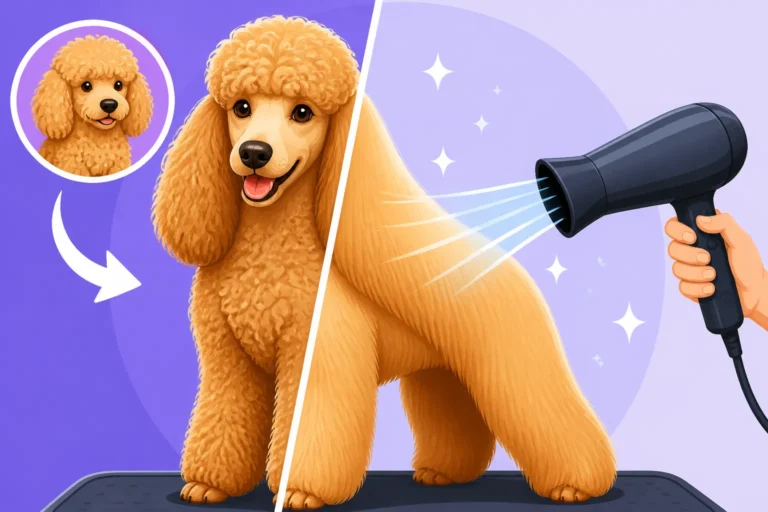
Investing in the right grooming products and tools is essential. A high-quality slicker brush and a sturdy metal comb are non-negotiable. Look for a brush with long pins that can penetrate the dense curls without scratching the skin. A good detangling spray can make brushing much easier, especially for those stubborn tangles, and a leave-in conditioner after bathing can help keep the hair soft and more manageable. When it comes to bathing, use a gentle, moisturizing shampoo and conditioner specifically formulated for dogs. Rinsing thoroughly is vital to prevent residue build-up, which can also contribute to matting. A high-velocity dryer, while an investment, can significantly speed up drying time and help straighten the coat, making brushing and clipping easier. You can explore a wide range of these products from trusted retailers like Chewy or Amazon. For dietary support, some owners find that a high-quality diet, potentially even fresh food options like those offered by Ollie, contributes to a healthier, more resilient coat, making it less prone to dryness and breakage. Brushes and Combs a Poodle Owner Needs provides an in-depth look at essential grooming tools.
Disclaimer
This article is for general informational purposes only and does not constitute professional advice. Laws, prices and regulations vary by location and change over time. Consult a qualified professional for guidance on your specific situation.