The Poodle’s Place in Dog Intelligence
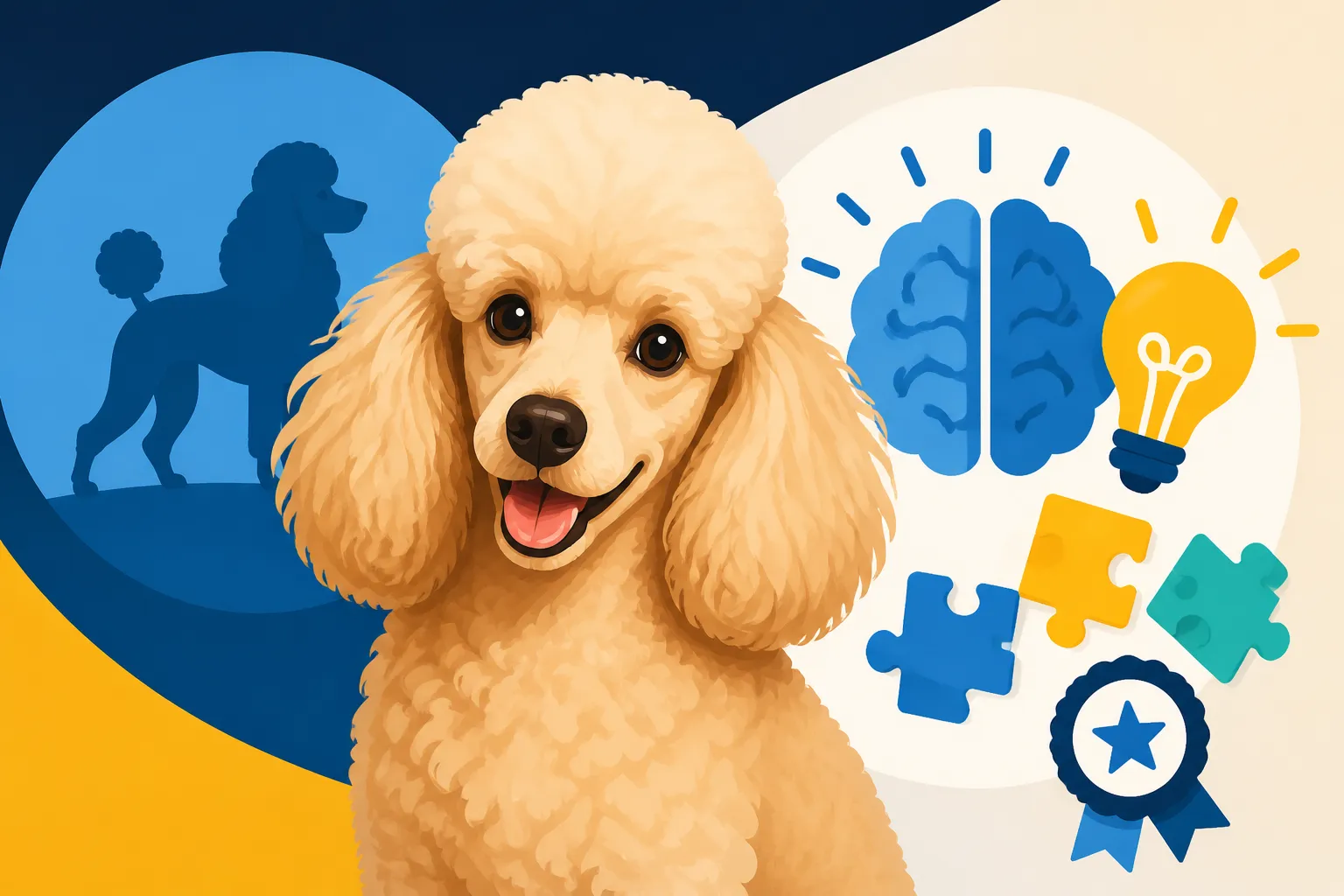
So many people see Poodles and immediately picture a fancy show dog, meticulously coiffed and perhaps a little aloof. They might even think they’re all fluff and no substance, or that their beauty comes at the expense of true canine capability. This common misconception does a huge disservice to one of the most intelligent and capable breeds out there. This guide is here to peel back the layers of that curly coat and reveal the truly brilliant minds that Poodles possess, exploring what makes them so smart and how that intelligence impacts their lives and yours.
Understanding Dog Intelligence: More Than Just "Smart"
When we talk about dog intelligence, it's not quite the same as human intelligence. We're not talking about algebra or philosophy (though sometimes it feels like they’re judging our life choices!). Instead, canine intelligence is generally broken down into a few key areas that help us understand how dogs learn, adapt, and interact with their world and with us.
Instinctive Intelligence: Built-in Brainpower
This is the intelligence dogs are born with, the innate abilities that are hardwired into their breed for specific tasks. For instance, a Border Collie's instinctive intelligence pushes it to herd, or a retriever's instinct to fetch. These aren't learned behaviors; they're primal drives that have been refined over generations through selective breeding.
For Poodles, their instinctive intelligence harks back to their origins as water retrievers. They were bred to plunge into icy European waters to fetch shot waterfowl. This meant they needed strong retrieving instincts, an excellent nose for finding birds in dense cover, and the stamina and resilience to work in challenging conditions. So, when your Poodle loves to carry things around the house or shows an uncanny ability to find that dropped treat under the sofa, you're seeing a remnant of that ancient, instinctive intelligence. It’s part of what made them indispensable to hunters centuries ago, and why they’re still so adept at many dog sports today.
Adaptive Intelligence: Learning From Experience
Adaptive intelligence is all about a dog's ability to learn from their environment and solve problems independently. Think of it as street smarts or common sense. This is how a dog figures out how to open a childproof gate (to your endless frustration!), or how to manipulate you into giving them an extra treat. It's about trial and error, observation, and applying past experiences to new situations.
Poodles tend to excel in this area. They are often quick to assess a situation and come up with their own solutions, which can be both a blessing and a curse. If you have a Poodle, you’ve probably noticed them figuring out complex puzzle toys faster than you anticipated, or finding a way around an obstacle you thought was foolproof. This kind of intelligence is what makes them so adaptable to different living situations and why they can often pick up on subtle cues from their humans, anticipating what you want before you even ask for it. It's also why they can be masters of selective hearing when it suits them!
Working and Obedience Intelligence: The Trainable Mind
This is the type of intelligence most people refer to when they say a dog is "smart." It's a dog's ability to learn from humans and respond reliably to commands. This is where formal training comes into play – sitting, staying, coming when called, and performing more complex tasks. A dog with high working and obedience intelligence picks up new commands quickly and remembers them for a long time, even with infrequent practice.
This is where Poodles truly shine. They are renowned for their eagerness to please and their ability to grasp new concepts with astonishing speed. It's not uncommon for a Poodle to understand a new command after just a handful of repetitions. This makes them incredibly rewarding to train, whether you're working on basic manners, advanced obedience, or competitive dog sports. Their high working and obedience intelligence is a major reason why they have consistently ranked among the top breeds in intelligence studies, and why they are such versatile partners in a wide array of activities.
The Poodle's Historical Role: Brains Over Beauty
To truly appreciate the Poodle's intelligence, you have to look beyond the fancy clips and into their hardworking past. Long before they graced the show rings and palaces of Europe, Poodles were rugged, athletic working dogs with an important job to do. Their original purpose demanded not just physical prowess but keen intelligence and a deep connection with their human partners.
From Duck Hunter to Aristocrat's Companion
The Poodle's name itself offers a clue to its origins. "Pudel" in German means "to splash in the water," a direct reference to their role as skilled water retrievers. These dogs were instrumental for waterfowl hunters, venturing into lakes and rivers to bring back downed birds. This wasn't a job for just any dog; it required intelligence, focus, and an incredible memory to mark where birds fell and navigate complex terrains, often under adverse weather conditions. Their dense, curly coat, which we now admire for its hypoallergenic qualities, was originally a practical necessity, providing insulation against cold water and protection from thorny undergrowth. The traditional "Continental clip" with its elaborate pom-poms? That started as a practical way to protect vital organs and joints in freezing water, while shaving down other areas to reduce drag.
As their exceptional trainability became apparent, Poodles began to transition from working companions to performers and companions for nobility. Their sharp minds and willingness to learn made them stars in circuses across Europe, where they performed complex tricks and routines. This era further honed their adaptive and working intelligence, as they learned to interpret subtle cues and execute intricate sequences. It was this history of working closely with humans, first in the field and then on stage, that forged the intelligent, biddable, and deeply connected Poodle we know today.
Why a Working Dog Needs to Be Smart
A working dog, especially one involved in retrieval or performance, needs a brain that can keep up with complex tasks and unexpected variables. For a Poodle retrieving ducks, they needed to remember multiple fall points, ignore distractions, and distinguish between live and dead birds. This isn't simple rote memorization; it requires problem-solving skills and the ability to make decisions independently when out of direct sight of their handler.
In the circus ring, Poodles had to learn intricate routines, understand timing, and adapt to different environments and audiences. This demanded not only rapid learning but also a high degree of emotional intelligence and resilience. The Poodle's ability to quickly grasp and retain information, combined with their desire to work cooperatively, made them ideal for these demanding roles. This deep-seated intelligence is why Poodles, even modern-day pets, often exhibit a strong desire for mental engagement and thrive when given a "job" to do, whether it's learning new tricks, participating in dog sports, or simply being an attentive companion. This rich history underscores that the Poodle's intelligence is not an accidental byproduct but a fundamental trait, bred into them over centuries of purposeful selection.
The Poodle in Coren's Rankings: The Second Smartest Dog
When we talk about dog intelligence, especially in popular culture, the name Stanley Coren often comes up. His work, particularly his book "The Intelligence of Dogs," has shaped how many people perceive and discuss canine cognitive abilities. And right there, near the very top of his list, sits the Poodle.
Coren's Methodology: What Was Measured?
Stanley Coren, a professor of psychology at the University of British Columbia, conducted extensive research into dog intelligence. His rankings are primarily based on what he termed "Working and Obedience Intelligence." To compile his list, Coren surveyed hundreds of dog obedience judges across North America. These judges were asked to rank breeds based on two key metrics:
- The number of repetitions required for a dog to understand a new command: How quickly did the average dog of a specific breed learn something new?
- The success rate of obeying a known command on the first attempt: How reliably did the average dog of that breed follow a command they already knew?
The breeds that required fewer repetitions to learn a new command and obeyed a known command on the first attempt more often were ranked higher. This methodology focused specifically on a dog's ability to learn from humans and perform tasks reliably, which is a practical and observable measure of "trainability." It’s a pragmatic approach that reflects how most owners interact with and evaluate their dogs' smarts. You can delve more into this in What Coren Measured to Rank the Poodle.
The Poodle's Silver Medal: Why It Matters
The Poodle consistently ranks as the second most intelligent dog breed in Coren's work, only narrowly surpassed by the Border Collie. This "silver medal" isn't just an interesting trivia fact; it speaks volumes about the Poodle's inherent capabilities. It means that, on average, a Poodle can learn a new command in fewer than five repetitions and will obey a known command on the first try 95% of the time or better. Think about that for a moment – learning a new concept in just a handful of tries! That's an astonishing rate of learning for any species, let alone a dog.
This high ranking has significant implications for Poodle owners. It means you have a dog with an incredibly receptive mind, one that is eager to engage and quick to understand. It implies that Poodles are generally very easy to train for basic obedience, making them wonderful companions for those new to dog ownership, provided their owners are ready to provide consistent mental stimulation. However, this level of intelligence also comes with its own set of responsibilities. A Poodle's brain isn't content to simply sit idle; it thrives on challenge and engagement. If a Poodle isn't given appropriate outlets for their keen mind, that intelligence can manifest in less desirable ways, like inventing their own games or finding creative ways to get into mischief. This is why understanding Why Poodles Learn a Cue in Five Repetitions is so crucial.
Why Poodles Learn So Fast: The Mechanics of Their Minds
When you witness a Poodle quickly grasp a new trick or navigate a complex agility course with ease, it’s natural to wonder what exactly is going on inside that curly head that makes them so adept. Their rapid learning isn't just about repetition; it's a combination of inherent traits and cognitive strengths.
High Cognitive Function and Problem-Solving Skills
Poodles possess exceptional cognitive function, which refers to their ability to process information, think, reason, and remember. This isn't just about being able to recall a "sit" command; it extends to understanding sequences, recognizing patterns, and forming associations. They are remarkably good at inferential reasoning – that is, drawing conclusions based on incomplete information. For instance, if you consistently reach for your keys and then head for the door, your Poodle will quickly associate the keys with you leaving, even if you don't say a word.
Their problem-solving skills are also highly developed. Give a Poodle a puzzle toy, and they won't just bat at it aimlessly; they'll often systematically try different approaches until they figure out how to release the treats. This isn't a fluke; it's a demonstration of their capacity for strategic thinking. This quick processing speed and ability to connect cause and effect is a cornerstone of their rapid learning. They don't just memorize; they understand.
Eagerness to Please and Strong Human Bonds
While cognitive ability is crucial, a Poodle's motivation to learn is equally important. Poodles are known for their strong desire to please their owners and form deep, almost symbiotic bonds. This eagerness to please makes them incredibly biddable and responsive to training. They genuinely seem to enjoy the process of learning new things with their human companions, viewing it as a shared activity that strengthens their bond.
This strong human connection means Poodles are highly attentive to their owners' body language, tone of voice, and even subtle shifts in emotion. They are adept at reading people, which further enhances their ability to understand what is being asked of them. Why Poodles Read People So Well is a testament to this deep connection. This sensitivity, combined with their intelligence, allows them to anticipate cues and respond with remarkable precision. When you're training a Poodle, it often feels less like teaching a dog and more like collaborating with a highly engaged partner. They thrive on positive reinforcement and genuine interaction, making training a joyful experience for both dog and human.
Memory and Retention
What good is learning quickly if you forget just as fast? Fortunately, Poodles also boast impressive memory and retention capabilities. Once they've learned a command or a routine, it tends to stick. You might train a complex trick, take a break from it for weeks or even months, and then find that your Poodle picks it right back up with minimal refreshing.
This long-term memory is incredibly beneficial, especially for dogs involved in specialized tasks like service work, therapy, or competitive dog sports where complex sequences and a vast vocabulary of cues are required. It means that the effort you put into training is a lasting investment. Their ability to retain information reduces the need for constant reteaching and allows for continuous progression in their learning journey. This combination of quick comprehension, eagerness to please, and strong memory creates a truly exceptional student in the Poodle.
The Downside of Poodle Intelligence: Boredom and Mischief
While a Poodle's high intelligence is undeniably one of their most charming traits, it's also a double-edged sword. A brilliant mind, when not adequately challenged and stimulated, can quickly turn to boredom. And a bored Poodle is a Poodle that will find ways to entertain themselves, often to your detriment.
The Cleverness That Leads to Troubles
That same cleverness that allows a Poodle to master complex tricks can also be deployed to outsmart you in everyday life. A Poodle isn't just going to lie around all day waiting for you to get home; their minds are constantly whirring. If they don't have productive outlets for their mental energy, they will create their own "jobs." This might manifest as:
- Destructive Chewing: Gnawing on furniture, shoes, or anything they can get their paws on, not out of malice, but out of a need for sensory and mental engagement.
- Counter Surfing: Those long legs and keen problem-solving skills make many Poodles adept at "acquiring" snacks left on countertops. They'll quickly figure out how to push a chair over or simply stretch to reach a tempting treat.
- Escape Artistry: Gates, crates, and even securely latched doors might not be a match for a determined and intelligent Poodle who has decided they'd rather be somewhere else. They observe, they test, they learn.
It’s easy to get frustrated when your Poodle has once again raided the pantry or managed to open the backyard gate. But it’s crucial to remember that this isn't defiance; it's often a direct consequence of an understimulated brain. They’re simply trying to entertain themselves, and your carefully constructed barriers are just another puzzle to solve. This is a common pain point for Poodle owners and why we often discuss Why a Bright Poodle Gets Bored.
Anxiety and Unwanted Behaviors from Lack of Mental Engagement
Beyond mere mischief, a lack of consistent mental stimulation can lead to more serious behavioral issues in Poodles. Their sensitive and intelligent nature means they are particularly susceptible to anxiety and stress when their needs aren't met.
- Excessive Barking: A bored Poodle might bark incessantly at anything and everything, or even at nothing at all, as a way to release pent-up energy and call for attention.
- Attention-Seeking Behaviors: This can range from constant nudging and whining to nipping or jumping, all in an attempt to get you to interact with them, even if it's negative attention.
- Development of Repetitive Behaviors: Some Poodles might start pacing, tail-chasing, or excessive licking when chronically bored or stressed, similar to how humans might fidget or develop habits under pressure.
- Frustration and "Shut Down": In extreme cases, a Poodle that is consistently under-challenged might become withdrawn, lethargic, or even "shut down" in training, simply because they've lost their zest for engagement. This can be heartbreaking to witness in such a vibrant breed.
It's vital for Poodle owners to understand that investing in their dog's mental health is just as important as meeting their physical needs. A daily walk isn't enough for a Poodle; their brains need a workout too. Neglecting this aspect of their care can inadvertently create a whole host of behavioral problems that could have been avoided with consistent enrichment and training. Understanding Training a Poodle That Outthinks You can help you stay a step ahead.
Keeping a Poodle's Brain Busy: Enrichment and Training
Given their incredible intelligence, it's no surprise that Poodles thrive when their minds are actively engaged. Providing consistent mental stimulation isn't just about preventing mischief; it's about fostering a happy, well-adjusted, and fulfilled companion. Think of it as intellectual exercise for your dog!
Structured Training and Advanced Obedience
Basic obedience is a great start, but a Poodle's mind needs more. Continuing with advanced obedience classes or even trick training can be incredibly rewarding for both of you. They love the challenge of learning new cues and performing complex sequences. Consider working towards titles in canine good citizen programs, or even exploring competitive obedience or rally obedience.
Structured training sessions, even short ones of 10-15 minutes a few times a day, can make a huge difference. Poodles enjoy the routine and the opportunity to use their brains. Introduce new concepts regularly – maybe a new trick each month, or refining an existing skill. They respond wonderfully to positive reinforcement, so have plenty of tasty, high-value treats (Chewy has a great selection!) and enthusiastic praise ready. This continuous learning not only keeps their minds sharp but also strengthens your bond and communication. It's truly a joy to see a Poodle's eyes light up when they understand what you're asking and execute it perfectly.
Puzzle Toys and Interactive Games
Beyond formal training, incorporate daily mental enrichment activities. Puzzle toys are a Poodle's best friend. These toys require your dog to manipulate parts, push levers, or solve a small riddle to get a treat. Start with simpler ones and gradually introduce more challenging puzzles as your Poodle masters them. Brands like Nina Ottosson and Kong offer a wide range of options that cater to different levels of difficulty.
Interactive games are also fantastic. Scent work, for example, taps into their natural instincts and uses their incredible sense of smell. Hide treats or their favorite toys around the house or yard and encourage them to "find it." Snuffle mats, where treats are hidden within fabric strips, are another excellent way to engage their noses and provide mental satisfaction. Fetch and retrieve games, especially those that involve a bit of hide-and-seek, also provide physical and mental engagement. Remember, a Poodle often needs a job rather than just a walk, and these games provide just that. You can find many enriching toys and long-lasting chews on Chewy to keep your Poodle engaged.
Exploring Dog Sports and Activities
Poodles excel in a vast array of dog sports, and engaging in these activities can be one of the most fulfilling ways to channel their intelligence and energy.
- Agility: With their athleticism and quick thinking, Poodles often shine in agility courses, navigating tunnels, jumps, and weave poles with grace and speed.
- Dock Diving: Given their water-retrieving heritage, many Poodles naturally love to swim and dive, making dock diving a perfect fit.
- Rally and Obedience Trials: For those who love precision and teamwork, these sports allow Poodles to demonstrate their exceptional trainability.
- Tracking and Scent Work: Their keen noses make them naturals for tracking lost articles or people, or excelling in competitive scent detection.
- Therapy and Service Work: Their intelligence, empathy, and calm demeanor (when properly stimulated) make many Poodles ideal candidates for therapy dog roles or even as service animals. Poodles in Guide and Service Work further details their capabilities in these critical roles.
These activities provide not only physical exercise but intense mental stimulation, challenge, and a strong sense of purpose. Finding a sport that you both enjoy can transform your relationship and help your Poodle reach their full potential, ensuring their brilliant mind is always working productively. This is key to Keeping a Poodle Mind Occupied.
Poodle Intelligence Across the Sizes: Is There a Difference?
It's a common question among Poodle enthusiasts and prospective owners: are Standard Poodles smarter than Toy Poodles, or Miniature Poodles somewhere in between? The perception often exists that larger dogs are inherently more capable or intelligent. Let's dig into this.
The Unified Poodle Brain: One Breed, Three Sizes
Genetically and inherently, all three sizes of Poodle—Standard, Miniature, and Toy—are the same breed. They share the same genetic blueprint, the same ancestral history as water retrievers, and therefore, the same core intelligence. The differences in size came about through selective breeding to create companions suitable for different lifestyles and environments, not to alter their fundamental cognitive abilities.
So, when Coren ranks the Poodle as the second smartest dog breed, that ranking applies to the breed as a whole, regardless of size. A Toy Poodle is just as capable of learning quickly, problem-solving, and forming deep bonds as a Standard Poodle. Any perceived differences in intelligence often come down to individual personality, early socialization, training consistency, and the types of "jobs" or mental stimulation they are given. A tiny Toy Poodle, for example, might not be physically suited for the same demanding agility course as a Standard, but they can excel in rally obedience, trick training, or complex puzzle solving with equal prowess. This is explored further in Whether Toy Poodles Are as Smart as Standards.
How Size Might Influence Perceived Intelligence (But Not Actual Brainpower)
While the inherent intelligence is consistent, the manifestation of that intelligence and how we perceive it can sometimes be influenced by size:
- Training Expectations: Owners might inadvertently set different expectations. A large Standard Poodle is often expected to be a serious working dog, leading to more extensive training. A tiny Toy Poodle, however, might be babied more and not pushed to learn as much, simply because their small size makes their antics seem less impactful. This can create a superficial impression that the smaller dog is "less smart" when in reality, they just haven't been challenged.
- Environmental Opportunities: A Standard Poodle might have more opportunities for challenging physical and mental activities like hiking, running alongside a bike, or advanced field work simply due to their size and stamina. Toy Poodles, while still needing exercise, might have different outlets, perhaps excelling in indoor agility or more intricate nose work games within a smaller space. These different opportunities shape how their intelligence is utilized and displayed.
- Behavioral Impact: A bored Standard Poodle can cause significant damage or disruption due to their size and strength. A bored Toy Poodle's mischief might be smaller scale (e.g., chewing on a sock instead of a sofa leg). This can lead owners to address behavioral issues more rigorously in larger Poodles, inadvertently providing more training and mental engagement in the process.
Ultimately, whether you choose a Standard, Miniature, or Toy Poodle, you are getting a dog with a brilliant mind ready to learn and engage. The key is to recognize their inherent intelligence and provide appropriate mental stimulation and training, tailored to their individual personality and physical capabilities, regardless of their size.
Beyond Obedience: Poodles in Complex Roles
The Poodle's intelligence, combined with their eager-to-please nature and impressive athleticism, extends far beyond basic obedience commands. They are incredibly versatile dogs, excelling in a multitude of complex roles that demand critical thinking, consistent performance, and a deep partnership with humans.
Service, Therapy, and Detection Work
The Poodle's unique blend of traits makes them exceptional candidates for service and therapy work. Their intelligence allows them to learn and execute a wide array of specialized tasks, from guiding the visually impaired to alerting individuals with medical conditions. Their relatively low-shedding coats are also a significant advantage in public access settings, reducing allergen concerns.
- Service Dogs: Poodles can be trained to assist individuals with mobility impairments, hearing loss, or psychiatric conditions. They learn complex chains of commands, remember specific items to retrieve, and can remain focused in distracting environments. Their empathy and ability to read human emotions also make them particularly attuned to their handler's needs.
- Therapy Dogs: Many Poodles possess a natural calmness and gentle demeanor, making them wonderful therapy dogs. They visit hospitals, nursing homes, and schools, providing comfort and emotional support. Their intelligence helps them understand the nuances of these interactions and adapt their behavior to different individuals.
- Detection Dogs: Poodles' keen sense of smell and their focused work ethic allow them to excel in detection roles. They can be trained to sniff out specific substances, from accelerants in arson investigations to certain medical conditions in humans. Their ability to concentrate for extended periods makes them highly effective partners in these critical fields.
These roles require not just rote memorization, but true problem-solving and adaptive intelligence. A service dog might need to figure out how to retrieve a dropped item that has rolled under furniture, or a therapy dog might intuitively know to be extra gentle with a fragile patient. These aren't simple tasks; they demand a sophisticated level of understanding and judgment.
Canine Sports and Performance Arts
The Poodle's historical background in performance, coupled with their intelligence and athletic build, makes them superstars in various canine sports. These activities provide an invaluable outlet for their mental and physical energy, showcasing their diverse talents.
- Agility: Poodles are natural agility dogs. Their springy gait, quick turns, and ability to follow complex sequences of obstacles are truly impressive. They love the challenge of navigating tunnels, weave poles, and jumps, often displaying a joyful exuberance.
- Dock Diving: Their water heritage comes alive in dock diving. Many Poodles will leap into the water with gusto, chasing a toy thrown far out, demonstrating their powerful swimming ability and retrieve drive.
- Obedience and Rally: Poodles consistently rank high in competitive obedience and rally events, demonstrating their precision, responsiveness, and willing partnership. They enjoy the challenge of executing complex commands with grace and accuracy.
- Hunt Tests and Field Work: Even though most Poodles are now companion animals, some still compete in hunt tests, proving their ancestral retrieving skills in simulated field environments. This taps into their instinctive intelligence, showing their versatility.
- Freestyle (Canine Musical Dance): This sport combines obedience, tricks, and dance moves set to music. Poodles, with their love for performance and quick learning, are often star performers, creating intricate and entertaining routines with their handlers.
These performance arts require a deep understanding between dog and handler, continuous learning, and the ability to perform under pressure. They are a testament to the Poodle's all-around intelligence, demonstrating their capacity for both precise execution and creative expression. Dog Sports a Poodle Excels At provides more insight into these activities.
The Poodle Character: How Intelligence Shapes Personality
A dog's intelligence isn't just about how quickly they learn; it profoundly influences their entire personality and their interactions with the world. For Poodles, their sharp minds contribute to many of the defining characteristics that owners love, and sometimes find challenging.
Highly Observant and Intuitive
Poodles are incredibly observant dogs. They take in their surroundings with a keen eye, noticing details that other breeds might miss. This isn't just about watching you for cues; it's about understanding the environment and the dynamics within it. They often seem to know what's going on, even when you haven't explicitly communicated it.
This observational intelligence makes them highly intuitive. They can pick up on subtle changes in your mood, anticipating your needs or reactions. If you're feeling down, your Poodle might offer comfort without being asked. If you're stressed, they might become quiet and watchful. This deep intuition, coupled with their problem-solving skills, can sometimes make them seem almost telepathic. This intuitive nature is also why Why Poodles Read People So Well is a topic often discussed by owners. They are truly partners who understand more than just words.
Sensitivity and Emotional Depth
Their intelligence also contributes to their renowned sensitivity and emotional depth. Poodles are not merely responsive; they are deeply feeling creatures who can be highly affected by their environment and the emotions of their humans. They thrive on positive reinforcement, gentle handling, and consistent routines. Harsh training methods or a chaotic household can be particularly detrimental to a Poodle's sensitive psyche, often leading to anxiety, withdrawal, or even defensive behaviors.
Because they are so smart, they can internalize experiences more deeply. A negative interaction might stick with a Poodle longer than with a less sensitive breed, making early positive socialization and gentle training techniques absolutely paramount. This emotional intelligence is a beautiful aspect of the breed, allowing for incredibly deep and meaningful bonds, but it also means owners must be mindful of their Poodle's emotional well-being.
The Need for Connection and Social Interaction
Intelligent breeds often require significant social interaction, and Poodles are no exception. Their smarts make them crave mental engagement with their humans. They don't just want to coexist; they want to participate in your life. This is why Poodles are often described as "Velcro dogs" – they love to be near you, involved in whatever you're doing.
A Poodle left alone for extended periods without sufficient mental and physical enrichment can quickly become lonely, bored, and anxious. Their active minds need the stimulation of interaction, games, and training sessions with their family. This need for connection is directly tied to their intelligence; they understand the value of companionship and thrive on the partnership they form with their owners. Neglecting this social and mental need can lead to unhappiness and behavioral issues, underscoring that their intelligence demands a commitment to a rich and interactive life. This is also why many owners find that a Poodle needs a job, not just a walk.
Life with an Intelligent Poodle: Practical Considerations
Bringing an intelligent Poodle into your life is a wonderfully rewarding experience, but it also comes with practical considerations. Their keen minds require more than just food and shelter; they need purposeful engagement and a thoughtful approach to daily living.
Training Consistency and Early Socialization
With a Poodle, consistency in training is paramount. Because they learn so quickly, they can also learn undesirable behaviors quickly if you're not careful or consistent. For example, if you sometimes allow jumping up for attention and sometimes correct it, your Poodle will quickly learn that "sometimes jumping works!" and persist. A clear, consistent set of rules and expectations will help your Poodle understand what is expected of them and minimize confusion.
Early and thorough socialization is equally crucial. A Poodle's observant and sometimes sensitive nature means they benefit immensely from exposure to a wide variety of sights, sounds, people, and other well-mannered dogs from a young age. This helps them develop into well-adjusted, confident adults rather than becoming wary or fearful. Puppy classes are an excellent way to combine socialization with early training. Even if you've done your homework and found a reputable breeder who prioritizes early experiences for their puppies, it's still your responsibility to continue this vital work.
Mental Stimulation as a Daily Necessity
For a Poodle, mental stimulation isn't a luxury; it's a daily necessity. Think of it like this: your Poodle's brain is always running. If you don't give it something productive to work on, it will find its own projects, and those projects might not align with your preferences. This means incorporating mental games, puzzle toys, and short training sessions into their daily routine.
This could be as simple as scattering their kibble in the grass for them to "hunt" or using a slow feeder or puzzle bowl from Chewy for meals instead of just putting it in a plain dish. Rotate their toys to keep them novel and exciting. Enroll in a dog sport, a trick class, or even just commit to teaching a new trick every month. Remember, a tired Poodle isn't just physically tired; their brain needs to be tired too. A walk around the block might satisfy their physical needs, but it often won't be enough for their mental well-being. You might find great enrichment ideas on Chewy, from interactive feeders to sturdy chew toys designed to engage their minds.
Choosing the Right Environment and Lifestyle
Finally, an intelligent Poodle thrives in an environment that values and supports their mental capabilities. This isn't about having a huge house or yard; it's about providing an engaging and consistent lifestyle.
- Active Households: Poodles do best in households where people are present and willing to interact with them throughout the day. They are not dogs that can be left alone for 9+ hours daily without significant behavioral consequences.
- Engaged Owners: Owners who enjoy training, problem-solving, and participating in activities with their dogs will find a Poodle to be an exceptionally rewarding companion. If you're looking for a dog that's content to be a couch potato without much interaction, a Poodle might not be the best fit.
- Consistent Structure: Poodles benefit from a predictable routine and clear boundaries. Their intelligence allows them to understand structure, and they often feel more secure when they know what to expect.
An intelligent Poodle is a wonderful companion for the right owner – one who appreciates their brilliance, commits to nurturing their mind, and provides them with a life full of learning, interaction, and purpose. In return, you'll receive loyalty, affection, and endless entertainment from a truly exceptional canine partner.
Table: Poodle Intelligence in Action
To give you a clearer picture of how a Poodle's various intelligences manifest in everyday life and how they compare, here's a quick table:
| Type of Intelligence | Description | Poodle Manifestation | Common Challenge for Owners |
|---|---|---|---|
| Instinctive Intelligence | Innate, hardwired abilities specific to the breed's historical purpose. | Strong retrieving drive, keen nose for finding objects, natural athleticism, love for water. | Can lead to unwanted "retrievals" of household items or digging. |
| Adaptive Intelligence | Ability to learn from experience, solve problems, and adjust to situations. | Figures out puzzle toys quickly, opens gates, manipulates owners for attention/treats, adapts well to new environments. | Can lead to cunning mischief if bored; constantly seeking new challenges. |
| Working & Obedience Intelligence | Ability to learn from humans, understand commands, and perform tasks reliably. | Learns new commands in 1-5 repetitions, high success rate in obeying known commands, excels in formal training and dog sports. | Requires consistent training to prevent learning undesirable behaviors just as quickly. |
| Emotional Intelligence | Ability to perceive and respond to emotions in others. | Highly sensitive to owner's mood, offers comfort, forms deep bonds, reads subtle human cues, can be empathetic. | Can be sensitive to harsh correction; prone to separation anxiety or stress if neglected. |
Disclaimer
This article is for general informational purposes only and does not constitute professional advice. Laws, prices and regulations vary by location and change over time. Consult a qualified professional for guidance on your specific situation.