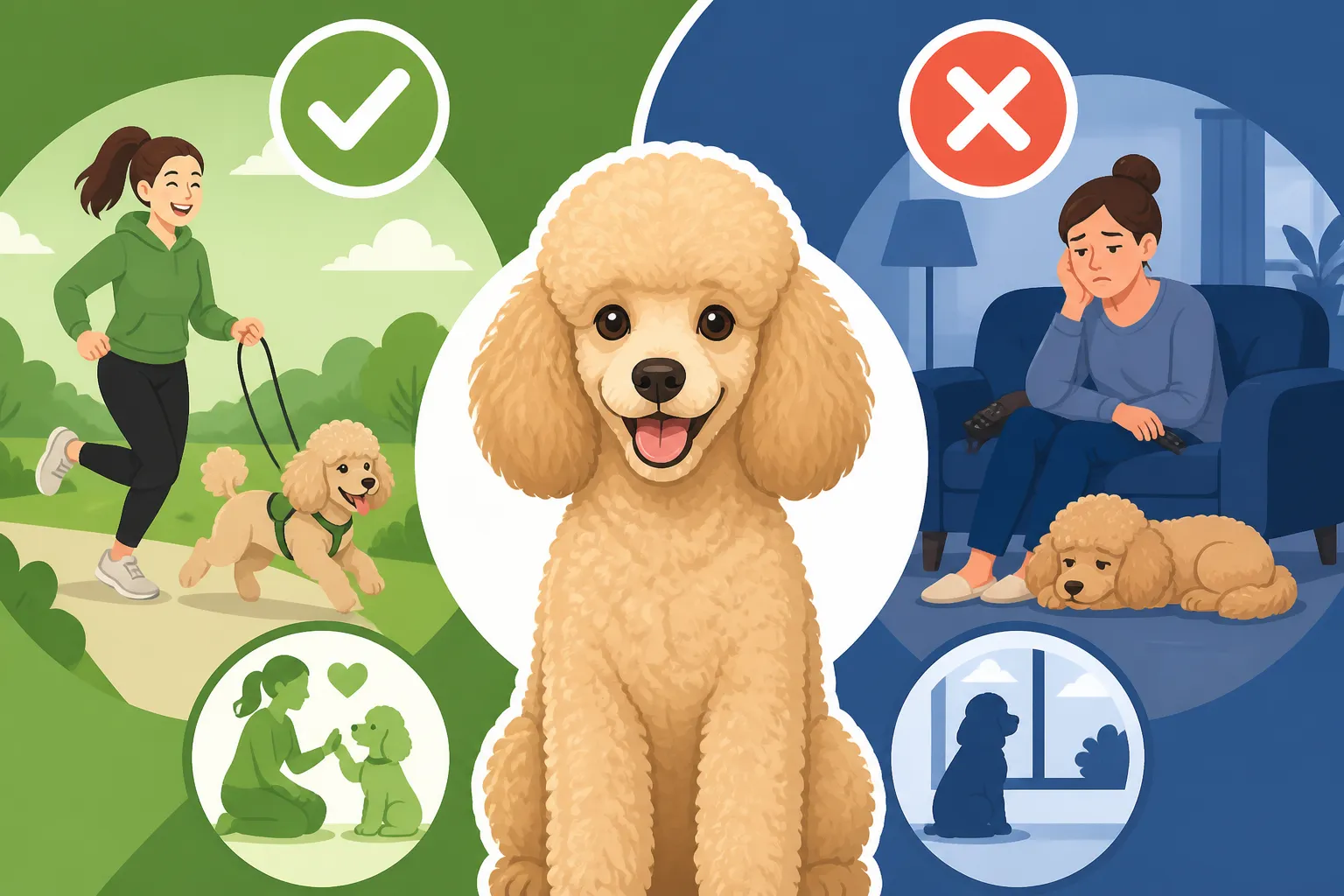
Whether a Poodle Fits the Life You Have
So many people fall head over heels for the Poodle's elegant looks, their reputation for intelligence, or that lovely 'non-shedding' coat. But the truth is, living with a Poodle is far more involved than simply admiring their beautiful exterior. If you're wondering whether a Poodle truly fits into the rhythm of your daily life, your budget, and your long-term plans, this guide will help you peel back the layers and honestly assess if this remarkable breed is the right companion for you.
Understanding the Poodle's Core Character
Before you even start dreaming of fancy clips or cute sweaters, it's vital to truly understand the Poodle's inner world. These aren't just pretty dogs; they are incredibly complex, sensitive, and intelligent creatures with a profound need for connection and mental engagement. Their temperament is a huge part of whether they'll thrive in your home, and whether you'll thrive with them.
More Than Just a Pretty Face: Intelligence and Drive
Poodles are consistently ranked among the most intelligent dog breeds, often coming in second only to the Border Collie. This isn't just about learning tricks quickly; it means they are highly observant, problem-solvers who can get bored easily if not adequately stimulated. A bored Poodle is often a mischievous Poodle, and their sharp minds can lead them to invent their own entertainment, which might not always align with your household rules. They pick up on routines and human emotions with startling accuracy, often anticipating your next move. For more on their smarts, check out Poodle Intelligence and Coren's Ranking.
This intelligence comes with a significant drive. Remember, Poodles were originally water retrievers, bred to work alongside hunters for hours. That instinct for activity, for a "job," still runs deep. They need purpose, whether it's learning new commands, playing intricate puzzle games, or participating in dog sports. Without this mental outlet, their intelligence can become a double-edged sword, leading to destructive chewing, excessive barking, or even neurotic behaviors. It's not enough to simply have a smart dog; you have to be willing and able to engage that intelligence daily.
Many new owners are surprised by the sheer intensity of a Poodle's focus once they're engaged in a task. When you're training, they'll often stare intently, soaking up every word and gesture. This means positive reinforcement methods work incredibly well, but it also means they need a trainer who understands their sensitivity and drive. Harsh methods will quickly shut down a Poodle, leading to anxiety and a reluctance to engage. They crave collaboration, not domination, and flourish under clear, consistent, and kind guidance.
The Poodle's Unshakeable Loyalty and Sensitivity
Poodles are often described as "Velcro dogs" for a very good reason: they bond deeply with their families and often choose one person as their primary confidante. This intense loyalty means they love being with you, following you from room to room, and thriving on your companionship. They are not dogs that are content to be left alone in the backyard or ignored while you go about your day. Their happiness is intrinsically linked to their human connections.
This deep bond also means they are incredibly sensitive to your moods and the atmosphere in the home. If you're stressed, they'll pick up on it. If there's tension, they'll feel it. This sensitivity is part of their charm, making them wonderful emotional support animals for the right person, but it also means they need a calm, predictable environment. A chaotic household or one with frequent arguments can be incredibly unsettling for a Poodle, potentially leading to anxiety or behavioral issues. For a deeper dive into their personality, read about The Poodle Character.
Their sensitivity also extends to physical handling and grooming. While many Poodles are wonderfully tolerant, some can be quite particular. Early, positive exposure to brushing, nail trims, and ear cleaning is absolutely crucial. If a Poodle has a bad experience, especially as a puppy, it can take a long time and a lot of patience to overcome that fear. This isn't stubbornness; it's a genuine emotional response that requires empathy and careful retraining.
Energy Levels Across the Poodle Sizes
While all Poodles share that core intelligence and loyalty, their energy levels can vary quite a bit depending on their size. It’s a common misconception that all Poodles are high-strung, or that smaller Poodles require less exercise. The truth lies somewhere in the middle, and understanding these nuances is critical for a good match.
Standard Poodles, being the largest, generally have the highest energy demands. They need substantial daily exercise – think long, brisk walks, runs, swimming, or vigorous games of fetch. An hour or more of focused activity, often split into two sessions, is usually the minimum to keep them happy and prevent destructive behaviors. They love to stretch their legs and are fantastic partners for hiking or jogging. This doesn't mean they're constantly bouncing off the walls indoors; a well-exercised Standard Poodle is often a calm and graceful house companion, content to curl up at your feet. For specific needs, look into Daily Exercise for a Standard Poodle.
Miniature Poodles are a fantastic middle ground. They retain plenty of Poodle zest and intelligence but require slightly less physical exertion than their larger cousins. A good 45 minutes to an hour of active playtime or walking daily is usually sufficient. They enjoy agility, obedience, and fetch, and their smaller size makes them a bit more adaptable to various living situations, as long as their mental needs are met. Don't let their size fool you; they still need stimulating engagement to prevent boredom.
Toy Poodles, while small, are not couch potatoes. Many prospective owners assume their tiny size means minimal exercise, but a healthy Toy Poodle is a spry and active little dog. They can get a good workout indoors with games, but they still benefit from daily walks (20-30 minutes, or a couple of shorter outings) and opportunities to explore safely. Their small bladder size, particularly as puppies, means they need frequent potty breaks, which also serves as mild exercise. They are prone to low blood sugar as puppies, so consistent feeding schedules are important.
| Poodle Size | General Energy Level | Recommended Daily Exercise | Mental Stimulation Needs |
|---|---|---|---|
| Standard | High | 1-2 hours vigorous activity (runs, long walks, swimming) | High (training, dog sports, puzzle toys) |
| Miniature | Medium-High | 45-60 minutes active play/walking | High (training, agility, interactive games) |
| Toy | Medium | 20-30 minutes walking, indoor play | Medium-High (tricks, puzzle feeders, short training sessions) |
The Realities of the Poodle Coat
The Poodle coat is undeniably stunning, but it's also the single biggest commitment you'll make when bringing one of these dogs into your life. The phrase "non-shedding" is often misunderstood, leading new owners to be completely unprepared for the intense grooming regimen required. This coat is unique and demands consistent, knowledgeable care.
The Never-Ending Growth Cycle
Unlike dogs with fur, Poodles have hair that grows continuously, much like human hair. This is why they don't "shed" in the traditional sense of leaving tumbleweeds of fur all over your house. Instead, any hair that does detach from the follicle gets caught within the surrounding curls. If this loose hair isn't brushed out regularly, it quickly intertwines with the growing hair, leading to mats and tangles. You can learn more about this in The Poodle Coat and Why It Never Stops Growing.
This continuous growth means that your Poodle's coat will simply get longer and longer if not clipped, similar to how your hair would if you never cut it. While some owners opt for very long, elaborate show coats, most pet owners choose a shorter, more manageable clip. Regardless of length, the underlying principle remains: the hair never stops growing, and therefore, the grooming never stops. There is no "easy" Poodle coat; there are only coats you are diligent about maintaining.
The texture of the Poodle coat also plays a role. It's dense, curly, and often has a woolly feel. This texture, while beautiful, is a magnet for debris like leaves, twigs, and burrs. Even small pieces of outdoor detritus can quickly become embedded, creating tiny knots that, if left unattended, blossom into full-blown mats. Owners must be vigilant, especially after outdoor adventures, to check their Poodle's coat thoroughly for any foreign objects that could cause problems.
Brushing: A Daily Commitment, Not an Option
Because of the continuous growth and tendency to mat, regular brushing is non-negotiable for a Poodle. Depending on the length of their coat, this could mean daily brushing sessions. For Poodles in a longer clip, expect to spend 20-30 minutes, sometimes more, every single day. Even shorter clips require brushing every 2-3 days to prevent mats from forming. This isn't a quick once-over; it's a thorough "line brushing" technique that gets down to the skin. If you only brush the surface, you'll feel like you're doing a good job, but mats will be forming underneath, close to the skin, where they are painful and difficult to remove.
Neglecting brushing has serious consequences. Mats are not just unsightly; they are incredibly painful for your dog. They pull on the skin, restrict movement, and can even cut off circulation, leading to skin infections or hot spots underneath the matted areas. Imagine having your hair constantly tugged and pulled in dozens of places at once – that's what a matted Poodle experiences. It's a preventable cruelty that requires constant vigilance from the owner.
The right tools are essential for effective brushing. You'll need a good quality slicker brush, a metal comb (often called a Greyhound comb), and potentially a detangling spray. Investing in these tools and learning the proper technique is paramount. Many resources, including our own, can guide you on How to Line Brush a Poodle Properly. This daily ritual can become a lovely bonding experience, but only if both you and your Poodle are accustomed to it and enjoy the routine. If you dread it, your Poodle will too, making the task even harder. You can often find great grooming tools and products from reputable retailers like Chewy.
Professional Grooming Costs and Time
Even with diligent home brushing, professional grooming is a necessity for a Poodle, typically every 4 to 8 weeks. This isn't just about aesthetics; it's essential for their health and comfort. A professional groomer has the tools, skills, and experience to trim the coat evenly, clean ears, express anal glands, and properly clip nails – tasks that many owners find challenging or intimidating to do themselves.
The costs associated with professional grooming are significant and must be factored into your budget. Poodle grooming is one of the more expensive services due to the breed's coat type and the time and skill involved. Prices vary depending on your location, the groomer's experience, the size of your Poodle, and the chosen clip. A Standard Poodle in a longer style will naturally cost more to groom than a Toy Poodle in a very short puppy clip. These costs can easily run into hundreds of dollars annually, if not more. For a clearer picture, check out Professional Grooming Costs by Poodle Size.
Beyond the monetary cost, there's the time commitment. Dropping off and picking up your Poodle from the groomer, which can take several hours, adds another layer of planning to your schedule. If you choose to learn to groom at home, you'll save money on professional fees, but you'll invest a considerable amount of your own time – often several hours every few weeks – plus the initial cost of quality clippers, blades, and other equipment. Either way, the Poodle coat demands a substantial allocation of both time and money. There's truly no way around it.
Meeting a Poodle's Mental and Physical Exercise Needs
A Poodle isn't content with just a leisurely stroll around the block. Their heritage as working dogs, combined with their sharp minds, means they require a balanced regimen of physical activity and mental stimulation. Ignoring either aspect can lead to a frustrated, unhappy Poodle, and often, a destructive one.
Beyond Walks: Engaging a Poodle's Brilliant Mind
While physical exercise is important, many new Poodle owners underestimate the breed's profound need for mental stimulation. A Poodle's brain is always whirring, seeking input and challenges. If you only provide physical exercise, you'll end up with a physically tired but mentally bored dog, which can be just as problematic as an under-exercised one. They need "brain games" to truly thrive.
Think about incorporating puzzle toys, which can make mealtime an enriching experience rather than a five-second gobble. Scent work is another fantastic way to engage their natural hunting instincts and tire them out mentally. Hiding treats around the house or yard and having your Poodle sniff them out can be incredibly satisfying for them. Teaching new tricks, even silly ones, keeps their minds active and strengthens your bond. Check out Why a Poodle Needs a Job Rather Than a Walk for more ideas.
Consistent training sessions, even short 10-15 minute bursts throughout the day, are invaluable. Poodles love to learn and excel in obedience. This doesn't just mean basic commands like sit and stay; it can extend to more complex tasks, discrimination games where they identify specific objects, or even learning to retrieve named toys. This mental engagement not only prevents boredom but also reinforces good behavior and deepens their understanding of your expectations.
Daily Activity Requirements by Size
As discussed earlier, the amount of physical exercise needed varies significantly by Poodle size, but none of them are sedentary. It's crucial to be realistic about how much time you can dedicate to active engagement, not just letting them out in the yard. A yard is a bonus, but it's not a substitute for active walks, playtime, or directed exercise.
Standard Poodles thrive on vigorous activity. They are excellent running companions, love to swim, and will happily retrieve a ball for as long as your arm holds out. They need at least one long, brisk walk or run of 45-60 minutes, plus another shorter but active session, making their total active exercise time well over an hour daily. Without it, they can become restless, destructive, or even develop behavioral issues like nuisance barking. This energy makes them fantastic partners for active families but can be overwhelming for those who prefer a more sedate lifestyle.
Miniature Poodles are still active dogs, requiring 30-45 minutes of dedicated physical exercise daily, often split into a couple of walks or play sessions. They enjoy fetch and can be quite agile. Their smaller size makes them a bit more versatile for urban living, but they still need purposeful activity. They enjoy exploring new places and can easily keep up on longer walks if conditioned properly. Their mental needs are still high, so combine walks with training.
Toy Poodles, despite their size, are not just lap dogs. They are sturdy and energetic, needing 20-30 minutes of walking or active play daily. This can be two shorter walks or a single longer one, plus indoor games. They love to chase toys and have surprisingly fast bursts of speed. Because of their delicate tracheas (a common issue in small breeds), a harness is often recommended over a collar for walks, and their small legs aren't suited for long, strenuous hikes on rough terrain.
Channeling Drive into Dog Sports or Training
If you truly want to see a Poodle shine, consider channeling their intelligence and drive into organized dog sports or advanced training. Poodles excel in a wide array of activities, and finding one that suits both your dog's personality and your interests can be incredibly rewarding for both of you. This is where their "job" instinct really comes into play.
Agility is a natural fit for many Poodles, especially Miniatures and Standards. Their athleticism, intelligence, and eagerness to please make them fast learners on the course. They love the challenge of navigating obstacles, and the mental focus required is just as tiring as the physical exertion. Rally obedience and competitive obedience are other areas where Poodles consistently earn titles, demonstrating their ability to work closely with their handlers under various distractions. Many people enjoy the collaborative nature of these sports.
For those with Standard Poodles, their original purpose as water retrievers can be explored through dock diving or even actual retrieve work if you have access to appropriate safe water. They are natural swimmers and love to plunge in. Therapy dog work is also an excellent avenue for many Poodles due to their sensitive and empathetic nature; their calm demeanor (when properly exercised) and friendly disposition make them wonderful visitors in hospitals or nursing homes. Regardless of the activity, the goal is to give your Poodle a consistent outlet for their talents, preventing boredom and building their confidence. Look into Dog Sports a Poodle Excels At for more details.
Living Arrangements and Poodle Companionship
Deciding if a Poodle fits your life isn't just about walks and grooming; it's also about how well they integrate into your home environment and your social dynamics. These are dogs that thrive on companionship and stability, and their living situation needs to reflect that.
Adapting to Apartment Life with a Poodle
One of the great advantages of the Poodle breed, particularly Miniatures and Toys, is their adaptability to different living spaces. While Standard Poodles are large dogs, even they can do remarkably well in apartments or smaller homes, provided their exercise and mental stimulation needs are met. It’s often said that a well-exercised Standard Poodle is calmer in a small space than an under-exercised Toy Poodle in a mansion.
The key to successful apartment living with any Poodle size is that they are inside with you. They crave human company and are not meant to be outdoor-only dogs. Consistent potty breaks are crucial, especially for puppies and Toy Poodles with smaller bladders. This might mean more frequent trips outside, or for Toy Poodles, potentially utilizing indoor potty pads if you live on a high floor or in extreme weather.
Noise can be a consideration. While Poodles are often alert, they can also be prone to nuisance barking if not properly trained or if they suffer from separation anxiety. Living in close quarters with neighbors means you'll need to be proactive in managing any excessive barking. Socialization from a young age helps them adapt to various sounds and strangers encountered in shared living spaces, reducing reactivity.
The "Velcro Dog" Tendency and Separation Anxiety
Poodles are famous for their devotion, often following their favorite person from room to room, even to the bathroom. This "Velcro dog" trait is endearing, but it also means they can be prone to separation anxiety if not properly conditioned to tolerate being alone. They thrive on companionship and can become distressed when left for long periods. If your lifestyle involves working long hours outside the home, a Poodle might not be the best fit unless you have robust solutions in place.
Introducing alone time gradually, starting with very short durations and increasing over time, is essential from puppyhood. Creating a comfortable, safe space (like a crate) where they feel secure can help. Puzzle toys stuffed with treats (perhaps from Chewy) given just before you leave can distract them. However, if a Poodle genuinely suffers from separation anxiety, it's a serious behavioral issue that requires professional intervention, not just a casual fix. For more on this, check out Separation Anxiety in a Velcro Poodle.
Consider how many hours your Poodle would realistically be left alone each day. If it's a full 8-9 hour workday, five days a week, without a midday break from a dog walker or family member, a Poodle will likely struggle. This isn't a breed that enjoys solitude; they want to be part of the action. If you're rarely home, or if your home is more of a pit stop, a Poodle might not find the constant connection they crave with you.
Poodles and Other Pets or Children
Poodles generally have a good temperament, making them suitable companions for homes with children and other pets, provided they are properly socialized and introduced. Their intelligence often makes them easy to train in household manners, which is a huge plus when living with kids. However, their sensitivity means that rambunctious children need to be taught how to interact gently and respectfully with the dog. A Poodle who is constantly harassed or startled might become fearful.
For Toy Poodles, special care is needed around very young children. Their small size makes them vulnerable to accidental injury if a toddler falls on them or handles them roughly. Supervision is absolutely non-negotiable, and teaching children to be gentle and understand a dog's body language is paramount. It’s often best to wait until children are a bit older and can reliably follow instructions before bringing a tiny Poodle puppy into the home.
When it comes to other pets, Poodles typically adapt well. Many Poodles live harmoniously with cats, especially if introduced correctly and early in life. Their retrieving drive might mean they initially chase smaller animals, but this can often be redirected with training. In multi-dog households, Poodles usually integrate smoothly due to their generally amiable nature, though individual personalities always play a role. They can sometimes be selective about their doggy friends, preferring calmer companions over overly boisterous ones, particularly smaller Poodles around larger, less mindful dogs.
Health Considerations and Lifespan Expectations
While Poodles are generally a healthy breed with a good lifespan, they are predisposed to certain genetic conditions that prospective owners must be aware of. Responsible breeding practices aim to reduce the incidence of these issues, but they can still arise. Understanding these potential health challenges is vital for both your Poodle's well-being and your financial planning.
Common Health Issues by Poodle Size
The Poodle breed, across its three sizes, is susceptible to a range of inherited health conditions. It's often noted that Why Poodle Health Splits by Size, with larger Poodles having different common ailments than smaller ones. This distinction is crucial for understanding potential veterinary needs.
Standard Poodles are particularly prone to Addison's Disease, an autoimmune disorder affecting the adrenal glands. This condition can mimic many other illnesses, earning it the nickname "the great pretender." Bloat (Gastric Dilatation-Volvulus or GDV) is another life-threatening emergency common in deep-chested breeds like the Standard Poodle. Responsible breeders screen for hip dysplasia and often provide OFA results. Other concerns include Sebaceous Adenitis (a skin condition) and certain cancers.
Miniature Poodles have their own set of predispositions, including Progressive Retinal Atrophy (PRA), a degenerative eye disease leading to blindness. Luxating patella (slipping kneecaps) is also seen, though more common in Toy Poodles. Epilepsy and Legg-Calve-Perthes disease are other conditions to be aware of.
Toy Poodles share the Luxating Patella and PRA concerns with Miniatures, often more pronounced due to their delicate bone structure. Hypoglycemia (low blood sugar) is a particular risk for puppies, especially very tiny ones. Tracheal collapse, a weakening of the windpipe causing a characteristic "honking" cough, is also more prevalent in Toy Poodles. Dental disease tends to be more severe and occur earlier in smaller Poodles due to their crowded mouths.
The Financial and Emotional Cost of Poodle Health
Recognizing the potential for these health issues means understanding the financial and emotional commitment that comes with owning a Poodle. Diagnosing and treating these conditions can be incredibly expensive, potentially running into thousands or even tens of thousands of dollars over a Poodle's lifetime. For example, emergency bloat surgery for a Standard Poodle is a major, costly procedure. Managing chronic conditions like Addison's Disease involves lifelong medication and regular vet visits.
Beyond the financial strain, there's the emotional toll. Watching your beloved companion struggle with illness is heartbreaking. Being a Poodle owner means being prepared for these possibilities, and having a plan in place. This includes choosing a reputable breeder who performs extensive health testing on their breeding stock (such as hip, elbow, eye, and genetic panels for PRA and vWD), as this significantly reduces the risk, though it never eliminates it entirely. Asking a breeder what they screen for is crucial.
You'll also need to budget for regular preventative care: annual vet check-ups, vaccinations, parasite control, and dental cleanings. These routine expenses are essential for maintaining your Poodle's health and catching potential problems early. Skipping these can lead to more severe, and more expensive, issues down the line.
Preparing for a Long Life with Your Poodle
Poodles, across all three sizes, are known for their relatively long lifespans, often living into their early to mid-teens. Toy Poodles, in particular, can frequently reach 15-18 years old. This means that bringing a Poodle into your life is a long-term commitment, potentially a decade and a half or more. You need to consider what your life might look like 10 or 15 years from now and if you're prepared for the responsibilities that come with an aging dog.
Caring for an older Poodle often involves different considerations. Just like humans, senior dogs can develop arthritis, cognitive decline, vision and hearing loss, and other age-related conditions. This might mean adjusting your home environment, providing supplements, or increasing veterinary visits. For guidance on elder care, refer to Caring for an Aging Poodle. The costs associated with a senior Poodle can also increase as they require more specialized care and medication.
This long lifespan is a wonderful gift, but it requires foresight. Are you prepared for the significant changes that occur over such a long period? Will you still have the time, resources, and dedication to provide for your Poodle's evolving needs as they enter their golden years? A Poodle is not a temporary companion; they are a cherished family member who will be with you through many life stages, demanding consistent care throughout.
Budgeting for a Poodle: Beyond the Purchase Price
Many prospective owners focus heavily on the initial purchase price of a Poodle puppy, but this is merely the tip of the iceberg. The true cost of owning a Poodle is a lifelong financial commitment that encompasses much more than just the upfront fee. Being financially prepared is just as important as being emotionally ready.
Comprehensive Breakdown of Ongoing Costs
Beyond the initial cost of the puppy, which can be significant for a well-bred Poodle, you'll face a continuous stream of expenses. Food is a major one; a Standard Poodle, for instance, eats considerably more than a Toy Poodle, and quality dog food isn't cheap. For a breakdown, see Monthly Food Cost for a Toy Poodle or Feeding a Standard Poodle for a Month. Toys, treats, and basic supplies like leashes, collars, and beds also add up.
The most substantial ongoing cost, after food, is often grooming. As discussed, professional grooming every 4-8 weeks is essential. These costs can easily accumulate to several hundred or even over a thousand dollars annually, depending on your Poodle's size and coat style. If you plan to groom at home, you'll still need to invest in professional-grade clippers, blades, shampoos, conditioners, and brushes, which are a recurring expense as blades dull and products run out.
Routine veterinary care forms another significant part of the budget. This includes annual check-ups, vaccinations, heartworm prevention, flea and tick treatments, and occasional dental cleanings. Dental health is particularly important for smaller Poodles. These preventative measures are investments in your Poodle's long-term health, helping to avoid more expensive emergency treatments down the road.
Insurance: A Must-Have, Not a Luxury
Given the Poodle's predispositions to certain costly health conditions (like Addison's, bloat, or patellar luxation), pet insurance should be considered a necessity, not a luxury. A good pet insurance policy can provide immense peace of mind, covering a significant portion of unexpected veterinary bills in case of accidents or illness. Without it, a sudden emergency or diagnosis of a chronic condition could lead to a heartbreaking financial crisis. You can find more details on Insuring a Poodle Against Addison's and Bloat.
It’s crucial to research different insurance providers and plans carefully. Look at what conditions are covered, what the deductible and reimbursement rates are, and if there are any annual limits. Importantly, pre-existing conditions are typically not covered, so it's always best to enroll your Poodle in a policy when they are young and healthy, before any issues arise. This ensures the broadest possible coverage throughout their life.
While there's a monthly premium to consider, the potential savings from a major vet bill can far outweigh these ongoing costs. Imagine faced with an emergency bloat surgery for your Standard Poodle, which can cost thousands of dollars. Having insurance could mean the difference between getting your beloved dog life-saving care and being forced to make an impossible decision. Think of it as an essential safety net for your Poodle's health and your own financial stability. You can buy supplies and compare policies on platforms like Chewy, which often partner with pet insurance providers.
Unexpected Expenses and Emergency Funds
Even with diligent budgeting and pet insurance, unexpected expenses can and often do arise. This might include behavioral consultations for an anxious Poodle, specialized dietary needs for allergies, or physical therapy for an injury. Life with a Poodle is rarely perfectly predictable, and having a financial cushion for these eventualities is a mark of a responsible owner.
It's highly advisable to set aside an emergency fund specifically for your Poodle. This could be a separate savings account that you contribute to regularly. This fund can cover the deductible on your insurance policy, or pay for treatments that your policy might not fully cover. Having readily available funds means you can make decisions based on your Poodle's best interests, rather than being limited by immediate financial constraints.
Owning a Poodle is a long-term financial partnership. It's not just about what you can afford today, but what you can sustain for the next 10-15 years. Be realistic about your budget, create a detailed financial plan, and prepare for both the expected and the unexpected. A Poodle gives so much love and joy, and they deserve an owner who is prepared to provide for all their needs, health and otherwise. What Grooming Adds to a Poodle's Lifetime Cost is another critical read for new owners.
Making the Final Decision: A Realistic Self-Assessment
Now that you've got a clearer picture of what a Poodle truly entails, it's time for some honest self-reflection. Owning any dog is a commitment, but Poodles, with their unique blend of intelligence, sensitivity, and grooming needs, require a particular kind of owner. Is that you?
Time Commitment and Lifestyle Flexibility
The biggest question you need to ask yourself is about time. Poodles require significant daily interaction, training, and exercise. Can you realistically dedicate an hour or more each day to walks and active playtime? Beyond that, are you prepared to spend dedicated time on mental stimulation, training sessions, and simply being present with your Poodle? This isn't just about walks; it's about active engagement.
Consider your work schedule and social life. If you work long hours away from home, who will care for your Poodle during the day? Can you afford a dog walker or doggy daycare, or do you have a flexible job that allows you to return home? If you travel frequently, have you budgeted for boarding, or do you have reliable friends/family who understand Poodle needs (especially grooming!) and can care for them? Poodles thrive on routine and companionship, and a constantly changing or absent owner can lead to stress and behavioral issues.
Your overall lifestyle flexibility also plays a role. Are you someone who enjoys outdoor activities that a Poodle can join, like hiking or running? Or do you prefer a quieter, more sedentary life? While Poodles can adapt, they are happiest when their owners engage with them actively. A Poodle needs to be integrated into your life, not just live alongside it.
Your Tolerance for Grooming and Training
Be brutally honest about your tolerance for routine grooming. Are you genuinely prepared to brush your Poodle for 20-30 minutes, most days of the week, for the next 10-15 years? This task can't be skipped, or your Poodle will suffer. Are you willing to learn proper line brushing techniques, or commit to regular (and costly) professional grooming appointments? If the thought of daily brushing fills you with dread, a Poodle might not be the right choice.
Similarly, consider your commitment to ongoing training. Poodles are intelligent and eager to learn, but that doesn't mean they come pre-programmed. They need consistent, positive training from puppyhood throughout their lives to be well-mannered companions. Are you willing to attend puppy classes, possibly advanced obedience classes, and dedicate time each day to reinforce good behaviors and teach new skills? Their intelligence means they learn fast, but they also get bored fast, so training needs to be engaging and fun.
If you're someone who prefers a low-maintenance dog that requires minimal grooming or training effort, a Poodle will likely be a source of frustration rather than joy. Their needs are specific and non-negotiable, and understanding your own capacity to meet those needs is paramount.
The Long-Term View: A Decade or More
Finally, take the long view. Poodles are long-lived dogs. This means you are making a commitment that will span many of your own life changes. Will you still be able to provide for a Poodle if your family grows, if you move, or if your financial situation changes? What about when your Poodle enters their senior years and requires more specialized care, potentially with mobility issues or cognitive decline?
Consider your personal growth and future plans. If you're currently in a life stage that allows for a Poodle, but anticipate significant changes (like starting a demanding career, having children, or moving abroad) within the next few years, think deeply about how those changes will impact your ability to care for your dog. Rehoming a Poodle, especially one with deep emotional bonds and specific needs, can be incredibly traumatic for the dog.
A Poodle offers unparalleled companionship, intelligence, and joy to the right home. But they require an owner who is truly prepared for the significant investment of time, money, and emotional energy over their long and wonderful lives. If you've honestly assessed these factors and still feel that pull, then a Poodle might just be your perfect match.
Disclaimer
This article is for general informational purposes only and does not constitute professional advice. Laws, prices and regulations vary by location and change over time. Consult a qualified professional for guidance on your specific situation.