Why the Poodle’s Name Means to Splash
Many people see a Poodle and immediately think of fancy dog shows, elaborate clips, and perhaps a slightly aristocratic air. It's easy to dismiss them as merely decorative, but this couldn't be further from the truth. The very name "Poodle" holds a key to understanding their rugged, working-dog past, and it's a history often overlooked, leading to a profound misunderstanding of this intelligent and versatile breed. This guide will dive deep into the fascinating origins of the Poodle's name, revealing its strong connection to water and its enduring legacy as a magnificent retriever.
The Splashy Origins of the Poodle Name
The popular image of a Poodle might be one of elegance and composure, perhaps trotting daintily through a perfectly manicured garden. However, if you were to rewind history a few centuries and journey to Germany, you'd find a very different scene: a robust, curly-coated dog eagerly plunging into icy lakes and rivers, its primary focus on retrieving fallen waterfowl for hunters. It's this active, water-loving nature that directly inspired the breed's very name, an etymological journey that reveals the Poodle's true, working-class roots.
German Roots: "Pudel" and "Pfudel"
The word "Poodle" is not some fancy, aristocratic moniker; it comes directly from the German word "Pudel," which itself is derived from "Pudeln." This verb literally means "to splash about" or "to wallow in water." Think of a dog having the time of its life in a pond, enthusiastically churning up the water—that's the image "Pudeln" evokes. It's a vivid description of their original purpose and inherent joy in aquatic environments. This name wasn't just a label; it was a descriptor of their daily existence and their proficiency in their job.
Further emphasizing this connection, some linguistic historians trace "Pudel" back to an even older Low German word, "Pfudel," which means "puddle" or "marsh." This association with muddy, wet ground and shallow bodies of water solidifies the Poodle's identity as a dog intimately linked with wetlands and the activity of retrieving from them. It speaks to a time when dogs weren't just pets, but essential partners in survival and sport, and their names often reflected their primary function. It's a far cry from the delicate stereotype many people hold today, and understanding this origin helps us truly appreciate the breed's resilience and robust nature.
Linguistic Journey: From Water to Dog
The evolution of the name from a descriptive verb to the breed's identity is quite straightforward once you understand its context. As these dogs became indispensable companions for hunters, known for their prowess in the water, people naturally began referring to them by the activity that defined them. They were "the splashing dogs," the "puddle dogs," and eventually, simply "Pudels." When the breed made its way to English-speaking countries, "Pudel" was Anglicized into "Poodle," retaining its original meaning and connection to water.
This linguistic journey is a beautiful testament to the Poodle's unwavering dedication to its job. Imagine an early hunter calling out to his "Pudel" as it dove into a cold marsh, knowing full well that its name encapsulated its very essence. This wasn't a breed named for its appearance or its regal bearing; it was named for its action, its skill, and its joy in the very element it was bred to conquer. For centuries, this name served as a constant reminder of their working heritage, a historical echo that we can still hear today if we only listen closely enough to the sounds of a Poodle splashing about.
The Poodle's Water Retriever Heritage
It's easy to get lost in the modern image of the Poodle—the carefully coiffed show dog, the pampered companion, or even the intelligent therapy dog. But beneath that elegant exterior and sophisticated air lies the heart of a true working dog, an athlete with an innate drive to retrieve. This isn't just a historical footnote; it's a fundamental aspect of their being, one that shaped their physical attributes, their temperament, and their incredible intelligence. The "splash" in their name is more than just a linguistic quirk; it’s a direct reference to their original job, which was both demanding and highly specialized.
Working Dogs, Not Just Show Dogs
Before they graced the pages of dog magazines or strutted across show rings, Poodles were invaluable partners to waterfowl hunters throughout Europe. Their job was to jump into often freezing water, locate downed birds, and bring them back to their handler. This wasn't a task for just any dog; it required specific traits: a keen nose, exceptional swimming ability, incredible stamina, and a dense, water-resistant coat. These were dogs bred for function, for resilience in harsh conditions, and for intelligence that allowed them to understand complex commands and work independently when necessary.
Think of a typical hunting scene: a bird falls in thick reeds or an icy pond. The Poodle, with its eager spirit, would be dispatched without hesitation, navigating the challenging terrain and water, using its strong swimmer's body and intelligent mind to retrieve the prey. This demanding work forged the Poodle into the capable, energetic, and highly trainable breed we know today. It's why they excel in so many dog sports and working roles; that intrinsic desire to "do a job" is deeply embedded in their DNA. The Water Dog Behind the Poodle delves deeper into these specific skills and their historical context.
Retrieving Instincts in Action
Even in modern pet Poodles, these powerful retrieving instincts are incredibly evident. Owners often notice their Poodles' love for toys, their obsession with fetching, and their uncanny ability to "find" dropped items. This isn't just playful puppy behavior; it's the manifestation of centuries of selective breeding for a specific purpose. A Poodle's drive to bring things back to you, whether it's a soggy tennis ball from a lake or a misplaced sock from under the bed, is a direct link to their ancestors who retrieved ducks from the marsh.
These instincts are so strong that many Poodles are natural swimmers, taking to water with an enthusiasm that belies their sometimes dainty appearance. If you give a Poodle the opportunity, whether it's a supervised swim in a pool or a safe romp in a shallow river, you'll often see that ancestral joy in "splashing about" come alive. Providing outlets for these instincts, such as regular games of fetch or even introducing them to a dog-friendly pool, is crucial for their mental and physical well-being. Services like Chewy offer a wide array of durable floating toys and aquatic training gear that can help owners tap into this inherent drive, ensuring their Poodle remains engaged and happy. The Poodle's Retrieving Instinct further elaborates on this trait.
The Iconic Poodle Clip Reflects its Past
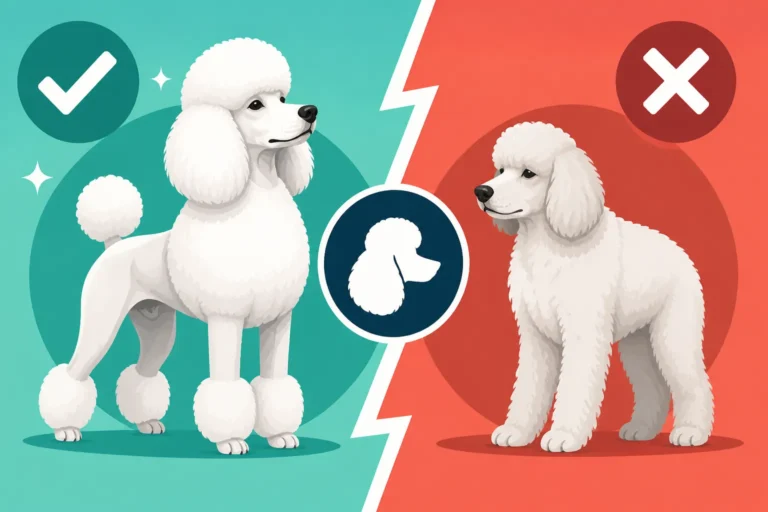
One of the most recognizable features of the Poodle is its distinctive haircut, often adorned with "pompoms" and shaved sections. For those unfamiliar with the breed's history, this clip can appear purely aesthetic, perhaps even a bit silly or extravagant. It contributes significantly to the Poodle's reputation for being a "fancy" dog. However, like the name itself, the traditional Poodle clip is steeped in practical purpose, a functional design honed by generations of working dogs and their handlers to optimize performance in cold, wet environments. It's not about fashion; it's about survival and efficiency.
Practicality Over Pompom
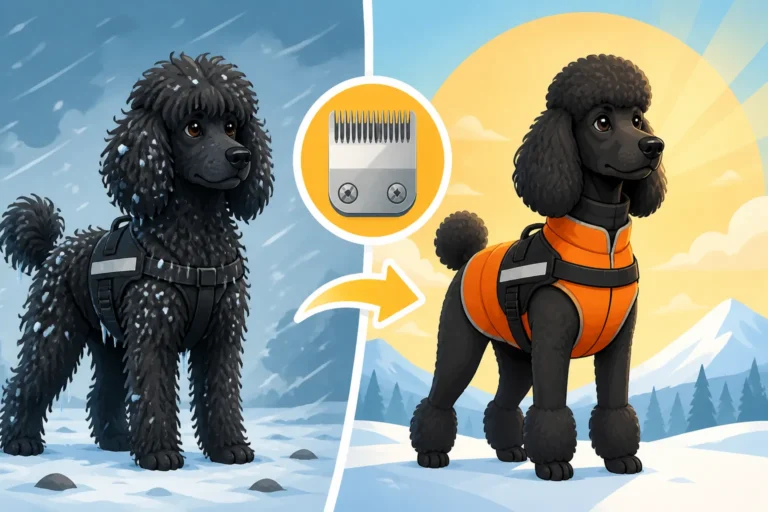
The classic "Continental Clip" or even the more simplified "Sporting Clip" might seem like elaborate styling choices today, but their origins are rooted in protecting the Poodle while allowing it maximum mobility in the water. Imagine a dog with a thick, dense coat trying to swim through icy water and dense reeds. A full coat would become heavy, waterlogged, and cumbersome, slowing the dog down and putting it at risk of hypothermia. Hunters needed a solution that would keep their dogs warm where it mattered most, without impeding their movement.
The strategic shaving of the Poodle's coat served this very purpose. Areas like the legs, tail, and parts of the body that needed to move freely for swimming and running were clipped short. This reduced drag in the water and prevented the coat from becoming entangled in underwater debris. Meanwhile, crucial areas like the chest, joints, and internal organs were left covered with longer hair, forming protective "cuffs" or "rosettes." These areas, often referred to as "puffs" or "pompoms," were not for adornment but for insulation, keeping the dog's vital areas warm even in frigid conditions. Why the Poodle Clip Was a Working Design explains this in detail.
Protecting Joints and Organs
Beyond simply reducing bulk, the strategic placement of longer hair patches played a critical role in protecting the Poodle's health during its demanding work. The chest, where the heart and lungs reside, was kept covered to prevent chilling. The major joints—shoulders, hips, and hocks—were also left with longer hair. These areas are prone to stiffness and injury in cold, wet conditions, and the coat acted as natural insulation, helping to maintain body temperature and prevent muscle strain or joint discomfort.
Even the distinctive topknot, which many consider purely ornamental, had a functional origin: it served to keep the Poodle's long ears out of its eyes and to prevent water from running directly into the ear canals, which could lead to painful infections. This blend of form and function highlights the ingenious design behind the Poodle clip. It was a testament to the hunters' understanding of their dogs' needs and the environment in which they worked. It’s truly fascinating to realize that the very clips that earned Poodles their "fancy" reputation were, in fact, born out of a rugged, practical necessity. How the Clip Kept a Working Poodle Warm further illustrates this historical context.
Modern Poodles and Their Ancestral Instincts
While today's Poodles are far more likely to be found on a plush sofa than plunging into a duck pond, their rich history as water retrievers and intelligent working dogs continues to manifest in their temperament and preferences. The ancestral instincts are not merely relics of the past; they are living, breathing components of the modern Poodle's personality, influencing how they interact with their world and what truly makes them happy and fulfilled companions. Understanding these deep-seated drives is key to providing a Poodle with a truly enriching life, one that honors their heritage.
Water Lovers Today
It might surprise some, but many Poodles today retain an undeniable love for water. Whether it's splashing in a shallow puddle after a rain shower, enthusiastically dunking their face into their water bowl, or taking an eager dip in a lake or pool, the call of the water is often strong. This isn't universally true for every individual Poodle, as personalities vary, but the inclination is certainly more prevalent in Poodles than in many other breeds. Providing safe opportunities for them to engage with water, such as a kiddie pool in the yard or trips to a dog-friendly beach, can be a fantastic way to satisfy this innate drive.
This natural affinity for water also makes bathing Poodles somewhat easier for many owners, though the grooming itself can be an undertaking. The very act of getting wet often brings a spark of joy to their eyes, a subtle nod to their ancestors. For those Poodles who take to swimming like true champions, it can be an excellent form of exercise that is gentle on their joints while still providing a rigorous workout. Introducing a Poodle to Water and Whether Every Poodle Will Swim offer insights into how to safely introduce them to water activities. You can find excellent waterproof toys and long leashes for safe water play on sites like Chewy, making it easier to manage and enjoy these activities.
Instinctive Drive for Work and Play
Beyond their love for water, the Poodle's intelligence and strong retrieving drive mean they thrive on having a "job" to do, even if that job is just playing fetch or learning new tricks. Their minds are constantly seeking engagement, and a bored Poodle is often a Poodle prone to mischief or anxiety. These dogs were bred to think, problem-solve, and work in partnership with humans, and that need for mental stimulation hasn't diminished. Many Poodle owners will tell you that a simple walk around the block isn't enough; their Poodle needs intellectual challenges to feel truly satisfied.
This is why Poodles excel in a vast array of dog sports, from agility and obedience to rally and even hunt tests, where they get to demonstrate their retrieving prowess. These activities aren't just hobbies; they are vital outlets for their natural talents. Engaging their minds with puzzle toys, scent work, or consistent training sessions can prevent behavioral issues that often arise from under-stimulation. What a Poodle Does When Its Brain Is Idle explores the consequences of an unengaged Poodle mind, emphasizing the importance of keeping them busy and fulfilled.
Dispelling Misconceptions about Poodle Fanciness
It’s a persistent stereotype: the Poodle as a delicate, high-maintenance "fancy" dog, more concerned with its appearance than with anything else. This image, cultivated over generations through selective breeding for show rings and often exacerbated by historical perceptions of wealth and leisure, completely overshadows the breed's rugged, intelligent, and versatile core. It's a misconception that does a great disservice to Poodles and often leads potential owners to overlook one of the most remarkable and capable breeds out there. The truth of the Poodle is far more compelling than the superficial reputation it sometimes carries.
Beyond the Stereotype
The Poodle's journey from a working water retriever to a symbol of elegance has been a long one, marked by shifts in societal values and breeding priorities. While their intelligence and striking appearance certainly made them popular among royalty and nobility, their fundamental character as a hardy, keen, and athletic dog remained intact. The "pompoms" and elaborate clips, originally practical, became exaggerated for show, further cementing the "fancy" label. However, this aesthetic evolution did not erase their inherent drive or their robust constitution.
Many Poodle owners can attest that their dogs are anything but fragile. They are often incredibly athletic, eager for adventure, and possess a playful, sometimes mischievous, spirit. They can hike for miles, excel in strenuous dog sports, and roughhouse with the best of them. The "fanciness" is often a human imposition, a superficial layer that conceals a truly dynamic and adaptable companion. It’s crucial to look beyond the exterior and understand the profound depth of character that defines the Poodle. The Poodle as a Breed offers a broader understanding of their true character.
The Poodle's True Versatility
Perhaps the most compelling argument against the "fancy" stereotype is the Poodle's incredible versatility. These are not one-trick ponies; their intelligence, trainability, and athletic build allow them to excel in an astonishing array of roles. From performing intricate tricks in circuses to providing steadfast companionship as service dogs, from competing at the highest levels of obedience and agility to being reliable hunting partners once again, Poodles consistently demonstrate their adaptability and competence.
Their sensitivity and intuitive nature also make them fantastic therapy dogs, offering comfort and support to those in need. This wide range of capabilities is a direct result of their ancestral working background, where problem-solving and partnership were paramount. To reduce them to merely "pretty" dogs is to ignore the centuries of purposeful breeding that created such a brilliant, multi-talented canine. They are truly proof that beauty and brains, elegance and athleticism, can indeed come in one curly package.
The Impact of Size on Poodle Character and Health
When we talk about Poodles, it's essential to remember that the breed comes in three distinct sizes: Standard, Miniature, and Toy. While they all share the fundamental Poodle characteristics—that dense, curly coat, keen intelligence, and signature retrieving instinct—their size variations aren't just about aesthetics. These distinctions have historically influenced their roles and, importantly, can impact their temperament, activity levels, and predisposition to certain health conditions. It's a nuance that often surprises new Poodle enthusiasts, who might assume a Toy Poodle is simply a miniature version of a Standard in every respect.
Different Roles, Different Sizes
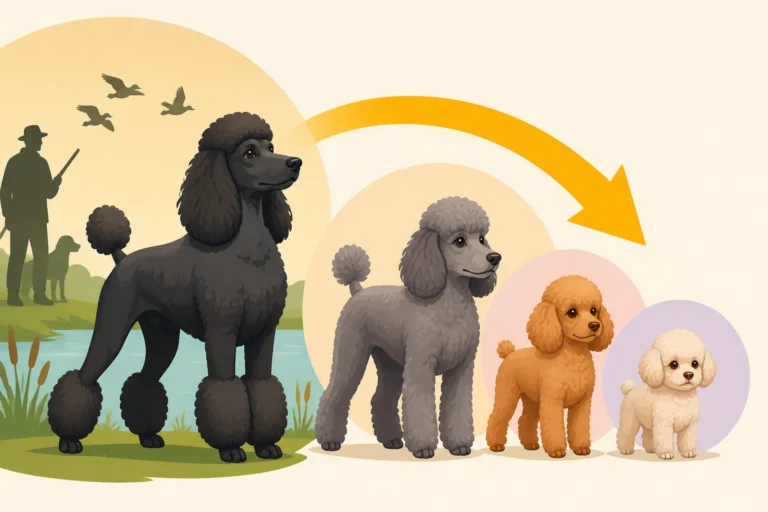
Historically, the different Poodle sizes were bred for distinct purposes, even though the core retrieving ability remained. The majestic Standard Poodle was the original water retriever, powerful enough to handle large waterfowl and endure long days in challenging conditions. Their size meant they had the stamina and physical presence required for rigorous hunting. The Poodle as a Duck Retriever speaks to their origins.
As societies changed and people moved into more urban environments, there was a desire for smaller, more manageable companions. This led to the development of the Miniature Poodle, often used for truffle hunting due to their keen noses and smaller size making them less prone to damaging the delicate fungi. They also became popular as performing dogs and cherished companions. The Toy Poodle, the smallest of the three, was primarily bred as a companion, often found warming laps in aristocratic homes. Their diminutive size made them ideal for city living and as comforting pets, sometimes even carried in sleeves or bags. Each size, therefore, evolved to fill a specific niche, influencing their average energy levels and suitability for various lifestyles.
Size-Specific Health and Temperament Nuances
While all Poodles are generally robust and intelligent, their size does introduce some variations in health considerations and, to a lesser extent, temperament. Standard Poodles, for instance, are more prone to issues like bloat and Addison's disease, conditions that are less common in their smaller counterparts. On the other hand, Toy Poodles might be more susceptible to issues like luxating patellas (slipping kneecaps) and collapsing tracheas, which are rarely seen in Standards. Why Poodle Health Splits by Size provides a deeper dive into these variations.
In terms of temperament, while all Poodles are known for their intelligence and sensitivity, there can be subtle differences. Standard Poodles are often described as having a calm dignity, though they are still very playful and energetic. Miniature Poodles frequently combine the vigor of the Standard with the compact size, making them excellent, versatile companions. Toy Poodles, while equally intelligent, can sometimes be a bit more "spunky" or prone to being over-protected, which can lead to "small dog syndrome" if not properly socialized and trained. These aren't hard and fast rules, as individual personalities always prevail, but they are general tendencies worth considering.
| Poodle Size | Original Role | Common Temperament Trait (General) | Notable Health Tendencies (Examples) | Average Weight (Approx.) |
|---|---|---|---|---|
| Standard | Waterfowl Retriever | Dignified, energetic | Bloat, Addison's Disease | 40-70 lbs |
| Miniature | Truffle Hunter, Companion | Lively, alert | Progressive Retinal Atrophy | 10-15 lbs |
| Toy | Companion, Lap Dog | Spunky, affectionate | Luxating Patella, Hypoglycemia | 4-6 lbs |
Caring for a Poodle: Embracing Their Needs
Bringing a Poodle into your life means embracing a dog that is far more than just a pretty face. It means committing to their needs as an intelligent, active, and deeply devoted companion. Many of the challenges and joys of Poodle ownership stem directly from their historical background as working water dogs. Understanding these inherent traits—from their coat care requirements to their need for mental and physical stimulation—is crucial for ensuring a happy and healthy life together. Neglecting these aspects can lead to a frustrated Poodle and a bewildered owner, underscoring the importance of informed care.
Grooming for Health, Not Just Show
The Poodle's iconic non-shedding, continually growing coat is a double-edged sword. While it’s fantastic for allergy sufferers, it demands significant commitment to regular grooming. This dense, curly coat, which historically protected them in icy waters, is incredibly prone to matting if not properly maintained. Mats can pull on the skin, cause discomfort, create hot spots, and even hide skin infections. Therefore, regular brushing down to the skin, typically several times a week, is not merely for aesthetics but for the dog's comfort and health.
Professional grooming every 4-8 weeks is essential, and between appointments, owners must be diligent. Investing in quality brushes, combs, and perhaps even clippers for touch-ups (especially around the face, feet, and sanitary areas) is a non-negotiable part of Poodle ownership. For those who opt to groom at home, products from Chewy, like high-quality slicker brushes and detangling sprays, can make the process more manageable. Brushing a Poodle to the Skin explains the correct technique to prevent painful mats. Ignoring this crucial aspect is the number one reason Poodles are surrendered to rescues.
Mental and Physical Fulfillment
Given their heritage as intelligent working dogs, Poodles require more than just physical exercise; they need substantial mental stimulation. A Poodle whose brain isn't regularly engaged can become bored, leading to destructive behaviors, excessive barking, or even anxiety. Their quick minds thrive on learning, problem-solving, and having a "job" to do, even if that job is as simple as finding hidden treats or mastering new tricks.
Daily walks are important, but supplementing them with interactive play, puzzle toys, training sessions, and even dog sports like agility, obedience, or rally is vital. These activities tap into their innate drives and provide outlets for their boundless energy and intelligence. A well-exercised and mentally stimulated Poodle is a calm, happy, and well-behaved companion. Conversely, an under-stimulated Poodle can be a handful, demonstrating the truth that a tired Poodle is a good Poodle, but a mentally tired Poodle is even better. Keeping a Poodle Mind Occupied offers practical tips for mental enrichment. Poodle Intelligence and Coren's Ranking sheds more light on their mental capabilities.
Disclaimer
This article is for general informational purposes only and does not constitute professional advice. Laws, prices and regulations vary by location and change over time. Consult a qualified professional for guidance on your specific situation.