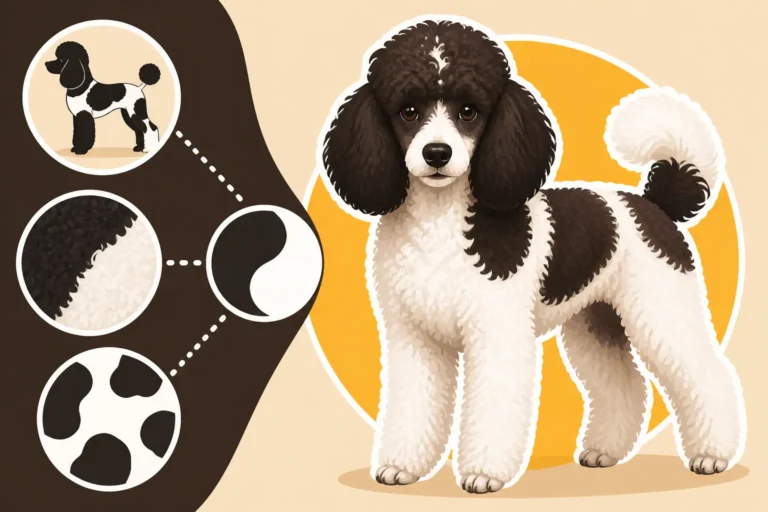
How Poodles Reached America
Many Poodle enthusiasts, especially here in the States, often assume this elegant breed sprang directly from French aristocracy. While France certainly embraced and refined them, the true story of how Poodles journeyed across oceans to become a cherished part of American households is a fascinating tale interwoven with history, performance, and evolving tastes. This guide will take you through the Poodle's rich European origins and chart their remarkable path to becoming one of America's most beloved and enduring dog breeds.
The Poodle's European Roots Before America Beckoned
Before Poodles were gracing the laps of American socialites or becoming the foundation for our beloved "doodles," they were sturdy working dogs with a history deeply entrenched in European waters. Their journey to America began centuries before, across the ponds and hunting grounds of the Old World. Understanding their original purpose helps us appreciate the resilience and adaptability that would later make them so successful on new shores.
Tracing the German Water Dog Ancestry
It often surprises people to learn that the Poodle's true origins lie not in France, but in Germany. Picture this: rugged, intelligent dogs plunging into icy waters to retrieve downed waterfowl for hunters. That's the Poodle's ancestral job. The very name "Poodle" comes from the German word "Pudel," which means "to splash" or "puddle," a direct nod to their water-loving nature and retrieving prowess. Why the Poodle's Name Means to Splash isn't just a cute historical tidbit; it's the core of their original identity.
These early Poodles were far from the delicate, meticulously groomed show dogs we often envision today. They were tough, athletic, and possessed a dense, curly coat that offered protection from the cold water, preventing hypothermia. Their intelligence and eagerness to please made them highly trainable, a trait that remains a hallmark of the breed to this day. Without this strong foundation as a capable working dog, their later transformations and global spread wouldn't have been possible. So, while the debate about Whether the Poodle Is German or French continues, their functional roots are firmly Germanic.
The French Connection and Refinement
While Germany gave the Poodle its working foundation, it was France that truly took them under its wing and began the process of refinement. French nobles and eventually the broader public fell in love with the Poodle's intelligence, charm, and elegant appearance. They quickly transitioned from purely utilitarian working dogs to cherished companions and performers. This period saw the Poodle's aesthetic appeal begin to take precedence, as they were often groomed into elaborate clips, not just for function but for fashion.
It was also during this time that the Poodle breed began to diversify in size. The larger, original Standard Poodle was gradually bred down to create the Miniature and then the Toy varieties. This development was driven by a desire for companion animals that could fit into smaller living spaces, be carried around by ladies, or perform tricks in more intimate settings. Why the Poodle was Bred Down in Size is a testament to the breed's adaptability and the evolving needs of their human companions, marking a crucial step in their global journey and appeal to a wider audience, including future American owners.
Early Cross-Atlantic Journeys and the Unofficial Arrivals
The Poodle didn't just appear on American soil one day with a fanfare. Like many European breeds, their initial arrival was likely a slow, undocumented trickle, carried by people migrating for new lives, seeking fortune, or simply bringing their beloved companions with them. These early crossings were challenging, and only the most robust and adaptable dogs would have survived the journey.
The First European Dogs in America
When European settlers began making their way to the New World, they didn't come empty-handed. They brought with them the tools, livestock, and indeed, the dogs that were essential to their lives. While records for specific Poodles are scarce in these earliest days, it's safe to assume that some Poodle-type dogs, particularly the hardier Standard variety, would have accompanied French and German immigrants seeking new homes in North America. These dogs would have served various roles, from simple companionship to pest control, and even as informal retrievers in the continent's vast wilderness.
Life for these early canine immigrants was tough. They faced harsh conditions, unfamiliar diseases, and the rigors of establishing new settlements. The dogs that thrived were those with intelligence, resilience, and adaptability – qualities inherent in the Poodle breed. It’s easy to imagine a resourceful Poodle-like dog, perhaps with a less elaborate coat than we see today, being a valued member of a pioneer family, their quick wit and loyalty proving indispensable in an unpredictable environment. They were likely appreciated for their smarts and ability to fit into diverse roles, whether on a farm or in a burgeoning town.
Poodles with Traveling Performers and Merchants
Beyond the quiet arrivals with settlers, another significant avenue for Poodles to reach American shores was through the world of entertainment and trade. Poodles have a long, storied history as performers, known for their intelligence, agility, and willingness to learn complex tricks. They were a common sight in European circuses, traveling shows, and vaudeville acts, where their striking appearance and cleverness captivated audiences. This performance background made them ideal candidates for traveling troupes and showmen who would cross the Atlantic seeking new audiences and opportunities.
These performing Poodles would have been among the most visible of the breed in early America, showcasing their talents in bustling cities and frontier towns alike. Their presence undoubtedly sparked curiosity and admiration, introducing the breed to a wider American public. Poodles in Circuses and Performance weren't just entertainers; they were ambassadors for the breed, demonstrating their unique capabilities and charming personalities. Merchants and even sailors might also have brought Poodles along as pets or for trade, further diversifying their entry points into the burgeoning American canine landscape.
The Poodle's Formal Arrival and AKC Recognition
While Poodles may have arrived on American shores unofficially in earlier centuries, their formal introduction and establishment as a recognized breed in the United States marked a pivotal moment. This transition from incidental companions to pedigreed canines required dedicated efforts from early dog fanciers and breeders.
Establishing Poodles in American Kennel Clubs
The late 19th and early 20th centuries saw the formalization of dog breeding and showing in America, with the establishment of kennel clubs and breed standards. For Poodles, this meant a concerted effort by enthusiasts to import high-quality specimens from Europe, primarily France and England, where the breed had already gained significant recognition and development. These dedicated individuals worked tirelessly to establish breeding programs, ensuring the purity and quality of the Poodle lines in America. They faced the challenge of educating a public largely unfamiliar with the breed's finer points, often seen through the lens of circus acts rather than elegant companions or formidable retrievers.
These early American Poodle fanciers championed the breed, hosting events, and advocating for its inclusion in dog shows. They understood the Poodle's unique combination of intelligence, athletic ability, and distinctive appearance, and they strove to present them as the sophisticated and versatile dogs they truly are. It was through their passion and persistent efforts that the Poodle began to carve out its official place within the American dog world, moving beyond anecdotal appearances to becoming a recognized and respected presence.
The Year the AKC Recognized the Poodle
The ultimate stamp of approval for any breed in the United States comes with recognition from the American Kennel Club (AKC). For the Poodle, this formal acknowledgment came in 1887. This was a significant milestone, solidifying the breed's status and providing a framework for its future development and popularity in America. With AKC recognition, Poodles could now compete in conformation shows, have their pedigrees officially recorded, and adhere to a breed standard that guided responsible breeding practices. The Year the AKC Recognized the Poodle marked the true beginning of the Poodle's structured history in the United States.
Initial popularity, however, was somewhat slow. While recognized, Poodles were not immediately among the top breeds. They were still considered somewhat exotic, and their intricate grooming needs were a novelty that some found daunting. However, the foundation was laid. Breeders could now work within a recognized system, gradually increasing the breed's visibility and appeal. This official status allowed for consistent quality and the controlled expansion of the Poodle population across the country, paving the way for the dramatic surge in popularity that would come decades later.
The Poodle's Rise to Prominence in America
The Poodle's journey in America took a dramatic turn in the mid-20th century, propelling them from a relatively niche breed to an icon of sophistication and a household name. This era cemented their place in American culture, influenced by various societal trends and media portrayals.
Post-War Popularity and Hollywood Glamour
Following World War II, America experienced a period of economic prosperity and cultural shifts. People had more disposable income, and there was a growing interest in pets that symbolized a certain lifestyle. The Poodle, with its elegant demeanor, intelligence, and relatively low-shedding coat, fit perfectly into this emerging desire for a chic, adaptable companion. Hollywood and popular media played a huge role in this boom. Celebrities were frequently photographed with their Poodles, associating the breed with glamour, sophistication, and good taste. This visibility, combined with the Poodle's inherent charm, created a widespread appeal that transcended social strata.
The perception of the Poodle began to shift from merely a performer or a hunter to the ultimate companion dog. Their versatility meant they could thrive in urban apartments as easily as in suburban homes, making them attractive to a diverse range of owners. Dog groomers also began experimenting with more fashionable clips, further enhancing their stylish image. The ease of finding pet supplies, whether it was a chic leash or premium food from places like Chewy, also contributed to the appeal for new owners looking to pamper their fashionable new family member.
The Poodle's Standing in AKC Registrations Over Time
The post-war surge in popularity had a profound impact on the Poodle's official standing within the American Kennel Club. Beginning in the 1950s and extending through the 1970s, the Poodle dominated the AKC's registration charts, holding the coveted number one spot for an unprecedented 22 consecutive years – from 1960 to 1982. This was an astonishing achievement, showcasing just how deeply the breed had resonated with the American public. The Poodle's Standing in AKC Registrations during this period was a testament to their widespread appeal and the dedication of breeders and owners across the nation.
However, as with all trends, popularity can be a double-edged sword. While it brought the Poodle into millions of homes, it also led to an increase in irresponsible breeding practices, with some breeders prioritizing quantity over health and temperament. Eventually, the Poodle's long reign at the top began to wane. New breeds gained popularity, and societal tastes continued to evolve. Why the Poodle Fell From First Place isn't a reflection of a decline in the breed's quality, but rather the natural ebb and flow of public interest and the emergence of other beloved canine companions. Nevertheless, their decades at the pinnacle secured their legacy as a truly iconic American breed.
Modern Poodle Presence and Enduring Appeal
Even after their peak popularity in the mid-20th century, Poodles continue to be a significant and cherished part of the American dog landscape. Their intelligence, elegance, and distinct coat keep them relevant, adapting to new roles and influencing canine culture in unexpected ways.
Poodles in American Homes Today
Today, Poodles remain a beloved choice for American families, singles, and seniors alike. Their intelligence means they excel not just as companions but also in various dog sports, obedience trials, and even as service and therapy dogs. Their low-shedding coat continues to be a major draw for individuals with allergies, making them one of the most sought-after breeds for those who might otherwise be unable to share their lives with a canine friend. Whether it's a Standard Poodle hiking rugged trails, a Miniature Poodle competing in agility, or a Toy Poodle curled up on a city apartment sofa, their adaptability is unmatched.
Many Poodle owners appreciate the breed's unique blend of sophisticated appearance and playful, often goofy, personality. They are truly dogs that thrive on interaction and mental stimulation, constantly keeping their owners on their toes with their clever antics. Prospective owners often ask themselves Whether a Poodle Fits the Life You Have, and for many, the answer is a resounding yes, thanks to their remarkable versatility. From specialized food available at retailers like Chewy to innovative grooming tools, the modern American Poodle enjoys a wealth of resources tailored to their specific needs.
The Poodle's Influence on Hybrid Breeds in America
Perhaps one of the most significant modern influences of the Poodle in America is their role as a foundational breed for the vast array of "doodle" crosses. Beginning in the late 20th century, the Poodle's low-shedding coat and intelligence made them an ideal candidate for crossbreeding with other popular breeds, creating dogs like Labradoodles, Goldendoodles, and Cockapoos. This phenomenon, which largely originated and gained traction in America, has cemented the Poodle's genetic legacy in countless mixed-breed dogs across the country. The Poodle Behind Every Doodle is a testament to the desirable traits Poodles contribute to these hybrids.
While the "doodle" trend has its complexities and debates within the purebred dog community, it undeniably highlights the Poodle's enduring appeal and the high value placed on their unique characteristics. Many people seeking a family pet that is intelligent, generally good-natured, and hypoallergenic-friendly turn to doodle crosses, effectively selecting for traits inherited from their Poodle parent. This means that even if a family doesn't own a purebred Poodle, there's a good chance that Poodle genetics are still very much present in their beloved canine companion. Understanding Why Doodles Use Poodles as a Parent sheds light on the breed's continued impact on the American dog population, ensuring their traits will continue for generations.
Here's a look at some key milestones in the Poodle's journey to and within America:
| Era | Key Event/Activity | Significance in America |
|---|---|---|
| 17th-18th Century | Unofficial arrivals with settlers and merchants | Early, undocumented presence; functional roles in new land |
| 19th Century | Arrival with traveling circuses and performers | Introduced breed to broader public, sparked curiosity |
| 1887 | AKC Recognition | Formal establishment, set breed standard and path for shows |
| Early 20th Century | Dedicated breeders import quality stock | Improved genetic lines, slowly built breed foundation |
| 1950s-1970s | Post-WWII popularity boom & Hollywood influence | Became an icon of elegance, achieved mass appeal |
| 1960-1982 | Poodle holds #1 AKC registration spot for 22 years | Unprecedented dominance, cemented Poodle's place |
| Late 20th Century – Present | Rise of "Doodle" crossbreeds; continued companion popularity | Genetic legacy, influential in modern hybrid dog trends |
Disclaimer
This article is for general informational purposes only and does not constitute professional advice. Laws, prices and regulations vary by location and change over time. Consult a qualified professional for guidance on your specific situation.