Whether Poodles Shed at All
One of the biggest questions and sometimes sources of confusion for new Poodle owners, or those just considering bringing one of these fabulous dogs into their lives, is whether Poodles shed. It's a question wrapped in so many myths and misunderstandings, often fueled by the popular 'doodle' crosses, but the truth about a Poodle's coat is wonderfully unique and definitely worth understanding deeply. This guide will cut through the noise and explain exactly what happens with a Poodle's coat, what "non-shedding" truly means, and how you can best care for your curly companion.
The Poodle Coat: A Unique Structure
Let's get right to the heart of it: yes, Poodles technically shed, just like all living creatures with hair. However, the way they shed is profoundly different from most other dog breeds, and it's this distinction that gives them their reputation as "non-shedding" or hypoallergenic. It's not magic, it's genetics and the unique structure of their hair.
Hair Versus Fur: Understanding the Difference
You've probably heard that Poodles have hair, not fur. While it might sound like a subtle semantic distinction, it's actually the key to understanding their shedding behavior. Most dog breeds have what's considered a "fur" coat, which typically grows to a certain length, then sheds out in distinct seasonal cycles. Think of a German Shepherd or a Labrador; they "blow their coat" a couple of times a year, leaving tumbleweeds of hair all over your home. Their fur has a relatively short anagen (growth) phase, followed by a longer telogen (resting) phase, which culminates in shedding.
Poodle coats, on the other hand, behave much more like human hair. Their hair has a much longer anagen, or active growth, phase. This means it just keeps growing and growing, rather than shedding out after reaching a certain length. This continuous growth is why Poodles need regular haircuts; if left untrimmed, their coats would become incredibly long, unwieldy, and eventually, a matted mess. This fundamental difference in growth cycle is a big part of Why a Poodle Has Hair Rather Than Fur. It's a marvel of canine evolution, tailored for their original purpose as water retrievers, keeping them insulated and buoyant.
The Curl Factor: How Shed Hair Gets Trapped
So, if their hair keeps growing, where does the shed hair go? This is where the Poodle's signature curly, dense coat comes into play. When a Poodle's hair eventually reaches the end of its life cycle (even continuously growing hair has a lifespan, just a much longer one), it does detach from the follicle. However, instead of falling freely to the ground or floating through the air like with other breeds, the shed hair gets caught and held within the dense, tightly curled surrounding coat.
Imagine a coil spring: anything caught within it tends to stay there. The Poodle's coat acts much the same way. The dead hair is effectively "woven" into the live hair. This characteristic is both a blessing and a curse. It means you won't find significant amounts of loose hair on your furniture, floors, or clothes, which is a huge bonus for many households. But it also means that if that trapped, shed hair isn't regularly brushed out, it will quickly compact and intertwine with the live hair, leading to painful and often impossible-to-remove mats. This is precisely Why a Poodle Coat Mats Instead of Shedding, rather than releasing its dead hair.
What "Non-Shedding" Really Means for Poodle Owners
The term "non-shedding" is a bit of a misnomer when applied to Poodles, and it can set up unrealistic expectations for new owners. Let's clarify what this often-used phrase truly implies for daily life with a Poodle.
The Myth of Zero Shedding: A Realistic Expectation
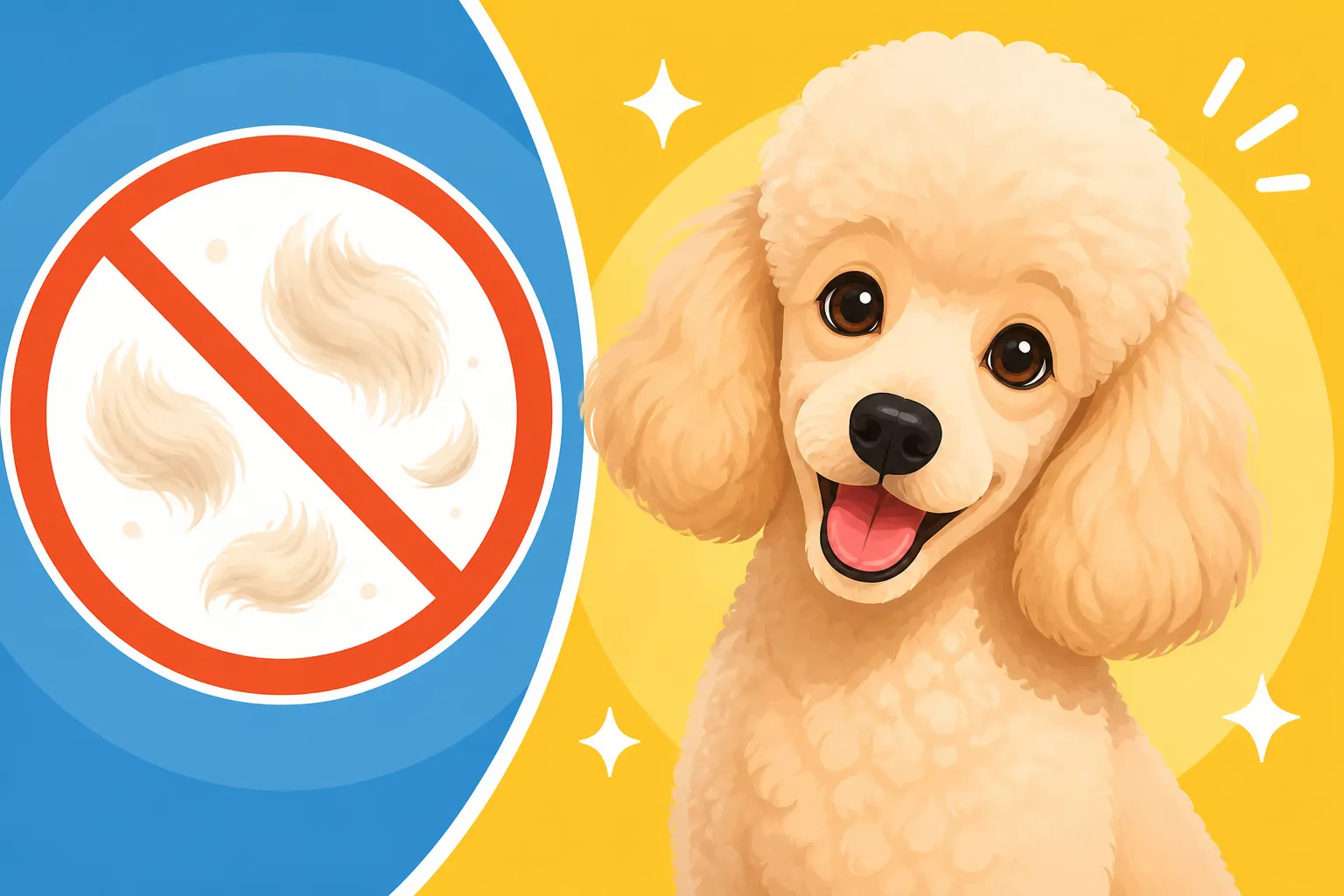
No dog, or any mammal for that matter, is truly zero shedding. Living cells, including hair follicles, have a lifespan, and old hair must eventually be replaced by new. So, when people say Poodles are "non-shedding," what they really mean is that Poodles don't visibly shed in the same way most other breeds do. You won't typically find clumps of Poodle hair accumulating in corners of your home or coating your dark clothes after a snuggle.
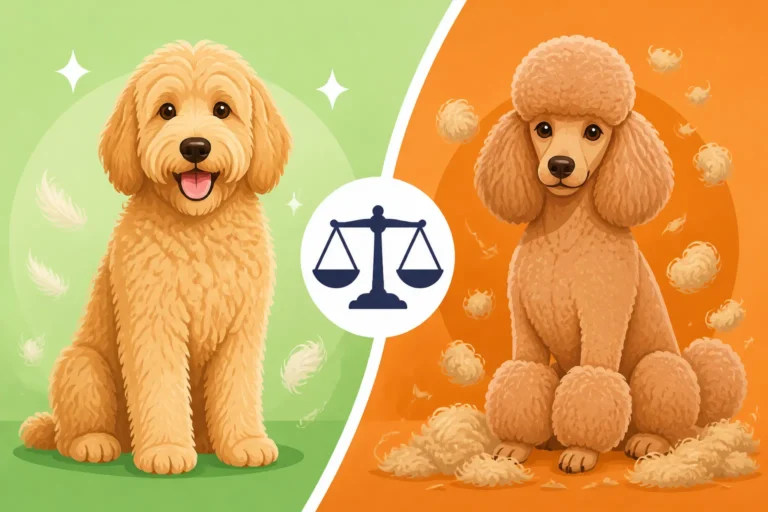
This lack of visible shedding is a huge draw for many, especially those who are particular about cleanliness or who have allergies. But it's crucial to understand that the shed hair is still there, it's just being held captive by the ingenious design of the Poodle's coat. This is Where Shed Poodle Hair Actually Goes – it stays on the dog until you brush it out. A realistic expectation is not "no shedding," but rather "minimal loose hair in the environment, provided proper grooming is maintained." If you slack on the grooming, that trapped hair will make its presence known in the form of mats, not loose strands on the carpet.
Managing the Trapped Hair: Grooming is Key
Because the shed hair doesn't fall out on its own, you become the primary shedding mechanism for your Poodle. Regular, thorough brushing is the cornerstone of Poodle ownership. This isn't just about aesthetics; it's vital for your dog's comfort and skin health. When you brush your Poodle, you are physically removing the dead, trapped hairs that would otherwise felt together and create mats.
Without this consistent intervention, those shed hairs will tangle tighter and tighter with the growing coat, pulling at the skin and causing discomfort, pain, and even skin infections beneath the matted fur. Imagine wearing a tight, tangled sweater that's constantly pulling at your skin – that's what a matted coat feels like to a Poodle. So, while you might not see hair tumbleweeds, you'll certainly see a brush full of hair if you're doing your job correctly. This proactive removal is why Poodles seem "non-shedding" – you're simply taking the shedding process into your own hands.
How Shedding (or Lack Thereof) Impacts Home Life
Beyond the grooming commitment, the Poodle's unique coat has several significant impacts on daily life, particularly for allergy sufferers and those who appreciate a cleaner home environment.
Allergy Sufferers and Poodles: Why They're a Good Match
One of the most compelling reasons people choose Poodles (and Poodle crosses, despite the unpredictable coat outcomes) is their reputation as being "hypoallergenic." Again, this isn't a perfect term, as no dog is 100% hypoallergenic. The main culprits for pet allergies are dander (microscopic flakes of skin), saliva, and urine, not necessarily the hair itself. However, shed hair acts as a carrier for dander, spreading it throughout the environment.
Because Poodles don't shed their hair extensively into the environment, they also don't spread as much dander. The dander, like the shed hair, tends to stay trapped within the coat. This significantly reduces the amount of airborne allergens, making Poodles much more tolerable for many people with mild to moderate dog allergies. It's why Whether a Poodle Suits an Allergy Sufferer is a frequently asked question, and for good reason. Many families who thought they could never have a dog find great success and companionship with a Poodle. However, it's always wise for severely allergic individuals to spend time with a Poodle before committing, to ensure they don't react.
Housekeeping Benefits: Less Hair on Furniture and Floors
Let's be honest, cleaning up dog hair can be a never-ending battle with many breeds. If you've ever owned a Golden Retriever or a German Shepherd, you know the struggle of finding hair on everything – your clothes, your couch, your carpet, and even in your food sometimes! With a properly groomed Poodle, this particular housekeeping chore is dramatically reduced.
While you'll be brushing your Poodle regularly, the trade-off is a much cleaner home. You won't need to vacuum daily just to keep the hair at bay, nor will you constantly be reaching for lint rollers. Your furniture will remain relatively hair-free, and your dark clothing will likely stay that way too. This means less time spent cleaning up after your dog and more time enjoying their company. It's a significant lifestyle benefit that often goes unstated but is deeply appreciated by Poodle owners. Just remember, this benefit is directly proportional to your grooming diligence. A matted Poodle might not leave hair on the couch, but it's not a happy Poodle either.
The Essential Grooming Routine to Prevent Matting
Understanding why Poodles don't appear to shed freely is only half the battle. The other, equally important half is implementing a consistent and effective grooming routine to manage that trapped hair and prevent the dreaded matting. This isn't optional; it's a fundamental part of Poodle care.
Brushing Techniques to Release Shed Hair
Regular brushing is paramount. For pet Poodles, aiming for 2-3 times a week is a good starting point, but daily brushing is ideal, especially if your Poodle has a longer coat or is going through their "coat change" from puppy fluff to adult hair. How Often a Poodle Must Be Brushed truly depends on coat length and texture. The key is not just to surface brush, but to brush to the skin.
The most effective method is called "line brushing." This involves parting the coat and brushing in small sections, from the skin out, layer by layer, until you've covered the entire dog. You'll need a good quality slicker brush and a metal greyhound comb. The slicker brush does the heavy lifting of separating the hairs and pulling out the trapped dead undercoat, while the comb is used to check your work, ensuring there are no tangles or mats remaining down to the skin. If the comb glides smoothly from root to tip, you've done a good job. If it catches, you need to go back with the slicker brush to work out the knot. Line Brushing a Poodle Explained in detail will show you how to do this properly. Without brushing all the way to the skin, you're essentially just smoothing the top layer, leaving mats to form underneath. This is Why Surface Brushing Leaves Poodle Mats. Investing in good quality brushes, perhaps from a trusted pet supply retailer like Chewy, makes a world of difference.
The Importance of Professional Grooming
While daily or weekly home brushing is crucial, it's usually not enough on its own. Poodles require professional grooming every 4-8 weeks, depending on their coat length and chosen style. A professional groomer has specialized tools, techniques, and the expertise to thoroughly bathe, dry, and clip your Poodle, removing all dead hair and preventing mats that you might have missed.
Bathing a Poodle effectively without professional tools can be challenging. Their dense coat can be difficult to wet through and even harder to dry completely, and air-drying a Poodle almost guarantees matting. Professional groomers use high-velocity dryers that blast the water out, straightening the hair as it dries, which is essential for preventing tangles and achieving a smooth, even clip. They can also perform intricate clips, clean out ears, trim nails, and spot potential skin issues. Even if you want to learn Clipping a Poodle at Home, you'll likely still benefit from professional maintenance grooms, perhaps every other cycle. Think of it as a collaboration: your daily efforts keep the coat manageable between full-service spa days. When choosing shampoos and conditioners, consider options specifically formulated for curly coats that you might find on Chewy or other specialty stores. These products can help make brushing easier and keep the coat healthy.
When Shedding Changes: What to Watch For
Even with consistent grooming, there are certain times in a Poodle's life when their coat might seem to change, or when you might notice what feels like an increase in shedding. It's important to understand these phases and know what's normal versus what might indicate a health issue.
The Adolescent Coat Change
Perhaps the most significant period for Poodle coat management is during adolescence, typically between 9-18 months of age, though it can vary. This is when your Poodle puppy's soft, easy-to-manage "baby" coat begins to transition into their denser, coarser adult coat. During this time, the new adult hair grows in alongside the puppy fluff, creating a potent recipe for matting. It's as if two different textures of hair are trying to occupy the same space, and the shed puppy hair gets incredibly tangled within the emerging adult coat.
This "coat change" period often feels like a sudden onset of extreme matting, and owners might mistakenly think their Poodle is shedding excessively or that their grooming routine has suddenly failed. In reality, it's a natural developmental phase that requires intensified grooming. You might need to brush daily, or even twice daily, to prevent mats from taking over. Many owners opt for a shorter clip during this time to make management easier. Missing this critical window can result in a heavily matted dog that requires a complete shave down, which is not fun for anyone. For resources on getting through this, look for advice on Chewy's blog or other grooming forums about adolescent coat care.
Health and Hormonal Influences on Coat Condition
While Poodles don't "blow coat" in the traditional sense, changes in their overall health, diet, or hormonal balance can absolutely affect the condition of their coat and how much hair they appear to lose. For example, poor nutrition can lead to dull, brittle hair that breaks more easily, resembling shedding. Skin allergies or infections can cause excessive scratching, which dislodges hair.
Hormonal imbalances, such as those related to thyroid issues (hypothyroidism is not uncommon in Poodles), can also result in coat thinning, a dry or greasy coat, and what seems like increased shedding. Even stress can impact coat health. If you notice a significant, unexplained change in your Poodle's coat – sudden patchiness, excessive dryness, unusual grease, or what feels like more loose hair than usual despite consistent grooming – it's always wise to consult your veterinarian. They can rule out underlying medical conditions and recommend dietary supplements or treatments if necessary. Thyroid Disease in Poodles can often manifest with coat changes, so it's a good thing to be aware of.
Conclusion
So, do Poodles shed? The definitive answer is: yes, all dogs shed hair, but Poodles manage it internally, thanks to their continuously growing, curly coat. This unique trait makes them exceptional companions for allergy sufferers and those who appreciate a cleaner home, but it comes with a non-negotiable responsibility: diligent and consistent grooming. By understanding the nature of their coat and committing to a regular brushing and professional grooming schedule, you can keep your Poodle comfortable, healthy, and looking their absolute best, while enjoying all the benefits of a truly special, "non-shedding" breed. Embrace the brush, and you'll embrace the Poodle life!
Disclaimer
This article is for general informational purposes only and does not constitute professional advice. Laws, prices and regulations vary by location and change over time. Consult a qualified professional for guidance on your specific situation.