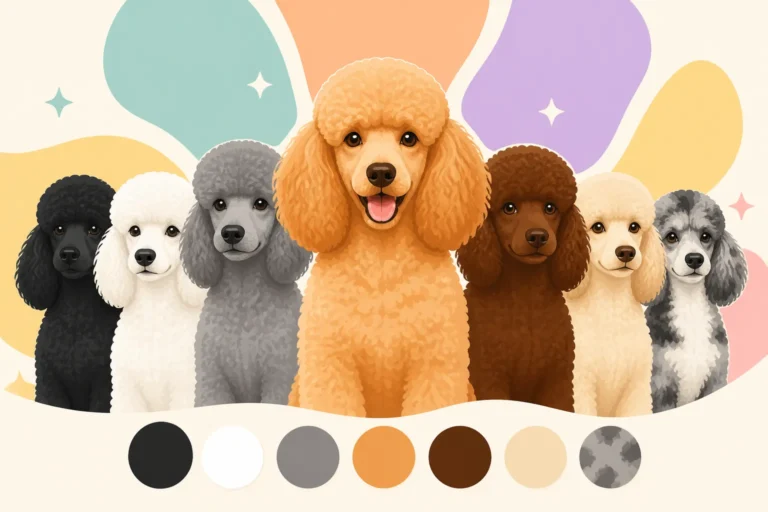
The Long Muzzle and Dark Poodle Eye
Many Poodle owners might gaze into their dog's intelligent eyes or admire their elegant profile without fully realizing the history and purpose behind these distinct features. It’s easy to dismiss a long muzzle and dark eyes as simply "how Poodles look," but these characteristics are steeped in the breed's working past and have significant implications for their health and function. This guide will explore the depth and importance of the Poodle's long muzzle and dark eyes, diving into their role in the breed standard, their connection to overall well-being, and what makes them such defining aspects of this beloved breed.
The Poodle's Distinctive Head: More Than Just Pretty
When you look at a Poodle, whether a tiny Toy or a regal Standard, their head has a certain aristocratic air. This isn't just about aesthetics; every line and proportion of a Poodle's head is designed for a purpose, reflecting their heritage as a sophisticated waterfowl retriever. The breed standard meticulously outlines these features, emphasizing not just beauty, but also function and intelligence.
The Head's Overall Balance and Refinement
A Poodle's head, when viewed in profile, should present a picture of balance and refinement. The skull, while elegant, is never coarse or heavy. Instead, it flows smoothly into a long, straight muzzle, giving the Poodle its characteristic dignified expression. This balance is crucial for a breed that was once tasked with retrieving birds from water, requiring a head that could efficiently carry prey without undue strain or resistance. A Poodle's head is a testament to careful breeding, combining grace with practical design.
Consider how the overall structure contributes to their keen perception. A Poodle's head allows for excellent sensory input, from their expressive eyes to their long, drop ears. It's not merely a "pretty face"; it’s a highly functional piece of their anatomy that enables them to excel in various roles, from companion to competitor. The Poodle the Standard Describes delves deeper into these specific requirements.
Why Head Features Matter for Health and Function
Beyond the show ring, the Poodle's head features play a vital role in their day-to-day health and abilities. A well-proportioned skull provides ample room for the brain, contributing to the breed's renowned intelligence and trainability. The placement of the eyes and ears allows for optimal hearing and vision, crucial for an active and alert dog. Deviations from the ideal can sometimes indicate underlying health issues or impact the dog's comfort and quality of life.
For instance, an overly short muzzle, though uncommon in purebred Poodles, could potentially lead to breathing difficulties, similar to brachycephalic breeds. Similarly, the correct eye set helps protect the eyes from injury and allows for a wide field of vision. These aren't just arbitrary traits; they are essential components of a healthy, functioning Poodle.
Unpacking the Poodle's Long Muzzle: Form and Function
The Poodle's long, straight muzzle is perhaps one of its most defining characteristics, setting it apart from many other breeds. It’s not just for looks; this elongated snout is a masterpiece of evolution, perfectly adapted for the tasks the Poodle was bred to perform.
The Muzzle's Ideal Length and Shape
The Poodle standard calls for a muzzle that is long, straight, and fine, yet strong enough to do its job. It should be proportionate to the skull, neither too short nor excessively long to appear out of balance. Imagine a long, elegant cone, tapering slightly but not to a sharp point, with a defined stop where it meets the forehead. This structure allows for a strong bite and efficient breathing, both critical for a dog engaged in retrieving.
A Poodle's muzzle is a prime example of form meeting function. The length provides ample surface area for scent receptors, making them excellent at tracking and nose work, while the strong jaw ensures a firm yet gentle grip on retrieved items. What the Standard Says About Poodle Proportion offers more insights into how these features fit into the overall Poodle physique.
How the Muzzle Served the Water Retriever
Historically, the Poodle's long muzzle was an indispensable tool for its role as a water retriever. Imagine a Poodle plunging into icy water to retrieve a downed duck. A long muzzle allows for several advantages:
- Optimal Grip: A longer jaw provides a better, more secure grip on a bird without damaging it. A Poodle could carry a heavy waterfowl over distances, its jaws designed for both strength and a soft mouth.
- Breathing Efficiency: While swimming and carrying, a long muzzle allows for efficient breathing. The nostrils are well-placed, and the longer nasal passages help warm and filter air before it reaches the lungs.
- Scenting Ability: For finding downed game, a superior sense of smell is paramount. A longer muzzle means more space for the olfactory glands, enhancing their ability to track scents, even in challenging environments like wetlands. This natural retrieving instinct is a hallmark of the breed, as discussed in The Water Dog Behind the Poodle.
Oral Health Considerations for Long-Muzzled Poodles
While the long muzzle is a functional asset, it also comes with specific considerations for oral health. Poodles, particularly the smaller varieties, are prone to dental issues. The fine bone structure of their jaws means that teeth can sometimes be crowded, leading to plaque and tartar buildup if not properly cared for. Regularly checking their teeth and gums is essential, and daily brushing is highly recommended. You can find a wide range of dental chews and toothbrushes on platforms like Chewy to help maintain their oral hygiene.
Even with their longer muzzles, the precise alignment and spacing of teeth are crucial. Overcrowding can lead to food particles getting trapped, increasing the risk of periodontal disease. This is a common concern across all Poodle sizes, and neglecting it can lead to pain, infection, and tooth loss. Poodle Dental Disease by Size provides a detailed look at this important health aspect.
The Poodle's Dark, Expressive Eyes: A Window to Their Soul
The Poodle's eyes are often described as dark, intelligent, and full of expression. They are not merely for seeing; they convey the breed's keen intellect, sensitivity, and deep bond with their human companions.
The Ideal Eye Color, Shape, and Placement
The breed standard is very particular about Poodle eyes: they should be very dark, preferably black or dark brown, with an intelligent and alert expression. Lighter eyes are considered a fault. The shape should be almond-shaped, not round, and set neither too far apart nor too close together. The rim of the eye should be black. These characteristics contribute to the Poodle's intense, penetrating gaze, which can seem to look right through you.
The darkness of the eye provides a contrast with the often lighter colored face, drawing attention to their intelligent expression. This depth of color also serves a practical purpose, helping to reduce glare in bright conditions, an advantage for a dog working outdoors.
Conveying Poodle Intelligence and Emotion
Poodles are celebrated for their intelligence, often ranking among the smartest breeds, and much of this intellect shines through their eyes. Their ability to read human emotions and respond with empathy is truly remarkable. A Poodle's eyes can convey joy, curiosity, concern, or even a hint of mischief. It's this expressive quality that fosters such a strong connection between Poodles and their families, making them feel like true partners in communication. Many Poodle owners will tell you their dog's eyes speak volumes, often understanding commands or intentions before a word is even uttered. The Poodle Character explores this sensitivity further.
When your Poodle tilts its head and looks at you with those deep, dark eyes, it’s not just a cute gesture; it’s a clear sign of engagement and active processing. They are observing, learning, and interacting with their world through a highly developed visual and emotional intelligence.
Protecting Poodle Eye Health
While beautiful, Poodle eyes require careful attention to remain healthy. Common issues can include tear staining, especially in lighter-colored Poodles, where tears can leave reddish-brown marks beneath the eyes. Regular cleaning with a damp cloth or specialized eye-wash solution is often necessary to keep the area clean and prevent irritation. Products available on Chewy can be helpful for this routine care.
More serious concerns include inherited conditions such as Progressive Retinal Atrophy (PRA), which can lead to blindness. Reputable breeders will conduct genetic testing to screen for such conditions, helping to ensure the long-term eye health of their puppies. Inherited Blindness in Poodles offers critical information on this topic. Regular veterinary check-ups, including eye exams, are vital throughout a Poodle's life, as detailed in Poodle Eyes, Ears and Nails. Catching any issues early can make a significant difference in managing or treating them.
How the Muzzle and Eyes Relate to the Poodle Standard
The breed standard for Poodles, set by organizations like the American Kennel Club (AKC), is a blueprint for the ideal Poodle. It describes not just what the dog should look like, but implicitly, what qualities it should possess. The muzzle and eyes are central to this standard, dictating both the aesthetic appeal and functional integrity of the breed.
Judging the Poodle's Head in Conformation
In the world of dog shows, the Poodle's head is critically evaluated. Judges look for the precise balance, length, and expression described in the standard. A long, straight muzzle that flows smoothly from the skull, combined with dark, almond-shaped eyes, creates the quintessential Poodle look. Any deviation, such as a snipey muzzle (too pointed), a dish face (concave), or round, light-colored eyes, can be considered a fault. The goal is a harmonious head that demonstrates intelligence, elegance, and the ability to perform its original duties.
The judge isn't just checking off boxes; they are looking for the essence of the Poodle. Does the head exude the aristocratic yet alert nature of the breed? Does it appear robust enough for work, yet refined enough for companionship? What a Ring Judge Checks on a Poodle provides further detail on these criteria.
The Purpose Behind Strict Standards for These Features
The strict standards for the Poodle's muzzle and eyes aren't arbitrary. They serve to preserve the breed's distinct characteristics and functional health. For instance, maintaining a proper muzzle length helps ensure good respiratory health and an effective bite. Insisting on dark, almond-shaped eyes helps protect vision and minimizes the likelihood of genetic eye conditions that are often linked to abnormal eye structure or color.
These standards are a safeguard against trends that might prioritize exaggerated features over health and function. They ensure that the Poodle remains true to its heritage as a robust, intelligent, and capable dog, rather than becoming merely a decorative companion.
Common Variations and What They Might Indicate
While the breed standard sets an ideal, variations naturally occur. Understanding these common differences in muzzle and eye features can help owners appreciate their Poodle's uniqueness and identify potential health considerations.
Muzzle Variations and Their Implications
Sometimes, a Poodle might have a muzzle that is slightly shorter or less refined than the ideal. While usually not a major health concern, a muzzle that is significantly too short or too broad could subtly affect breathing or dental alignment. A "snipey" muzzle, which is too narrow and pointed, might suggest a weaker jaw structure, potentially impacting their ability to carry objects comfortably. These variations are often a result of genetic inheritance, and a responsible breeder will strive to produce Poodles as close to the standard as possible.
These minor variations are often just cosmetic, but it’s always good to be aware. If you notice any signs of discomfort, difficulty breathing, or problems eating, a vet visit is always recommended. This helps to differentiate between a harmless variation and an actual health issue.
Eye Color and Shape Deviations
Occasionally, a Poodle might have lighter colored eyes, sometimes described as "amber" or "yellow," which is considered a fault in the show ring. While not a health issue in itself, lighter eyes can sometimes be associated with dilution genes that also affect coat color. Another common deviation is a rounder eye shape, or eyes that appear watery or prone to tearing, which can contribute to Tear Staining Around a Poodle's Eyes.
While not life-threatening, these variations can impact the Poodle's overall expression and sometimes indicate a predisposition to certain irritations. For instance, very round eyes can expose more of the eye surface, potentially making them more susceptible to dust or irritants. Regular checks and appropriate cleaning can help manage these minor issues.
When to Consult Your Vet About Muzzle or Eye Concerns
It's crucial to know when a variation crosses the line from a cosmetic deviation to a potential health concern. If you observe any of the following, a trip to the vet is in order:
- Muzzle Concerns: Chronic nasal discharge, persistent loud breathing, difficulty chewing, excessive drooling, or signs of dental pain.
- Eye Concerns: Excessive tearing (beyond typical tear staining), redness, swelling, discharge (especially if yellow or green), cloudiness, squinting, rubbing at the eyes, or any sudden changes in vision.
These could be signs of infections, allergies, injuries, or more serious underlying conditions that require professional attention. Early intervention can prevent minor issues from becoming major problems, ensuring your beloved Poodle remains happy and healthy.
| Feature | Ideal Poodle Standard | Common Variations & Implications |
|---|---|---|
| Muzzle | Long, straight, fine but strong, proportionate to skull | Slightly shorter/broader: Usually cosmetic, but rarely can impact breathing/dental alignment. "Snipey" (too narrow/pointed): Weaker jaw, less effective grip. |
| Eye Color | Very dark (black or dark brown) | Lighter (amber/yellow): Cosmetic fault, can be linked to coat color dilution genes. No direct health risk from color alone. |
| Eye Shape | Almond-shaped, alert expression | Rounder shape: Cosmetic, may expose more eye surface to irritants. Excessive tearing: Can lead to tear staining, may indicate irritation or blocked tear ducts. |
| Eye Set | Set neither too far apart nor too close together | Too close/far apart: Cosmetic, impacts overall head balance. |
Disclaimer
This article is for general informational purposes only and does not constitute professional advice. Laws, prices and regulations vary by location and change over time. Consult a qualified professional for guidance on your specific situation.