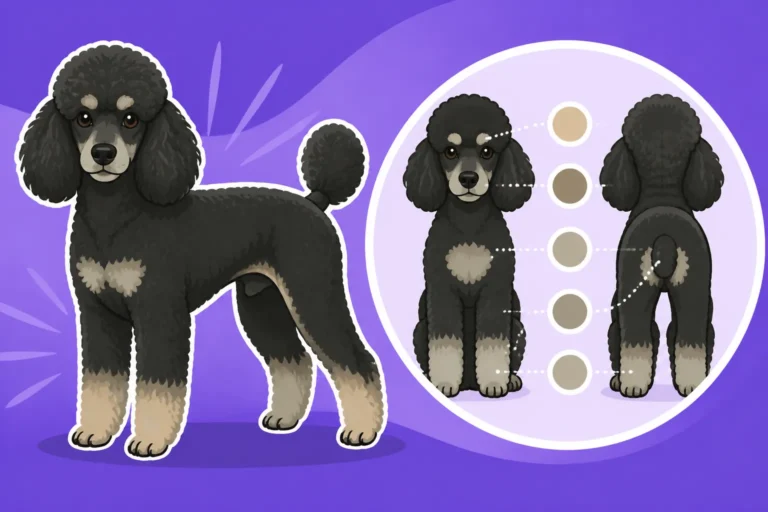
Poodle Ear Set and Length
Those beautiful, expressive Poodle ears are one of their most distinguishing features, framing their intelligent faces perfectly. However, what looks like sheer elegance is also a unique anatomical trait that comes with its own set of care considerations and, let's be honest, frustrations for us Poodle parents! It's not just about aesthetics; the specific way a Poodle's ear sits on their head and its length plays a significant role in their health and the daily grooming routine. This guide will walk you through the details of the Poodle ear set and length, delving into what the breed standard looks for and, more importantly, how these characteristics impact your Poodle's well-being and daily care.
Understanding the Poodle Ear Standard
When we talk about a Poodle's ears, we're discussing more than just a floppy appendage. There's a specific ideal that has been established over generations to define the breed's characteristic look and ensure proper function. Understanding this standard helps us appreciate the Poodle's unique elegance while also recognizing why certain aspects of their ear structure require particular attention.
The Ideal Ear Set
The "ear set" refers to where the ears attach to the Poodle's head. For Poodles, the breed standard describes ears that are set low, ideally at or slightly below eye level. They should lie close to the head, draping down gracefully. Imagine a smooth line extending from the corner of the eye, past the outer corner of the skull, and into the ear's attachment point – that's roughly where you want them to be.
This low set is crucial for the breed's classic, intelligent expression. Ears that are set too high can give a Poodle a more "alert" or even terrier-like appearance, which deviates from their gentle, refined look. On the flip side, ears set too low can sometimes make a Poodle look a bit heavy-headed or perpetually sad, though this is less common. When a Poodle is being evaluated in a conformation ring, a judge will meticulously assess how the ears complement the overall head shape and skull, looking for balance and adherence to this ideal. It's all about how those ears frame that noble Poodle head, contributing to the overall picture of elegance and breed type. The way the ears lay close to the head also prevents them from "flying out" when the dog is moving or excited, maintaining that sleek profile.
Acceptable Ear Length and Thickness
Beyond where they sit, the actual length and substance of the ear leather (the fleshy part of the ear flap, distinct from the hair) are also important. The standard dictates that a Poodle's ear leather should be long enough that when you gently stretch it forward, it reaches the corner of the eye or even slightly beyond. For a Standard Poodle, this means quite a substantial ear flap, and even Toy Poodles have proportionally long ears for their smaller head size. This length adds to the elegant drape and the characteristic framing of the face.
The ear leather should also have a good thickness or "substance" to it. We don't want paper-thin ears; a thicker ear flap suggests good bone and overall health. Finally, the ears should be generously covered with the Poodle's signature dense, curly coat. This abundant hair adds to the perceived length and thickness of the ears, contributing to their luxurious appearance. While a slight variation in length might be acceptable, an ear that's clearly too short, barely reaching the eye, would be considered a fault in a show Poodle. On the other hand, excessively long ears, while perhaps visually striking, can sometimes present practical challenges, as we'll discuss next. Puppy ears often seem disproportionately long on their small heads, but they usually grow into them as their head develops.
Why Ear Set and Length Matter Beyond Looks
While the Poodle's ear set and length are defining aesthetic characteristics, their practical implications for your dog's health and daily care are perhaps even more significant. Those beautiful, floppy ears, combined with the breed's dense hair, create a unique environment that can lead to specific health and grooming challenges.
Impact on Health and Hygiene
The very features that make Poodle ears so charming – their length, floppiness, and the abundant hair that covers them – also conspire to create a problematic microclimate. These drop ears effectively seal off the ear canal, restricting airflow significantly. Inside, it's warm, dark, and often humid, especially if your Poodle loves to swim or if you live in a moist climate. This combination is, unfortunately, a perfect breeding ground for opportunistic yeast and bacteria. You see, these organisms thrive in such conditions, and a lack of proper air circulation prevents the ear canal from drying out naturally. This is why Poodles are notoriously prone to Ear Infections Under a Poodle's Drop Ears.
Beyond the lack of airflow, the dense hair that grows inside the ear canal can further complicate matters. This hair acts like a tiny net, trapping wax, debris, and moisture, making it even harder for the ear to stay clean and dry. Many owners and veterinarians debate the practice of Plucking Hair From a Poodle's Ear Canal, but the intention behind it is to improve air circulation and reduce trapped material. If an infection does take hold and is left untreated, the constant scratching and violent head shaking your Poodle might do can lead to aural hematomas – painful blood blisters on the ear flap that often require surgical intervention. Furthermore, the length of the ears means they are more likely to drag through food bowls, water dishes, and even on the ground during walks, picking up dirt, pollen, and even foreign bodies like grass awns, all of which can migrate into the ear canal and cause irritation or infection.
Grooming Challenges Related to Ear Structure
If you've ever owned a Poodle, you know that their coat is a full-time commitment, and the ears are no exception – in fact, they're often a focal point of grooming frustration. The sheer length and density of the hair on the ear leather make matting an almost constant threat. These aren't just minor tangles; the hair behind and on the underside of the ears can mat into tight, painful knots if not diligently brushed. These mats are incredibly adept at hiding, often only discovered when they've become severe.
Regular, thorough brushing, extending far beyond the body to include every inch of the ear, is absolutely critical. This isn't a quick once-over. You need to line brush all the way down to the skin, just as you would on the rest of the coat. Using a good detangling spray, perhaps from a brand like Chewy which offers a wide array of grooming products, can significantly ease this process and minimize discomfort for your Poodle. For show Poodles, handlers often "band" the ear hair along with the topknot, meticulously wrapping sections of hair to protect its length and prevent breakage. This practice, while extreme for a pet Poodle, truly illustrates the immense volume and delicate nature of that ear hair. Ignoring these grooming needs doesn't just result in a scruffy-looking Poodle; heavy mats can cause severe skin irritation, open sores, and even pull painfully on the ear leather, making your dog miserable. When a Poodle arrives at the professional groomer with severely matted ears, it often requires a full shave-down of the ear hair, not just for aesthetics but to relieve pain and prevent further skin damage. This can add significant time and cost to the grooming session.
Living with Poodle Ears: Care and Common Issues
Understanding the Poodle's ear structure is only half the battle; the other half is implementing a consistent and effective care routine to prevent problems before they start. While Poodle ears are beautiful, they demand diligence from their owners.
Routine Cleaning and Maintenance
Daily visual checks of your Poodle's ears should become second nature. Just a quick lift of the ear flap to peek inside can tell you a lot. Look for any redness, swelling, unusual discharge (like yellow, brown, or black gunk), or any foul odor. These are all red flags that something might be amiss. On a weekly basis, a more thorough cleaning is in order. You'll want to use a veterinarian-approved ear cleaner – never just water or alcohol, as these can be irritating or ineffective. Gently lift the ear flap, apply a small amount of cleaner into the visible part of the ear canal (following your vet's instructions), and then massage the base of the ear for about 30 seconds. You'll hear a squishy sound, which means the cleaner is doing its job. After massaging, use a soft cotton ball or gauze to wipe away any loosened debris from the visible folds and creases of the ear. Crucially, never insert cotton swabs or anything else deep into the ear canal, as this can push debris further in or even damage delicate structures.
The topic of ear hair plucking is one that often sparks debate among Poodle owners and professionals. Some vets and groomers recommend judiciously plucking hair from the ear canal to improve airflow and reduce the accumulation of wax and debris, thereby reducing the risk of infection. Others caution against it, arguing that plucking can cause micro-trauma and inflammation, actually increasing the likelihood of infection. If you do opt for plucking, it should always be done gently and carefully, ideally by a professional or under strict veterinary guidance. It's true that How Often a Plucked Poodle Ear Still Infects can vary greatly depending on the individual dog's physiology, climate, and overall ear health. Perhaps the most critical maintenance step, however, is drying the ears thoroughly after any bath or swim. Moisture trapped deep within the ear canal is an invitation for trouble. Use cotton balls to gently absorb water from the accessible parts of the ear, and for dogs prone to infections, a post-swim ear-drying solution can be beneficial. Some owners even use soft, breathable snoods (fabric covers) to keep their Poodle's long ear hair out of food and water bowls, which can be found on sites like Chewy, thereby minimizing constant wetting and soiling.
Addressing Common Ear-Related Problems
Despite your best efforts, Poodles can still develop ear problems because of their predisposed anatomy. Recognizing the signs early and seeking prompt veterinary care is key to preventing minor issues from becoming major ones.
Infections: As mentioned, these are incredibly common. Watch out for increased head shaking, persistent scratching at the ears (or rubbing them on furniture), a change in discharge color or consistency, a foul odor emanating from the ear, redness or swelling of the ear canal, or your Poodle showing pain when their ears are touched. While you might be tempted to try home remedies, it's vital to get a vet's diagnosis. They can identify whether it's bacterial, yeast, or both, and prescribe the correct medication. Untreated infections will only get worse, causing more pain and potentially leading to chronic issues.
Allergies: Poodles are quite susceptible to Poodle Allergies and Skin Reactions, and the ears are often one of the first places these manifest. If your Poodle has chronically itchy or inflamed ears without obvious signs of infection, allergies might be the culprit. This can be environmental (pollen, dust mites) or food-related. Your vet might suggest an elimination diet or allergy testing to pinpoint the allergen and recommend appropriate management strategies, which could include specific ear drops, dietary changes, or even allergy shots.
Ear Mites: While less common in well-cared-for indoor Poodles, ear mites can still occur. The classic sign is a dark, crumbly discharge that looks like coffee grounds, accompanied by intense itching and head shaking. These microscopic parasites are highly contagious and require specific veterinary-prescribed medication to eradicate them effectively.
Foreign Bodies: During walks in tall grass or wooded areas, bits of plant material like grass awns or burrs can easily find their way into a Poodle's long, floppy ears and then migrate down the canal. This often causes sudden, acute pain, head tilting, rubbing, and pawing at the ear. A vet visit is crucial for safe removal, as attempting to remove it yourself can push it deeper or cause injury.
Preventive measures, beyond routine cleaning, are your best defense. If your Poodle is prone to recurrent infections, your vet might recommend a prophylactic ear cleaner or drying solution to use periodically, especially during humid weather or after swimming. Maintaining a meticulously clean and dry ear environment, coupled with vigilant observation, will go a long way in keeping your Poodle's beautiful ears healthy and comfortable throughout their life.
| Feature | Breed Standard Ideal | Practical Living Considerations |
|---|---|---|
| Ear Set | At or slightly below eye level, close to the head. | Deviations can alter expression; generally less prone to physical issues related to set. |
| Ear Length | Leather reaches corner of eye or slightly beyond. | Longer ears: higher risk of dragging in food/water, picking up debris, matting. |
| Ear Thickness | Fairly thick, indicating substance. | Thicker ears might retain more heat/moisture; thin ears can be more fragile. |
| Hair Covering | Well-covered with dense Poodle curl. | Dense hair increases warmth/moisture, raising infection risk; requires extensive grooming. |
| Maintenance | Regular inspection and cleaning are non-negotiable. | Daily checks, weekly cleaning, careful drying, and thorough brushing are vital. |
Disclaimer
This article is for general informational purposes only and does not constitute professional advice. Laws, prices and regulations vary by location and change over time. Consult a qualified professional for guidance on your specific situation.