Whether a Standard Poodle Should Have a Gastropexy
For many Standard Poodle owners, the fear of bloat, or Gastric Dilatation-Volvulus (GDV), is a constant, gnawing worry. This sudden and severe condition, where the stomach fills with gas and can twist, is agonizingly painful, rapidly life-threatening, and often strikes without much warning. Deciding whether to pursue a prophylactic gastropexy for your Poodle is a heavy decision, fraught with questions about risk, cost, and the best way to protect your cherished companion. This guide aims to thoroughly explore the complexities of GDV and the option of gastropexy, helping you navigate this critical choice with confidence.
Understanding Gastric Dilatation-Volvulus in Standard Poodles
The term "bloat" often gets thrown around, but for Poodle owners, it signifies a specific, terrifying medical emergency: Gastric Dilatation-Volvulus (GDV). It’s not just an upset stomach; it’s a race against the clock that can turn fatal within hours. Standard Poodles are disproportionately affected by this condition, making it a critical health consideration for anyone who shares their life with these magnificent dogs.
The Mechanics of Bloat: A Deadly Twist
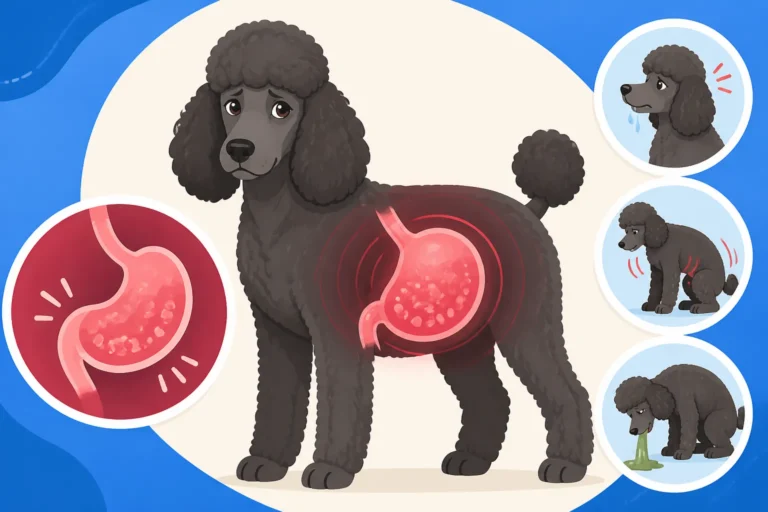
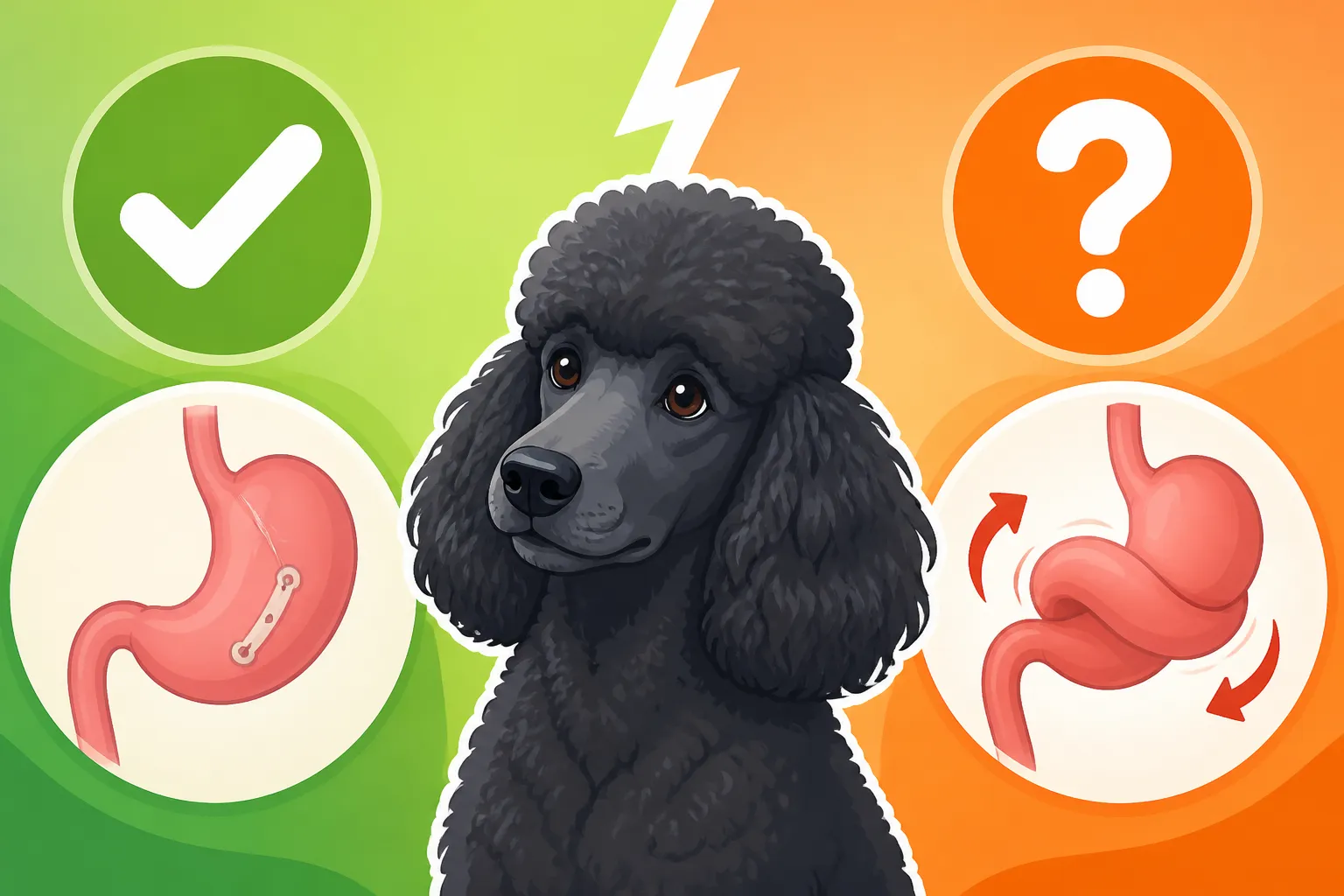
Imagine your dog's stomach. In GDV, it first distends dramatically with gas, fluid, or food – a state known as gastric dilatation. This in itself is uncomfortable and can restrict blood flow. But the true danger, the "volvulus" part, occurs when that distended stomach then twists on its axis. This twisting cuts off both the entrance and exit of the stomach, trapping its contents and gas. Crucially, it also kinks the major blood vessels supplying the stomach and, horrifyingly, the spleen, leading to rapid tissue death. The blood supply to the heart is compromised, sending the dog into shock. The internal pressure can also make it difficult for your Poodle to breathe normally.
This isn't a slow-burn illness; it's an acute crisis. Once the stomach twists, every minute counts. The pain is immense, the shock profound, and without immediate veterinary intervention, the outcome is almost certainly death. It’s the kind of emergency that can turn a perfectly normal evening into a frantic dash to the animal hospital, leaving owners feeling helpless and terrified.
Why Standard Poodles Are So Susceptible
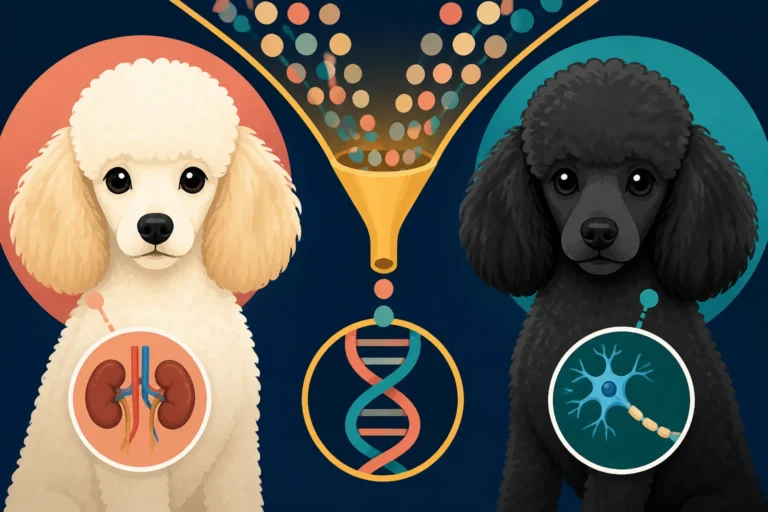
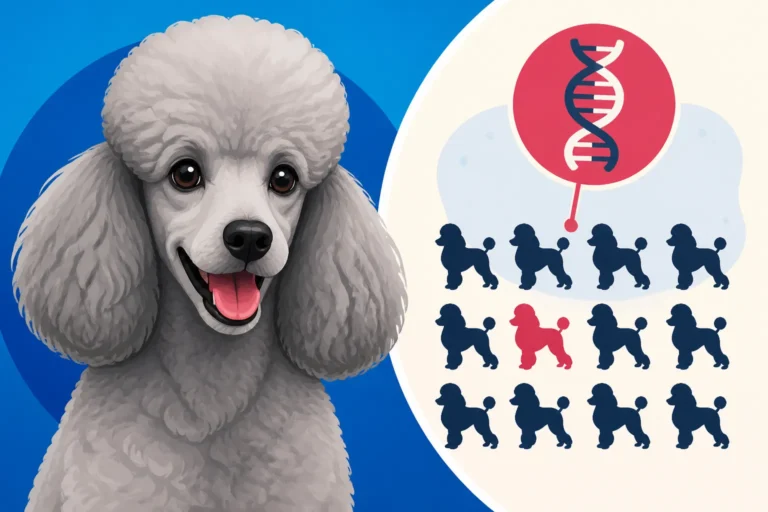
It often feels unfair that such a wonderful breed should carry such a devastating genetic burden. Standard Poodles, along with other large, deep-chested breeds like Great Danes, Weimaraners, and German Shepherds, are simply predisposed to GDV. Their unique anatomy plays a significant role; a deep, narrow chest cavity allows more room for the stomach to distend and twist freely. It’s a design flaw, if you will, that no amount of careful breeding has managed to completely eliminate, despite breeders' best efforts.
Beyond anatomy, other factors are believed to increase the risk. Genetics certainly play a part, suggesting that certain bloodlines may be more prone to the condition. Rapid eating, eating one large meal a day, drinking large amounts of water immediately after eating, and even stress or exercise close to meal times are all often cited as potential triggers. While these aren't definitive causes for every single case, they contribute to the perfect storm where a Standard Poodle's stomach, given its particular shape and placement, is just more vulnerable. You might find it helpful to explore more about the specific "Gastric Torsion Risk in a Standard Poodle" to understand these factors in greater detail.
The Terrifying Symptoms and Emergency Nature
Recognizing the signs of bloat in its early stages is absolutely critical, as time is of the essence. The symptoms can come on quickly and escalate rapidly. You might notice your Poodle becoming restless, pacing, and unable to get comfortable. They might drool excessively or try repeatedly to vomit, bringing up nothing but foamy saliva – this unproductive retching is a hallmark sign and one of the most distressing to witness. As the condition progresses, their abdomen will often become visibly distended and feel hard to the touch, particularly on the left side, though this isn't always immediately obvious, especially under a thick Poodle coat. They might whine, pant heavily, or show signs of acute pain when their belly is touched. Their gums might appear pale, and their breathing could become shallow and rapid.
If you suspect bloat, do not wait to see if it improves. This is not a situation for "watch and wait." Every minute counts. Get your Poodle to an emergency veterinary clinic immediately. There’s a crucial hour that often decides the outcome of a bloating Poodle, and delays can dramatically reduce survival rates. Familiarizing yourself with all the "Emergency Signs of Poodle Bloat" can quite literally save your dog's life.
What is a Prophylactic Gastropexy?
Given the terrifying nature of bloat, many Poodle owners seek preventative measures. This is where a prophylactic gastropexy comes into the picture. It’s a surgical procedure designed to prevent the deadliest aspect of GDV – the stomach twisting.
The Surgical Procedure Explained
A prophylactic gastropexy, often simply called a "pexy," is a surgical procedure where a portion of the stomach wall is permanently attached, or "tacked," to the inside of the abdominal wall. Think of it like stitching a specific part of the stomach lining to the body wall. This attachment prevents the stomach from rotating or twisting on itself, which is the "volvulus" part of GDV that leads to such devastating consequences.
It's important to understand that a gastropexy does not prevent the stomach from dilating (filling with gas). A dog that has had a gastropexy can still bloat, meaning their stomach can still fill with gas, causing discomfort and requiring veterinary attention. However, because the stomach is anchored, it cannot twist, and it's the twist that is rapidly fatal. In essence, the pexy transforms a potentially lethal emergency into a serious but usually manageable condition, allowing gas to be relieved without the catastrophic loss of blood supply.
Minimally Invasive vs. Open Surgery
There are generally two main approaches to performing a gastropexy:
- Open Abdominal Surgery: This is the traditional method, requiring a larger incision into the abdomen. The veterinarian manually identifies the stomach and abdominal wall and sutures them together. It's a very effective method, but the larger incision means a longer recovery time, more pain post-operatively, and a higher risk of complications like infection compared to less invasive options. However, it's often the only option in emergency situations where the stomach is already twisted and distended, and sometimes the preferred method if other abdominal procedures are being performed simultaneously.
- Laparoscopic (Minimally Invasive) Surgery: This technique uses small incisions, a camera (laparoscope), and specialized instruments to perform the procedure. The surgeon operates by viewing the internal organs on a monitor. Laparoscopic gastropexy is generally associated with less pain, smaller incisions, and a quicker recovery time for your Poodle. Many veterinary specialty clinics now offer this as the preferred prophylactic method. In some cases, a hybrid approach called a "laparoscopic-assisted gastropexy" might be used, combining elements of both to optimize safety and recovery. This minimally invasive option is often chosen for planned prophylactic surgeries.
The choice between these methods depends on your veterinarian's expertise, the available equipment, and your Poodle's individual health status. It’s always worth discussing all available options with your vet.
When is the Best Time for the Procedure?
For Standard Poodles, a prophylactic gastropexy is often performed at the same time as another planned abdominal surgery, most commonly spaying or neutering. This timing is strategic for several reasons. First, the dog is already under general anesthesia, reducing the number of times they need to be anesthetized throughout their life. Second, dogs are typically younger and healthier when spayed or neutered, making them better candidates for surgery and potentially reducing anesthetic risks.
Most veterinarians recommend performing the gastropexy when the Poodle is young, usually between 6 months and 2 years of age. For female Standard Poodles, spaying typically occurs around 6-12 months, and for males, neutering can be slightly later, sometimes up to 18-24 months, particularly for larger breeds where some wait for full growth plate closure. Synchronizing the gastropexy with these procedures means one recovery period instead of two. However, it's never too late to consider the procedure for an adult Poodle, though the benefits of preventing a first bloat episode might be slightly reduced if the Poodle is older. Discussing "Desexing Timing Across the Three Poodle Sizes" with your vet will help you understand the optimal window for your individual dog.
Weighing the Pros and Cons of Gastropexy
Deciding on an elective surgery for your beloved Poodle is never easy. It requires a careful evaluation of the potential benefits against the inherent risks. For Standard Poodle owners, the decision regarding a gastropexy often feels like a moral dilemma, weighing an invasive procedure against the chilling prospect of a life-threatening emergency.
The Undeniable Benefits
The primary, and most compelling, benefit of a prophylactic gastropexy is the dramatic reduction in the risk of fatal GDV. While it doesn't entirely prevent the stomach from distending with gas (bloating), it does prevent the stomach from twisting, which is the immediate life-threatening component. This is a huge distinction. If a dog with a gastropexy experiences bloat, it's still an emergency, but typically allows more time for treatment and carries a significantly higher survival rate because the blood supply isn't cut off.
This protection translates directly into immense peace of mind for owners. The constant worry about bloat can be emotionally draining. Knowing your Poodle has undergone a gastropexy can alleviate a significant portion of that anxiety, allowing you to enjoy your dog without the lingering fear of that sudden, terrible emergency. Furthermore, in the unfortunate event that your Poodle does experience bloat (dilation without volvulus), the emergency care required is often less intensive and less expensive than the full, complex surgery needed to correct a twisted stomach, which can include repairing damaged tissue and even spleen removal.
Potential Risks and Concerns
Like any surgical procedure, a gastropexy isn't without its risks. The most immediate concern is always the general anesthetic. While modern veterinary anesthesia protocols are very safe, there's always a small risk of adverse reactions, especially in dogs with underlying health conditions. Your vet will conduct pre-anesthetic blood work and a thorough physical exam to minimize these risks.
Beyond anesthesia, there are surgical complications. These can include infection at the incision site, bleeding, or the extremely rare possibility of the pexy not holding, requiring repeat surgery. Post-operative pain, though managed with medication, is also a consideration. While these risks are generally low, they are real and must be weighed against the significant danger of GDV itself. The procedure also incurs a cost, which can be substantial, depending on your location and the surgical method chosen. We’ll delve into "Gastropexy Surgery Costs for a Standard Poodle" later, but it’s a valid concern for many families.
Impact on Quality of Life and Future Care
For the vast majority of Poodles, a prophylactic gastropexy has no negative impact on their quality of life. Once they've recovered from the surgery, they go on to live completely normal, active lives. There are no special dietary restrictions or activity limitations required specifically because of the gastropexy. Their digestion is unaffected, and they can eat, drink, and play just as they would have without the procedure.
In terms of future care, the main difference is that you can breathe a little easier. You'll still want to be vigilant for any signs of discomfort or abdominal distension, as a dog with a gastropexy can still experience bloat (dilation) and needs prompt veterinary attention if those symptoms appear. However, the critical window for emergency intervention is often extended, and the prognosis is significantly better. It allows vets to address the gas buildup without the added complication of a twisted stomach, which is the truly deadly part.
This table provides a snapshot of the key differences:
| Feature | Prophylactic Gastropexy | Emergency GDV Treatment (with Volvulus) |
|---|---|---|
| Purpose | Prevents stomach twisting | Corrects twisted stomach, saves life |
| Timing | Elective, often with spay/neuter | Urgent, life-or-death emergency |
| Invasiveness | Often laparoscopic (smaller cuts) | Open abdominal surgery (larger incision) |
| Anesthesia Risk | Lower (planned, healthy patient) | Higher (patient in shock, unstable) |
| Recovery Time | Shorter (days to a week) | Longer (weeks, intensive care) |
| Cost | Planned, generally lower | Unpredictably high, emergency surcharges |
| Outcome | Prevents fatality from twisting | High mortality rate (25-40% even with surgery) |
| Peace of Mind | Significant | Overwhelming stress and trauma |
Cost Considerations and Financial Planning
The financial aspect of pet care is always a significant factor, and an elective surgery like a gastropexy, or worse, an emergency bloat surgery, can represent a substantial expense. Being prepared and understanding the costs involved is crucial for any Poodle owner.
Breaking Down the Expenses
The cost of a prophylactic gastropexy can vary widely depending on several factors:
- Location: Veterinary costs tend to be higher in major metropolitan areas (e.g., Los Angeles, New York City) compared to rural or less expensive regions.
- Type of Clinic: Specialty veterinary hospitals with board-certified surgeons and advanced equipment (like laparoscopic capabilities) typically charge more than general practice veterinary clinics.
- Surgical Method: Laparoscopic surgery, while less invasive for your Poodle, often involves more specialized equipment and training, which can sometimes translate to a higher upfront cost than traditional open surgery.
- Pre-Operative Work-Up: This usually includes blood tests, possibly urinalysis, and sometimes an EKG or chest X-rays to ensure your Poodle is healthy enough for anesthesia and surgery. These costs are usually separate from the surgery fee itself.
- Post-Operative Care: This includes pain medication, antibiotics if necessary, and follow-up visits.
Generally, you can expect a prophylactic gastropexy to range from $800 to $2,500, with some specialty centers potentially charging more for complex cases or highly advanced laparoscopic techniques. When you compare this to the staggering bills associated with "Gastropexy Surgery Costs for a Standard Poodle" in an emergency setting, the preventative option often looks more appealing from a financial standpoint, not to mention the emotional one.
The Role of Pet Insurance
Pet insurance can be an absolute lifesaver when it comes to managing significant veterinary expenses, and it's especially relevant for Poodle owners considering procedures like a gastropexy or facing the prospect of bloat. However, it's crucial to understand how pet insurance works.
Most pet insurance policies, including those from providers like Healthy Paws, will not cover pre-existing conditions. This means if your Poodle has already experienced a bloat episode, or if GDV has been diagnosed or documented in their medical history before you enroll in a policy or before the waiting period ends, then future treatments for bloat might be excluded. This is precisely why obtaining pet insurance when your Poodle is young and healthy is so important.
If you have a policy in place before any signs or diagnoses related to bloat, a prophylactic gastropexy (often considered an elective surgery) might be covered under a wellness plan add-on, or, if a veterinarian recommends it due to a high breed risk, it might be covered under the standard accident/illness policy, depending on your specific plan's terms. Emergency treatment for bloat would typically be covered under an accident/illness policy, provided it's not considered a pre-existing condition. Doing your research on policies and understanding the nuances of "Insuring a Poodle Against Addison's and Bloat" is highly recommended. Always read the fine print and clarify with your chosen insurance provider what is and isn't covered for preventative surgeries like a gastropexy.
Comparing Prophylactic vs. Emergency Costs
Let's be brutally honest about the financial reality: a planned, prophylactic gastropexy is almost always significantly less expensive than emergency GDV surgery.
- Prophylactic Gastropexy: As mentioned, typically ranges from $800 to $2,500. This is a controlled expense; you can budget for it, choose your vet, and schedule it at your convenience.
- Emergency GDV Surgery: This is where the costs skyrocket. An emergency presentation for bloat can easily cost anywhere from $3,000 to $10,000 or even more, especially if it occurs late at night, on a weekend, or requires extensive post-operative critical care. This figure includes emergency stabilization, diagnostics (X-rays), the complex surgery to untwist the stomach and perform an emergency gastropexy (which is often more difficult on a distended, compromised stomach), potentially a splenectomy if the spleen is damaged, and several days of intensive care, including IV fluids, pain management, and monitoring for complications like cardiac arrhythmias.
The difference isn't just a few hundred dollars; it's often thousands. Beyond the financial strain, the emotional toll of an emergency is immeasurable. The stress of watching your Poodle suffer, coupled with the immense financial pressure of a sudden, unforeseen bill, is something no owner wants to experience. Choosing a prophylactic gastropexy is an investment in your Poodle's future and your own peace of mind, potentially saving you both heartache and a substantial amount of money down the line.
Making an Informed Decision for Your Poodle
The decision to pursue a prophylactic gastropexy is deeply personal and depends on a variety of factors unique to you and your Standard Poodle. There’s no single right answer, but by gathering information and having honest conversations, you can make the choice that feels best.
Discussing with Your Veterinarian
Your veterinarian is your most valuable resource in this decision-making process. Schedule a dedicated appointment to discuss GDV risk factors for your individual Poodle, their general health, and whether they are a good candidate for surgery. Ask every question that comes to mind, no matter how small.
Your vet can assess your Poodle's overall health, including any existing conditions or anesthetic risks. They can explain the specific surgical techniques they offer (or refer you to a specialty surgeon), their experience with the procedure, and their recommended timing. Don't hesitate to ask about success rates, potential complications, and what the recovery process entails. A good veterinarian will present all the facts, lay out the pros and cons clearly, and respect your decision, offering support regardless of the path you choose. Remember, they are partners in your Poodle's health journey.
Considering Your Lifestyle and Peace of Mind
Beyond the medical facts, your lifestyle and emotional well-being play a significant role. Do you travel frequently, leaving your Poodle with sitters or in boarding? While you’d hope any caregiver would recognize bloat symptoms, the reality is that sometimes others might not be as attuned to your dog's subtle cues as you are. Having a gastropexy might offer considerable reassurance in these situations.
Are you someone who tends to worry excessively about your pet's health? The constant, underlying fear of bloat can take a toll. For many Poodle owners, the peace of mind that comes with knowing the most fatal aspect of GDV is prevented is invaluable. It allows them to truly relax and enjoy their dog without that specific shadow hanging over them. Conversely, if you are extremely averse to elective surgeries or find the costs prohibitive despite the risks, that's also a valid personal consideration. This is about what feels right for your family and your Poodle.
Other Bloat Prevention Strategies
While a gastropexy is the most effective way to prevent the fatal twist of GDV, it's not the only strategy. A holistic approach to bloat prevention often includes lifestyle adjustments that can reduce the overall risk of bloat (even if the stomach can still twist). These strategies are crucial whether or not your Poodle has a gastropexy.
Consider dividing your Poodle's daily food intake into two or three smaller meals rather than one large one. This can help prevent the stomach from becoming overly distended. Many owners use slow-feeder bowls, or even puzzle feeders, to encourage slower eating, which reduces the amount of air swallowed during meals. While the science on elevated food bowls is mixed, with some studies suggesting they might actually increase risk for certain breeds, it's worth discussing with your vet. It's also generally advised to avoid vigorous exercise or stressful situations immediately before or after meals. Give your Poodle ample time to digest their food quietly before embarking on a long walk or a rousing game of fetch. Managing "Feeding Habits That Raise Poodle Bloat Risk" is a continuous effort that can complement the protection offered by a gastropexy.
By combining preventative surgery with smart management techniques, you can provide your Standard Poodle with the best possible protection against this formidable health threat.
Disclaimer
The information provided in this article is for general informational purposes only and does not constitute veterinary medical advice. Always consult with a qualified veterinarian for any health concerns or before making any decisions about your Poodle's care or treatment.