How Two Poodle Diseases Share One Bottleneck
It’s incredibly disheartening when your beloved Poodle isn't feeling their best, and sometimes, the symptoms are so vague and confusing that even experienced vets scratch their heads. What's even tougher is realizing that some seemingly different health issues can actually stem from a common underlying vulnerability in our Poodles, particularly the genetically predisposed conditions that plague certain lines. This guide aims to pull back the curtain on how two distinct Poodle diseases, Addison's Disease and Sebaceous Adenitis, share a surprising genetic bottleneck, helping you understand the interconnectedness of these challenges and how to best advocate for your furry friend.
Understanding Addison's Disease in Poodles
Addison's disease, or hypoadrenocorticism, is one of those conditions that can sneak up on Poodle owners, masquerading as so many other things. It’s a serious endocrine disorder where your dog's adrenal glands don't produce enough crucial hormones, namely cortisol and aldosterone. These hormones are essential for managing stress, balancing electrolytes, and maintaining overall bodily function. When they're deficient, your Poodle's system can go haywire, leading to a host of confusing and sometimes life-threatening symptoms.
This condition is particularly prevalent in Standard Poodles, leading many breeders and owners to be acutely aware of its signs. Often, the first signs of Addison's in a Poodle can be subtle and intermittent, making it notoriously difficult to diagnose. Your Poodle might seem "off" for a few days, perk up, and then relapse, leaving you wondering if it was just a passing bug or a mood swing.
The Elusive Symptoms of an Autoimmune Condition
The classic signs of Addison's are often vague: lethargy, loss of appetite, vomiting, diarrhea, increased thirst and urination, and sometimes even unexplained weight loss. What makes it especially tricky in Poodles is their sensitive nature; sometimes, these subtle changes can be mistaken for behavioral issues like sulking or anxiety. You might notice your energetic Poodle becoming unusually quiet, withdrawing, or just lacking their usual sparkle. This is why many owners initially dismiss the symptoms or attribute them to something less serious. For a deeper dive into how this disease can be misinterpreted, you might find our article on Poodle Addison's Mistaken for Sulking particularly insightful.
In more severe cases, known as an "Addisonian crisis," your Poodle can experience sudden and profound weakness, collapse, severe vomiting, diarrhea, and even shock. This is a life-threatening emergency requiring immediate veterinary attention. It’s crucial not to ignore any persistent or worsening signs, no matter how minor they seem. The frustrating part is that these symptoms can wax and wane, making it hard to catch in the early stages, and sometimes your vet might run standard bloodwork that comes back surprisingly normal, further delaying an accurate diagnosis.
The Immune System's Self-Attack
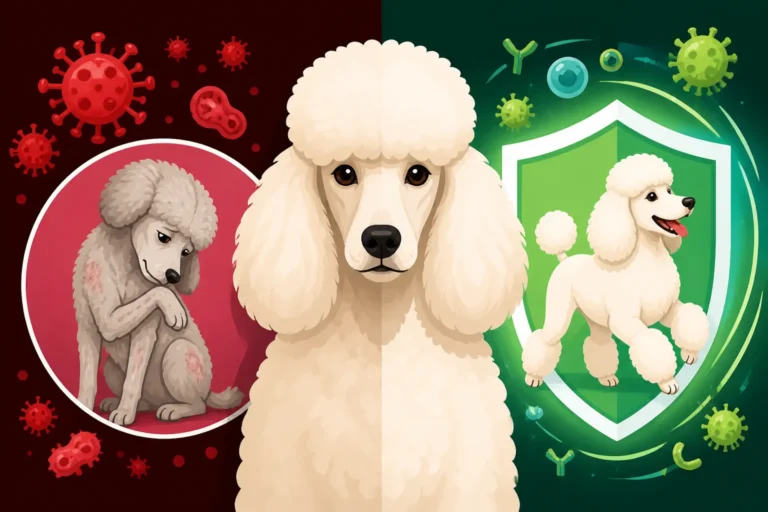
At its core, most Addison's disease in dogs is primary hypoadrenocorticism, which means the adrenal glands themselves are damaged. The most common cause of this damage is an autoimmune process, where the body's own immune system mistakenly attacks and destroys the adrenal tissue. This is a critical piece of the puzzle because it points to a broader issue of immune system dysfunction within the breed. Instead of protecting the body from foreign invaders, the immune system turns on itself, creating a chronic inflammatory state that devastates essential organs.
This autoimmune component is precisely where the "bottleneck" begins to emerge. When a breed has a genetic predisposition to autoimmune disorders, it means that certain genes or combinations of genes make them more likely to develop conditions where their immune system goes awry. It's not just a random fluke; it's an inherited vulnerability that can manifest in various ways, affecting different organs or systems. Understanding this underlying mechanism is vital for both breeders aiming to improve the health of their lines and owners seeking to provide the best possible care.
Deciphering Sebaceous Adenitis
Sebaceous Adenitis (SA) is another frustrating and often misunderstood autoimmune disease that Poodles, especially Standard Poodles, are disproportionately prone to. Unlike Addison's, which affects internal hormone production, SA primarily targets the sebaceous glands in the skin. These glands are responsible for producing sebum, a natural oily substance that lubricates the skin and coat, keeping it healthy and protected.
When SA strikes, the immune system launches an attack on these vital glands, causing them to become inflamed and eventually destroyed. The result is a cascade of dermatological problems that can range from mild to severe, profoundly impacting your Poodle's comfort and appearance. It's a condition that can often be mistaken for simple dry skin, allergies, or even poor grooming, adding to the frustration for owners and leading to delayed diagnosis and treatment.
When Skin Glands Fail
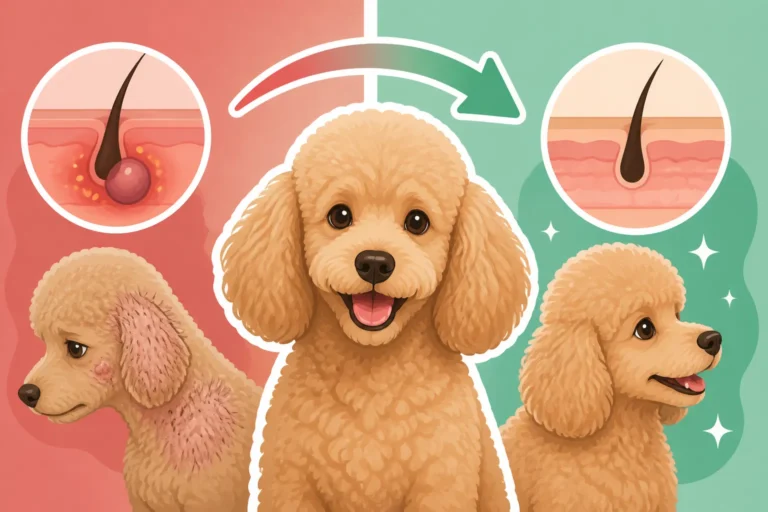
The most noticeable symptom of SA is a dull, brittle coat, often accompanied by excessive scaling, dandruff-like flakes, and hair loss. This hair loss frequently starts along the top of the head, down the back, and over the ears, making the Poodle's characteristic topknot appear thin and sparse. Patches of hair may fall out, leaving bald spots, and the remaining hair can be coarse and easily broken. For a visual guide on these early signs, our article on Early Sebaceous Adenitis on a Poodle's Topknot can be very helpful.
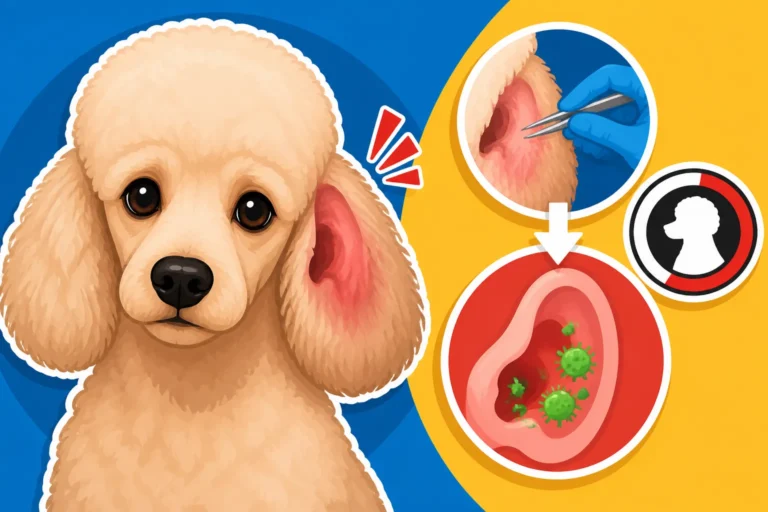
Affected Poodles often experience severe itching, leading to constant scratching, rubbing, and licking, which can exacerbate skin irritation and lead to secondary bacterial or yeast infections. Their skin can become thickened, greasy, and develop an unpleasant odor due to the disruption of the natural skin barrier and the subsequent overgrowth of microbes. It's a truly miserable condition for a Poodle, affecting not just their physical health but their overall quality of life and comfort.
More Than Just a Skin Deep Issue
While SA manifests primarily as a skin condition, its roots, like Addison's, lie in an autoimmune attack. The body’s immune cells infiltrate and destroy the sebaceous glands, a classic example of the immune system targeting healthy self-tissue. This means that SA isn't just a skin problem that can be solved with external treatments alone; it's a systemic issue reflecting an underlying immune dysregulation.
The chronic inflammation and destruction of the sebaceous glands leave the skin vulnerable. Without the protective barrier of sebum, the skin becomes dry, cracked, and much more susceptible to environmental allergens and pathogens. This leads to a vicious cycle of irritation, infection, and discomfort, making effective management a constant challenge for owners. The emotional toll of watching your Poodle suffer from persistent skin issues, despite your best efforts, can be immense.
The Shared Genetic Bottleneck: Why Poodles Are Susceptible
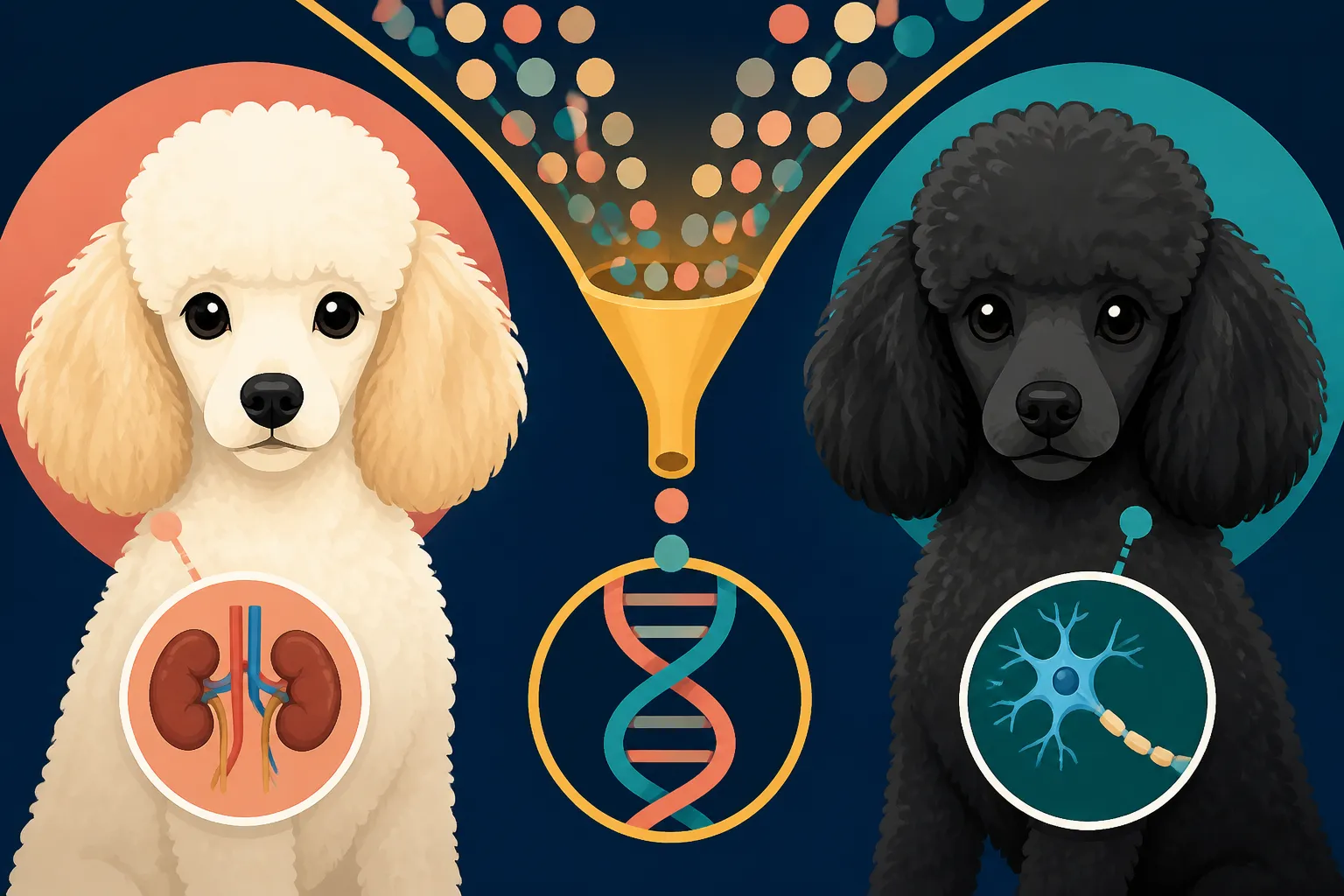
The connection between Addison's disease and Sebaceous Adenitis, despite affecting different body systems, lies in their shared autoimmune nature and the genetic predisposition within the Poodle breed. Many researchers and veterinary geneticists point to a common genetic bottleneck in Standard Poodles particularly, which makes them more prone to a spectrum of immune-mediated diseases. This isn't just bad luck; it's a consequence of historical breeding practices and a relatively narrow gene pool.
Think of it like this: if you have a group of people and everyone has a slight genetic glitch that makes them a bit clumsy, eventually, you'll see a lot of broken bones. In Poodles, the "glitch" isn't clumsiness, but rather a tendency for the immune system to misfire. When this predisposition is passed down through generations, and the gene pool becomes less diverse, the chances of these specific autoimmune disorders appearing increase significantly.
The Role of the Immune System Gone Awry
Both Addison's and SA are autoimmune diseases. This means they both involve the immune system failing to recognize "self" from "non-self" and launching an attack on the body's own tissues. While Addison's targets the adrenal glands and SA targets the sebaceous glands, the underlying fault lines are similar: an immune system that is, for lack of a better term, overzealous and misdirected.
Scientific studies have implicated the Major Histocompatibility Complex (MHC) in the predisposition to several autoimmune diseases in dogs, including Addison's and SA in Poodles. The MHC is a group of genes that plays a critical role in the immune system's ability to distinguish between its own cells and foreign invaders. Variations or specific haplotypes (combinations of genes) within the MHC can make an individual more susceptible to autoimmune reactions. This explains why some Poodles might develop one autoimmune condition, while others develop a different one, or even both. It's not that one causes the other, but rather that a shared genetic vulnerability sets the stage for either to occur. This complex interaction between genetics and immune response is why understanding Why Standard Poodles Carry Two Autoimmune Diseases is so crucial.
Breeding Practices and Genetic Predisposition
The popularity of the Poodle, especially the Standard Poodle, coupled with a history of line breeding and a relatively closed stud book, has inadvertently contributed to this genetic bottleneck. While responsible breeders work diligently to screen for known diseases, the complex inheritance patterns of autoimmune conditions mean that eliminating them entirely is a monumental task. The focus on specific traits like conformation, coat color, or temperament, while important, can sometimes lead to a reduction in overall genetic diversity if not carefully managed.
This narrowing of the gene pool means that certain genetic markers associated with autoimmune disease susceptibility became more concentrated within the breed. For potential Poodle owners, this highlights the absolute importance of choosing a reputable breeder who conducts extensive health testing and understands the genetic landscape of their lines. Questions about what a Poodle breeder must test for become incredibly relevant, and genetic panels for the three Poodle sizes are becoming increasingly sophisticated, offering more insights into these predispositions.
Implications for Diagnosis and Management
Recognizing this shared bottleneck has profound implications for how we approach diagnosis and management. If a Poodle is diagnosed with one autoimmune condition, veterinarians and owners should be vigilant for signs of others. For example, a Poodle with SA might have an increased risk of developing Addison's or vice-versa, or other autoimmune conditions like autoimmune thyroiditis.
| Feature | Addison's Disease (Hypoadrenocorticism) | Sebaceous Adenitis (SA) | Shared Bottleneck Implications |
|---|---|---|---|
| Primary System Affected | Endocrine (Adrenal Glands) | Integumentary (Skin and Hair) | Both rooted in immune system dysregulation. |
| Key Symptoms | Lethargy, GI upset, weakness, thirst, urination, collapse | Dull coat, scaling, hair loss, itching, skin infections, odor | Vague early signs, can be mistaken for other issues. |
| Underlying Cause | Autoimmune destruction of adrenal cortex | Autoimmune destruction of sebaceous glands | Immune system attacks body's own tissues (autoimmunity). |
| Diagnosis | ACTH stimulation test, blood electrolytes | Skin biopsy, histopathology | Often requires specialized tests after initial symptoms. |
| Treatment | Hormone replacement (Prednisone, Percorten-V, Zycortal) | Topical oil soaks, cyclosporine, oral steroids | Lifelong management, often involving immunosuppressants or replacements. |
| Genetic Link | Strong breed predisposition (Standard Poodles) | Strong breed predisposition (Standard Poodles) | Shared genetic susceptibility, particularly MHC haplotypes. |
| Prognosis (with treatment) | Good, normal lifespan expected | Variable, chronic management required | Lifelong commitment to care, potential for co-occurring conditions. |
When a Poodle exhibits vague symptoms that don't fit a clear diagnosis, a deeper dive into autoimmune possibilities is warranted. This table clarifies how these conditions, while distinct in their presentation, share a common thread, prompting a holistic approach to your Poodle’s health. It also underscores why a comprehensive pet insurance plan like those offered by Healthy Paws can be a lifesaver, covering the extensive diagnostic tests and long-term medication often required for these chronic conditions.
Navigating Life with Dual Susceptibility
Living with a Poodle that has, or is at risk for, an autoimmune disease can feel overwhelming. The financial strain of diagnostics, medication, and specialized care is significant. This is where pet insurance, like a plan from Healthy Paws, can provide much-needed peace of mind, helping to cover the substantial costs associated with lifelong conditions. But beyond financial preparedness, there's a lot you can do to proactively manage their health.
Proactive Screening and Early Detection
For breeds known to carry these risks, proactive screening is paramount. While there isn't a single definitive genetic test for every autoimmune disease, certain markers and careful monitoring can make a difference. Responsible breeders will often screen their breeding stock for Addison's disease and other heritable conditions. As an owner, if you suspect any of the subtle signs of Addison's, don't hesitate to push for diagnostic tests like the ACTH stimulation test to confirm. You can learn more about how a vet confirms Poodle Addison's in our related article.
For SA, a skin biopsy is the definitive diagnostic tool. If your Poodle develops unexplained skin issues, hair loss, or scaling, especially along the back and topknot, a vet specializing in dermatology can perform this simple procedure to get an accurate diagnosis. Early diagnosis is crucial for both conditions, as it allows for the initiation of treatment before the disease progresses too far and causes irreversible damage or a crisis.
Integrated Care and Long-Term Management
Managing an autoimmune disease is typically a lifelong commitment. For Addison's, this means regular hormone replacement therapy, often with daily oral corticosteroids (like prednisone) and monthly injections of mineralocorticoids (like desoxycorticosterone pivalate, sold as Zycortal or Percorten-V). Learning how often an Addisonian Poodle is injected is part of the routine. Stress dosing a Poodle with Addison's during times of stress, like surgery or travel, is also critical to prevent a crisis.
For SA, treatment typically involves a combination of topical therapies, such as frequent oil soaks and medicated shampoos, to replenish the skin's moisture and manage scaling. Oral medications, such as cyclosporine or corticosteroids, may be used to modulate the immune response and reduce inflammation. These treatments can be intensive, and finding the right routine often requires patience and consistency. Our guide on Oil Soaks for a Poodle With Adenitis offers practical advice.
Because both conditions are rooted in immune system dysfunction, a holistic approach to your Poodle's overall health becomes even more important. This includes a high-quality, balanced diet, minimizing stressors, regular exercise, and maintaining a strong bond. Always work closely with your veterinarian, and if necessary, a specialist like a veterinary internal medicine expert or a dermatologist, to develop a comprehensive and individualized care plan for your Poodle.
Disclaimer
This article is intended for informational purposes only and is not a substitute for professional veterinary advice, diagnosis, or treatment. Always seek the advice of your veterinarian or other qualified animal health provider with any questions you may have regarding a medical condition.