Whether a Toy Poodle Suits a Quieter Owner
Many quiet individuals dream of the companionship of a small dog, picturing peaceful evenings and gentle walks. The Toy Poodle often comes to mind, but their reputation for intelligence and sometimes high energy can make a calmer person wonder if it's truly a good fit. This guide will explore the unique personality of Toy Poodles and help you determine if their spirited nature can indeed harmonize with a serene, quieter household.
Understanding the Toy Poodle Temperament Beyond the Fluff
Toy Poodles are adorable, no doubt, but beneath that curly coat is a brain ticking at a mile a minute. It’s easy to dismiss them as just pretty lapdogs, especially given their small size, but that would be a disservice to their complex and engaging personalities. A quiet owner might initially gravitate towards them for their manageable size, but it's crucial to understand their inherent drives and needs. They are much more than their charming appearance suggests.
The Myth of the "Lapdog Only" Poodle
Let's be real, a Toy Poodle can be a fantastic lapdog. They love to snuggle, they adore their people, and they thrive on close connection. But reducing them solely to a decorative accessory on your sofa misses a huge part of what makes them Poodles. These aren't just fluffy ornaments; they are highly intelligent, active dogs in miniature form. Think of them as tiny athletes with big brains. They were originally bred from Standard Poodles, which were robust water retrievers, so that working drive is still very much alive, just scaled down. Their history as working dogs means they crave purpose and engagement.
For a quieter owner, this means recognizing that while your Toy Poodle might happily nap beside you, they also need outlets for their intelligence and energy. They might not need to run miles every day like a Border Collie, but a sedentary lifestyle will quickly lead to a bored, potentially mischievous, Poodle. This can manifest as unwanted behaviors like excessive barking, chewing, or even house-soiling, simply because their clever minds aren't being engaged. They're trying to tell you, in their own Poodle way, "Hey, I need a job!" Ignoring this aspect can be incredibly frustrating for both you and your little companion, leading to a home that feels far from quiet. It's a common misconception that small dogs require less mental stimulation; in the Poodle's case, it's often the opposite.
Sensitivity and Emotional Intelligence
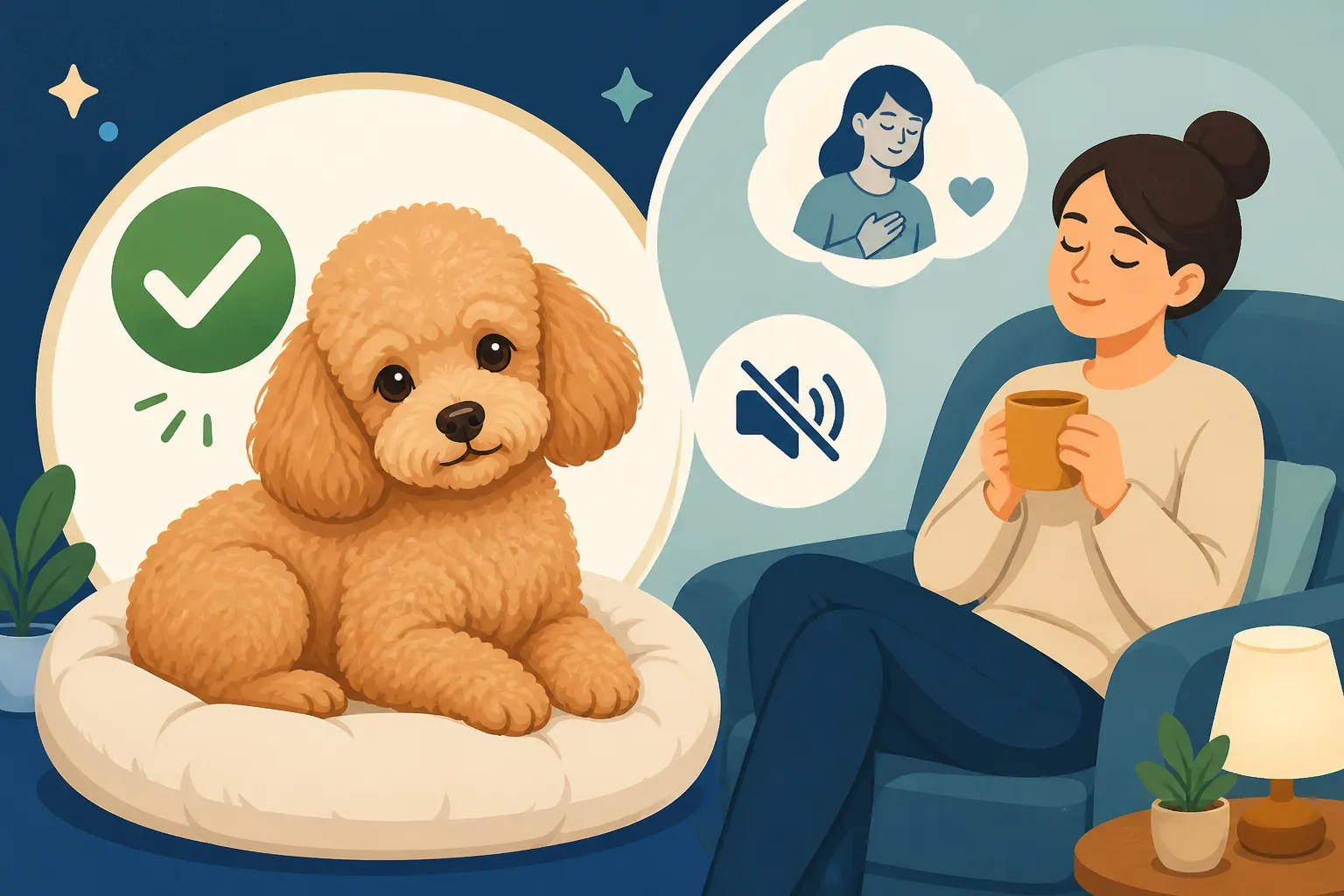
One of the most defining traits of a Poodle, regardless of size, is their incredible sensitivity and emotional intelligence. They are often described as "velcro dogs" because they bond so deeply with their primary caregivers and prefer to be involved in whatever you're doing. For a quiet owner who cherishes a deep, personal connection with their pet, this can be a huge bonus. Your Toy Poodle will likely be attuned to your moods, offering comfort when you're down and sharing your quiet joys. They are masters at reading subtle cues and will often mirror your emotional state.
However, this sensitivity also means they can be easily startled or become anxious in chaotic environments. Loud noises, sudden movements, or frequent changes in routine can be genuinely upsetting for a sensitive Toy Poodle. A quiet home, free from constant commotion, often provides the ideal environment for these dogs to feel secure and blossom. They thrive on predictability and a calm atmosphere, which is where a quieter owner can truly shine. They're not the type of dog to shrug off a harsh word or a sudden shout; they absorb emotional cues like a sponge. Understanding Reading Pain in a Sensitive Poodle is key to building trust and a strong bond with these perceptive dogs. This emotional depth means they aren't just pets; they're truly members of the family who understand more than you might realize and will suffer if their environment isn't stable.
Daily Life Considerations for a Quieter Home
When you envision a quieter life with a dog, you're likely thinking about peaceful coexistence, not constant demands. A Toy Poodle can absolutely fit into this picture, but it requires a conscious effort to meet their needs in a way that aligns with your lifestyle. It's about quality of engagement, not necessarily high-octane activity all day long. Their compact size makes them adaptable to smaller living spaces, which often aligns well with a quieter, less expansive lifestyle.
Exercise and Mental Stimulation Without Constant Bustle
The good news is that a Toy Poodle's exercise needs are often met with shorter, more frequent bursts of activity rather than prolonged endurance feats. A couple of brisk 15-20 minute walks a day, combined with some indoor playtime, is usually sufficient for their physical health. For a quieter owner, this means you don't necessarily need to be a marathon runner. Fetch in the living room, a game of hide-and-seek with their favorite toy, or even just trotting around the garden can provide ample physical exertion. Daily Exercise for a Toy Poodle doesn't have to be overwhelming or require a huge commitment of time, just consistency.
The real key for a Toy Poodle, especially for those in a calmer household, is mental stimulation. Their brains are constantly on the go, and if you don't give them something productive to do, they'll invent their own (often less desirable) entertainment. This is where a quiet owner can truly excel! Think puzzle toys from Chewy that dispense treats, teaching them new tricks (they pick up cues incredibly fast, often in The Cues a Poodle Picks Up in a Week!), or engaging in scent games where they have to find hidden treats around the house. These activities are often quiet, require minimal physical exertion from the owner, and profoundly satisfy a Poodle's intellectual drive. They love to figure things out, and watching them work through a puzzle can be a wonderfully calming activity for both of you. You might even find yourself enjoying the quiet focus it brings, deepening your bond through shared, calm problem-solving.
The Poodle's Bark and Alertness
This is an area where Poodles, regardless of size, can sometimes challenge the ideal of a "quieter" home. Toy Poodles, being small and historically bred to alert their owners, can be quite vocal. They might bark at passersby, the mail carrier, a squirrel in the yard, or even just a leaf blowing past the window. For a quiet owner, this can quickly become a source of frustration, disrupting the peace you cherish. Poodle Alarm Barking is a real thing, and it needs to be managed proactively with understanding and patience.
The good news is that this trait is manageable with consistent training and management. It's about teaching them when it's appropriate to bark (e.g., a quick alert when someone is at the door) and when to settle down. Positive reinforcement training, focusing on rewarding quiet behavior and teaching a "quiet" cue, is essential. Avoid scolding, as their sensitivity means it can often make them more anxious and therefore more prone to barking. Sometimes, simple environmental management, like using window film or drawing curtains during certain times of the day, can significantly reduce triggers. Providing plenty of mental stimulation, as discussed earlier, also helps, as a bored Poodle is often a noisy Poodle. Many quiet owners find that with effort, their Toy Poodle learns to be a polite alarm, not a constant siren, blending well into the calm atmosphere.
Grooming Commitments and Quiet Handling
The Poodle's famous curly coat is stunning, but it's not low maintenance. It grows continuously and doesn't shed much (which is great for allergies!), but it will mat without regular care. For a quieter owner, this means dedicating consistent, calm time to grooming. This isn't just about aesthetics; it's about your Poodle's comfort and skin health. Ignoring the coat can lead to painful mats that require professional dematting or even a full shave-down, which can be traumatic for a sensitive dog. What a Shave Down Does to a Poodle is something you want to avoid for their comfort.
A full grooming routine involves daily or every-other-day brushing, baths every few weeks, and professional clips every 4-8 weeks. While this sounds like a lot, it can be a wonderfully quiet and bonding activity. Imagine a peaceful evening with your Toy Poodle settled on your lap or a grooming table (easily found on Chewy, along with brushes and combs!), as you gently line brush their coat, murmuring soft words of praise. Brushing a Poodle to the Skin is a fundamental skill, and it can be learned and executed in a tranquil manner. Teaching your Poodle to enjoy grooming from a young age, with lots of positive reinforcement and treats, will make it a calm, routine part of your life together. It doesn't have to be a loud, stressful battle; it can be a quiet ritual of care and connection, further strengthening your bond.
| Aspect | Quiet Owner Advantage | Potential Challenge for Quiet Owner | Management Strategy |
|---|---|---|---|
| Energy Needs | Short bursts of activity are sufficient | Can become bored/destructive if under-stimulated | Daily walks, indoor fetch, puzzle toys, scent games |
| Mental Needs | Thrive on quiet, intellectual challenges | Prone to mischief if not engaged | Trick training, interactive toys (e.g., from Chewy), problem-solving |
| Sensitivity | A calm home is ideal for their emotional well-being | Easily startled by loud noises or sudden chaos | Consistent routine, positive reinforcement, safe spaces |
| Vocalization | Can be managed with consistent training | Prone to alert barking | "Quiet" cue training, reducing external triggers, mental exercise |
| Grooming | Can be a quiet, bonding ritual | Requires consistent time commitment to prevent mats | Establish routine, positive handling, quality tools |
Finding the Right Match for a Serene Lifestyle
Ultimately, whether a Toy Poodle suits a quieter owner isn't a black-and-white answer. It largely depends on the individual Poodle, the owner's commitment, and the strategies put in place. It's not about being an extrovert or an introvert; it's about understanding the breed and being prepared to meet their specific needs in a way that works for both of you. The key is to be proactive and informed in your choice.
The Importance of Socialization, Even for a Quiet Home
Even in a quiet home, proper socialization for a Toy Poodle puppy is absolutely non-negotiable. This doesn't mean dragging your sensitive pup to loud parties or dog parks daily. It means controlled, positive exposure to a variety of sights, sounds, people, and calm dogs from a young age. A poorly socialized Toy Poodle, especially a sensitive one, can become fearful, anxious, and reactive, which can lead to barking, nipping, or hiding. This would certainly disrupt a quiet home more than a well-adjusted dog. Socializing a Poodle Before It Turns Wary is critical for their long-term well-being and your peace of mind.
For a quieter owner, socialization might look like inviting a calm friend over once a week, taking short, positive trips to a quiet park bench to observe the world (from a safe distance!), enrolling in a reputable puppy class that emphasizes positive reinforcement, or carefully introducing them to one or two well-mannered adult dogs. It’s about building confidence gently and ensuring they learn that the world isn't a scary place, even if your personal world is mostly calm. A confident, well-socialized Toy Poodle will be much more relaxed and peaceful in your quiet home, becoming a calm companion rather than a nervous wreck.
Matching Energy Levels
While all Toy Poodles share certain breed traits, individual personalities vary. Some are indeed more laid-back "couch potatoes" from birth, while others are tiny bundles of boundless energy. A quieter owner will likely be happiest with a Toy Poodle on the calmer side of the spectrum. When looking for a puppy, spending time with the litter and observing the puppies' individual temperaments can be very insightful. Is there one that is curious but not overly boisterous? One that enjoys a cuddle but isn't constantly demanding attention? A good breeder will be able to help you identify a puppy that matches your lifestyle.
Consider your own energy levels. Do you enjoy engaging in quiet training sessions, or do you prefer a dog that entertains itself? A Toy Poodle needs engagement, but it can be intellectual rather than purely physical. If you're someone who enjoys teaching tricks, playing gentle indoor games, or simply having a clever companion watching you work, a Toy Poodle could be a fantastic match. They are often described as having a dry sense of humor and a keen observation of their environment, making them delightful companions for those who appreciate subtle interactions. They'll know when you're busy and patiently wait, but they'll also celebrate enthusiastically when you're ready to play, making their presence a quiet joy rather than a constant demand.
Seeking the Right Breeder or Rescue
This is arguably the most crucial step for a quieter owner looking for a Toy Poodle. A reputable breeder will focus not just on physical health but also on temperament. They will be able to tell you about the personalities of their puppies and their parents, guiding you towards a puppy that might naturally be calmer or more suited to a quieter environment. They often raise their puppies in a home environment, providing early socialization, and can offer insights into each pup's developing personality. They'll also perform essential health testing, reducing the risk of costly and heartbreaking genetic conditions down the line, an important part of What a Poodle Breeder Must Test For.
Alternatively, consider adopting from a Poodle rescue. Many adult Toy Poodles end up in rescue through no fault of their own, and their personalities are already fully developed. A rescue organization will often have spent time fostering these dogs, getting to know their quirks, energy levels, and whether they thrive in a quiet home. They can match you with an older Poodle whose temperament is a known quantity, potentially saving you from the surprises a puppy can bring. A quiet owner might find immense satisfaction in providing a loving, peaceful forever home to a rescue Poodle who craves stability. This is where the emotional intelligence and sensitivity of a Poodle truly shine, as they often bond deeply and are incredibly grateful for a secure, calm environment, becoming a truly devoted companion.
In conclusion, a Toy Poodle can absolutely suit a quieter owner, provided there's a clear understanding of the breed's intelligence, sensitivity, and need for engaging activities. It’s about building a relationship based on respect for their Poodle nature, offering mental stimulation, gentle guidance, and consistent care. When these elements align, a Toy Poodle can be the most delightful, intelligent, and deeply connected companion for a serene lifestyle, filling your quiet home with joyful, subtle companionship.
Disclaimer
This article is for general informational purposes only and does not constitute professional advice. Laws, prices and regulations vary by location and change over time. Consult a qualified professional for guidance on your specific situation.