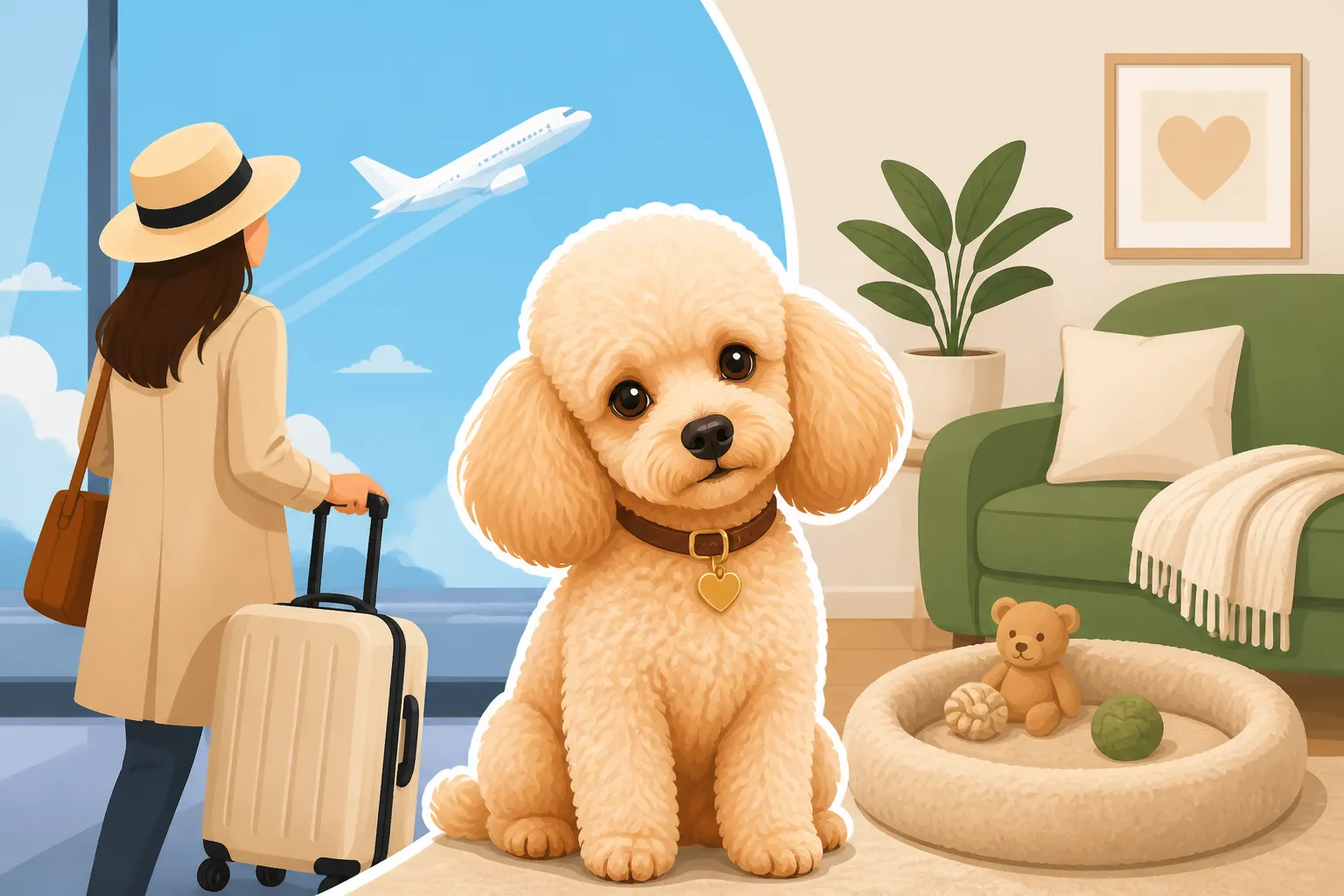
Traveling Often With a Poodle at Home
It's a common dilemma for Poodle lovers: you adore your intelligent, sensitive companion, but a demanding job or a love of travel means you're away from home more often than you'd like. The guilt can be immense, wondering if your Poodle is coping, missing you, or even developing bad habits. This guide aims to ease that worry by exploring practical strategies and care considerations to ensure your beloved Poodle not only survives your absences but continues to thrive.
Understanding Your Poodle's Attachment and Needs When You're Away
Poodles are not just pretty faces; they are highly intelligent, deeply loyal, and incredibly sensitive dogs. This combination makes them wonderful companions, but it also means they can struggle profoundly when their primary human is frequently absent. Understanding their unique nature is the first step toward creating a successful plan for your travels.
The Poodle's "Velcro" Tendencies
Anyone who lives with a Poodle knows they earned their "Velcro dog" nickname honestly. From Standard to Toy, these dogs often have an intense bond with their chosen people. Historically, Poodles were bred as working waterfowl retrievers, but their keen intelligence and charming personalities quickly made them favored companions among nobility and performers. This companion role is deeply ingrained in their psyche, leading to a strong desire to be near you, participate in your activities, and even anticipate your next move.
When you're home, this often manifests as a shadow following you from room to room, a soft paw resting on your lap, or a head gently placed on your knee. They thrive on interaction, routine, and the sheer presence of their family. So, when you pack a suitcase and head out the door for an extended period, it's not just a minor inconvenience for them; it can feel like a significant disruption to their entire world. The guilt you feel as you pull away? It’s completely valid, because your Poodle truly does miss you. Their attachment isn't just a cute quirk; it's a fundamental part of their being, and it needs to be acknowledged and managed, especially if you travel often.
Recognizing Signs of Stress or Unhappiness
A Poodle who is unhappy or stressed by your frequent absences won't always make it obvious with dramatic displays. Sometimes, their distress can be subtle, especially in the early stages, or it might manifest in ways you initially misinterpret as "bad behavior." It's crucial to learn to read your Poodle's body language and understand what typical signs of anxiety or loneliness look like.
One common sign is a change in appetite. A stressed Poodle might suddenly become picky, eat less, or even refuse meals, particularly if their routine is severely altered. Destructive chewing can also emerge, where previously well-behaved dogs might target furniture, shoes, or doorframes – often items that carry your scent. This isn't out of malice, but a self-soothing behavior to cope with anxiety or boredom. Excessive barking or whining, especially at night or when left alone, is another clear indicator of distress. Some Poodles might even regress in their house-training, having "accidents" indoors, which is often a stress response rather than a forgotten lesson. You might also notice obsessive behaviors, like excessive licking of their paws, which can lead to skin irritation. Lethargy, a lack of interest in toys or walks, or withdrawing from new caregivers can also point to unhappiness. Your Poodle isn't being naughty; they're communicating their struggle. They thrive on consistency, and frequent changes can make them feel adrift. If you're noticing these behaviors, it's a clear signal that your current care strategy needs re-evaluation, or that your Poodle might benefit from focused training around Separation Anxiety in a Velcro Poodle.
Navigating Care Options for Your Traveling Lifestyle
When you're a Poodle owner who travels, finding the right care for your furry family member is paramount. It’s not a one-size-fits-all solution, as each Poodle has a unique personality, and each care option offers distinct pros and cons. The goal is to minimize stress, maintain routine, and ensure your Poodle feels as secure and loved as possible in your absence.
In-Home Pet Sitters: The Gold Standard for Poodles
For many Poodle owners, an in-home pet sitter is the absolute best solution, especially for frequent travelers or those with particularly sensitive dogs. The primary benefit is that your Poodle gets to stay in their own familiar environment, surrounded by their own smells, their own bed, and their usual routine. This familiarity dramatically reduces stress compared to being in an unfamiliar kennel. A good pet sitter provides one-on-one attention, ensuring your Poodle gets the cuddles, playtime, and mental stimulation they crave.
When searching for a sitter, look for someone with specific Poodle experience. They should understand the breed's intelligence and need for mental engagement, so they don't just walk your dog but engage them in games or training sessions. Crucially, they must be aware of Poodle grooming needs. Even for a short trip, a Poodle's coat can develop mats, especially in the armpits or behind the ears. A sitter should be willing and able to brush your Poodle daily – or at least every other day – to prevent painful matting. Ask about their experience with daily brushing and if they know how to properly line brush. Before you leave, always schedule a trial run. This gives your Poodle a chance to meet and get comfortable with the sitter, and it allows the sitter to observe your Poodle's routine and quirks. While this option tends to be more expensive than boarding, the peace of mind and the well-being of your Poodle often make it a worthwhile investment. Think of it as investing in your Poodle's emotional health.
Boarding Kennels: When They Can Work (and When They Can't)
Boarding kennels can be a practical option for some Poodles, particularly those who are more outgoing, resilient, and accustomed to diverse environments. They offer structured care, often with professional staff on-site 24/7, and many facilities include exercise yards, playtime, and even grooming services. However, for a sensitive Poodle, a kennel can also be a source of significant stress due to the unfamiliar surroundings, loud noises, and constant presence of other dogs. A Poodle's elaborate coat can also be a challenge in a high-activity kennel, as mats can form quickly if not addressed daily by staff experienced in Poodle grooming.
If you are considering a boarding kennel, diligence is key. Look for facilities that offer private, spacious suites rather than small cages, and prioritize those with a low dog-to-staff ratio to ensure adequate individual attention. Ask about their exercise regimen – are dogs simply let out into a yard, or do they receive supervised playtime and walks? Enquire about their grooming services and if they have staff trained in Poodle-specific coat care; an unbrushed Poodle can go from neat to matted in days. Maintaining your Poodle's diet and medication schedule should also be non-negotiable. Some Poodles, especially those with conditions like Addison's Disease, require precise timing for their medication, and consistency is crucial. Many online pet supply retailers, like Chewy, also offer lists of highly-rated boarding facilities and can be a good starting point for research, often displaying customer reviews that highlight experiences with particular breeds. Always take your Poodle for a trial day or overnight stay to see how they cope before committing to a longer trip. If your Poodle comes home withdrawn, overly tired, or exhibiting stress behaviors, it's probably not the right fit.
Friends and Family: A Mixed Blessing
Asking friends or family to care for your Poodle can seem like an ideal solution – they know your dog, it’s often free, and it can feel more like a "home away from home" than a commercial kennel. However, while well-intentioned, this option comes with its own set of challenges and is truly a mixed blessing, especially for a breed like the Poodle.
The main benefit is the familiarity of the caregiver, which can be less stressful for your Poodle than a stranger. However, friends and family typically aren't professional dog caregivers. They might not understand the subtle cues of a sensitive Poodle or the sheer amount of mental and physical exercise your Poodle requires daily. Poodles are smart, and without consistent mental engagement, they can become bored and potentially destructive. Furthermore, the specialized grooming needs of a Poodle are often overlooked. A friend might not realize the importance of daily brushing to prevent painful mats, or how to properly clean a Poodle's ears to prevent infections. What might seem like a simple favor can quickly become overwhelming if they're not prepared for the reality of Poodle care. To make this option successful, you must provide extremely thorough instructions, almost like a "Poodle Bible." Do trial runs, even overnight stays, well in advance. Discuss expectations clearly regarding feeding, medication, exercise, and yes, grooming. Offer to provide all necessary supplies, perhaps even pre-ordering their favorite food or special brushes from Chewy to be delivered directly to your friend's house. And be prepared for the possibility that it might not work out, or that your friend might not be able to handle the commitment for frequent or extended periods. Their love for your Poodle is a bonus, but their understanding of Poodle care needs to be carefully assessed.
Preparing Your Poodle for Your Absence
No matter how often you travel, or what care option you choose, proactive preparation is vital for your Poodle's well-being. It's not just about finding someone to feed them; it's about setting your Poodle up for emotional success and minimizing the disruption to their sensitive nature.
Building Independence and Routine
One of the best long-term strategies for a Poodle owner who travels frequently is to intentionally build your Poodle's independence and foster a flexible routine. This doesn't mean neglecting them; it means teaching them that your absence isn't a catastrophe. Start small: leave them alone for short periods, gradually increasing the duration. Practice varied departure cues – sometimes grab your keys, sometimes don't. This helps prevent them from associating specific actions with your impending departure and the anxiety that can build.
Incorporate puzzle toys and enrichment activities into their daily life, especially when you're busy or stepping out. These can keep their intelligent minds occupied and help them associate alone time with positive, engaging activities. Consider filling a KONG with frozen peanut butter or cream cheese before you leave for an hour. Products easily found on Chewy or at your local pet store can be a lifesaver for this. Make alone time a regular, non-eventful part of their week, even when you're home. For example, have them settle in their crate or a specific room for an hour while you're in another part of the house. This teaches them that being alone isn't always followed by you leaving the house entirely. By gradually normalizing your absences and providing engaging distractions, you empower your Poodle to cope more effectively when you do travel, making it less of a shock to their system. Engaging their clever brains is key, as explored in Keeping a Poodle Mind Occupied.
The Importance of a Detailed "Poodle Playbook"
When you leave your Poodle in someone else's care, whether it's a professional sitter or a trusted friend, a detailed "Poodle Playbook" is your secret weapon. This isn't just a scribble on a napkin; it's a comprehensive, organized document that leaves no room for guesswork and ensures continuity of care. Think of it as your Poodle's user manual.
What should go into this playbook? Start with the basics: your Poodle's full name, age, breed, and any identifying marks. Then, dive into the specifics of their daily life:
- Feeding Schedule: Exact times, specific food brand (e.g., "Purina Pro Plan Adult Large Breed Formula for Standard Poodles"), precise amounts, and any supplements or treats.
- Medication: If applicable, detailed instructions on dosage, frequency, and method of administration.
- Veterinary Information: Your vet's name, address, phone number, and account details if necessary. Include an emergency vet clinic contact.
- Grooming Needs: This is crucial for Poodles! Outline how often they need to be brushed, how to do it (line brushing technique), and where mats tend to form (e.g., armpits, behind ears, under collar). Mention if their ears need cleaning or hair plucking, and how to perform nail trims if you expect the sitter to do them. Even for short stays, note that How Often a Poodle Must Be Brushed is more frequent than many realize.
- Exercise & Play: How many walks a day, for how long, and their preferred type of play (fetch, tug, brain games).
- Comfort Items: Their favorite bed, blankets, or specific toys.
- Emergency Contacts: Your direct number, an alternative contact if you're unreachable, and perhaps a local friend who can assist.
- Quirks & Habits: Do they bark at the mailman? Are they afraid of thunderstorms? Do they prefer their water bowl refreshed with ice?
- Commands: A list of their known commands and how you typically cue them.
Having this detailed guide not only empowers your caregiver but also significantly reduces potential stress for your Poodle, as their routine is maintained as closely as possible. Ensure all essential supplies are readily accessible, perhaps neatly organized in a designated spot, and consider pre-ordering any specific food or supplies from retailers like Chewy to ensure they don't run out.
Communication and Comfort During Your Trip
While a detailed playbook and a capable caregiver are essential, maintaining a sense of connection and comfort for your Poodle during your travels is also important. This isn't just for your peace of mind; it genuinely helps your Poodle feel more secure.
For some Poodles, a brief video call with their owner can be comforting. However, for others, seeing you on a screen but not being able to physically interact can heighten anxiety. You know your Poodle best, so gauge their reaction carefully during trial calls. A more universally beneficial comfort item is something that carries your scent. Before you leave, wear an old t-shirt or a soft blanket for a day or two, then leave it with your Poodle or their caregiver. Your familiar scent can be incredibly soothing in your absence.
Encourage your caregiver to maintain your Poodle's regular mental and physical exercise routine. A bored Poodle is a stressed Poodle. Whether it’s puzzle feeders, a game of hide-and-seek, or consistent walks, ensuring they get their Daily Work for a Poodle's Body and Mind is vital. Ask your caregiver for regular updates, photos, or even short videos. Seeing your Poodle happy and engaged with their temporary guardian can greatly alleviate your own travel worries. Make sure your caregiver knows how to recognize subtle signs of distress or pain, as Poodles, being sensitive creatures, can sometimes try to hide discomfort. Reading their body language carefully is important, which you can learn more about in Reading Pain in a Sensitive Poodle. Knowing that your Poodle is well-adjusted and well-cared for will make your time away far more enjoyable.
Long-Term Strategies for Frequent Travelers
For Poodle owners with consistently busy travel schedules, establishing long-term strategies goes beyond just finding a temporary sitter. It involves considering foundational changes to your Poodle's life, from their social environment to their ongoing training, all aimed at fostering resilience and happiness in the face of your absences.
Considering a Second Poodle or Companion Pet
The idea of getting a second Poodle or another companion pet often crosses the mind of frequent travelers, hoping it will alleviate loneliness for their resident Poodle. For some Poodles, particularly those who thrive on canine companionship, this can indeed be a wonderful solution. A compatible companion can provide mental stimulation, physical play, and a sense of "pack" security that helps bridge the gap when you're away. They can curl up together, chase toys, and generally keep each other company, mitigating the intense focus a lone Poodle might place on your absence.
However, this decision shouldn't be taken lightly. Introducing a second dog is a significant commitment, doubling expenses for food, vet care, and crucially, grooming. What Grooming Adds to a Poodle's Lifetime Cost is substantial for one Poodle, let alone two. It also requires careful introduction and temperament matching. Not every Poodle wants a constant companion, and two dogs can sometimes create more stress if they don't get along or if both suffer from separation anxiety. While a second Poodle can provide comfort, it doesn't entirely replace human interaction and the unique bond your Poodle shares with you. They still need a human caregiver who understands their needs, even if they have a furry friend. It's essential to realistically assess if your lifestyle can accommodate two Poodles, and whether their personalities will mesh well. More insight into this specific topic can be found in Whether a Second Poodle Fixes Loneliness.
Professional Support and Training
For Poodles who struggle significantly with your absences, even with the best care arrangements, professional support and ongoing training can be invaluable long-term strategies. If your Poodle exhibits persistent signs of distress like excessive barking, destructive behavior, or house-soiling whenever you're away, it might be time to seek guidance from a certified professional dog behaviorist or trainer specializing in separation anxiety. They can help diagnose the root cause of the behavior and develop a tailored training plan to help your Poodle build confidence and cope more effectively. This isn't a quick fix, but a structured approach that can lead to lasting improvement.
Beyond addressing specific behavioral issues, ongoing training, even for well-behaved Poodles, contributes to their overall resilience and adaptability. Poodles are incredibly intelligent and thrive on having a "job" and learning new things. Enrolling them in advanced obedience, agility, or scent work classes not only provides mental stimulation but also builds their confidence and problem-solving skills, making them more resilient to changes in routine. Daycare can also be an excellent option for appropriate Poodles, providing socialization and exercise a few times a week, breaking up their home routine and exposing them to different caregivers and environments in a positive way. Look for daycares that understand Poodle temperaments – they need more than just a free-for-all; they need engaging activities. Regularly engaging their brilliant minds, as discussed in Training the Second Smartest Dog Breed, empowers them to handle life's variations, including your travels, with greater ease. These investments in professional support and ongoing training can transform your Poodle's experience of your absences from stressful to manageable, ensuring they remain happy and well-adjusted.
Comparison of Poodle Care Options for Travelers
| Care Option | Pros | Cons | Ideal Poodle Candidate |
|---|---|---|---|
| In-Home Sitter | Familiar environment, one-on-one attention, routine maintained. | Higher cost, finding trusted, Poodle-experienced sitter can be hard. | Sensitive, senior, or anxious Poodles; those needing regular medication or specialized grooming. |
| Boarding Kennel | Structured environment, professional staff, often 24/7 supervision. | Unfamiliar, potentially noisy, less individual attention, matting risk. | Outgoing, resilient Poodles; those accustomed to group settings. |
| Friends/Family | Known caregiver, often free, familiar bond. | Lack of professional experience, inconsistent routine, grooming oversight. | Calm, easy-going Poodles with basic needs; requires very detailed instructions. |
Disclaimer
This article is for general informational purposes only and does not constitute professional advice. Laws, prices and regulations vary by location and change over time. Consult a qualified professional for guidance on your specific situation.