How a Poodle Differs From a Doodle
One of the biggest confusions for prospective dog owners today revolves around the Poodle and the ever-growing array of "Doodle" crossbreeds. It's completely understandable to feel overwhelmed by the sheer number of options and the often conflicting information out there, especially when trying to discern the real differences in terms of temperament, health, and that famous coat. This guide aims to cut through the noise and clarify precisely how a purebred Poodle stands apart from its popular crossbred descendants.
Understanding the Poodle: A Breed Apart
Let's start at the beginning, with the Poodle itself. For centuries, Poodles have been recognized, bred, and refined as a distinct breed with a documented history. This isn't just a fancy designation; it fundamentally impacts everything from their genetic makeup to their predictable traits. When you choose a Poodle, you're embracing a legacy of deliberate breeding for specific characteristics.
The Poodle's Purebred Heritage
The Poodle is a purebred dog, and this status carries significant implications. It means that Poodles have a well-documented lineage, with generations of dogs bred to a specific "standard" set by kennel clubs around the world. This standard dictates not only physical appearance—like coat texture, ear set, and body proportions—but also expected temperament and working abilities. Historically, Poodles were active waterfowl retrievers, hence their intelligence and athletic build. This long-standing commitment to a breed standard means that, generally speaking, when you bring a Poodle into your home, you have a very good idea of what to expect in terms of their adult size, appearance, and fundamental personality. It’s a level of consistency that comes from generations of selective breeding by dedicated fanciers. You can learn more about their history in The Poodle as a Breed.
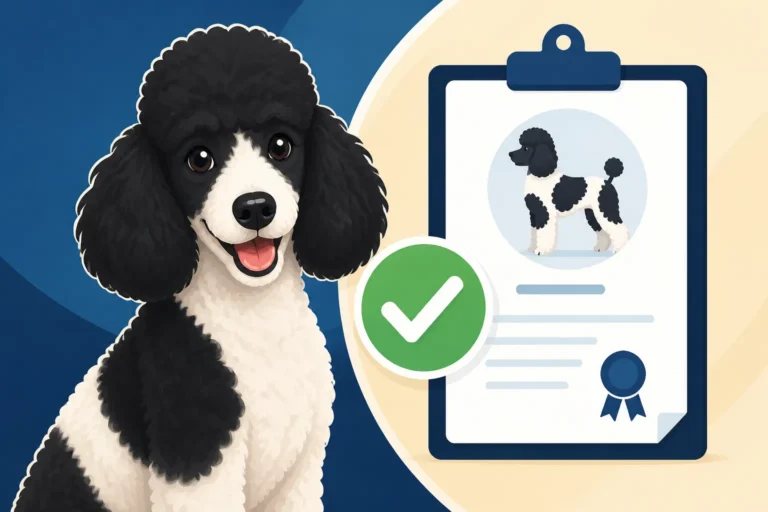
The purebred status also implies a certain responsibility on the part of breeders. Reputable Poodle breeders understand the genetic predispositions of their lines and work diligently to screen for them, striving to produce healthy puppies that conform to the breed's characteristics. This isn't just about winning ribbons in the show ring; it's about preserving the integrity and health of the breed. They invest in health testing, understanding pedigrees, and making informed decisions to prevent the passing on of known genetic issues, which contributes to a more predictable and often healthier outcome for the puppies they produce.
Predictable Traits and Characteristics
One of the most significant advantages of a purebred Poodle is the predictability of their traits. From a genetic standpoint, Poodles largely "breed true," meaning that Poodle parents typically produce Poodle puppies with very similar characteristics to themselves and their ancestors. This genetic consistency extends to their physical appearance, their iconic non-shedding, curly coat, and their renowned intelligence. When you look at a litter of Poodle puppies, you can reasonably anticipate their adult size, coat type, and general temperament, assuming they come from well-bred, health-tested parents.
Beyond physical traits, predictability also applies to temperament. Poodles are widely known for their sharp minds, eager-to-please nature, and often sensitive dispositions. They are generally outgoing and affectionate with their families, though some can be a bit reserved with strangers initially. This consistent temperament means that a Poodle owner knows they are getting a dog capable of complex training, often excelling in dog sports, and one that thrives on mental engagement. This innate intelligence, which places them high on lists like Coren's ranking, is a hallmark of the breed. You'll often find a Poodle that needs a "job" to do, whether it's learning tricks, participating in agility, or simply solving puzzle toys, because their brains are always active. Poodle Intelligence and Coren's Ranking delves into this further.
Deciphering the Doodle: A Crossbreed Creation
In stark contrast to the Poodle, Doodles are not a purebred dog. They are what's known as a hybrid or a crossbreed, typically created by breeding a Poodle with another purebred dog, such as a Labrador Retriever (Labradoodle) or a Golden Retriever (Goldendoodle). This fundamental difference in origin leads to a world of variability and unpredictability that new owners often underestimate.
The Hybrid Vigor Myth and Reality
The concept of "hybrid vigor," or heterosis, is often cited by Doodle proponents as a benefit, suggesting that crossbred dogs are inherently healthier than purebreds. The theory behind hybrid vigor is that by breeding two genetically distinct individuals, you reduce the likelihood of expressing recessive genetic diseases that might be common in a single purebred line. In very broad terms, a wider gene pool can be beneficial for overall population health.
However, the reality in the context of "designer dogs" like Doodles is far more nuanced and often misrepresented. True hybrid vigor occurs when parents are from genetically diverse, unrelated lines and are specifically bred to reduce the incidence of known genetic diseases through careful selection and testing. Simply crossing two different purebreds, without extensive health testing and understanding of the genetic background of both parent lines, does not automatically guarantee a healthier puppy. In fact, a Doodle puppy can inherit any of the genetic health problems common to either parent breed. If both parent breeds are predisposed to hip dysplasia, for example, a Doodle puppy from those lines is still at risk, possibly even a greater risk if the breeding dogs weren't properly screened. It's not a magic bullet for health; it's a genetic lottery if breeders aren't scrupulous.
Unpredictable Traits and Varied Outcomes
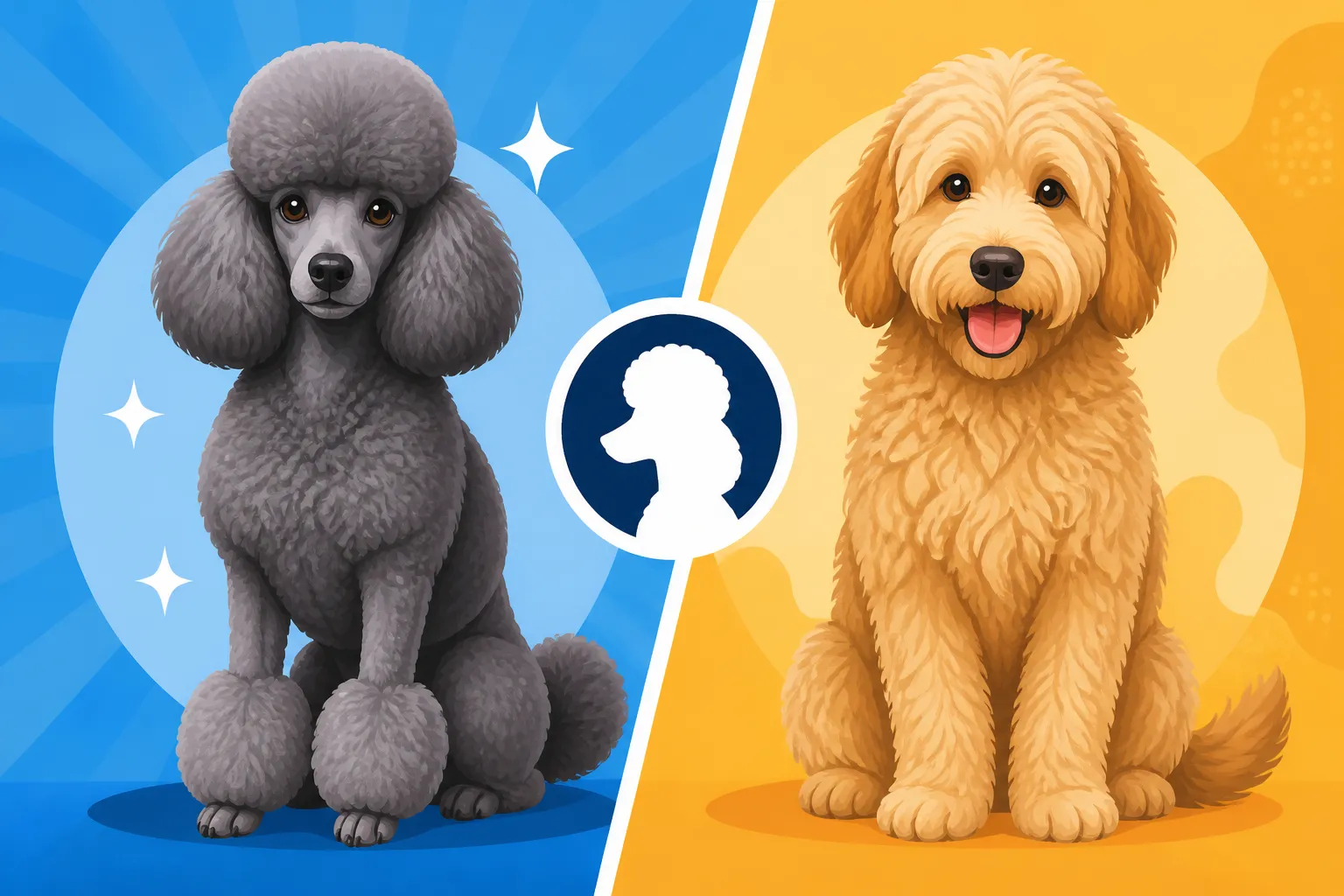
This is where the Doodle experience often diverges significantly from owning a Poodle. Because Doodles are a first-generation cross (or sometimes multi-generational, which adds even more layers of genetic complexity), their traits are inherently unpredictable. Unlike Poodles, where you can generally expect a certain look, size, and coat type, Doodles can be a mixed bag, even within the same litter. You might have puppies with straight hair, others with wavy fleece, and some with tight Poodle-like curls. Their size can also vary significantly, leaning more towards one parent breed than the other.
This unpredictability extends to temperament and personality as well. A Goldendoodle, for instance, might inherit the Poodle's intelligence and sensitivity, but also the Golden Retriever's boisterousness and tendency towards mouthiness. The blend isn't always harmonious, and you might end up with a dog that has unexpected quirks or a combination of traits that requires more specialized training than anticipated. This isn't to say Doodles can't be wonderful companions; many are! But it means that buyers need to approach their selection with an understanding that what they see in one Doodle, or even in the parent breeds, might not be what they get in their own puppy. This variability is a defining characteristic of crossbreeding that doesn't exist to the same degree in purebred Poodles.
Coat Confusion: Shedding, Allergies, and Grooming Needs
Perhaps the most common reason people are drawn to Doodles is the promise of a "non-shedding" or "hypoallergenic" coat, a trait directly inherited from the Poodle parent. However, this is also one of the biggest areas of misunderstanding and potential disappointment for new Doodle owners.
The Poodle's Unique Hair Coat
Poodles possess a single coat of hair, not fur. This hair grows continuously, much like human hair, and doesn't go through the seasonal shedding cycles common to double-coated breeds. Instead, any shed hairs get caught within the surrounding curls, which is why Poodles are often called "non-shedding." This unique characteristic is also why Poodles are frequently recommended for people with allergies. While no dog is truly 100% hypoallergenic, Poodles tend to produce less dander (skin flakes), which is often the primary allergen, and release fewer allergens into the environment due to their lack of shedding. This makes them a more suitable choice for many allergy sufferers.
However, this wonderful non-shedding coat comes with significant grooming demands. Because the hair continues to grow and sheds hairs get trapped, a Poodle's coat will mat quickly and severely if not brushed regularly and thoroughly to the skin. This isn't just a cosmetic issue; mats can pull on the skin, causing pain, skin infections, and even restricting movement. Poodles require professional grooming every 4-8 weeks, depending on the clip length, and consistent at-home brushing daily or every other day. Choosing a quality brush, like those you might find on Chewy, is essential for maintaining their coat health. Ignoring their grooming needs is not an option if you want a healthy, comfortable Poodle. You can read more about why this coat mats in Why a Poodle Coat Mats Instead of Shedding.
The Doodle's Variable Coats
Here's where the predictability goes out the window for Doodles. While the Poodle parent contributes genes for the curly, non-shedding coat, the other parent breed (e.g., Golden Retriever, Labrador) contributes genes for a shedding, often straight or wavy coat. The resulting Doodle puppy can inherit various combinations of these genes, leading to a spectrum of coat types even within the same litter. You might get a "hair coat" (more like the non-Poodle parent), a "fleece coat" (wavy and soft), or a "wool coat" (curly, more like a Poodle).
The crucial point is that not all Doodles are non-shedding or hypoallergenic. Doodles with a hair coat are likely to shed, sometimes quite heavily, and can produce just as much dander as a purebred Golden Retriever or Labrador. Even fleece and wool coats can shed, just less noticeably. For allergy sufferers, this means a Doodle is a gamble; there's no guarantee they will be allergy-friendly. Furthermore, all Doodle coats, regardless of shedding, still require substantial grooming. The combination of different hair textures can make them particularly prone to matting, sometimes even more so than a purebred Poodle, as the differing hair types intertwine readily. Many Doodle owners find themselves surprised by the intensity and cost of professional grooming their dog requires, often needing appointments every 6-8 weeks and diligent at-home care with brushes and combs from stores like Chewy.
| Feature | Purebred Poodle | Doodle (Crossbreed) |
|---|---|---|
| Genetic Origin | Established purebred with consistent lineage | First or multi-generational cross of two purebreds |
| Predictability | High predictability in size, coat, temperament | Highly variable and unpredictable across all traits |
| Coat Type | Consistent, non-shedding, curly hair | Variable (hair, fleece, wool), can shed, prone to matting |
| Allergy Risk | Lower dander production, often allergy-friendly | Highly variable, no guarantee of being hypoallergenic |
| Grooming Needs | High, regular professional grooming + daily brushing | High, often complex due to mixed textures, professional grooming + daily brushing |
| Health | Predictable predispositions, responsible breeders health test specific to breed | Inherits risks from both parent breeds, testing depends on individual breeder |
| Temperament | Intelligent, sensitive, eager-to-please, active | Blend of both parent breeds, can be unpredictable |
Health and Genetics: A Closer Look
When considering any dog, understanding their potential health predispositions is paramount. This area highlights a critical distinction between purebred Poodles from reputable sources and many Doodle breeders.
Poodle Health Screening and Responsibility
Responsible Poodle breeders adhere to strict health testing protocols for their breeding stock. Because the Poodle breed has certain known genetic health issues – such as hip dysplasia, eye diseases like Progressive Retinal Atrophy (PRA), von Willebrand's disease (a bleeding disorder), and Addison's disease – reputable breeders proactively screen their adult dogs for these conditions before breeding them. This includes genetic panels, OFA (Orthopedic Foundation for Animals) certifications for hips and elbows, and CERF (Canine Eye Registration Foundation) exams. They do this not because Poodles are inherently unhealthy, but because they are committed to reducing the incidence of these problems in future generations through informed breeding decisions. They aim to produce puppies with the best possible genetic start.
When you purchase a purebred Poodle from such a breeder, you should expect to see documentation of these health clearances for the parents. This transparency is a hallmark of responsible breeding and gives you a much better understanding of your puppy's genetic health background. It’s an investment in the long-term health and well-being of your future companion. What a Poodle Breeder Must Test For outlines these essential screenings, and understanding Genetic Panels for the Three Poodle Sizes is crucial for informed decisions.
Doodle Health: The Genetic Wildcard
The health landscape for Doodles is, unfortunately, much more of a genetic wildcard. While some Doodle breeders are conscientious and perform health testing on their parent dogs, many do not. The "designer dog" craze has attracted many individuals more interested in profit than in upholding health standards. A common misconception is that because Doodles are a crossbreed, they are automatically healthier and free from genetic problems. As discussed with hybrid vigor, this is simply not true if health testing isn't rigorous.
A Doodle puppy can inherit any genetic disease common to either of its purebred parents. So, a Goldendoodle could be at risk for hip and elbow dysplasia (common in both Goldens and Standards), various eye conditions (from both), certain cancers (from Goldens), and Addison's disease (from Poodles). Without proper health testing of both parent breeds by the Doodle breeder, you are essentially buying a puppy with an unknown genetic predisposition, significantly increasing your risk of encountering expensive and heartbreaking health issues down the line. It's vital for prospective Doodle owners to demand the same level of health testing and transparency from a Doodle breeder as they would from a reputable purebred Poodle breeder.
Temperament and Trainability: Beyond Appearances
Beyond looks and health, a dog's temperament and trainability are critical factors in determining if they're the right fit for your home. Here too, Poodles and Doodles present different expectations.
The Poodle's Intelligent and Sensitive Nature
Poodles are celebrated for their exceptional intelligence, ranking consistently among the smartest dog breeds. This sharp mind makes them highly trainable and eager to please, often picking up new commands with remarkable speed. They thrive on mental stimulation and excel in activities like obedience, agility, and scent work. However, their intelligence also means they can become bored or mischievous if not adequately challenged, sometimes inventing their own games (which you might not appreciate!). They are keenly observant and can be sensitive to their owner's moods and tone of voice. This sensitivity means they generally respond best to positive reinforcement training methods and can shut down or become withdrawn if subjected to harsh corrections.
Poodles often form strong bonds with their families and can be quite "velcro" dogs, wanting to be involved in whatever you are doing. Their energy levels vary by size—Toy Poodles might be satisfied with indoor play and short walks, while Standard Poodles require significant daily exercise and mental engagement. They are generally good with children and other pets if properly socialized, but their sensitive nature means they appreciate a calm, respectful environment. Understanding Why Poodles Learn a Cue in Five Repetitions highlights just how quickly they can grasp concepts, making them a joy to train for those who enjoy the process. They show affection in many ways, as explored in How a Poodle Shows Affection, often leaning into you or following you from room to room.
Doodle Temperament: A Blend of Possibilities
With Doodles, you're looking at a blend of the Poodle's intelligence and sensitivity with the characteristics of the other parent breed. For example, a Labradoodle might have the Poodle's brainpower combined with the Labrador's high energy, exuberance, and sometimes "goofiness." A Goldendoodle could inherit the Poodle's desire to please alongside the Golden Retriever's characteristic friendly, outgoing nature. The key takeaway is that the temperament, much like the coat, is not guaranteed. You might get a perfect mix of desirable traits, or you might find yourself with a dog that has a challenging combination of traits from both sides.
This unpredictability means that training a Doodle can sometimes be more challenging than training a purebred Poodle. While Doodles are generally intelligent due to their Poodle heritage, their specific behavioral tendencies can vary widely. Some might be more prone to excessive barking if they inherit guardian traits from another breed, while others might be more reserved or shy. Early and consistent socialization and positive reinforcement training are crucial for any Doodle puppy, just as they are for Poodles, to help shape them into well-adjusted adults. It's essential to research the typical temperaments of both parent breeds and be prepared for any combination of those traits in your Doodle. For those interested in a deeper comparison, Poodle Versus Doodle Crosses offers more insight.
Disclaimer
This article is for general informational purposes only and does not constitute professional advice. Laws, prices and regulations vary by location and change over time. Consult a qualified professional for guidance on your specific situation.