Poodle Hip Dysplasia by Size
Living with a Poodle, regardless of their joyful personality, means being aware of potential health challenges, and one issue that can cause significant concern for owners is hip dysplasia. It’s a condition many people associate primarily with large breeds, but Poodles of all sizes can be affected, albeit with varying prevalence and symptoms. This comprehensive guide will explore what hip dysplasia is, how it manifests across Standard, Miniature, and Toy Poodles, the diagnostic steps involved, and the best ways to manage and treat this often painful condition.
Understanding Canine Hip Dysplasia in Poodles
Hip dysplasia is a complex condition that can steal a Poodle’s natural exuberance and comfort, leading to chronic pain and reduced mobility. It's not just a physical ailment; it affects their quality of life deeply.
What is Hip Dysplasia Anyway?
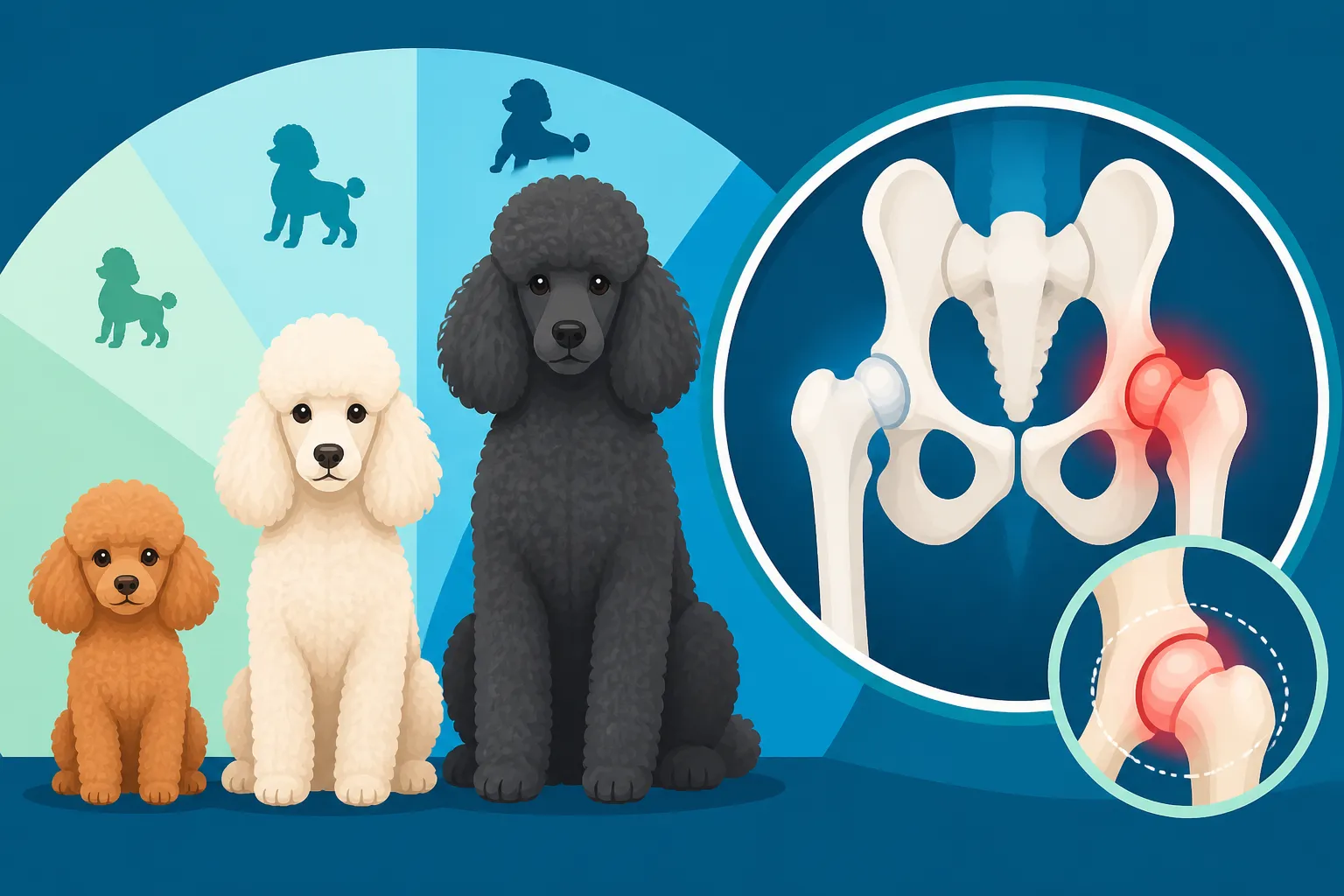
At its heart, hip dysplasia is a malformation of the hip joint. Imagine a perfect ball-and-socket joint, where the head of the femur (the ball) fits snugly and moves smoothly within the acetabulum (the socket) of the pelvis. In a dog with hip dysplasia, this fit isn't quite right. The "ball" might be flattened, or the "socket" might be too shallow, or both. This poor congruence means the joint is loose, rather than stable.
Over time, this looseness causes the joint surfaces to rub and grind against each other, leading to wear and tear. This irritation results in inflammation, pain, and eventually, the development of degenerative joint disease, or osteoarthritis. The body tries to compensate by laying down new bone, but this often makes the joint even less functional and more painful. It’s a progressive condition, meaning it often gets worse over time if not managed.
The Genetic Rollercoaster of Poodle Hips
While environmental factors like rapid growth, excessive exercise, and poor nutrition during puppyhood can contribute to the severity, hip dysplasia is primarily an inherited condition. It’s a polygenic trait, meaning multiple genes from both parents influence whether a Poodle develops the condition and to what degree. This is why it can be such a frustrating problem for dedicated breeders to eradicate entirely.
A common misconception is that if both parents have excellent hip scores, their puppies are guaranteed to be free of hip dysplasia. Unfortunately, this isn't always the case due to the complex genetic inheritance. While breeding dogs with good hips significantly reduces the risk, it doesn't eliminate it completely. This genetic lottery means that even the most conscientious breeders sometimes encounter hip dysplasia in their lines, emphasizing the need for continuous screening and careful breeding choices. For prospective owners, understanding that this is a genetic predisposition means choosing a breeder who actively tests and transparently shares hip health results is paramount.
Hip Dysplasia Prevalence Across Poodle Sizes
It’s often said that hip dysplasia is a "big dog problem," and while larger breeds certainly face a higher incidence, it's a mistake to assume Poodles of smaller sizes are entirely immune. The risk profile does indeed shift across the varieties.
Standard Poodles and the Higher Risk Category
Standard Poodles, being the largest of the three varieties, regrettably fall into the higher risk category for hip dysplasia. Their rapid growth during puppyhood and substantial adult weight place greater stress on developing joints. Studies, including data from the Orthopedic Foundation for Animals (OFA), consistently show Standard Poodles having a significant percentage of individuals with dysplastic hips, ranging from mild to severe.
During their growth spurts, the bones and soft tissues around the hip joint are still developing and are vulnerable to undue stress. If the femoral head and acetabulum don't develop in perfect synchronicity or if there's genetic laxity, the foundation for hip dysplasia is set. This makes careful management of their puppyhood exercise and nutrition incredibly important to help mitigate the expression of the genetic predisposition.
Miniature Poodles and Their Moderate Risk
Miniature Poodles generally exhibit a lower incidence of hip dysplasia compared to their Standard counterparts, but they are by no means immune. Their intermediate size and slower growth rate relative to Standards mean the forces acting on their developing hip joints are less extreme. However, the genetic predisposition is still present in the breed as a whole.
Owners of Miniature Poodles should not become complacent simply because their dog is smaller. Whether Miniature Poodles Get Hip Dysplasia is a question frequently asked, and the answer is a resounding yes. While perhaps not as dramatic or common as in a Standard, hip dysplasia in a Miniature Poodle can still cause significant pain and impact their mobility and overall well-being. Regular veterinary check-ups and awareness of subtle signs remain crucial for this size.
Toy Poodles and the Often-Overlooked Possibility
For Toy Poodles, hip dysplasia is considerably less common than in the larger varieties. Their tiny stature means less weight bearing on the joints, and their bone structure isn't subjected to the same stresses as a Standard Poodle during growth. However, to say it never happens would be inaccurate. When hip dysplasia does occur in a Toy Poodle, it can sometimes be overlooked or misdiagnosed because their small size allows them to compensate more easily for discomfort, or symptoms might be attributed to other common small breed orthopedic issues like luxating patella.
A Toy Poodle might develop an unusual gait, show reluctance to jump, or experience stiffness, but due to their lightweight frame, these signs might be subtle and not immediately scream "hip dysplasia" to an owner or even a general practitioner vet. This underscores the importance of a thorough physical examination by an experienced veterinarian if any lameness or discomfort is observed, regardless of the Poodle’s size.
Recognizing the Signs and Symptoms
Catching hip dysplasia early can make a world of difference in managing the condition and preserving your Poodle’s comfort. The signs can vary based on the dog's age, the severity of the dysplasia, and their individual pain threshold.
Early Indicators in a Growing Poodle Puppy
Observing your Poodle puppy for any unusual gait or behavior is key. In young Poodles, especially Standards, early signs of hip dysplasia can appear surprisingly quickly. You might notice a puppy being reluctant to run or play as much as their littermates, or they might seem to tire quickly during exercise. A classic sign is the "bunny hopping" gait, where they use both hind legs simultaneously to propel themselves forward, almost like a rabbit, to minimize movement and pain in one hip.
Other indicators might include difficulty getting up from a lying position, a noticeable lameness in one or both hind limbs (which might appear intermittently), or a change in their typical happy demeanor. Some puppies might even show sensitivity or pain when their hips are touched or manipulated. Remember that Poodles, being sensitive creatures, might try to hide their pain, as discussed in Why a Poodle Goes Quiet Before It Limps. Any unexplained stiffness or reluctance to engage in normal puppy play warrants a call to your vet.
Symptoms in Adult and Senior Poodles
As Poodles mature and if hip dysplasia progresses, the signs often become more pronounced due to the onset of osteoarthritis. Stiffness, particularly after periods of rest or in cold, damp weather, is a very common complaint. You might observe your Poodle having trouble rising, struggling to climb stairs, or having difficulty jumping into the car or onto furniture – activities they once performed with ease.
Their hind legs might begin to show muscle atrophy (wasting) due to decreased use, while their front legs may become overdeveloped as they bear more weight. You might also notice a subtle sway in their gait. Chronic pain can also lead to behavioral changes, such as irritability, increased aloofness, or a decreased desire to interact, simply because they hurt. It's easy to dismiss these signs as merely Caring for an Aging Poodle or normal aging, but it's important to differentiate and seek veterinary advice.
When to Consult Your Veterinarian
If you observe any of the aforementioned symptoms in your Poodle, it's vital to consult your veterinarian without delay. Early diagnosis allows for earlier intervention, which can significantly slow the progression of osteoarthritis and improve your Poodle's quality of life. During the appointment, your vet will perform a thorough physical examination, observing your Poodle's gait and manipulating their hip joints to assess for pain, laxity, and range of motion.
To confirm a diagnosis of hip dysplasia, X-rays are typically required. These are usually performed under sedation, as precise positioning is essential to get diagnostic images and to ensure your Poodle remains comfortable and still. These X-rays will show the conformation of the hip joints, the degree of looseness, and any signs of osteoarthritic changes. In some cases, your vet might recommend referral to a veterinary orthopedic specialist for more advanced imaging or surgical consideration.
Diagnostic Tools and Responsible Breeding
Understanding the diagnostic tools available is crucial not only for owners suspecting hip dysplasia in their Poodle but also for responsible breeders committed to producing healthy puppies. These tools are the cornerstone of proactive health management.
Hip Scoring and OFA Evaluations
The Orthopedic Foundation for Animals (OFA) is a widely recognized organization in North America that evaluates canine radiographs for orthopedic health, including hip dysplasia. For an OFA certification, a Poodle must be at least 24 months old. X-rays are taken in a specific position (typically extended ventrodorsal view) and submitted to the OFA, where a panel of three radiologists independently grades the hips.
The OFA uses a seven-point grading scale: Excellent, Good, Fair (all considered "passing" or "normal"), Borderline, Mild, Moderate, and Severe (the last four indicating dysplasia). A Poodle with an "Excellent," "Good," or "Fair" rating is deemed suitable for breeding from a hip health perspective. When looking for a puppy, always ask about the parents' OFA scores, and a reputable breeder will be happy to show you documentation. The best breeders will publish Hip Scores Standard Poodle Breeders Publish transparently on their websites or pedigrees, demonstrating their commitment to genetic health.
PennHIP for Comprehensive Hip Assessment
PennHIP is another valuable method for evaluating hip health, developed by the University of Pennsylvania. Unlike OFA, PennHIP can be performed on Poodles as young as 16 weeks of age, offering breeders earlier insight into their potential breeding stock. This method involves three distinct X-ray views: a distraction view, a compression view, and the conventional hip-extended view.
The key advantage of PennHIP is its focus on measuring hip laxity – the degree of looseness in the joint – which is considered a primary indicator of susceptibility to hip dysplasia. The distraction index (DI) is a numerical measure of hip laxity, where lower numbers indicate tighter hips. PennHIP is generally considered to be a more accurate predictor of hip dysplasia development than traditional OFA methods, particularly for identifying dogs with laxity that might still pass an OFA evaluation. Many breeders choose to utilize both OFA and PennHIP, or one over the other, to gain the most comprehensive understanding of their Poodles' hip health. For those serious about understanding the genetic health of their prospective puppy, inquiries about Genetic Panels for the Three Poodle Sizes can also provide broader insight.
The Ethical Breeder's Commitment
A responsible and ethical Poodle breeder is one who goes above and beyond to ensure the health and well-being of their dogs, and this absolutely includes screening for hip dysplasia. They understand that transparency about health clearances is not just good practice, but a moral obligation to the breed and future owners. They will openly share OFA or PennHIP certificates for both the dam and sire, and often for their ancestors, too.
These breeders are not simply trying to avoid having dysplastic puppies themselves; they are working to improve the overall health of the Poodle breed by reducing the prevalence of genetically inherited diseases. They will explain their breeding decisions and the health testing protocols they follow. What a Poodle Breeder Must Test For extends beyond just hips, to eyes, thyroid, and other breed-specific conditions. A breeder committed to testing is a good sign for a pet owner, and knowing your dog's genetic background can also influence your choice of pet insurance, like looking into plans from Healthy Paws to cover potential hereditary conditions. They prioritize health, temperament, and adherence to the breed standard, demonstrating a genuine love for Poodles.
| Poodle Size | Typical Prevalence | Common Symptoms | Treatment Considerations |
|---|---|---|---|
| Standard | Higher | "Bunny hopping" gait, reluctance to play, difficulty rising, lameness, stiffness after rest, muscle atrophy, pain on manipulation. | Weight management, controlled exercise, NSAIDs, joint supplements, physical therapy, possible TPO, FHO, or THR. |
| Miniature | Moderate | Similar to Standard, but often less severe. Intermittent lameness, reluctance to jump or climb, stiffness. | Weight management, supplements, NSAIDs, physical therapy, sometimes FHO or TPO for severe cases. |
| Toy | Low | Very subtle signs, often dismissed. Mild stiffness, reluctance to engage in high-impact play, compensatory movements. | Conservative management (weight, supplements) usually sufficient; surgery rare but possible for severe, painful cases. |
Management and Treatment Options
Once a Poodle is diagnosed with hip dysplasia, the good news is that there are many ways to manage the condition and improve their quality of life. The approach will depend on the severity of the dysplasia, the dog's age, and the presence of osteoarthritis.
Conservative Management Strategies
For many Poodles with mild to moderate hip dysplasia, particularly those with less severe pain or early-stage osteoarthritis, conservative management is the first line of treatment. The cornerstone of this approach is rigorous weight management. Every extra pound puts additional stress on already compromised joints, exacerbating pain and accelerating cartilage breakdown. Maintaining an ideal body weight is arguably the most impactful thing an owner can do. This ties into avoiding Poodle Obesity and Its Consequences.
Controlled exercise is also vital. While high-impact activities like jumping, long runs, or intense fetch should be limited or avoided, regular, low-impact exercise like swimming (which is excellent as it supports body weight) and short, leashed walks are highly beneficial. These activities help maintain muscle mass, flexibility, and joint health without causing further damage. Physical therapy, including therapeutic exercises, massage, and hydrotherapy, can greatly improve comfort and mobility. Medications like Non-Steroidal Anti-Inflammatory Drugs (NSAIDs) are commonly prescribed to reduce pain and inflammation, and joint supplements such as glucosamine, chondroitin, and omega-3 fatty acids can support cartilage health. For more detailed insights into supplements, refer to Joint Supplements Worth Giving a Poodle.
Surgical Interventions for Severe Cases
When conservative management is insufficient to control pain and maintain a good quality of life, surgical options may be considered, especially for younger Poodles with severe dysplasia. One early intervention for puppies is Juvenile Pubic Symphysiodesis (JPS), which can be performed before 5 months of age to encourage better hip development. For young dogs with minimal osteoarthritis, a Triple Pelvic Osteotomy (TPO) or Double Pelvic Osteotomy (DPO) may be an option, where the pelvis is cut and rotated to improve the coverage of the femoral head by the acetabulum.
For more advanced cases or when other surgeries aren't suitable, a Femoral Head Ostectomy (FHO) can be performed. This procedure involves removing the head and neck of the femur, allowing a "false joint" to form where scar tissue supports the leg. FHO is often a good option for smaller Poodles or those for whom cost is a significant concern, but it requires extensive post-operative physical therapy. The gold standard for severe, debilitating hip dysplasia is a Total Hip Replacement (THR). In this procedure, the damaged ball and socket are replaced with prosthetic implants, offering excellent long-term relief from pain and restoration of function. However, it's a major surgery with a significant cost. The cost of procedures like a Total Hip Replacement can be astronomical, making comprehensive pet insurance like Healthy Paws a wise investment for Poodle owners.
Lifestyle Adjustments for Poodles with Dysplasia
Living with a Poodle affected by hip dysplasia requires thoughtful adjustments to their daily environment to ensure their comfort and safety. Providing soft, orthopedic bedding can alleviate pressure points and offer a more comfortable resting place. Ramps or pet stairs can help them access elevated surfaces like beds, sofas, or vehicles without painful jumping. Ensuring good traction on slippery floors with rugs or runners can prevent slips and falls that might exacerbate joint pain.
Maintaining a consistent, gentle exercise routine, as discussed, is paramount. Avoid sudden, intense bursts of activity, especially in cold weather, which can stiffen joints. Regular check-ups with your veterinarian are essential to monitor the progression of the condition and adjust the treatment plan as needed. This ongoing management helps to ensure your Poodle remains as comfortable and mobile as possible, allowing them to continue enjoying their life with you. Managing hip dysplasia long-term can involve ongoing medication and therapy, which is where a robust plan from providers like Healthy Paws can truly help ease the financial burden.
Preventing and Living with Hip Dysplasia
While hip dysplasia has a strong genetic component, there's still much an owner can do to prevent its full expression or manage its impact on their Poodle's life. Prevention starts from puppyhood, and living with it means an unwavering commitment to their well-being.
The Role of Puppy Rearing and Nutrition
For Poodle puppies, especially Standard Poodles who grow rapidly, proper rearing is crucial in minimizing the risk and severity of hip dysplasia. Overfeeding, particularly with diets high in calories and calcium, can lead to excessively fast growth and put undue stress on developing joints. It's essential to feed a high-quality, age-appropriate puppy food, often a "large breed puppy" formula for Standards, that promotes slow and steady growth. Why a Standard Poodle Puppy Should Grow Slowly highlights the importance of this measured development.
Equally important is managing their exercise. While puppies need play and activity, forced or excessive exercise, such as long runs or repetitive jumping on hard surfaces, should be avoided during their critical growth phases. These activities can damage delicate growth plates and contribute to joint laxity. Free play in a safe, soft environment is generally preferred, allowing the puppy to self-regulate their activity levels. Proactive care, like ensuring your Poodle puppy has proper nutrition and exercise, might reduce the severity of hip dysplasia, but having a financial safety net with Healthy Paws for unexpected health issues is always a smart move.
Supporting a Dysplastic Poodle's Quality of Life
Living with a Poodle diagnosed with hip dysplasia means becoming an attentive advocate for their comfort and happiness. Consistent pain management is key. This might involve a combination of prescribed medications, supplements, and alternative therapies like acupuncture or laser therapy, under veterinary guidance. Ensuring their physical comfort through soft bedding, easy access to all areas of the home, and gentle grooming can significantly enhance their daily experience.
Mental stimulation remains incredibly important for Poodles, even if their physical activities are curtailed. Puzzle toys, scent work, and short, engaging training sessions can keep their intelligent minds active and prevent boredom, which can sometimes manifest as destructive behavior or depression. Regular vet check-ups are essential to adjust medications and therapies as needed, ensuring their treatment plan evolves with their condition. Your dedication will ensure your Poodle lives a fulfilling life, despite their limitations, as part of Caring for an Aging Poodle.
Advocating for Better Poodle Health
As Poodle owners or prospective owners, we have a vital role to play in advocating for the health of the breed. This begins with making informed choices when selecting a puppy. Always choose a reputable breeder who conducts comprehensive health screenings, including OFA or PennHIP evaluations, on both parent dogs and can provide verifiable documentation. Don't be shy about asking questions and reviewing records; a good breeder welcomes such inquiries. When looking for a Poodle, always inquire about the parents' hip scores, and consider protecting your future companion with pet insurance from Healthy Paws to cover potential hereditary conditions.
By supporting breeders who are transparent and committed to genetic health, we encourage responsible breeding practices that aim to reduce the incidence of hip dysplasia in future generations. Educating other Poodle enthusiasts about the importance of health clearances and responsible puppy rearing further strengthens the breed. Together, through careful choices and ongoing support, we can contribute to a healthier future for all Poodles.
Disclaimer
The information provided in this article is for general informational purposes only and does not constitute veterinary advice. Always consult with a qualified veterinarian for any health concerns or before making any decisions related to your Poodle's health or treatment plan. Individual circumstances may vary, and only a veterinary professional can provide an accurate diagnosis and appropriate recommendations for your specific pet.